“There are days when I just want to call him to tell him about life, about the races we used to… and then I remember he’s not there anymore.” Kurt Busch revealed the most heartbreaking thing after losing his younger brother — and it wasn’t a missed trophy or an unfinished race…
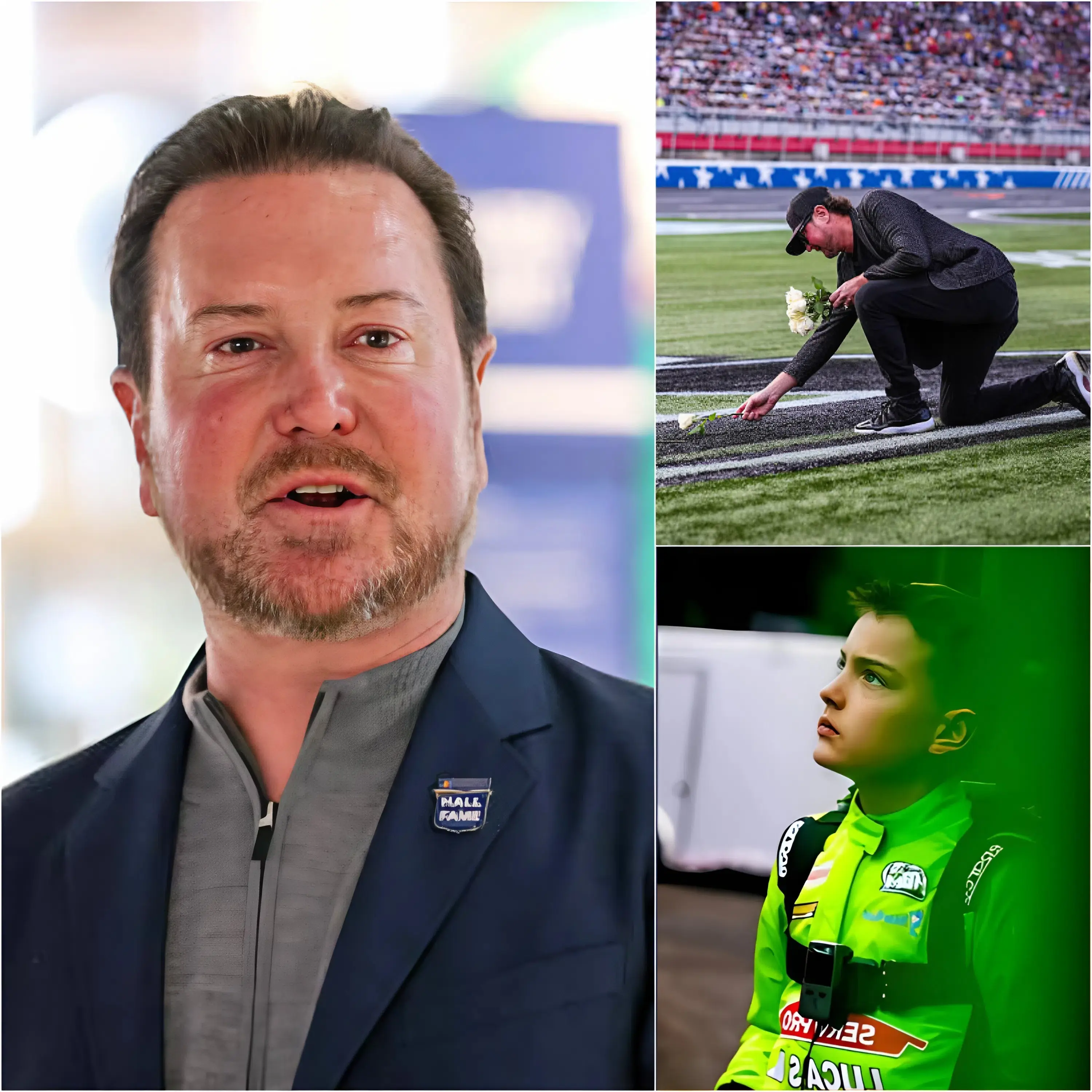
Kurt Busch has faced his share of high-speed crashes, intense rivalries, and career-defining moments on the NASCAR circuit. But nothing could prepare him for the quiet, everyday pain that now fills the spaces where his younger brother Kyle once existed. In a deeply personal revelation that has touched fans across the motorsports world, the NASCAR Hall of Famer opened up about the simple, devastating ritual that haunts him daily: reaching for the phone to call Kyle, only to realize the number in his contacts will never connect again.
Kyle Busch, the two-time NASCAR Cup Series champion known for his fiery competitiveness and record 234 wins across NASCAR’s top series, passed away on May 21, 2026, at the age of 41. His death came after a sudden hospitalization in Charlotte, North Carolina, due to complications from severe bacterial pneumonia that led to sepsis and ultimately hemorrhagic shock. The news sent shockwaves through the racing community, where Kyle had built a legendary career as one of the most successful and polarizing drivers of his generation.
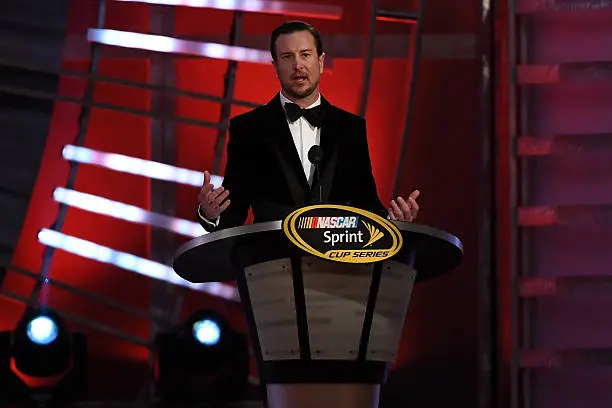
For Kurt, the older brother who shared the same passion for speed and the same last name that became synonymous with NASCAR excellence, the loss runs far deeper than statistics or championship trophies. In a heartfelt statement released in early June, Kurt reflected on the brotherly bond that defined much of their lives both on and off the track.
“There are days when I just want to call him to tell him about life, about the races we used to run, the battles we fought, and then I remember he’s not there anymore,” Kurt shared, capturing a grief that feels profoundly human amid the roar of engines and the glare of spotlights.
The two brothers grew up immersed in racing. Their father, Tom Busch, introduced them to the sport at a young age, fostering a competitive spirit that would propel both to the highest levels of NASCAR. Kurt, born in 1978, made his Cup Series debut in 2000 and went on to win the 2004 championship with Roush Racing. Kyle, five years younger, burst onto the scene with even more flair, earning the nickname “Rowdy” for his aggressive driving style and unfiltered personality.
Together, they represented a new era of sibling rivalry in a sport long dominated by family dynasties like the Earnhardts and Pettys.
Their on-track relationship was complex—marked by both collaboration and intense competition. Fans still recall memorable moments, including the 2007 All-Star Race where the brothers made contact while battling for position, leading to a period of tension that required family intervention to mend. Yet through it all, their bond endured. Kurt often spoke of pushing each other to be better, challenging one another in ways only siblings can. In victory lane celebrations and heated radio exchanges alike, the Busch brothers embodied the raw emotion that makes NASCAR so compelling.
Kyle’s career was nothing short of extraordinary. He amassed 63 Cup Series wins, 102 Xfinity Series victories, and 69 Truck Series triumphs—a record that underscores his versatility and dominance. He drove for powerhouse teams like Hendrick Motorsports and Joe Gibbs Racing, capturing championships in 2015 and 2019. Off the track, Kyle was a devoted family man, raising children with his wife Samantha and maintaining a presence that extended beyond racing into business ventures and philanthropy.
But it was the personal connection that Kurt now misses most. In the weeks following Kyle’s passing, Kurt expressed gratitude for the outpouring of support while acknowledging the profound emptiness. “My heart is broken, but I know your spirit will always ride with me. Rest easy, little brother,” he wrote in a public tribute. These words resonated deeply because they stripped away the glamour of fame and revealed the universal pain of losing a loved one—the missed calls, the unsaid conversations, the future memories that will never be made.
Grief experts often describe this phenomenon as “ambiguous loss” or the persistent presence of absence. For Kurt, the contacts list on his phone serves as a digital reminder of what was once routine. Picking up the phone to share race strategies, family updates, or simply vent about life’s challenges was a habit built over decades. Now, that impulse collides with the harsh reality of permanence. Psychologists note that such everyday triggers can be among the most difficult aspects of mourning, turning ordinary moments into profound encounters with loss.
The NASCAR community has rallied around the Busch family. Tributes poured in from drivers, teams, and fans alike. NASCAR itself described Kyle’s death as a “staggering blow” to the sport. Fellow competitors shared stories of Kyle’s influence, from his mentorship of younger drivers to his relentless pursuit of excellence that raised the bar for everyone. Events honoring his legacy have included moments of silence at tracks and special paint schemes on cars, allowing the community to collectively process the void left behind.
Beyond the track, Kyle’s passing has prompted reflections on health awareness within high-stress professions like professional athletics. Complications from what began as a respiratory illness highlight how quickly situations can escalate, even for someone in peak physical condition. The family has encouraged fans to prioritize wellness and support medical research into sepsis and pneumonia prevention.
For Kurt Busch, the road ahead involves navigating both personal healing and preserving his brother’s legacy. Retirement from full-time racing has given him perspective, but the shared history of asphalt battles and brotherly camaraderie remains a central part of his identity. He has spoken about cherishing the lessons learned from Kyle—resilience in the face of adversity, the importance of family, and the thrill of chasing dreams at full throttle.
As the 2026 NASCAR season continues, echoes of Kyle Busch’s impact are felt in every lap. His record stands as a testament to talent and determination, but for those closest to him, it is the quieter legacies that matter most: laughter in the garage, advice given over late-night calls, and the unbreakable bond of brotherhood.
Kurt’s vulnerability in sharing his pain has offered comfort to many grieving their own losses. In a world that often celebrates victories and speed, his words remind us of the human cost behind the headlines. There will be days when the urge to dial that familiar number resurfaces, bringing with it a fresh wave of sorrow. Yet in those moments, perhaps Kurt finds solace in knowing that Kyle’s spirit does indeed ride along—in the roar of the engines, the stories swapped among drivers, and the enduring love that transcends even the final checkered flag.
The racing world mourns not just a champion, but a brother, a father, and a friend whose absence is felt most acutely in the silence between races. As Kurt navigates this new chapter, his honesty serves as a beacon for others facing similar heartaches, proving that even in the fastest lane, it is the ties of family that ultimately define our journey.