The build-up to the 2026 World Cup has already been filled with tension, but few stories have spread as quickly as the latest wave of comments surrounding Argentina’s status as reigning champions. What began as a critical opinion from former Chile international Patricio Yáñez has now evolved into a broader online debate about whether Lionel Messi’s Argentina can truly handle the pressure of defending their crown on football’s biggest stage.
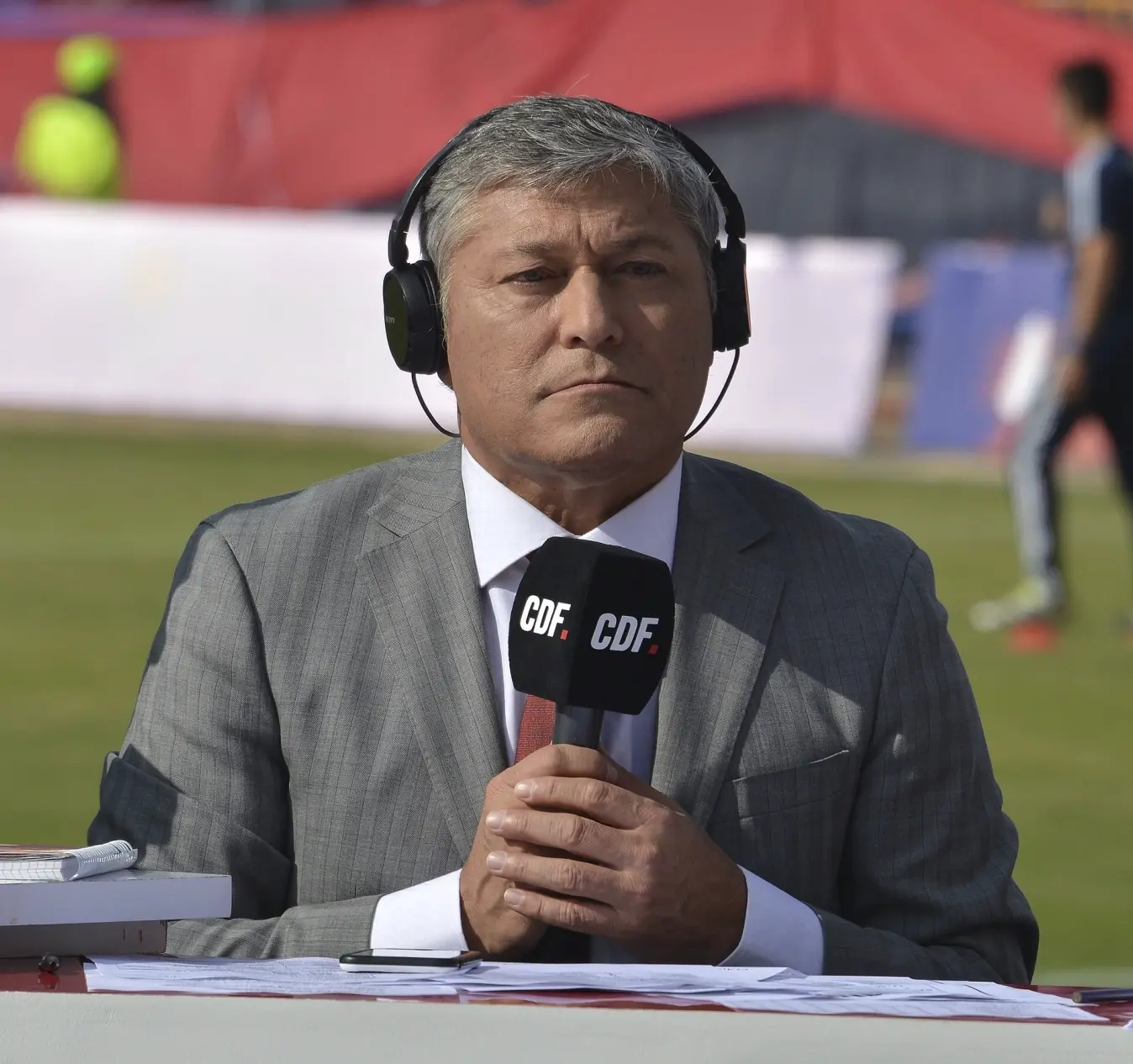
According to widespread discussion across sports forums and social media platforms, Yáñez’s remarks painted a provocative picture of Argentina’s chances, suggesting that the defending champions could struggle to live up to expectations and might even face an unexpectedly early exit. While such predictions are not uncommon in the lead-up to major tournaments, the timing and tone of these comments have sparked intense reactions, particularly among Argentina supporters who see the national team as one of the strongest contenders in world football.
The reaction was immediate. Argentina fans, already closely following every development ahead of the tournament, pushed back strongly against the idea that their team could be labeled a disappointment. For many, the suggestion felt premature and disconnected from the reality of a squad still widely regarded as one of the most complete in international football. The presence of experienced leaders, combined with a new generation of talented players, has fueled confidence that Argentina remains fully capable of competing at the highest level.
Yet, as often happens in modern football discourse, the story quickly moved beyond the original comment itself. On social media, the narrative transformed into a broader discussion about pressure, expectation, and legacy. Messi, as captain and symbolic leader of the national team, once again found himself at the center of attention—not because of anything he had done on the pitch, but because of what others were saying about his team’s future.
Supporters and analysts alike began debating whether external criticism actually affects a squad that has already experienced the highest level of success. After all, Argentina entered the previous World Cup with heavy expectations and pressure, yet managed to overcome doubts and deliver a historic triumph. That achievement has since become a reference point in every discussion about their mentality and resilience.
For many fans, the idea that Argentina could be written off before a ball has even been kicked feels familiar. It is a narrative they have seen before, one that often resurfaces whenever the team enters a major tournament as a favorite. In that sense, the recent wave of criticism has only reinforced a sense of unity among supporters, who view external doubt as part of the challenge rather than a reflection of reality.
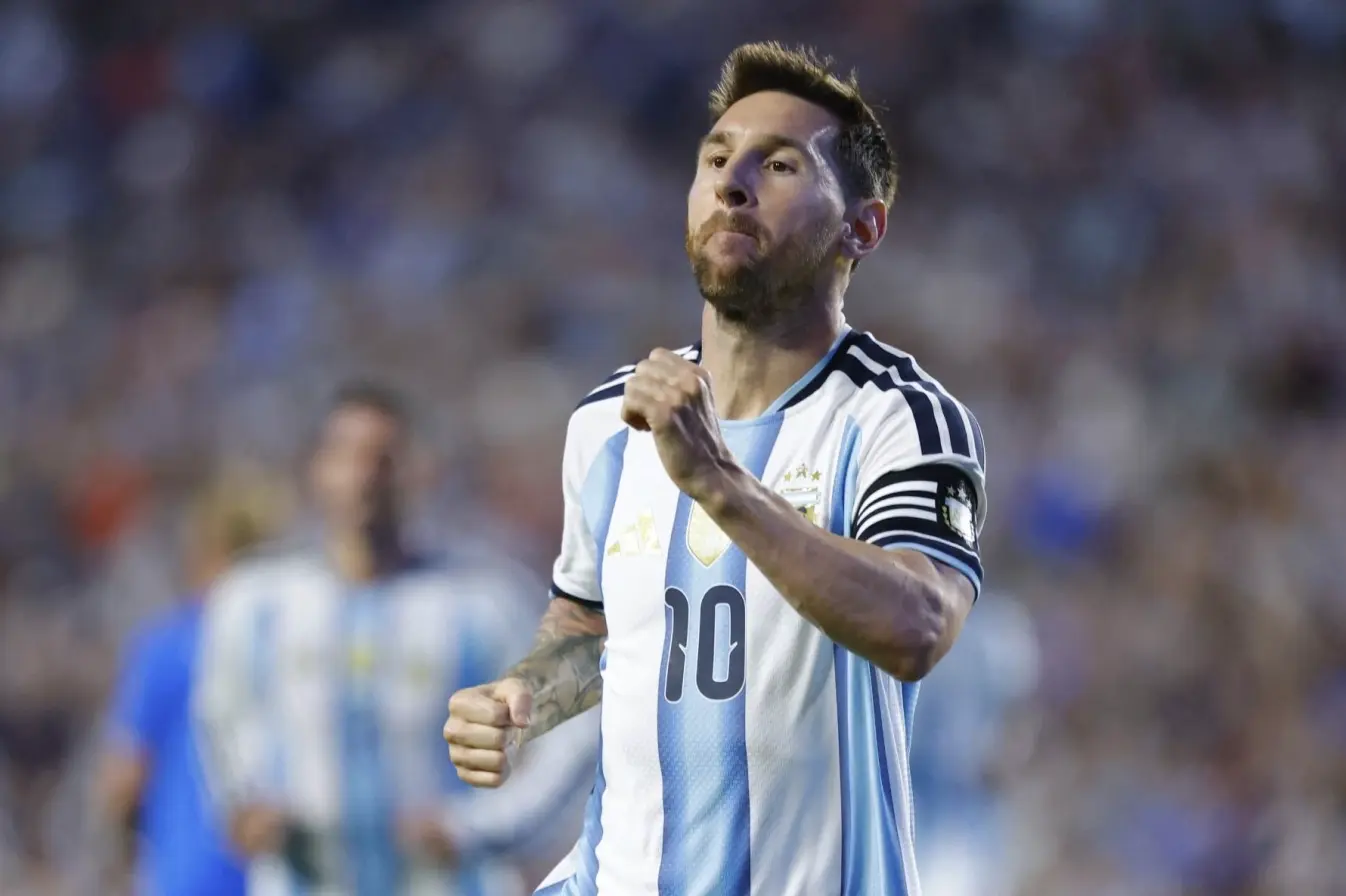
As the conversation intensified online, attention naturally shifted toward the players themselves. While no official response was initially expected, discussions among fans speculated about how experienced leaders within the squad might react to such claims. Messi, in particular, has long been associated with calm responses in the face of external pressure, often choosing performance and focus over public confrontation.
Throughout his career, Messi has rarely engaged directly with criticism from outside voices. Instead, his response has typically come through performances on the field, whether in domestic competitions, European football, or international tournaments. That pattern has shaped public perception of him as a leader who allows results to speak louder than words.
Still, the emotional weight of representing Argentina adds a unique dimension to any discussion involving the national team. Unlike club football, international tournaments carry an additional layer of national expectation, historical memory, and collective pride. Every comment, whether positive or negative, tends to be amplified far beyond its original context.
This is why the recent controversy has gained so much traction. It is not simply about one former player’s opinion. It is about what that opinion represents in the larger conversation surrounding Argentina’s place in world football. Are they still the team to beat? Or are they now entering a phase where expectations outweigh certainty?
Analysts remain divided. Some argue that defending a World Cup title is one of the most difficult challenges in sport, pointing to historical examples where champions have struggled to maintain dominance. Others counter that Argentina’s current squad has already demonstrated its ability to handle pressure at the highest level, suggesting that experience could actually be an advantage rather than a burden.
What is clear, however, is that narratives like this often become fuel for motivation inside elite teams. In professional sport, external criticism is frequently used—directly or indirectly—as a tool to reinforce focus and unity. Whether or not players publicly respond, such discussions inevitably reach dressing rooms, where they are absorbed, interpreted, and sometimes used as additional incentive.
For Argentina supporters, the priority remains unchanged: belief in their team. The emotional connection between the national side and its fan base has grown significantly in recent years, particularly after their ultimate success on the world stage. That bond means that criticism is often met not with doubt, but with defiance.
As the World Cup approaches, the spotlight on Argentina will only intensify. Every match, every squad announcement, and every tactical decision will be analyzed in detail. That level of scrutiny is the price of success, and as reigning champions, Argentina will enter the tournament carrying both admiration and expectation.
Whether they ultimately succeed or fail will be determined on the pitch, not in headlines or social media debates. But until then, the conversation will continue to grow, shaped by opinions, predictions, and the endless cycle of pre-tournament speculation that defines modern football coverage.
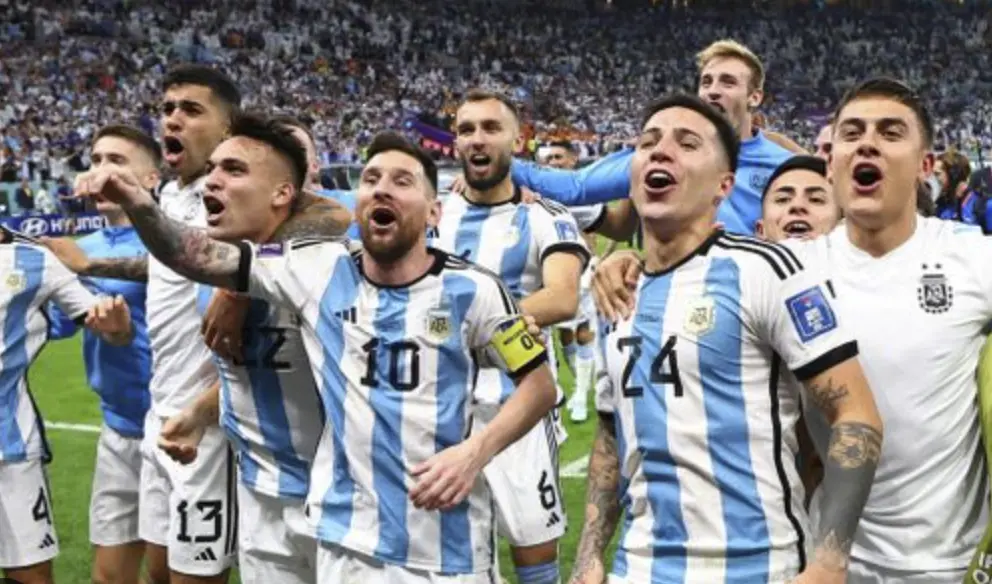
And in that environment, one thing remains certain: Argentina, and Lionel Messi at the heart of it, will continue to be one of the most closely watched stories in world sport as the 2026 World Cup draws nearer.