🚨’It’s crazy’ The Roos’s worrying defensive vision shows why it nearly cost them the game.
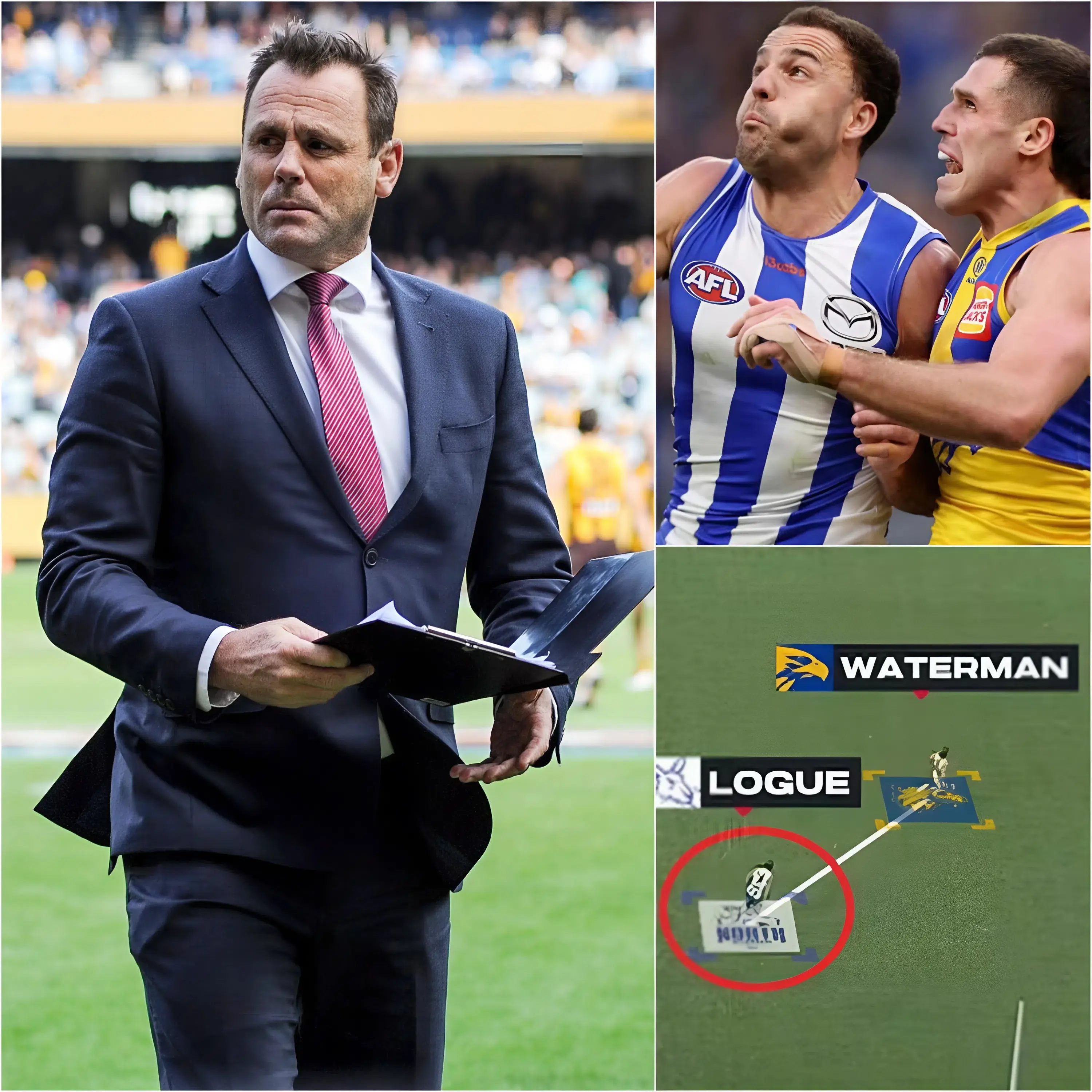
In a nail-biting encounter at Optus Stadium, the North Melbourne Kangaroos managed to hold on for a thrilling one-point victory over the West Coast Eagles, but the result could easily have gone the other way. A late set shot from Eagles forward Jake Waterman cannoned into the post with just seconds remaining, sparing the Roos what would have been a heartbreaking defeat. While the win extended North Melbourne’s season momentum, the performance, particularly in defence, raised serious questions about their structural integrity and decision-making under pressure.
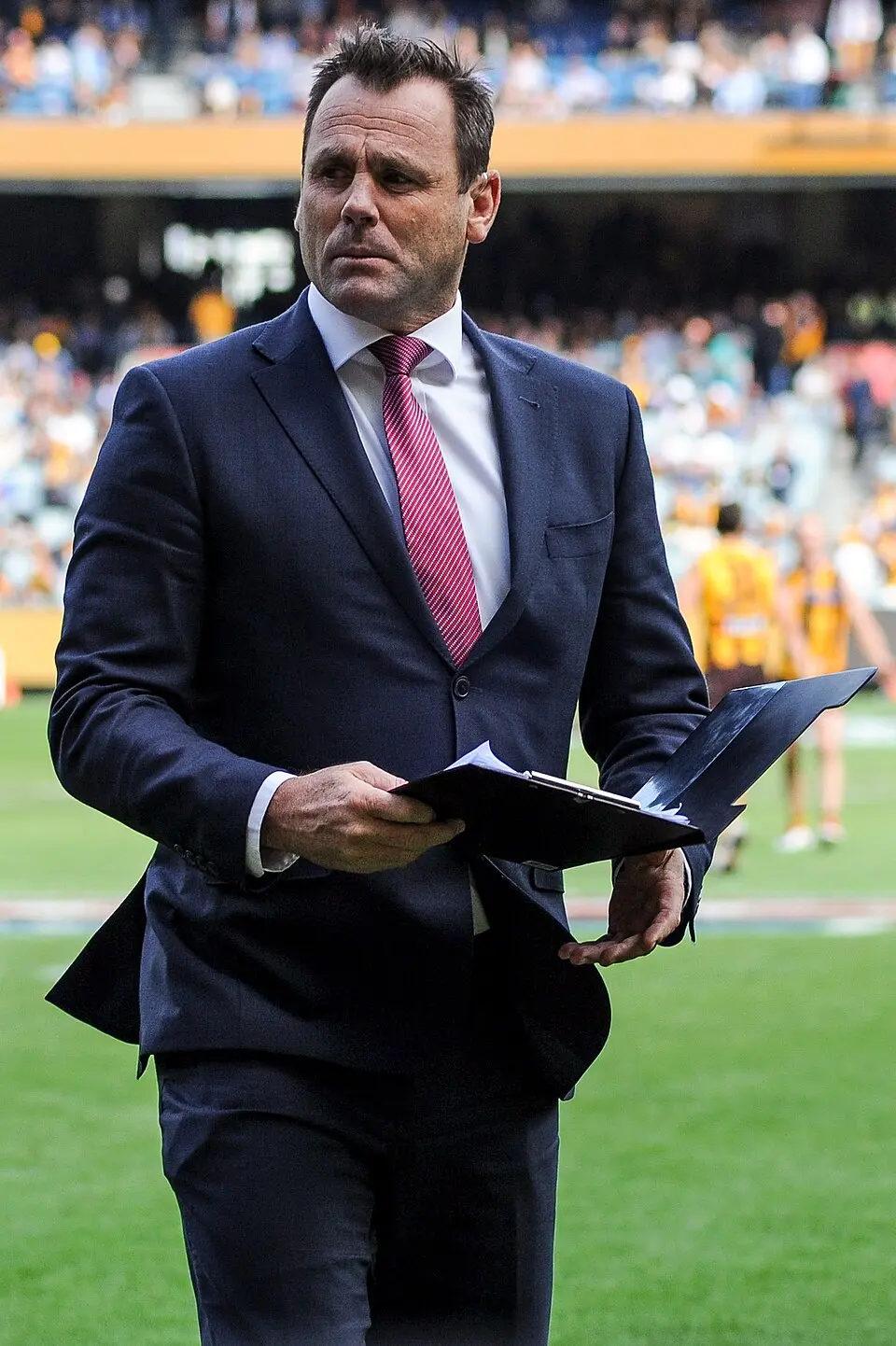
The matchup between Griffin Logue and Jake Waterman became the focal point of post-match analysis. Waterman was electric, finishing with three goals from nine marks and eight score involvements. He repeatedly found space and exploited gaps in the Roos’ defensive setup, nearly becoming the match-winner. Fox Footy’s David King did not hold back in his assessment during First Crack, describing elements of the defence as “crazy” and even “comical” at times.
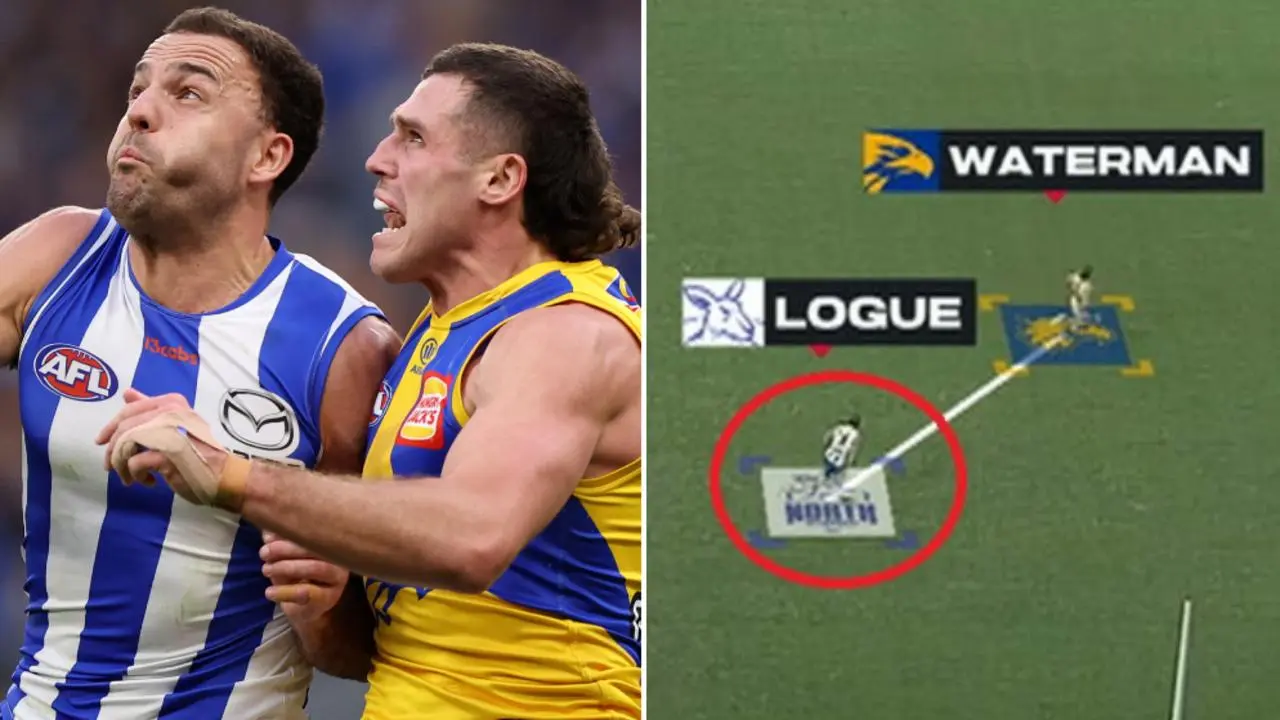
King highlighted multiple instances where Logue’s positioning allowed Waterman unnecessary freedom. In one sequence, Logue guarded the lead effectively before inexplicably rolling off at the wrong moment. As Waterman retreated toward goal, no one appeared to take responsibility, leaving the forward with an uncontested mark inside 50. “Who’s covering him now?” King questioned. “Is it meant to be the player in behind, or are you meant to be one-on-one?” The lack of clarity in roles and timing created avoidable opportunities for the Eagles.
Another concerning clip showed Logue playing up to 20 metres off Waterman while the ball was on the wing and heading toward North’s goal. Rather than applying physical pressure or getting body-on-body with a strong back-shoulder position, Logue mirrored the retreat. “The ball’s coming towards him – you’ve got to get some physicality,” King emphasised. “Right there, he should be body-on-body, back shoulder. It’s an uncontested mark in your forward-50. It’s just crazy.”
These lapses were not isolated. In the dying stages, with the game on the line, Waterman marked virtually uncontested in the corridor around 20 metres out. King’s frustration boiled over: “What are you doing? Where are you going? The game’s on the line, and he’s free 20 metres out in the corridor.” He linked these issues to a broader pattern, noting that North has struggled defensively for years despite multiple attempts to overhaul their system. “I reckon they’ve changed the mechanics of their defence three times in two years, and there’s still glaring problems.”
Leigh Montagna offered additional insight, suggesting Logue’s reactive style was part of the problem. Unlike proactive defenders at clubs like Geelong, Logue often makes decisions after the ball is kicked, leaving him a step behind. “I just don’t think he’s got the mindset, sharpness and decision-making to be able to play that sort of role as a defender,” Montagna said. King agreed that the issues go beyond individual players, pointing to potential shortcomings in coaching instructions and overall defensive philosophy.
The Roos’ victory was hard-fought and far from convincing. They led for much of the contest but allowed West Coast to mount a significant comeback. Waterman’s influence, combined with the Eagles’ forward pressure, exposed vulnerabilities that have plagued North Melbourne throughout Alastair Clarkson’s tenure. While the team has shown flashes of improvement in attack and midfield, the defensive frailties remain a persistent concern, especially against potent key forwards.
Fans and analysts alike are left wondering about the long-term fix. Clarkson, a four-time premiership coach renowned for his tactical acumen, faces ongoing scrutiny. The constant tweaking of defensive structures has yet to yield consistent results, leading to debates about whether the current personnel and system can deliver the reliability needed for higher ladder positions. Questions have arisen about potential changes in selection or further adjustments to the defensive model ahead of crucial upcoming fixtures.
This game served as a microcosm of North Melbourne’s 2026 season so far — moments of promise undermined by costly errors in critical situations. The narrow escape against West Coast highlights both the resilience of the group and the urgent need for defensive cohesion. As the season progresses, the Roos cannot afford such lapses if they hope to challenge stronger opponents and solidify their place in the finals conversation.
The victory, while welcome, comes with a caveat. North Melbourne survived thanks to Waterman’s inaccuracy under pressure, but they cannot rely on such fortune indefinitely. Addressing the “crazy” defensive vision exposed in this matchup will be paramount. Whether through better communication, sharper individual execution, or a fundamental rethink of their setup, the Roos must evolve quickly. For a team with aspirations beyond mere competitiveness, fixing these worrying trends is not just desirable — it is essential.
In the high-stakes world of AFL, where margins are razor-thin, defensive lapses like those seen in Perth can be the difference between triumph and disaster. The Kangaroos dodged a bullet this time, but the analysis from King and others serves as a stark reminder that sustained success demands more than just heart — it requires precision, clarity, and an unwavering commitment to the fundamentals of team defence. As North prepares for their next challenges, all eyes will be on whether they can tighten the screws before their vulnerabilities are exploited again.