Discussions surrounding the future direction of the Brisbane Broncos women’s program have become one of the most widely debated topics in Australian rugby league over the past few days. Reports that the club’s leadership is considering reducing salary expenditures for the Broncos NRLW squad next season, along with broader structural changes, have generated strong reactions from players, supporters, and figures connected to the club. Although the organisation has not publicly detailed every aspect of its internal planning, the conversation has quickly expanded beyond financial matters and into broader questions about the development of women’s rugby league in Australia.
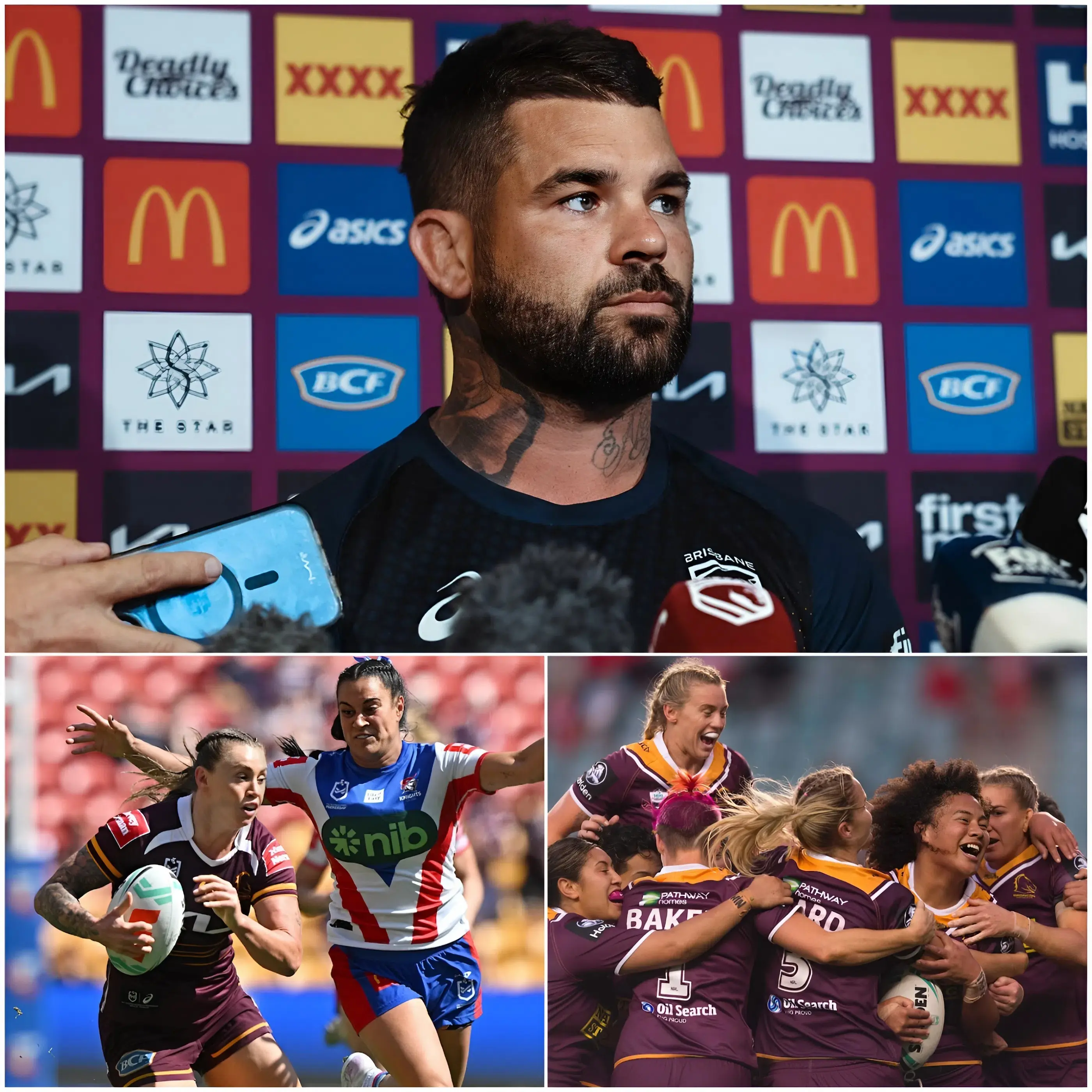
The Brisbane Broncos have long been viewed as one of the most recognisable organisations in Australian sport. Their women’s team has played an important role in the growth of the NRLW competition since its early years, helping raise the profile of women’s rugby league across the country. Through strong performances, high-profile players, and a growing supporter base, the Broncos became one of the flagship clubs of the women’s game. For that reason, recent reports about salary reductions and restructuring plans have attracted significant public attention.
According to sources close to the club, the Broncos are currently reviewing financial commitments across several departments ahead of next season. Like many professional sporting organisations, the club is dealing with rising operational costs, increasing travel expenses, expanded competition schedules, and long-term financial planning considerations. Club executives are believed to be examining how resources can be distributed more sustainably while maintaining competitiveness across all programs.
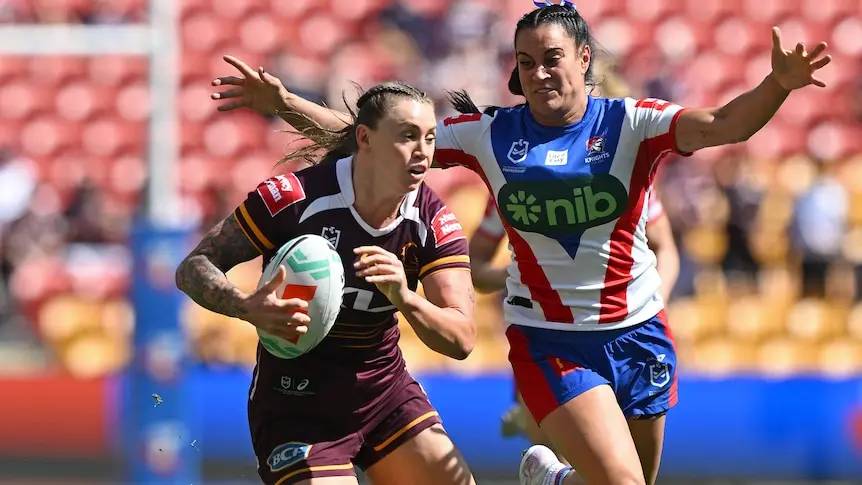
Within the women’s squad, however, the reported plans have created uncertainty. Some players are said to be disappointed by the possibility of reduced financial support at a time when women’s rugby league continues to grow in popularity and visibility. Several athletes reportedly feel that the women’s game has worked hard to establish credibility and professionalism, making any cuts to salaries or resources particularly difficult to accept emotionally.
Women’s sport in Australia has experienced remarkable growth over the last decade. Rugby league, cricket, football, basketball, and Australian rules football have all seen increased investment, stronger television audiences, and greater commercial opportunities. The NRLW competition itself has expanded rapidly, with more clubs joining the league and greater media attention being directed toward female athletes. Because of this momentum, many supporters see investment in women’s rugby league not simply as an expense, but as a long-term commitment to the future of the sport.
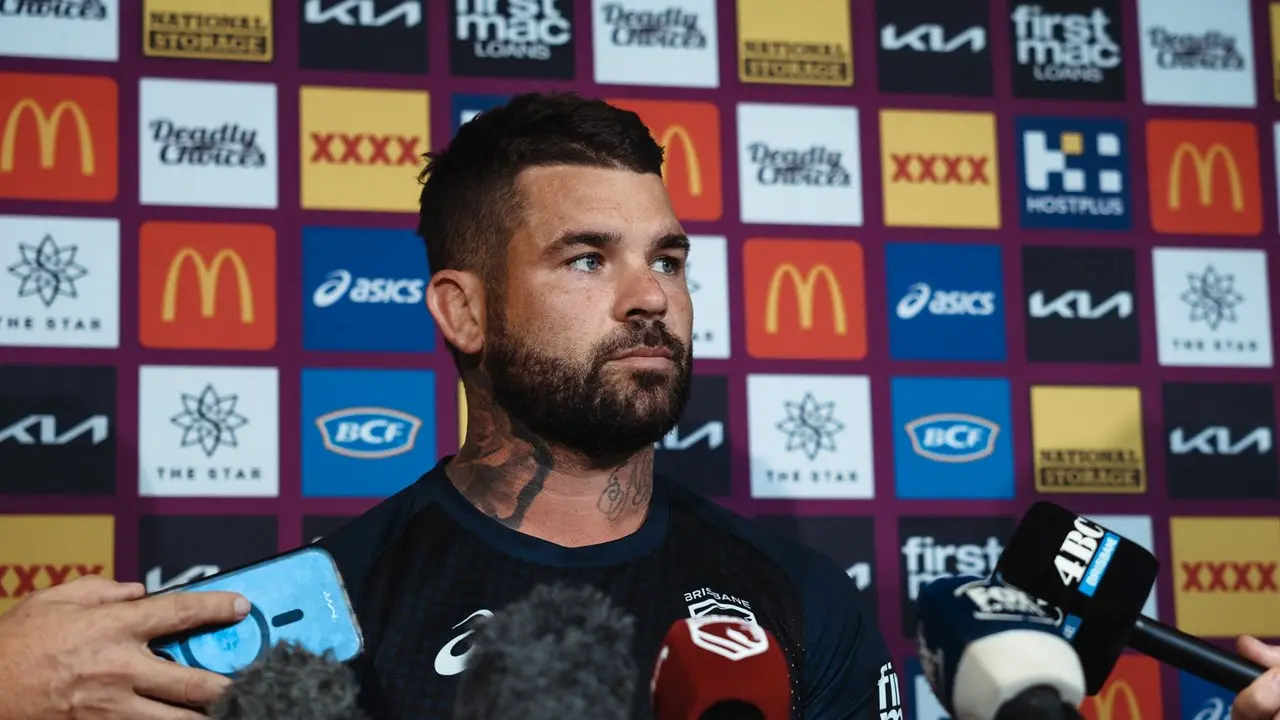
The situation at the Broncos gained even more attention when reports emerged suggesting that concerns from the women’s team had spread into the men’s playing group. In particular, captain Adam Reynolds was reportedly among those who expressed disappointment over the direction of the discussions. While no official public statement from Reynolds directly criticising club management has been released, media speculation suggested that senior male players wanted to show support for their counterparts in the women’s program.
That development became a major talking point among supporters because Reynolds is widely respected both within the Broncos organisation and across the NRL. As one of the competition’s most experienced leaders, his voice carries significant influence in the dressing room. Supporters interpreted his reported stance as a sign of solidarity and unity between the men’s and women’s programs.
The reaction from fans has been mixed. Some supporters acknowledge that professional clubs must make difficult financial decisions in order to remain sustainable over the long term. The costs of maintaining elite sporting programs continue to rise, and even financially successful organisations must regularly reassess budgets and priorities. Others, however, believe this moment is especially important for women’s rugby league and argue that reducing support could risk slowing the progress the game has made in recent years.
Several commentators within Australian sport have pointed out that the women’s game is still in a crucial development phase. Continued investment in player welfare, salaries, training facilities, and professional standards is seen as essential if the NRLW is to keep growing and attracting elite athletes. Comparisons have also been made to other women’s sporting competitions around the world, where increased funding and long-term commitment have led to dramatic improvements in quality and popularity.
At the same time, many analysts recognise that sporting organisations face genuine financial pressures. Clubs must balance immediate competitiveness with long-term sustainability. Salary structures, staffing levels, infrastructure projects, and commercial partnerships all contribute to the financial complexity of running a modern professional club. In this context, some observers believe the Broncos are attempting to create a model that remains stable for many years rather than focusing solely on short-term spending.
Communication has become one of the most important issues in the current situation. Reports indicate that some players would prefer greater transparency from the club regarding future plans. In professional sports environments, uncertainty can sometimes affect morale more than the actual decisions themselves. Athletes often want clarity about the direction of the organisation, especially when discussions involve contracts, salaries, or broader structural changes.
The Broncos’ leadership is believed to be aware of the sensitivity surrounding the issue. The club has built a strong reputation within the NRLW and has consistently presented itself as a major supporter of women’s rugby league. Any decisions affecting the women’s program are therefore likely to receive close scrutiny from fans, sponsors, media organisations, and the wider rugby league community.
Commercial considerations also play a role in the discussion. Women’s sport is increasingly attractive to sponsors seeking positive community engagement and broader audience reach. Many companies view investment in women’s teams as aligned with values such as equality, inclusiveness, and long-term social impact. Because of this, decisions involving women’s programs can influence not only sporting perceptions but also commercial relationships.
Within the dressing room, maintaining unity will likely be one of the club’s highest priorities. Professional teams rely heavily on trust and shared purpose. Situations involving financial uncertainty can sometimes create divisions if not managed carefully. That is why experienced leaders like Adam Reynolds are often viewed as important figures during periods of internal discussion. Leadership in sport extends beyond tactics and performances on game day; it also involves helping maintain a stable and respectful environment within the club.
Several former players and commentators have urged patience while the situation develops. They note that reports circulating publicly may not fully reflect the final decisions being considered internally. Sporting organisations often evaluate multiple financial models before reaching conclusions, and discussions can evolve significantly over time. For that reason, many believe it is important to wait for official clarification before drawing strong conclusions about the club’s long-term intentions.
The broader context of women’s rugby league in Australia also remains highly relevant. The NRLW has become one of the fastest-growing competitions in the country, and clubs are still learning how to build sustainable structures around rapidly expanding programs. Unlike older professional competitions with decades of financial history, women’s rugby league is still establishing its commercial foundations. This creates both exciting opportunities and difficult challenges for administrators.
For the players themselves, the focus remains on continuing to develop the game while maintaining professional standards. Many NRLW athletes have worked tirelessly to elevate the competition and inspire future generations of players. The pride associated with representing clubs like the Broncos remains extremely strong, which is why discussions around financial support often carry emotional significance as well as practical consequences.
Supporters of the Broncos women’s team have also been vocal in expressing appreciation for the contributions made by the players over recent seasons. The team’s success and commitment have helped strengthen the club’s connection with fans and communities across Queensland. Many supporters hope that whatever decisions are ultimately made, the women’s program will continue to receive meaningful backing from the organisation.
The situation has also highlighted how interconnected modern sporting clubs have become. Men’s and women’s programs are no longer viewed as completely separate entities by supporters or athletes. Increasingly, fans expect clubs to present a unified culture and consistent values across all teams. The reported involvement of senior male players in the discussion reflects this evolving perspective within professional sport.
As the Broncos continue planning for next season, attention will remain focused on how the club balances financial management with sporting ambition and cultural identity. Supporters understand that sustainable decision-making is necessary in elite sport, but they also expect organisations to protect the progress that has been made within women’s competitions.
In the coming weeks, further discussions between club officials, players, and staff are expected to take place. Those conversations may help clarify the direction of the women’s program and reduce some of the uncertainty currently surrounding the situation. Open communication and mutual respect will likely be essential if the Broncos want to maintain stability within the club environment.
Ultimately, the current debate at Brisbane is about more than salaries or budgets alone. It reflects broader questions facing modern sport: how to support the continued growth of women’s competitions, how to manage financial realities responsibly, and how clubs can preserve unity during periods of change. The Broncos now find themselves at the centre of that conversation, and the way they navigate the coming months may shape perceptions of the club for some time to come.