2026 Betfred 2,000 Guineas Champion… But No Glory? — The Harsh Truth Behind Billy Loughnane’s Victory with McMurray.
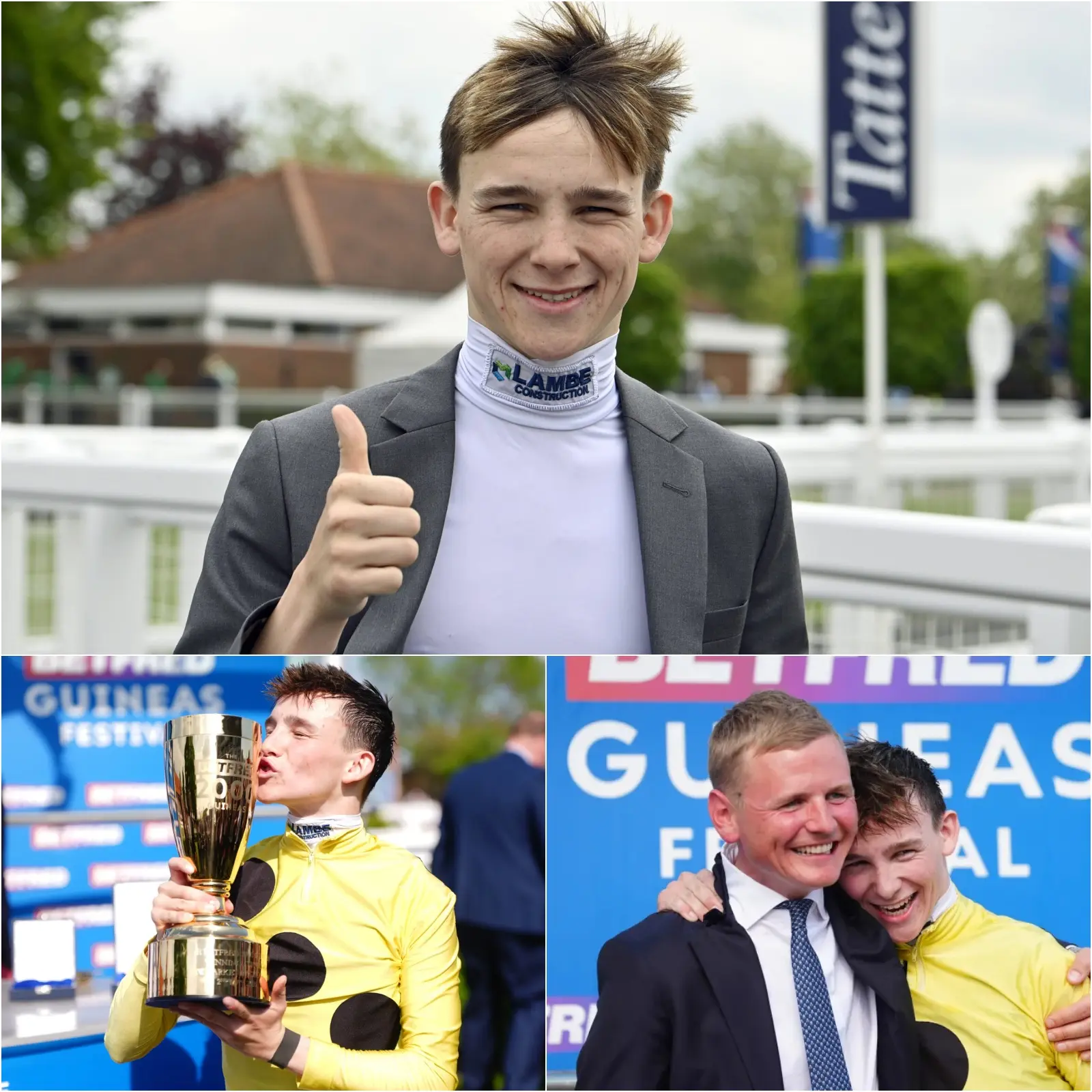
The roar from Newmarket’s Rowley Mile still reverberates across British racing, yet for Billy Loughnane the morning after his historic triumph felt remarkably ordinary. On 2 May 2026 the 20-year-old Irish jockey guided the George Boughey-trained Bow Echo to a dominant two-and-three-quarter-length victory in the Betfred 2,000 Guineas, claiming his first Classic and confirming himself as the brightest young talent in the sport. Just five days later he was back in the winner’s enclosure at Chester aboard McMurray, keeping the same powerful stable on an unbroken winning streak.
To the outside world it looked like the beginning of a gilded new chapter. The reality, as Loughnane himself knows all too well, is far more gruelling.
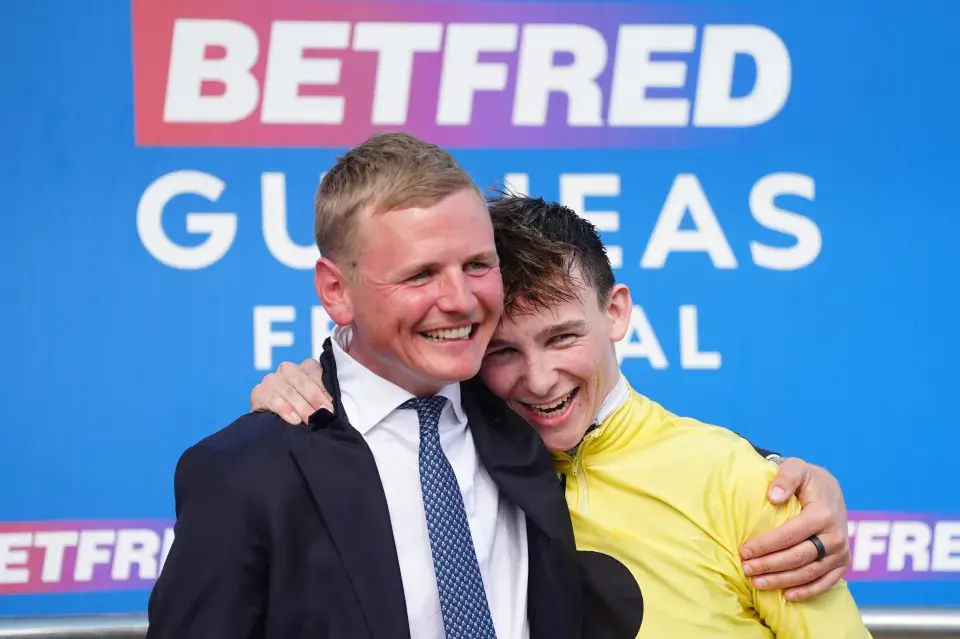
The 2026 renewal carried a prize fund north of £525,000. Loughnane’s share, even after the traditional jockey percentage and riding fee, represented a handsome payday by any standard. Yet the money did not arrive with the fanfare many imagined. There were no immediate seven-figure endorsement contracts, no luxury brand deals, no invitations to exclusive Mayfair parties. Instead, the young champion returned to the same Newmarket yard where he has ridden out since he was 16, pulling on the same mud-spattered boots before dawn and hauling himself onto the same gallops.
The only difference was the extra weight of expectation now resting on his narrow shoulders.
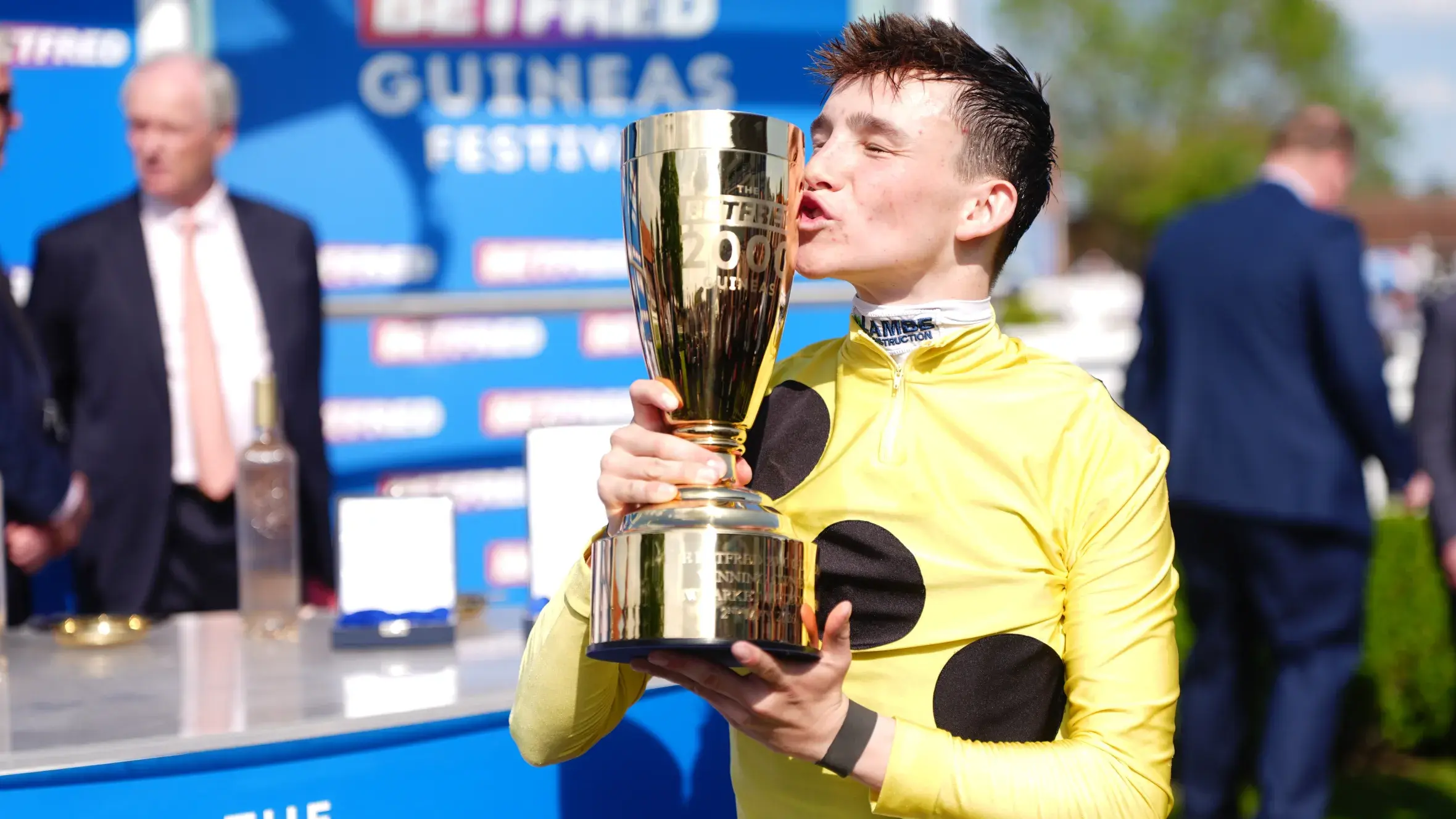
Loughnane’s rise has been nothing short of meteoric. Champion apprentice in 2023, British All-Weather Champion Jockey in 2024-25, and the first Flat rider this century to reach 222 winners in a single calendar year in 2025. At 20 he has already moved closer to Boughey’s headquarters in Newmarket, forging a relationship the trainer describes as that of a “father figure and older brother.” Boughey has pushed him relentlessly, and Loughnane credits the 34-year-old with elevating his game to Classic level.
“I’ve been riding out for George since I was 16 and he’s really pushed me to the next level,” the jockey said after the Guineas. “What a trainer.” Yet that closeness brings its own pressures. Every gallop, every piece of work, every tactical discussion carries heightened significance now that the stable’s flagship horse has delivered on the biggest stage.
The lifestyle remains punishing. Race meetings are scattered the length and breadth of Britain. On 11 May, less than a week after Chester, Loughnane was booked for a full card at Wolverhampton. The day before that he had ridden at Lingfield. The A14, M6 and M1 have become his second home. Hotel rooms blur into one another. Weight control is a daily battle fought with the precision of a surgeon; at around eight stone he cannot afford a single slip. His mother, Clare, had long warned him about exactly this existence. “It’s a hard way of life,” she admitted recently.
“If you are just travelling around the country for just one or two rides you are only making the cost of the diesel.” Even now, at the top of the tree, the margins remain tight when the big-race cheques are infrequent and the everyday handicap rides pay modest fees.
The psychological toll is heavier still. Loughnane carries the hopes of an entire generation of racing fans desperate for a new home-grown star. Every ride is dissected on social media and in the racing press. A single mistake invites instant scrutiny. In March he received a 21-day ban for improper riding at Southwell — later reduced to 14 days on appeal — a stark reminder that even rising champions are not immune to the sport’s unforgiving rulebook.
The pressure to maintain form, to keep the owners and trainers happy, to stay ahead of established names such as Oisin Murphy and William Buick, never relents. “I want to be champion jockey,” he declared after hitting 200 winners last year. That ambition now burns brighter than ever, but it demands the same monastic discipline that got him to Newmarket in the first place.
Behind the winner’s enclosure smiles and the obligatory photographs with Sheikh Mohammed Obaid’s connections lies a solitary routine. Loughnane studies form late into the night, texts Boughey between races when he is not riding for the stable, and constantly recalibrates his tactics. The Guineas victory — “I can’t put it into words, I’ve never had a feeling like that in my life” — was the fulfilment of a childhood dream that began the day he was born. Yet fulfilment did not bring rest. Within hours he was back planning the next target, the next horse, the next tactical challenge.
McMurray’s victory at Chester was simply the latest proof that the show goes on. The same team, the same relentless schedule, the same hunger.
Endorsement opportunities remain limited. Horse racing, for all its heritage and passion, does not command the global marketing budgets of Premier League football or tennis. Loughnane’s face may appear on Racing Post covers and At The Races broadcasts, but the commercial world has not yet come calling with six-figure deals. The glory of the Betfred 2,000 Guineas is real, but it is measured in sporting legacy rather than instant financial transformation. The prize money helps, the prestige opens doors to better retainers and bigger rides, yet the fundamental economics of the weighing room have not changed overnight.
What Loughnane’s story illustrates most powerfully is the gap between perception and reality in professional sport. To the casual observer the Classic winner returns to a life of luxury and adulation. The truth is early mornings in the Newmarket mist, diesel-stained motorways, constant weight battles, and the knowledge that next week’s ride at Lingfield or Wolverhampton carries almost as much importance as the Guineas itself. The 18,000 spectators who watched Bow Echo power clear on that glorious May afternoon have returned to their lives; Loughnane has returned to the stables, the travel, and the unending pursuit of the next victory.
At just 20 he has already achieved what many jockeys spend a lifetime chasing. The question now is whether the system that created him will allow him to sustain this extraordinary trajectory without burning out. The cold early mornings continue. The competition remains ferocious. The glamour is fleeting.
Billy Loughnane’s 2026 Guineas triumph will be remembered for generations, but the real measure of the man will be how he handles the ordinary, grinding days that follow — days spent chasing winners on McMurray and dozens of other horses while the world wonders why he isn’t living the fairy-tale life they imagined. In racing, as he is learning every single day, glory is only ever rented.
The rent is paid in sweat, sacrifice and an unshakeable commitment to the next race, the next dawn, the next chance to prove that the kid from Ireland really is the future champion jockey Britain has been waiting for.