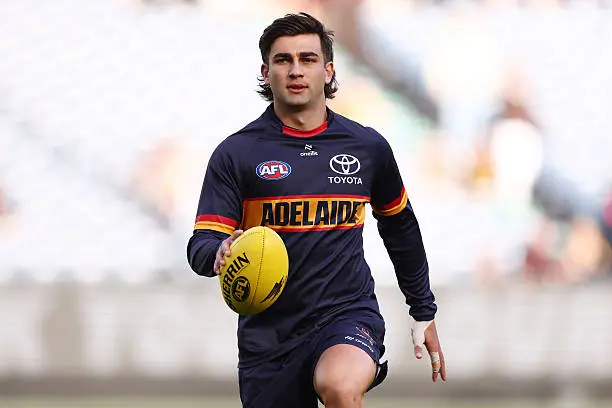
Adelaide Crows star Josh Rachele has publicly exposed a social media bully after receiving a severely offensive message telling him to “end your life please.” The vile direct message arrived on Instagram late on Sunday night, just weeks after the Adelaide club was rocked by the tragic death of captain Jordan Dawson’s older brother Jaryd. What began as a moment of on-field triumph quickly turned into a stark reminder of the toxic underbelly of online abuse that continues to plague professional sport.

The 23-year-old forward had enjoyed a standout performance in the Crows’ 98-61 victory over Richmond at the MCG. Rachele kicked the sealer in the dying stages after earning a free kick and celebrated with a theatrical “hanging up the phone” gesture that drew sharp criticism from some Tiger supporters. Within minutes of the final siren, the abusive Instagram message landed in his direct messages. Rather than ignore it or suffer in silence, Rachele chose to shine a light on the cowardice.
He posted a screenshot to his Instagram story with a calm but powerful caption: “Hope you’re happy with yourself pal. Mental health matters in every space, including sport. Messages like these are never welcome. Words have meaning, words have impact. Let’s choose kindness.”
The account responsible for the message was deleted within hours, a clear sign that public exposure carries consequences. Yet the damage had already been done, and the timing could not have been more insensitive. The Crows were still grieving the sudden loss of Dawson’s brother, a 35-year-old new father whose death in regional South Australia had left the entire club and its supporters in shock. Dawson himself had only recently returned to the field after missing games to be with his family, and the emotional weight of that tragedy lingered heavily over the playing group.
For a troll to target one of Dawson’s teammates with a suicide-encouraging message at such a vulnerable time crossed every line of decency.
Rachele’s decision to speak out has resonated far beyond the Adelaide locker room. Players across the AFL have faced similar abuse for years, but this incident has reignited urgent conversations about player protection. Fans, former players, and mental health advocates are now demanding that the league take stronger, more visible action. Social media platforms must do more to detect and remove accounts that send death threats or encourage self-harm, while clubs and the AFL itself need faster response protocols when players are targeted.
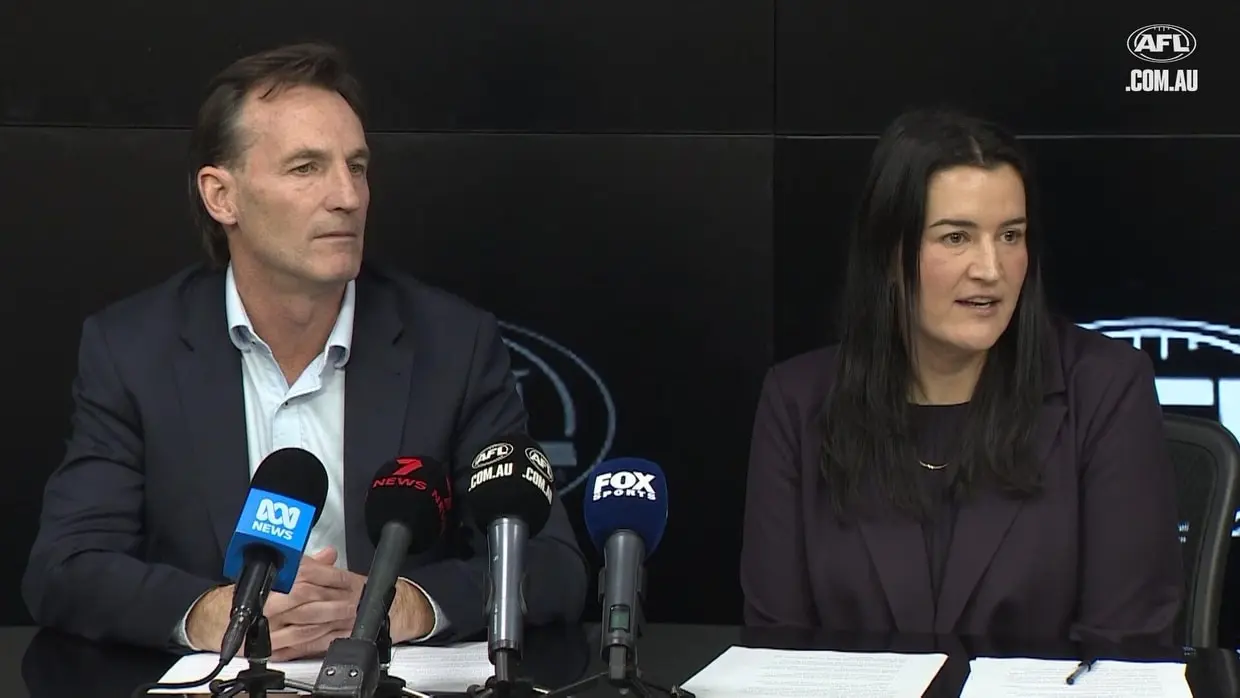
The anonymity of fake accounts makes identification difficult, yet the league has previously condemned racist abuse directed at players such as Nasiah Wanganeen-Milera and Jase Burgoyne, with CEO Andrew Dillon stating clearly that such behaviour has no place in the game. The same principle must now apply to all forms of vile personal attacks.
The broader context makes the issue even more pressing. Professional footballers already operate under extraordinary mental pressure: long seasons, constant public scrutiny, performance expectations, and the knowledge that one bad game can dominate headlines. Recent months have seen several high-profile mental health challenges within the AFL, including Carlton’s Elijah Hollands episode that led to a significant club fine and a league-wide review of duty-of-care procedures. Against this backdrop, Rachele’s experience is not an isolated incident but part of a troubling pattern.
When a young player who has just helped his team to an important win receives a message telling him to end his life, it reveals how deeply online toxicity has penetrated the sport.
Rachele’s measured response stands in stark contrast to the troll’s venom. By refusing to descend into anger and instead calling for kindness, he has modelled the leadership the game needs. His words have been shared widely and praised by supporters of all clubs. They serve as a reminder that athletes are human beings first, and that their mental health deserves the same respect afforded to any other professional. The Crows have long prided themselves on operating as a family, and coach Matthew Nicks has spoken movingly about the emotional toll recent events have taken on the group.
In such an environment, every player deserves to feel safe from external attack, especially when the club is already navigating profound grief.
Calls for systemic change are growing louder. Advocates argue that the AFL should work more closely with Instagram, TikTok and other platforms to create dedicated reporting channels for athletes, with guaranteed rapid takedowns and account suspensions. Some suggest exploring legal avenues for the most serious cases of harassment. Others want mandatory education programs for fans and clearer consequences, including lifetime bans from attending matches for repeat offenders. While the league already invests in mental health resources, critics say these programs must be paired with proactive protection against the external threats that arrive daily through players’ phones.
For Rachele personally, the episode has thrust him into an unwanted spotlight, yet he has handled it with maturity beyond his years. At 23 he is already viewed as one of the competition’s emerging talents, and his on-field contributions continue to impress. Off the field, his willingness to speak up may prove equally valuable in shifting the culture around online abuse. The troll may have sought to wound him, but Rachele has turned the moment into an opportunity to advocate for something better.
The incident also shines a light on the resilience of the Adelaide playing group. Despite the personal losses suffered by Dawson and others close to the club, the Crows have continued to compete with heart and professionalism. Their win over Richmond demonstrated that unity and focus remain intact. Yet no player should have to endure death threats as the price of representing their club. The AFL community owes it to Rachele and every other athlete to ensure that the next young star who receives a similar message finds a system ready to support and defend them immediately.
As the 2026 season unfolds, this story will not be forgotten quickly. It has exposed the raw reality that even in moments of celebration, the shadow of online hate can strike without warning. Rachele’s stand against that hate, delivered with dignity and a clear call for kindness, has already made an impact. The hope now is that the AFL, clubs, platforms and fans will listen and act. Words do have meaning. Words do have impact. The time to choose kindness, and to back that choice with real protection for players, is long overdue.