“They promised… but nothing has changed!” — AFL Director Andrew Dillon is reportedly frustrated with the Brisbane Lions’ management and coaching staff. The tense atmosphere surrounding the Carlton Blues game was heightened even before kick-off due to an internal “Whiteboard-gate” leak within the Brisbane Lions, similar to the Essendon game, despite promises of change and Brisbane coach Chris Fagan’s public apology on television — and suspicions of hypocrisy continued to surface in Round 9.
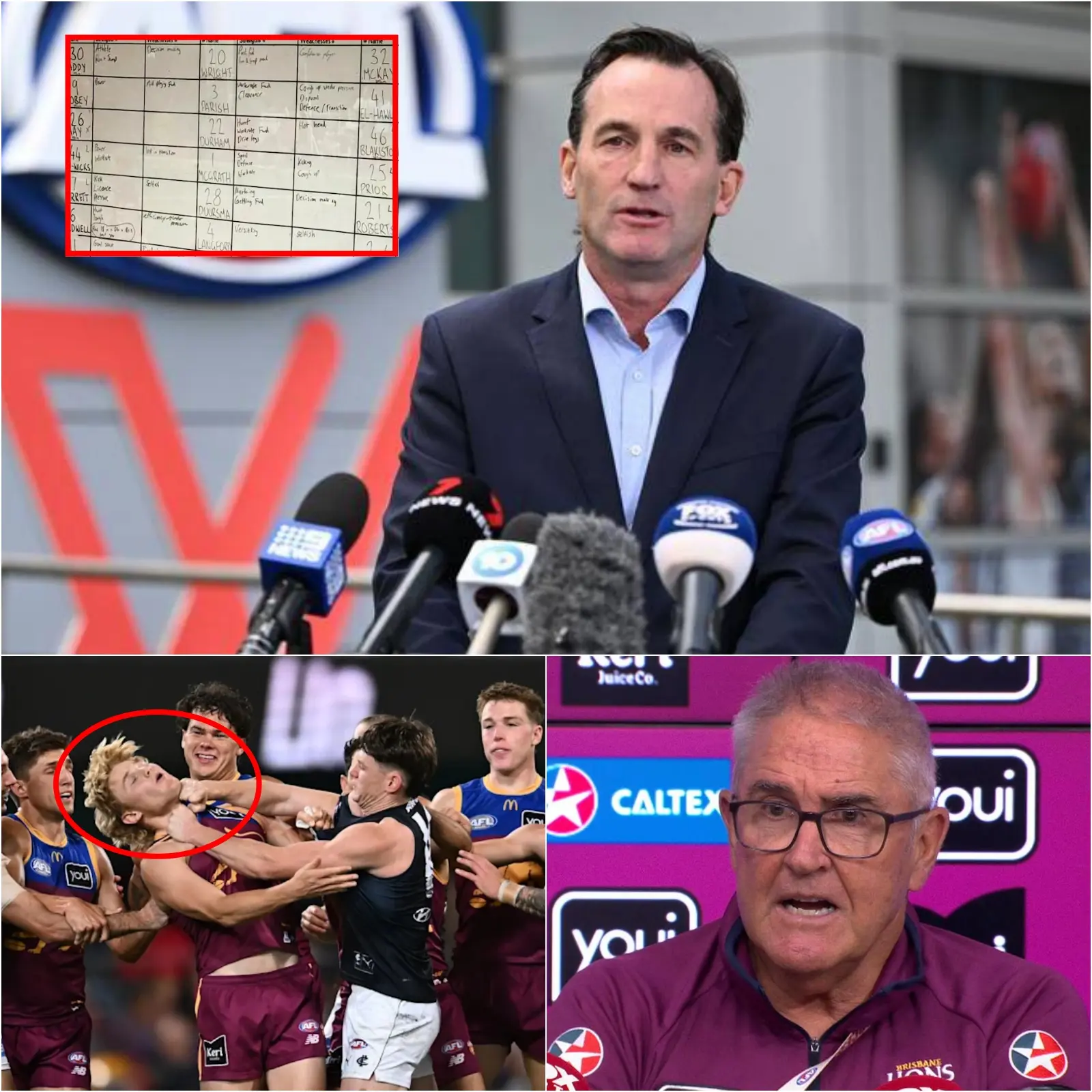
The Gabba was supposed to be electric for a Friday night blockbuster between the two-time defending premiers and a Carlton side desperate for answers. Instead, the air crackled with something far less welcome: frustration, embarrassment and the unmistakable whiff of déjà vu. Just days after Brisbane’s comprehensive demolition of Essendon was overshadowed by the leaking of a brutally candid whiteboard analysis, the same club found itself under the microscope again.
This time the scrutiny came not from a fresh scandal, but from the lingering fallout of the first one — and according to multiple sources close to league headquarters, AFL Director Andrew Dillon is not impressed.
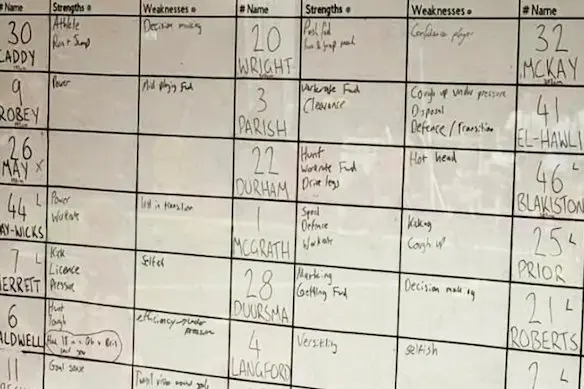
The original breach occurred in the lead-up to the Essendon clash. A photograph of an internal Lions whiteboard, covered in detailed scouting notes on every Bombers player, somehow made its way into the public domain. The comments were described across the media as “scathing”, “savage” and at times “brutal”. Zach Merrett was labelled “selfish”. Ben McKay’s confidence was questioned. Other players received pointed assessments of their strengths and weaknesses that, while tactically useful inside the four walls of the club, looked painfully personal when splashed across social media and front pages.
Most awkwardly of all, the name of former Lion Jaxon Prior’s partner appeared on the board as a supposed “strength” — a detail co-captain Hugh McCluggage later called “regrettable” and something the club “wouldn’t have involved” if they had their time again.
Chris Fagan did not mince words in his immediate response. He labelled the leak “illegal”, accused the person responsible — believed to be an Essendon supporter granted access during an Auskick clinic — of trying to “make a hero of themselves”, and insisted there was “nothing sinister or degrading” intended. The coach fronted cameras and radio, offering what many interpreted as a partial apology for the content while directing most of his anger outward. He spoke of tighter security, better processes and the need to protect the club’s intellectual property.
The message, delivered with typical Fagan directness, was clear: this was an unfortunate one-off, lessons would be learned, and the focus would return to football.
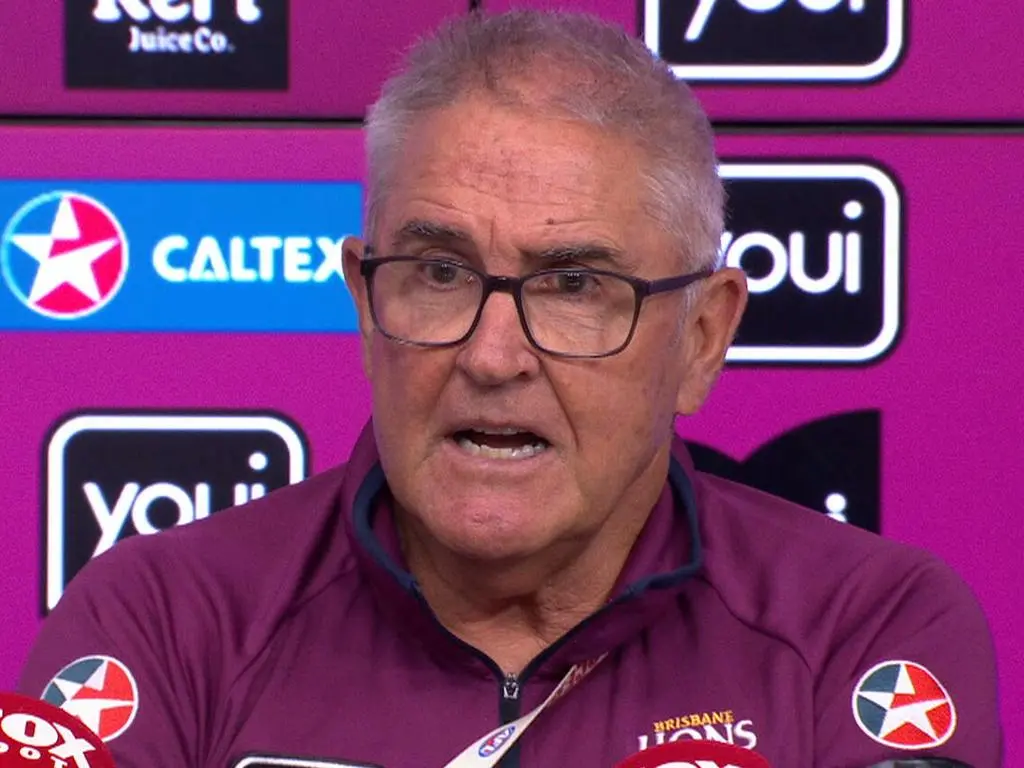
Yet here we are, less than a week later, and the story refuses to die. As Brisbane prepared to host Carlton in Round 9, the whiteboard saga dominated every press conference, every radio segment and every fan forum. The pre-game atmosphere at the Gabba was described by insiders as “tense” and “distracted”. Players arrived to a media contingent more interested in security protocols than match-ups. The club had already announced it would frost the glass panels inside its training facility to prevent any repeat photography — a visible, if reactive, admission that the previous safeguards had failed.
For a team that prides itself on elite standards and meticulous preparation, the symbolism was hard to ignore.
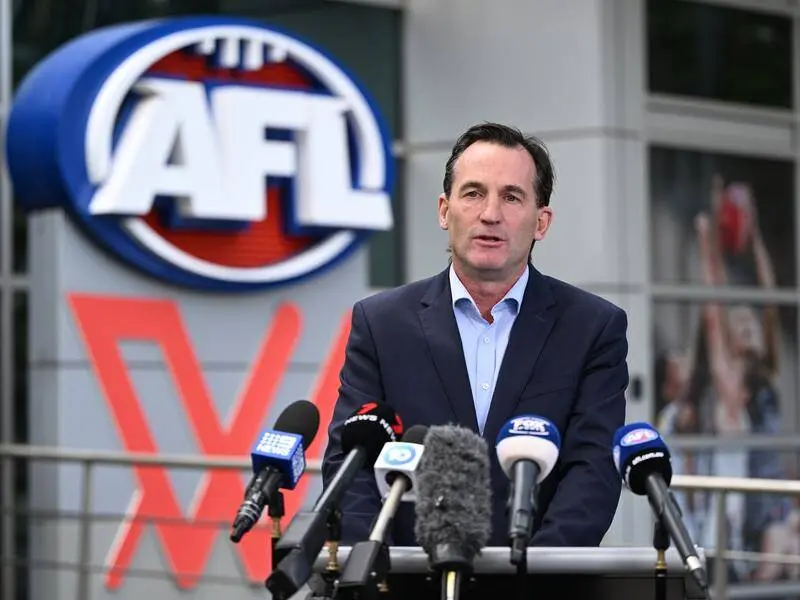
It is against this backdrop that Andrew Dillon’s reported frustration has emerged. The AFL’s top administrator has long emphasised the importance of clubs maintaining professional cultures and protecting the integrity of the competition. Leaks of this nature, he is understood to believe, do not just embarrass one organisation — they undermine the league’s image at a time when off-field behaviour is under constant scrutiny. Sources suggest Dillon had been reassured after the Essendon incident that Brisbane would implement immediate and lasting changes.
The fact that the same issue was still dominating headlines heading into the Carlton game has apparently left him questioning whether those assurances were genuine or merely damage-control rhetoric. “They promised… but nothing has changed” is the blunt assessment attributed to people familiar with Dillon’s thinking.
The suspicion of hypocrisy has been voiced more loudly in the days since. While Fagan maintained an unapologetic stance — telling reporters the club would “continue doing our whiteboard” because “every little thing matters” in a tough business — critics have pointed out the gap between the coach’s public defence of the process and the obvious lapse in basic security that allowed the photograph to escape. McCluggage’s admission that the club needed to “address its privacy and security” only reinforced the sense that promises of cultural and operational improvement were moving slower than the news cycle.
For a club that has positioned itself as a model of modern professionalism, the optics have been damaging.
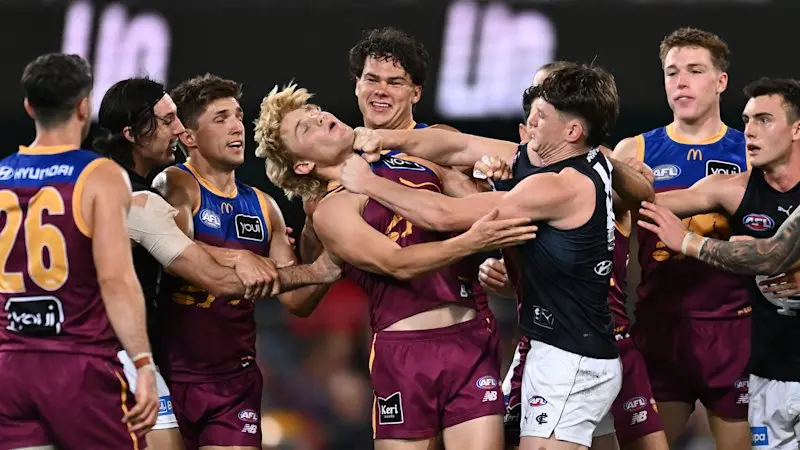
Carlton, ironically, arrived with their own baggage. The Blues had been hit with AFL sanctions over their handling of Elijah Hollands’ mental health episode, adding another layer of league-wide discomfort to the evening. Yet even that story was quickly swallowed by the Lions’ ongoing drama. When the final siren sounded on a hard-fought 11-point Brisbane victory — the premiers leading by as many as 49 points before a spirited Carlton fightback — the on-field result felt almost secondary. The real talking points remained off it.
What makes the situation particularly galling for many observers is how preventable it all seems. Opposition analysis on whiteboards is standard practice across every AFL club. The information itself was never the core problem; the failure to safeguard it was. Brisbane’s decision to frost their training-base glass is a practical fix, but it also serves as a tacit confession that something as simple as closing blinds or wiping boards had been overlooked. In an era of smartphones and instant social media, that oversight looks almost naïve.
The broader implications stretch beyond one club. If a two-time premier with a reputation for excellence can suffer such a breach, what does it say about smaller organisations with fewer resources? League-wide protocols around visitor access, device policies and internal information handling may now come under review. Dillon and his executive team are expected to use the incident as a catalyst for stronger guidelines, precisely because they are frustrated that one club’s lapse has once again forced the entire competition to defend its standards.
For Brisbane, the timing could not be worse. With a strong start to the season and genuine premiership aspirations, the last thing the Lions need is a self-inflicted distraction that lingers for weeks. The club has moved quickly to limit future risk, but the damage to perception is harder to repair. Fagan’s defiant “we did the right thing” line may play well inside the four walls at Springfield, yet it has fuelled external narratives of entitlement and a lack of accountability.
Round 9 was meant to be about football. Instead it became another chapter in the never-ending debate about what really goes on behind closed doors at elite sporting clubs — and whether the people in charge are truly committed to the changes they publicly promise. Andrew Dillon’s reported irritation suggests the AFL is no longer willing to accept assurances at face value. For the Brisbane Lions, the message is stark: the spotlight is not going away until the promises finally translate into lasting, visible improvement.
Until then, every whiteboard photo and every security lapse will continue to fuel the same weary refrain — they said things would change, but nothing has.