THE SEVERE PENALTY HAS FINALLY BEEN ISSUED
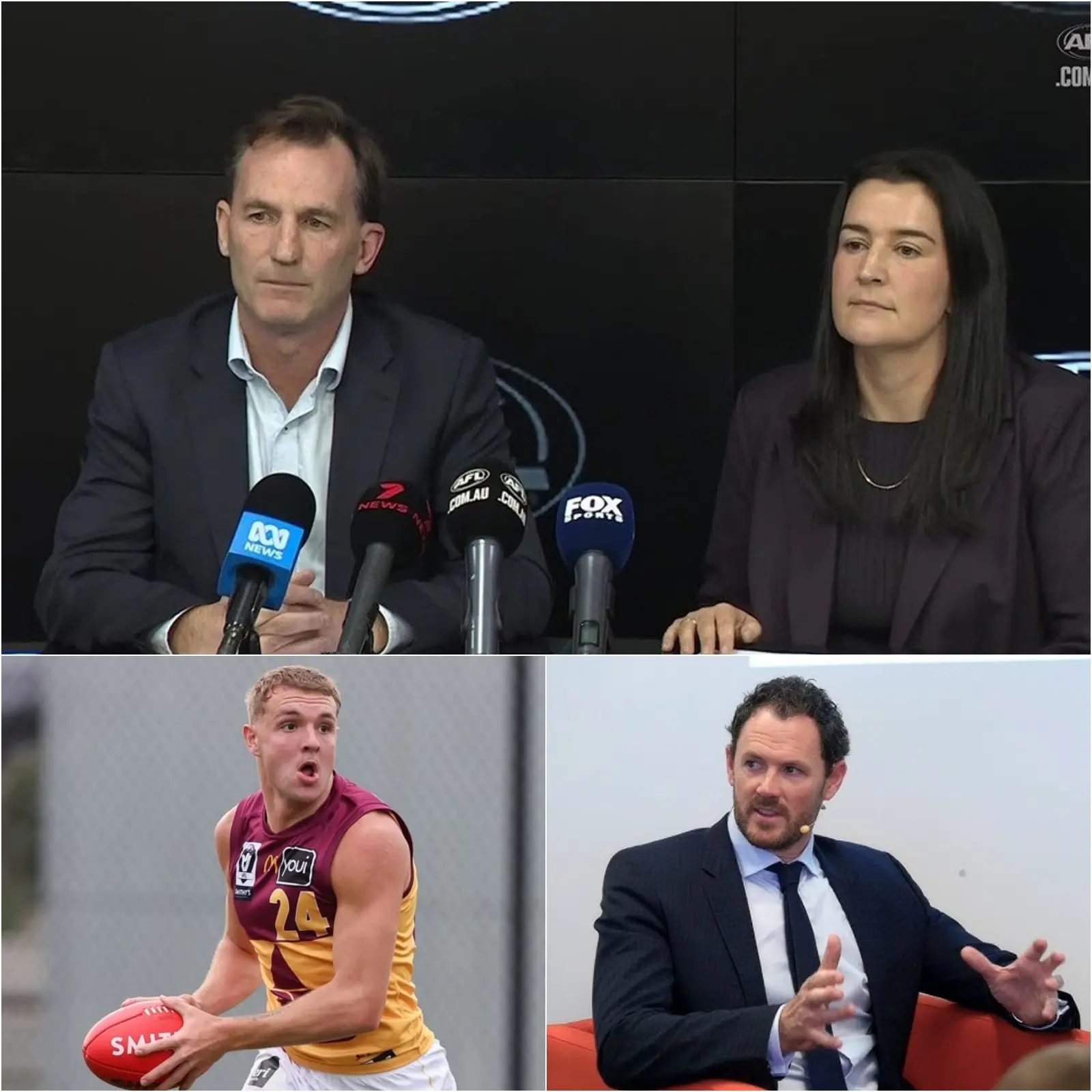
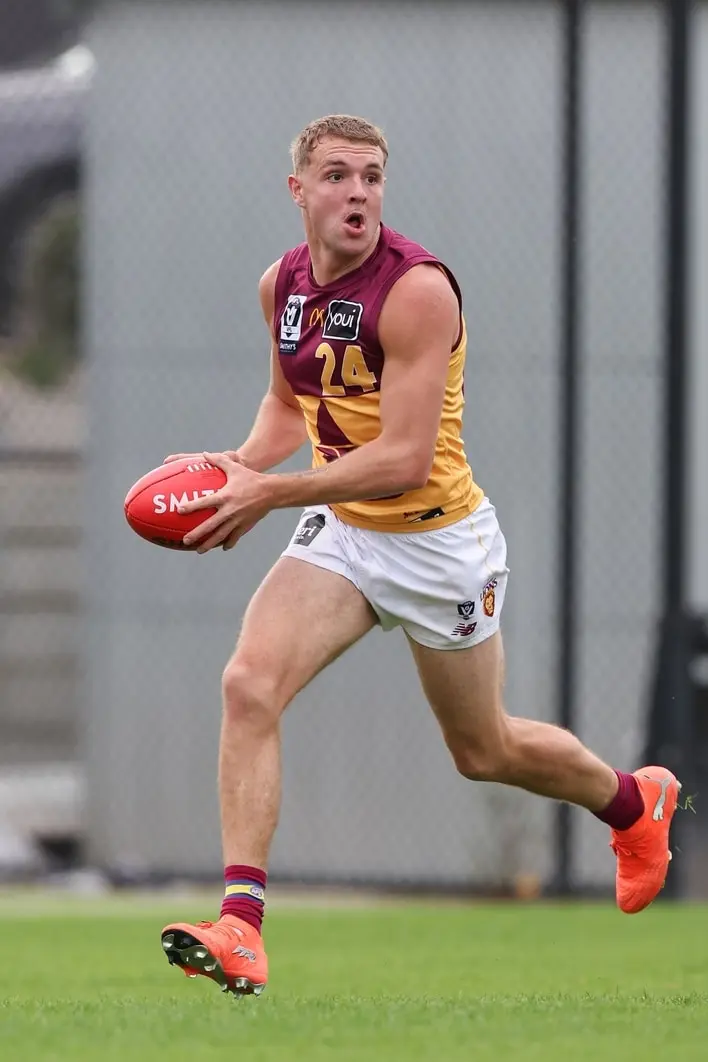
This morning, the Australian Football League took the extraordinary step of announcing the harshest penalty handed down to any player in recent memory, targeting Brisbane Lions young talent Koby Evans for directing homophobic and abusive language at an opponent during a VFL match last week. The 22-year-old midfielder has been suspended for 12 weeks, fined $50,000, and ordered to complete an intensive rehabilitation program that includes mandatory diversity training, counselling, and community outreach work focused on LGBTQ+ inclusion.
The decision, delivered after a full tribunal hearing, has sent ripples through the Australian sporting landscape and ignited fierce debate across social media, where the incident quickly became one of the most discussed topics of the week.
The events unfolded during a reserves-grade clash in which Evans was captured on broadcast footage and umpire audio using derogatory slurs that explicitly targeted the opposing player’s sexual orientation. The remarks came in the heat of a contested moment late in the third quarter and were described by witnesses as both personal and vicious. What distinguished the case was Evans’ own immediate response. Within hours of the final siren he contacted club officials, admitted the breach, and asked to be referred to the AFL’s integrity unit.
He also reached out directly to the player he had abused, issuing a private apology that was later confirmed by both parties. Despite this voluntary disclosure and clear remorse, the league determined that the gravity of the offence demanded an exemplary sanction designed to deter others and reinforce the AFL’s long-standing zero-tolerance stance on discrimination.
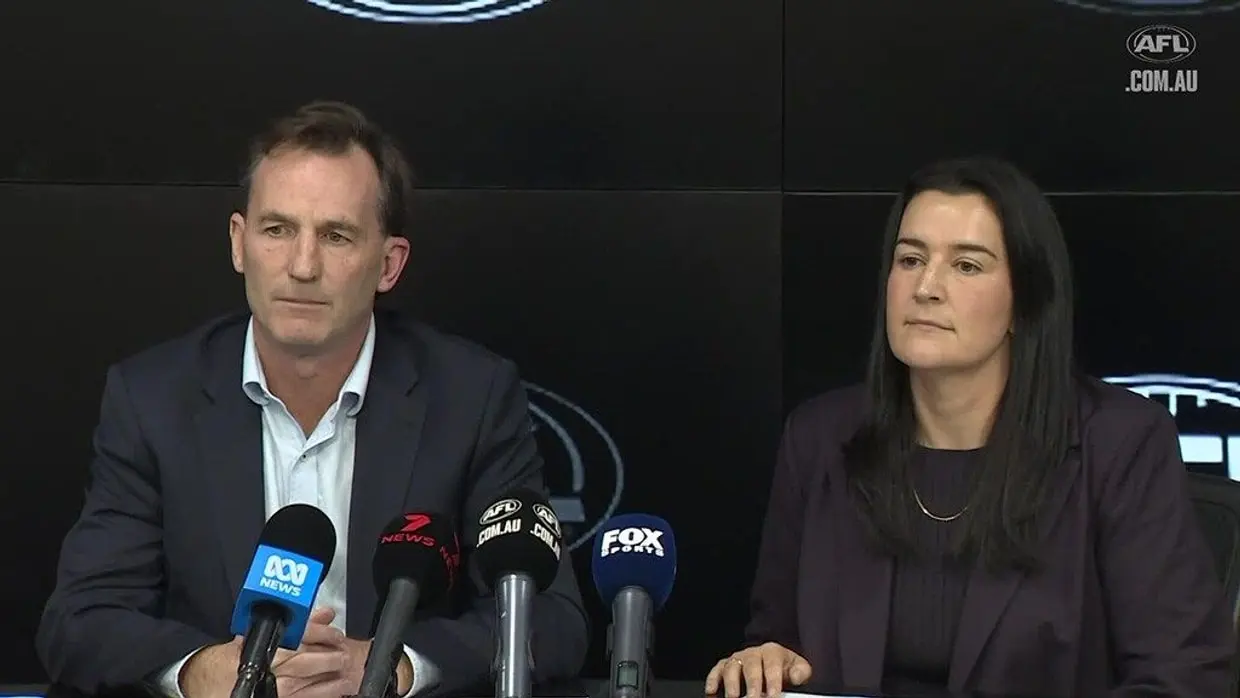
In its official release the AFL stated that while Evans’ cooperation was noted, “the protection of every participant and the preservation of a safe, respectful environment must remain paramount.” The penalty is understood to be the most severe ever applied for a first-time homophobic vilification offence, surpassing previous sanctions that typically ranged from four to eight weeks. League chief executive Andrew Dillon emphasised that the ruling sends an unambiguous message to players at every level: language of this nature will not be tolerated, regardless of context or subsequent contrition.
Advocacy organisations including Pride in Sport and the Australian Human Rights Commission welcomed the outcome, describing it as a necessary demonstration that the sport is serious about cultural change.
Social media erupted almost instantly. The video clip amassed millions of views within 24 hours, spawning hashtags such as #AFLAccountability and #NoPlaceForHate that trended nationally. Prominent voices from entertainment, politics and former players joined the conversation. Some praised the AFL for refusing to soften the penalty simply because Evans had self-reported, arguing that leniency would undermine years of education work. Others questioned whether the punishment was disproportionate for a young man who had shown immediate accountability, warning that overly punitive responses could discourage future self-reporting.
The debate revealed deep divisions within the football community about the balance between justice, rehabilitation and the intense pressures of elite competition.
Inside the Brisbane Lions, the announcement triggered an emergency board meeting that ran for more than three hours this afternoon. Club president Andrew Wellington chaired the session, which brought together the chief executive, head coach, player welfare staff and legal advisers. The agenda focused squarely on containing reputational damage, protecting sponsor relationships and deciding Evans’ long-term place at the club. The Lions have cultivated a progressive image in recent seasons, hosting pride rounds and partnering with inclusion charities. This incident threatens to erode that goodwill and has already prompted concerned correspondence from several corporate partners.
Sources close to the meeting said directors were united in their support for the AFL’s ruling but divided on the appropriate internal response, with some advocating a complete separation from Evans and others arguing for a structured pathway back if genuine behavioural change can be demonstrated.
A club statement released shortly after the meeting expressed “deep disappointment” while confirming full acceptance of the AFL sanction. “Koby has let himself, his teammates and our supporters down,” it read. “We will work closely with the league to ensure he receives the support and education necessary to become the person and player we know he can be, but only if that aligns with the values we hold as a club.” Evans has been stood down from all training and community duties with immediate effect.
His contract status remains under review, though the club has indicated it will not make any final decision until the conclusion of his suspension.
For Evans himself the coming months represent both a personal reckoning and a potential turning point. The former academy product had been viewed as a future AFL regular after a promising debut season marked by explosive pace and clean ball use. In a written statement released through his management he described his actions as “a shameful lapse” born of frustration and poor impulse control. “I own every word I said and the hurt it caused,” he wrote.
“I am committed to doing the hard work required to understand why I acted that way and to ensure it never happens again.” He has already begun sessions with a sports psychologist and will participate in a structured education program designed by the AFL’s inclusion team.
The case has prompted wider reflection across the league about the adequacy of current player education and mental-health support. Several current and former players privately acknowledged that the high-stakes environment of professional football can amplify emotions and that more proactive interventions are needed before incidents occur. The AFL has signalled it will accelerate rollout of enhanced communication and resilience training for all listed players in the 2026 pre-season.
Meanwhile, the incident has resonated beyond football, with commentators noting that sport remains a powerful mirror of societal attitudes and that decisive action by the nation’s biggest code carries weight far beyond the boundary line.
As the dust settles, attention now turns to the practical consequences. Evans will miss roughly one-third of the upcoming season, a significant setback for a player still establishing himself. The Brisbane Lions must navigate the remainder of the pre-season without one of their most exciting young prospects while managing internal morale and external perception. For the AFL the ruling reinforces its reputation as a league willing to make difficult calls in defence of its values, yet it also raises questions about the long-term effectiveness of punishment versus prevention.
In the days ahead more details will emerge about the exact conditions of Evans’ rehabilitation and whether the club ultimately retains him. What is already clear, however, is that this penalty marks a defining moment. It affirms that in Australian football, respect is not optional and that even genuine remorse cannot erase the consequences of crossing the line. For Koby Evans the road back will be long and public. For the sport he represents, the message delivered this morning is unmistakable: the era of tolerance for discrimination, however brief the lapse, is over.