BHA BREAKING NEWS: Identity revealed of jockey banned from competition, trainer fined thousands of pounds, and horse with 50-1 odds banned from competition for 40 days after judges condemned the rider’s controversial performance.
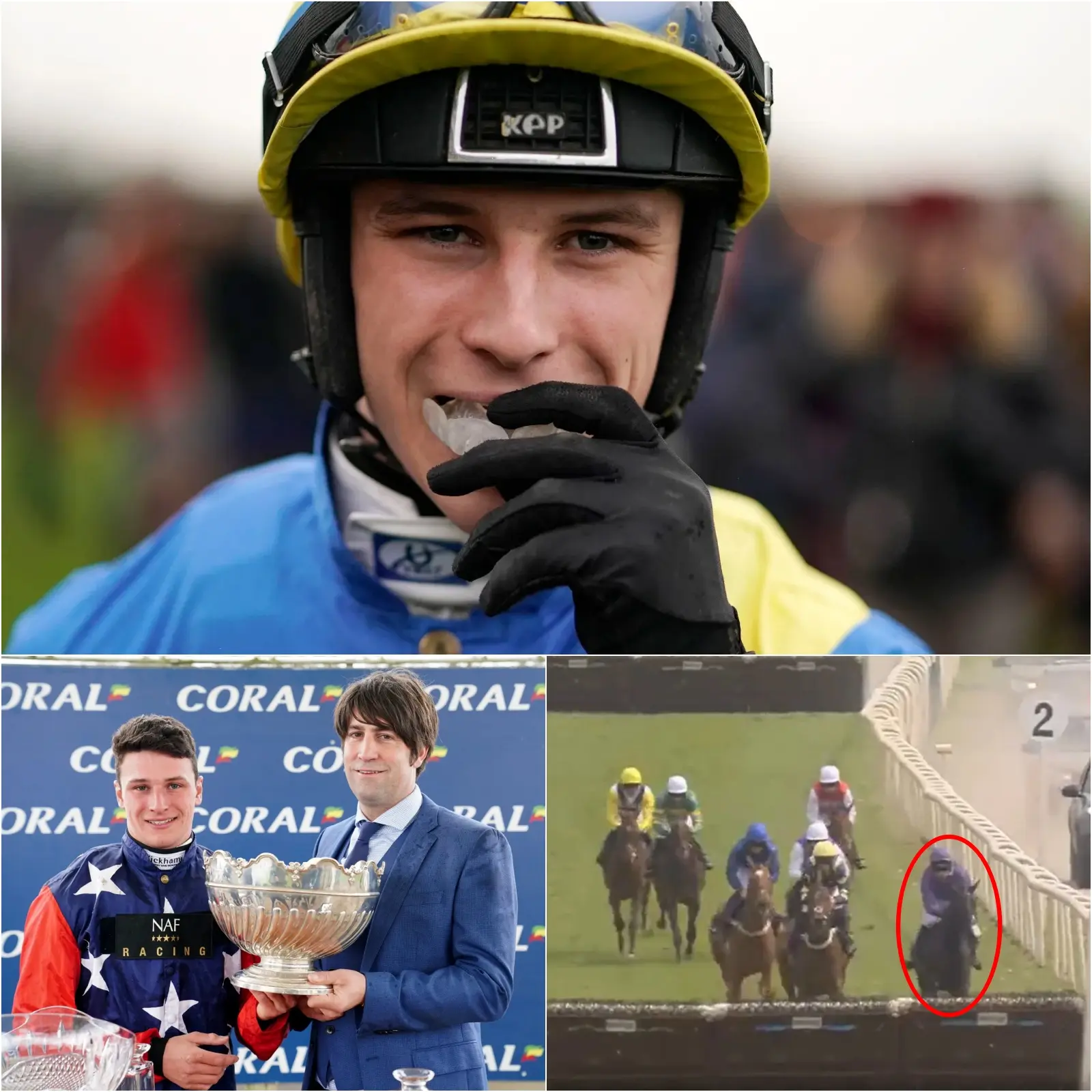
In a major development that has rocked the British jumps scene, the British Horseracing Authority has now fully revealed the identity of the jockey at the centre of a highly controversial ride that took place at Uttoxeter on Saturday, May 2. Jack Tudor, the experienced professional who partnered the 50-1 outsider Annual Invitation in the 13:55 2m maiden hurdle, has been handed a 14-day suspension from riding. His trainer, Christian Williams, was fined £3,000, while the horse itself has been banned from competing for 40 days under the strict non-trier rule.
The stewards’ panel delivered a damning verdict, ruling that the performance fell well short of the standards expected in a competitive race and amounted to little more than schooling and conditioning on the track.
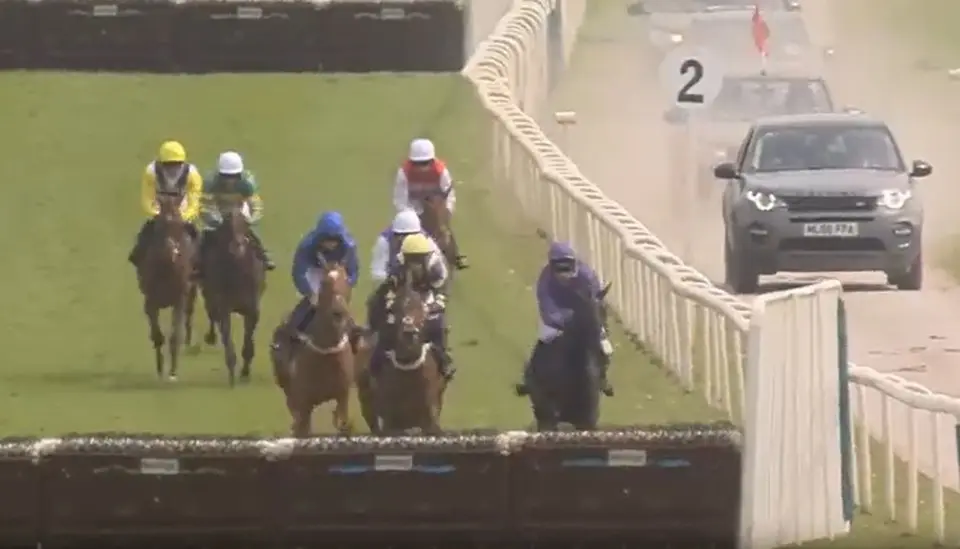
The afternoon at Uttoxeter had begun like many others on the Midlands circuit. Seven runners lined up for the Class 4 maiden hurdle over two miles on good ground. Annual Invitation, a five-year-old gelding owned by Sue Howell and making only his third start over obstacles, was sent off at the generous price of 50-1. Connections had spoken quietly beforehand about the horse being a work in progress, but few in the paddock or on the betting exchanges anticipated the manner in which events would unfold.
From the moment the tapes went up, Tudor settled his mount at the rear of the field. The gelding jumped the early hurdles safely enough but showed no real enthusiasm to close the gap on the leaders. As the race progressed into the back straight, Annual Invitation remained detached, some ten to twelve lengths off the pace, with Tudor appearing to take a firm hold rather than asking for an effort.
It was only after the field had jumped the third last that any change in tactics became apparent. Annual Invitation was finally given a reminder and began to pass two beaten rivals, finishing fifth, beaten just over 24 lengths by the comfortable winner Final Surprise. To the naked eye it looked like a horse that had been deliberately held up for the majority of the contest before being asked to make a token late effort. Racegoers in the stands and those watching on television immediately sensed something was amiss.
Social media lit up within minutes, with punters who had taken the 50-1 odds expressing their frustration and stewards already making their way to the unsaddling area.

The official inquiry began almost immediately after the race. Tudor was asked to explain the ride in detail. He told the panel that Annual Invitation is “a very keen going sort who is difficult to ride at home” and that the instructions from the trainer had been to ensure the horse finished the race and gained valuable experience. Christian Williams, who was interviewed by telephone from his Bridgend base, confirmed that the primary aim had been to school the gelding on the racecourse rather than to chase a placing on what was still an immature performer.
The stewards listened carefully but ultimately rejected the explanations. In their written findings they stated that the ride constituted “schooling and conditioning the horse on the racecourse” and that the instructions had been too narrowly focused on simply getting the gelding round rather than obtaining the best possible position. Under the BHA’s non-trier rule, such a finding carries automatic consequences: the horse is suspended for 40 days, the jockey faces a suspension, and the trainer is liable for a significant fine.
The 40-day ban on Annual Invitation means the gelding will miss the remainder of the spring and early summer campaign, with connections now looking towards a return in early June at the earliest. For a horse that had shown promise in his previous runs, the enforced lay-off represents both a frustration and an opportunity for further education at home.
Trainer Williams accepted the fine of £3,000 without public complaint, although those close to the yard have indicated that the financial penalty, combined with the loss of a runner at a time when the stable is trying to build momentum, will hurt. Williams has long been respected for his patient approach with young jumpers, but this case serves as a reminder that the BHA draws a firm line between legitimate education and performances that undermine the integrity of betting and the sport’s reputation.
Jack Tudor’s 14-day suspension is effective immediately and will see him miss a number of booked rides over the next fortnight. The 30-year-old rider, who has built a solid career in the jumps sphere with over 300 winners to his name, now faces a period of reflection. While he retains the support of many within the weighing room, the ban will undoubtedly affect his momentum at a crucial stage of the season.
Tudor has always been regarded as a strong and honest rider, yet the stewards made it clear that even experienced professionals cannot escape scrutiny when a performance raises legitimate questions.
The BHA has been quick to emphasise that this decision was reached after a thorough review of all available evidence, including race footage, sectional timing data, and the accounts of those involved. A spokesperson for the authority stated that protecting the integrity of racing remains the organisation’s top priority and that every ride which appears questionable will continue to be examined rigorously. The case has also prompted renewed discussion within the industry about the fine line between schooling a young or keen horse and delivering a competitive performance.
Some trainers have privately expressed concern that the ruling could make it harder to give inexperienced horses the necessary racecourse experience without fear of sanction, while others have welcomed the clarity it provides.
Punters who backed Annual Invitation at 50-1 have every right to feel aggrieved. In an era when transparency is paramount, performances that look deliberately restrained damage confidence in the betting product. The BHA’s betting integrity team reviewed the market activity around the horse and found no evidence of suspicious patterns, but the damage to public perception is already done. Racing relies on the belief that every horse is trying its best; when that belief is shaken, attendances and turnover can suffer in the long term.
Looking ahead, Annual Invitation will return to the Williams yard for a period of quiet schooling and conditioning away from the public eye. Connections remain optimistic that the gelding has ability and that this episode will ultimately prove beneficial once he matures. Jack Tudor, meanwhile, will use the enforced break to stay fit and review his rides, while Christian Williams will focus on the rest of his string as he seeks to put the fine behind him.
The 40-day clock on the horse has already started ticking, and by early June the racing world will be watching closely to see whether Annual Invitation can put this chapter firmly in the past.
This latest BHA ruling once again demonstrates that no rider, trainer or horse is above the rules designed to safeguard the sport. As the summer jumps season gathers pace, the message from Portman Square is unmistakable: controversial performances will be investigated thoroughly, identities will be revealed, and appropriate sanctions will follow. For now, the focus shifts back to the track, but the echoes of the Uttoxeter inquiry will linger for some time to come.
British racing has always prided itself on its integrity; cases like this serve as both a warning and a reassurance that the guardians of the sport are prepared to act decisively when that integrity is called into question. The coming weeks will reveal whether the lessons learned here lead to a stronger, more transparent future for everyone involved in the game.