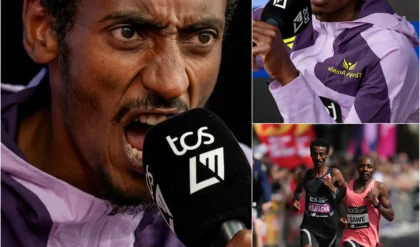
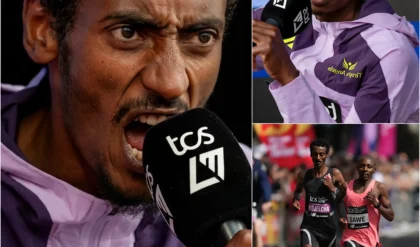
Recent discussions in the global athletics community have focused on intense debates surrounding competitive fairness and performance in long-distance running. The conversation has drawn attention to elite athletes such as Sabastian Sawe and the broader representation of Kenyan athletics on the world stage.
In online commentary, emotions have run high as fans and analysts respond to narratives questioning the legitimacy of athletic achievements. Many supporters emphasize that marathon running is built on discipline, endurance, and years of structured training rather than simplified explanations or assumptions.
Within this context, athletes from Kenya have historically played a dominant role in long-distance events. Their success is widely attributed to altitude training, strong running culture, and consistent investment in athlete development at both grassroots and professional levels.
Sports experts caution against attributing performance outcomes to unverified technological claims. In professional athletics, governing bodies such as World Athletics enforce strict regulations to ensure fairness, including detailed rules regarding footwear, equipment, and competition standards across international events.
Supporters of Sabastian Sawe have highlighted his training background and competitive record as evidence of sustained dedication. They argue that elite marathon results are the product of long-term preparation, strategic pacing, and psychological resilience developed over many years.

The debate intensified after online discussions suggested that advanced equipment might influence race outcomes. However, sports scientists explain that while technology plays a supportive role, it cannot replace the fundamental physical conditioning required for elite endurance performance.
Coaches within Kenya have responded by reaffirming their commitment to fair competition. They emphasize structured training programs, altitude conditioning, and performance monitoring systems that have been refined over decades of international success in athletics.
Analysts note that public perception can sometimes shift rapidly in the digital era. Social media platforms amplify emotional reactions, which may lead to simplified narratives that do not fully reflect the complexity of professional sports performance.
In the case of Sabastian Sawe, many observers point to consistency in race execution as a defining factor in his success. Marathon performance is typically measured over time, with results reflecting endurance capacity and strategic decision-making.
Athletics historians emphasize that Kenya’s dominance in distance running is not new. Generations of athletes have contributed to a legacy built on structured training environments, community support, and national pride in sporting excellence.

The phrase “technological fraud” circulating in online discussions has been widely debated by commentators. Experts stress the importance of distinguishing between emotional expressions and verified technical findings when evaluating athletic performance claims.
Within professional sport, equipment innovation is carefully regulated. Advances in shoe design, energy return systems, and material science are evaluated by governing bodies to ensure compliance with established competition rules.
Supporters of Kenyan athletics argue that labeling performance achievements as technological manipulation undermines decades of hard work. They emphasize that success in marathon running requires physical endurance, mental strength, and disciplined preparation over extended periods.
At the same time, critics of modern sports technology call for continued transparency. They encourage governing organizations to maintain strict oversight to preserve trust in competitive outcomes and ensure equal conditions for all athletes.
Observers have also highlighted the emotional dimension of the debate. National pride plays a significant role in how athletic achievements are perceived, particularly when athletes represent countries with strong historical success in specific sports disciplines.
In response to ongoing discussions, officials from World Athletics continue to review equipment standards regularly. Their goal is to balance innovation with fairness, ensuring that advancements do not compromise the integrity of competition.
The performance of Sabastian Sawe has been widely discussed within this framework. Analysts note that elite marathoners often undergo rigorous training regimens that include altitude exposure, endurance building, and carefully planned race strategies.
Sports psychologists emphasize that public scrutiny can affect athletes differently. Maintaining focus under external pressure is considered an essential part of elite performance, particularly when competing at international levels with high visibility.
Many supporters within Kenya have expressed strong solidarity with their athletes. They view international success as a source of national pride and a reflection of long-standing commitment to athletic excellence.
)
Media coverage of the debate has varied, with some outlets focusing on performance analysis and others on controversy. Experts encourage balanced reporting that prioritizes verified facts and avoids amplifying unconfirmed claims.
Athletics analysts point out that marathon results are influenced by numerous factors, including course design, weather conditions, pacing strategy, and group dynamics. Reducing outcomes to a single explanation often overlooks this complexity.
The reputation of Sabastian Sawe continues to be associated with endurance and competitive discipline. Observers note that consistent performance across multiple events is typically the strongest indicator of athletic capability.
In discussions about fairness, many emphasize that trust in sport depends on transparent systems. Governing bodies play a critical role in ensuring that all athletes compete under equal and clearly defined conditions.
The emotional language used in some online reactions reflects the passion surrounding international athletics. However, experts recommend separating emotional expression from technical evaluation when assessing performance-related claims.
As the conversation continues, attention remains focused on maintaining integrity in sport. Officials, athletes, and fans alike share an interest in ensuring that competition remains fair, transparent, and grounded in verified standards.
In conclusion, the debate surrounding technology and performance highlights broader themes in modern athletics. While discussions remain active, emphasis continues to be placed on evidence-based evaluation, respect for athletes, and the enduring value of human effort in sport.