In the shadow of one of Britain’s most iconic sporting spectacles, a stark warning has emerged for the future of horse racing. Zack Polanski, the leader of the Green Party, continues his aggressive campaign to ban the sport entirely, framing it as little more than institutionalized animal cruelty. Yet the 2026 Grand National at Aintree has delivered a powerful rebuttal, showcasing not only the enduring passion of millions of fans but also the industry’s massive economic footprint — one that Polanski’s proposals would devastate to the tune of £4.1 billion annually for the British economy.
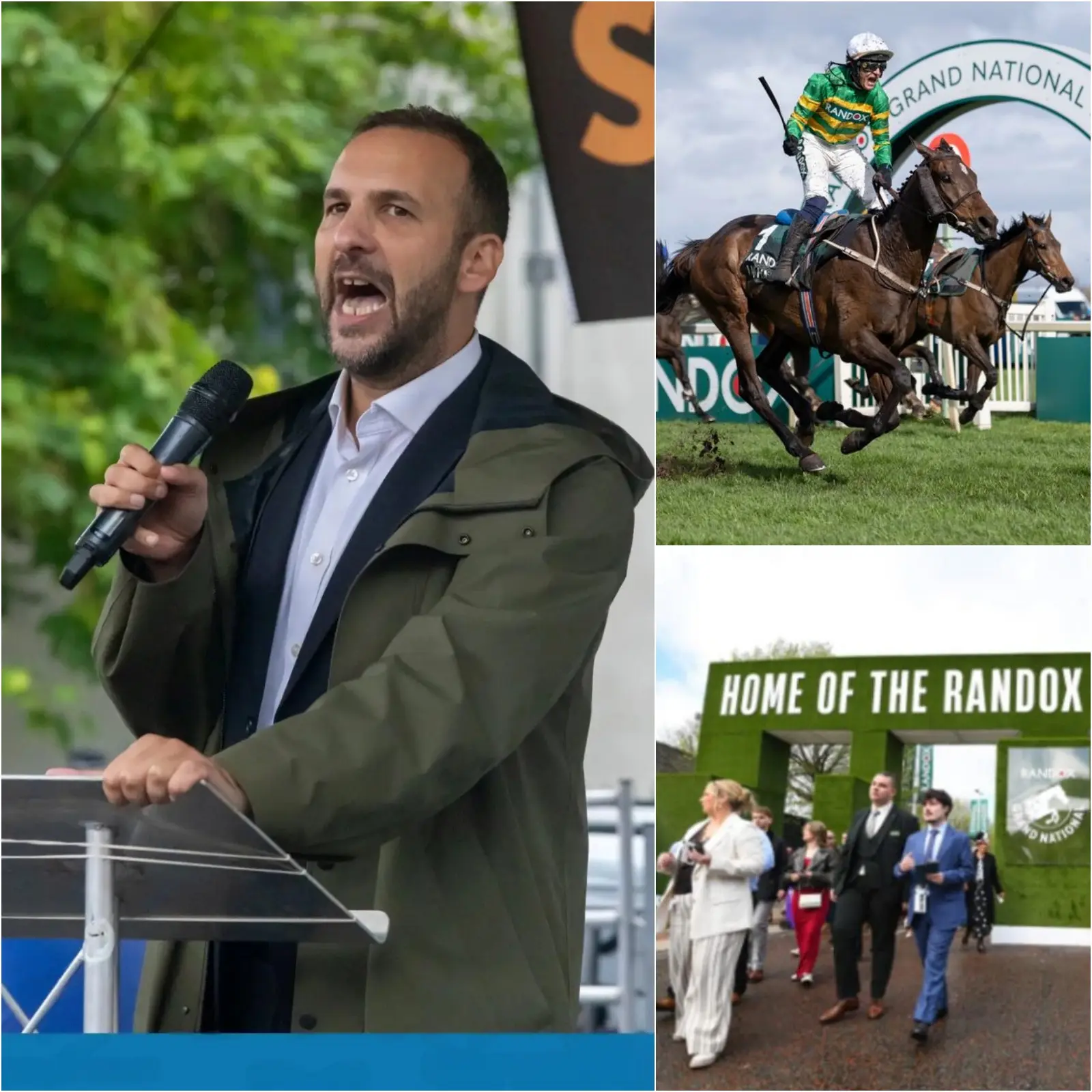
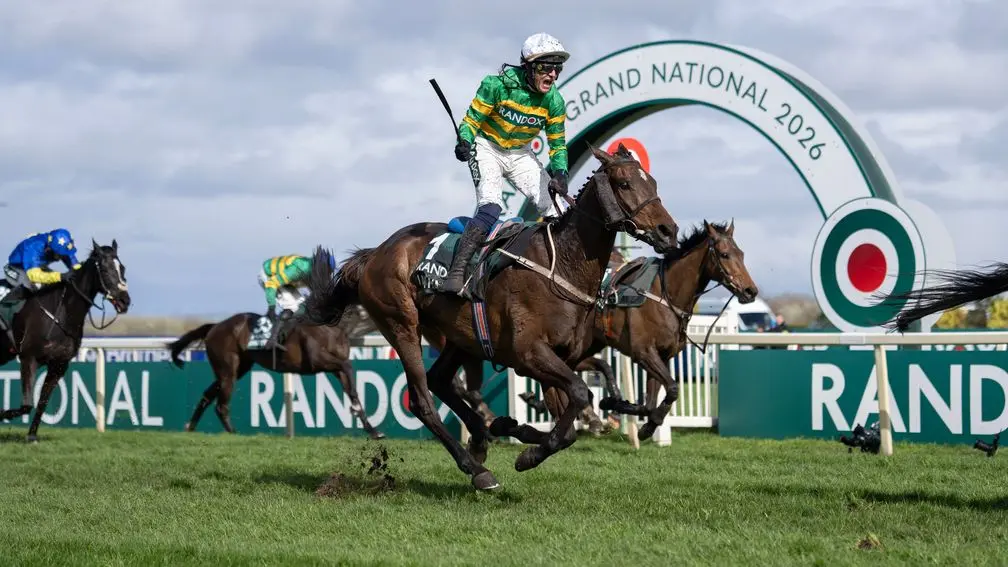
The Grand National remains a national treasure, a thrilling test of courage, skill, and endurance that captivates audiences far beyond the racecourse. This year’s running once again drew huge crowds to Liverpool, with the three-day Aintree festival injecting around £60 million directly into the local economy through tourism, hospitality, and related spending. Globally, the event reached hundreds of millions of viewers, cementing its status as one of the world’s most-watched horse races. On ITV alone, peak audiences hit 5.2 million, underscoring the sport’s broad appeal across demographics.
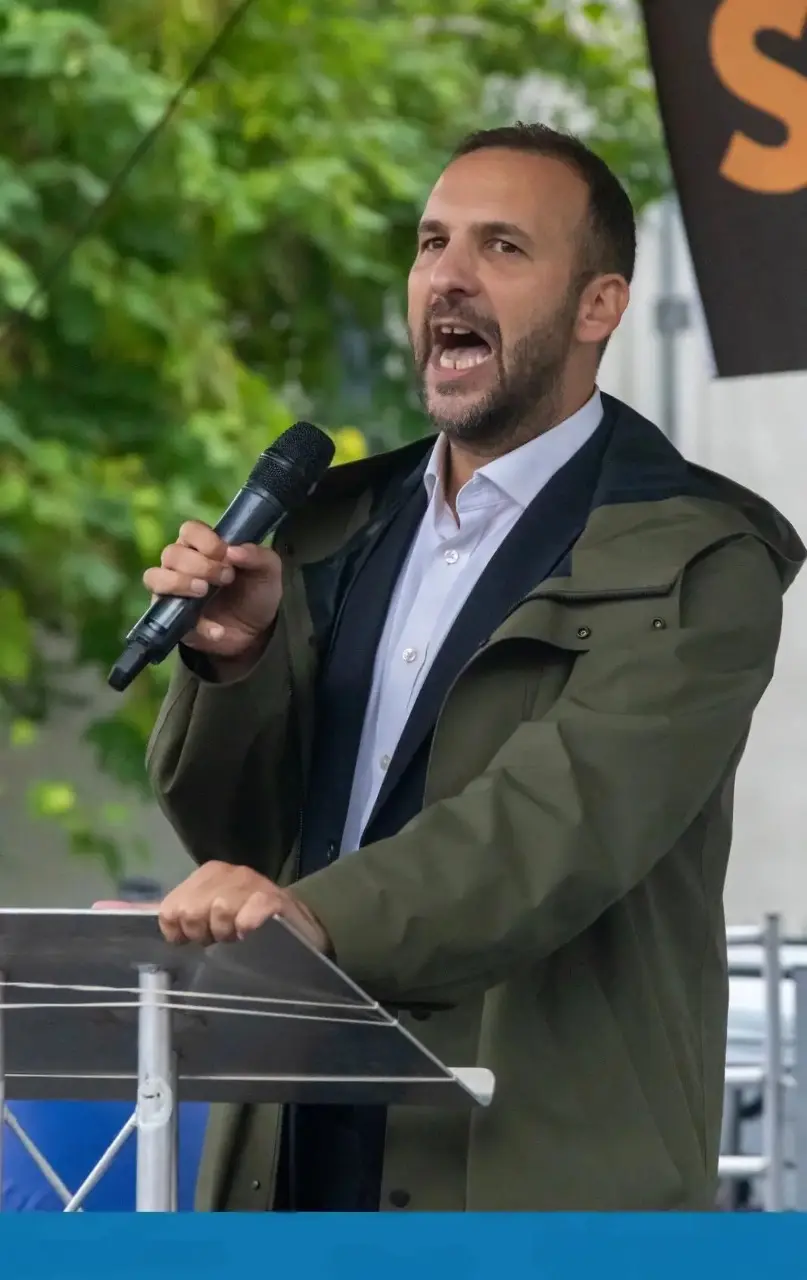
Polanski, however, sees none of this value. In statements from 2024 that he has not retracted, the Green leader called for the complete abolition of horse racing, declaring that “there’s something deeply wrong with society when this is considered a sport” and urging the removal of all animals from sporting activities. His timing, amplified just ahead of the National, appears calculated to exploit any incident on the track for political gain. Yet the race itself unfolded as a celebration of equine athleticism and human dedication, with strong finishers and a festival atmosphere that highlighted the industry’s commitment to welfare improvements.
Critics like Polanski often focus narrowly on risks inherent to any high-stakes sport, ignoring the rigorous standards that have evolved in British racing. Modern racecourses employ advanced veterinary teams, improved track surfaces, and stricter safety protocols. Fatalities, while tragic when they occur, have declined significantly due to these measures. The sport’s defenders point out that horses bred for racing receive exceptional care — superior nutrition, veterinary attention, and living conditions that far exceed those of many companion animals.
Banning the industry would not save horses; it would consign thousands to uncertain futures, as breeding programs tied to racing sustain the thoroughbred population.
The economic argument against Polanski’s vision is even more compelling. British horse racing contributes £4.1 billion to the UK economy each year when including direct, indirect, and induced effects. This encompasses everything from breeding and training to betting, media rights, and tourism. The sector supports over 85,000 jobs, many in rural areas where alternative employment opportunities are limited. It generates substantial tax revenue — hundreds of millions annually — that funds public services. Aintree’s Grand National weekend alone exemplifies this multiplier effect, with visitors filling hotels, restaurants, and local businesses across Merseyside.
Betting turnover on the National routinely exceeds £150 million, sometimes reaching £250-350 million, making it a cornerstone event for the wider gambling and leisure industries. Without racing, this revenue stream would collapse, hitting bookmakers, punters, and the levy system that reinvests into the sport and welfare initiatives. Polanski’s ban would punch a £4.1 billion hole in the economy, according to industry analyses, threatening livelihoods from Newmarket’s stud farms to small trainers across the country.
Fans were quick to voice their shock and opposition. Social media erupted with messages of defiance following the Grand National, many tagging Polanski directly to express disbelief that a politician would seek to erase such a cherished cultural institution. “The Grand National is Britain at its best — tradition, excitement, and community,” one attendee posted. Families, friends, and first-time racegoers packed the stands, enjoying not just the racing but the shared experience that brings people together across class lines. This is no elitist pastime; it is a democratic spectacle enjoyed by millions.
Polanski’s position reflects a broader ideological discomfort with traditional British pursuits. As a vegan activist turned party leader, his views extend to opposing equestrian events in the Olympics and other animal-involved sports. Yet this puritanical stance overlooks the nuanced reality of human-animal partnerships that have defined cultures for centuries. Horse racing has evolved with welfare at its core, with organizations like the British Horseracing Authority investing heavily in research, retraining programs for retired horses, and traceability initiatives.
Trainers have extended olive branches amid the controversy. Leading figures like Nicky Henderson invited Polanski to visit their yards to witness firsthand the care lavished on equine athletes. Such offers highlight a key disconnect: those calling loudest for bans often lack practical understanding of the industry they condemn. Racing is not a faceless corporate machine but a network of passionate individuals — breeders, grooms, jockeys, and owners — who dedicate their lives to these magnificent animals.
The Grand National’s success this year serves as a timely reminder of what is at stake. Far from the “heartless spectacle” portrayed by critics, it was a showcase of resilience, with competitors pushing the boundaries of what horses and riders can achieve together. Improvements in course design, veterinary oversight, and participant selection have made the event safer while preserving its legendary challenge. Fans left Aintree inspired, not outraged, reinforcing public attachment to the sport.
Public opinion remains divided, with polls showing a split on outright bans. Many Britons value tradition and recognize racing’s economic and social contributions. Others, influenced by selective campaigning, express concerns about welfare. The solution lies in continued reform, not destruction. The industry has demonstrated its willingness to adapt — reducing field sizes where appropriate, enhancing monitoring, and prioritizing horse longevity.
Zack Polanski’s crusade risks alienating vast swathes of the public who see horse racing as integral to British heritage. By attempting to “trick” the country into supporting a ban through emotive rhetoric, he underestimates the intelligence and affection ordinary people hold for the sport. The Grand National has proven, once again, why this industry deserves protection, not prohibition. It delivers joy, economic vitality, and a unique connection between humans and horses that enriches lives.
As the dust settles on another memorable Aintree meeting, the message is clear: horse racing is worth fighting for. Its £4.1 billion contribution is not just numbers on a balance sheet — it represents jobs preserved, communities sustained, and traditions kept alive. Polanski must be stopped before his vision inflicts irreversible damage. Britain’s racing heart beats strong, and the nation’s fans have shown they intend to keep it that way.