The Brisbane Broncos entered the 2026 National Rugby League season with the weight of expectation that naturally follows a premiership campaign, yet the early rounds have demonstrated how quickly circumstances can shift in a competition as physically demanding as the NRL. Rather than enjoying a smooth continuation of their success, the club has been required to confront a series of practical challenges, most notably in the areas of player availability, squad depth, and week-to-week consistency.
These factors, while not uncommon in professional rugby league, have combined to shape a period of adjustment for a team still widely regarded as one of the competition’s strongest contenders.
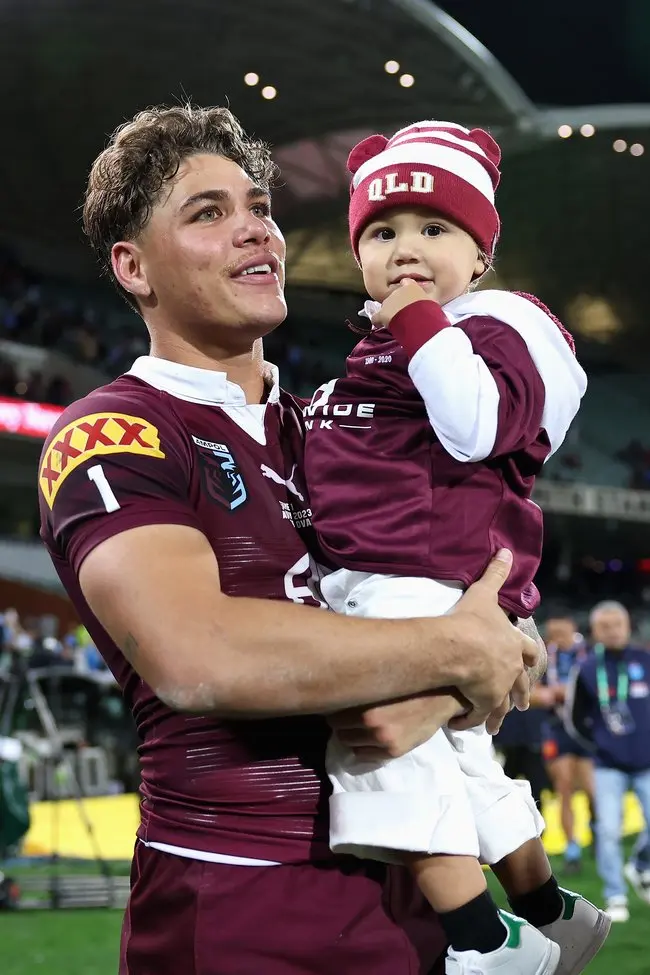
A defining feature of Brisbane’s current situation is the growing list of injuries and suspensions affecting key members of the squad. In recent weeks, the club has had to manage the absence or limited availability of several influential players across different positions. Reports indicate that multiple players have been unavailable simultaneously, forcing coaching staff to make ongoing adjustments to the team structure. This has created a scenario in which continuity—a critical element in rugby league performance—has been difficult to maintain.
Among the most closely monitored cases is that of Adam Reynolds, whose experience and leadership remain central to the Broncos’ identity. Reynolds has been working his way back from injury and is considered a strong chance to return, pending final fitness assessments. His importance to the side extends beyond his technical abilities; he provides composure, direction, and a tactical framework that younger players often rely upon. Current indications suggest that he has resumed training and is progressing well, though the club continues to take a cautious approach to ensure he is fully prepared before returning to match conditions.

The situation at hooker has also drawn attention, particularly with Cory Paix dealing with concussion protocols. The NRL’s strict guidelines require independent medical clearance before a player can return, and while the Broncos have expressed confidence in Paix’s chances of being approved, the final decision remains subject to medical evaluation. This process reflects the league’s broader emphasis on player welfare, even when it complicates short-term team selection.
Compounding these issues is the absence of other players in the same positional group, including Blake Mozer, who is expected to spend an extended period on the sidelines due to a jaw injury. The result has been a shortage of specialist options in key roles, prompting the coaching staff to explore alternative solutions, including the potential introduction of less experienced players into the starting lineup. In some cases, this has accelerated the development timeline for emerging talent, offering opportunities that may not have arisen under different circumstances.
The broader injury landscape extends beyond the spine. Players such as Reece Walsh have also been affected, with Walsh previously sidelined due to a cheekbone injury that required surgery and a recovery period of several weeks. His absence has had a noticeable impact on the team’s attacking structure, given his pace, creativity, and ability to break defensive lines. Similarly, forward Patrick Carrigan has missed matches due to suspension, removing a key component of the team’s forward leadership and defensive stability.
These challenges have inevitably influenced on-field results. The Broncos have shown periods of strong attacking football but have also experienced inconsistency, particularly in defensive execution. A recent narrow loss highlighted both the team’s potential and the fine margins that can determine outcomes at this level. Despite scoring opportunities and maintaining competitiveness throughout the match, lapses in key moments ultimately proved costly. Such results are not uncommon during phases of disruption, but they reinforce the importance of cohesion and communication within the squad.
In response, head coach Michael Maguire has emphasized adaptability and resilience. Maguire, known for his structured and disciplined approach, has been required to adjust his strategies to suit the available personnel. This includes reconfiguring combinations in the halves, experimenting with different forward rotations, and integrating younger players into the system. While these adjustments can present short-term challenges, they may also yield long-term benefits by broadening the team’s depth and experience.
One notable development has been the increased involvement of emerging players such as Tom Duffy, who has stepped into the halves during periods when Reynolds has been unavailable. Duffy’s performances have been viewed as encouraging, particularly given the pressure associated with filling a role typically occupied by one of the competition’s most experienced playmakers. His progression reflects the club’s broader commitment to developing internal talent and ensuring continuity beyond the current generation of senior players.
The anticipated return of key figures could provide a significant boost in the coming weeks. Reynolds’ potential inclusion would restore an important leadership presence, while the clearance of Paix would help stabilize the hooking role. Additionally, the gradual return of players from injury across the squad is expected to improve both depth and competition for positions. However, the timing of these returns remains critical, as the team seeks to build momentum during a demanding portion of the season.
Off the field, the club has also navigated internal changes, including the departure of assistant coach Ben Te’o earlier in the year following reported disagreements over tactical direction. While such developments can create uncertainty, the Broncos have maintained a focus on continuity and professionalism, reinforcing their commitment to long-term objectives. The situation has also highlighted the pressures associated with maintaining high performance standards in a premiership-defending environment.
Looking ahead to upcoming fixtures, including a scheduled clash with the Wests Tigers, the Broncos face an important opportunity to consolidate their form. The Tigers, themselves dealing with their own selection considerations, present a competitive challenge that will test Brisbane’s adaptability and execution. The outcome of such matches often hinges on the ability to manage key moments effectively, an area where the return of experienced players could prove decisive.
From a broader perspective, the Broncos’ current phase can be viewed as part of the natural cycle experienced by successful teams. Maintaining peak performance over multiple seasons requires not only talent but also depth, flexibility, and effective management of physical demands. While injuries and disruptions can temporarily affect results, they also provide opportunities for growth and reinforcement of squad resilience.
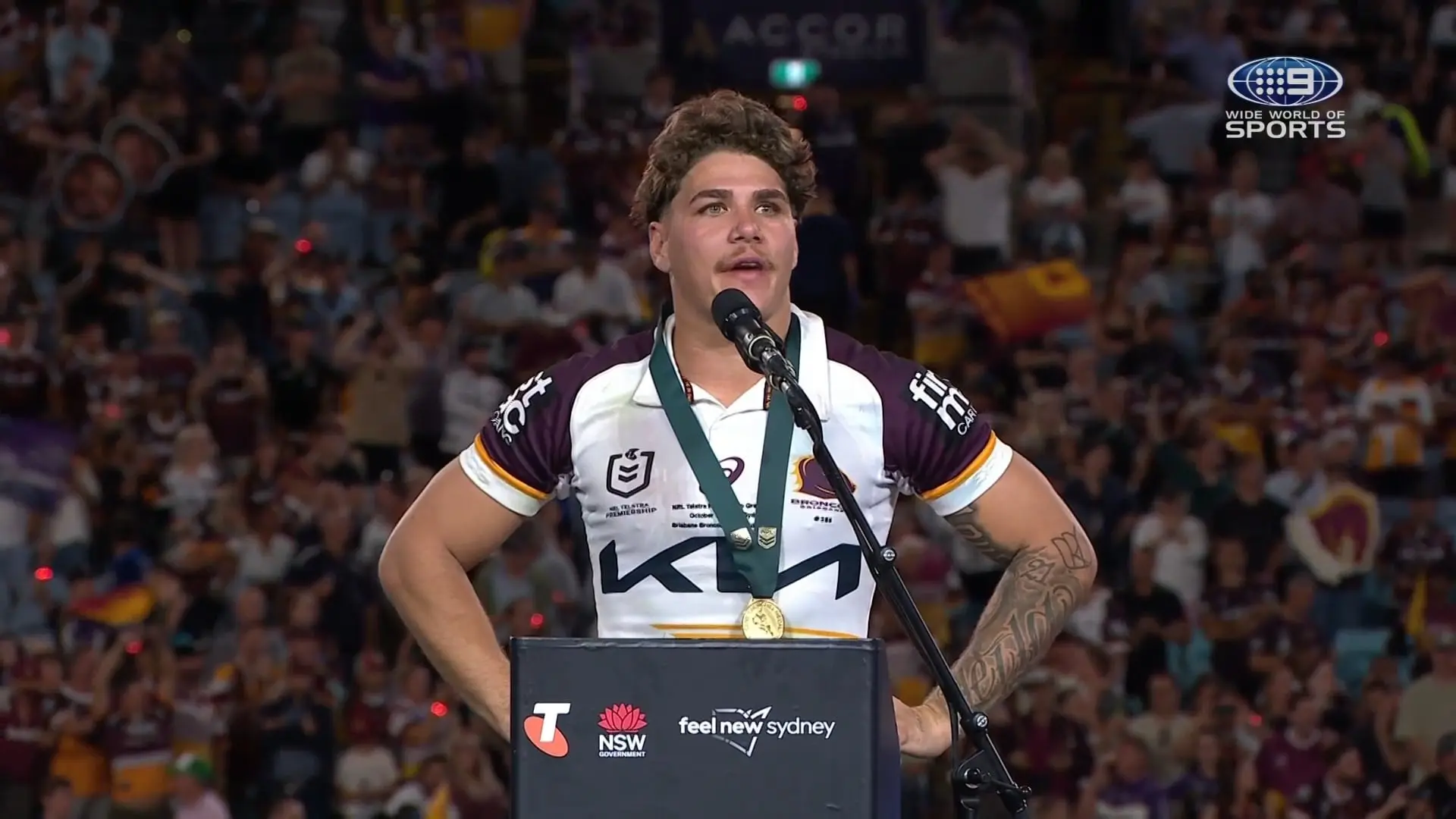
The club’s long-term outlook remains positive. The combination of established leaders, emerging talent, and a structured coaching approach provides a solid foundation for sustained competitiveness. The key challenge lies in navigating the present period effectively, ensuring that the team remains within reach of the competition’s leading positions while gradually restoring its full complement of players.
In conclusion, the Brisbane Broncos’ 2026 campaign to date reflects a balance of challenge and opportunity. The impact of injuries and suspensions has required ongoing adaptation, yet the team has continued to demonstrate resilience and potential. With key players nearing a return and younger members gaining valuable experience, the Broncos are positioned to strengthen as the season progresses. Their ability to translate these developments into consistent performances will ultimately determine how successfully they build upon the achievements of the previous year and continue their pursuit of excellence in the NRL.