URGENT ANNOUNCEMENT FROM BOSTON! The Boston Red Sox are facing concerning issues related to their ball-claiming decisions, based on data from the Automated Ball Claims System (ABS)

Boston, MA – Just weeks into the 2026 Major League Baseball season, the Boston Red Sox find themselves grappling with an unexpected challenge that could have ripple effects on their performance throughout the year. The introduction of the Automated Ball-Strike (ABS) Challenge System, powered by Hawk-Eye technology and T-Mobile, has revolutionized how balls and strikes are contested in the big leagues. While many teams are adapting smoothly, early data reveals that the Red Sox are struggling significantly with their challenge decisions, raising alarms among fans, analysts, and the organization itself.
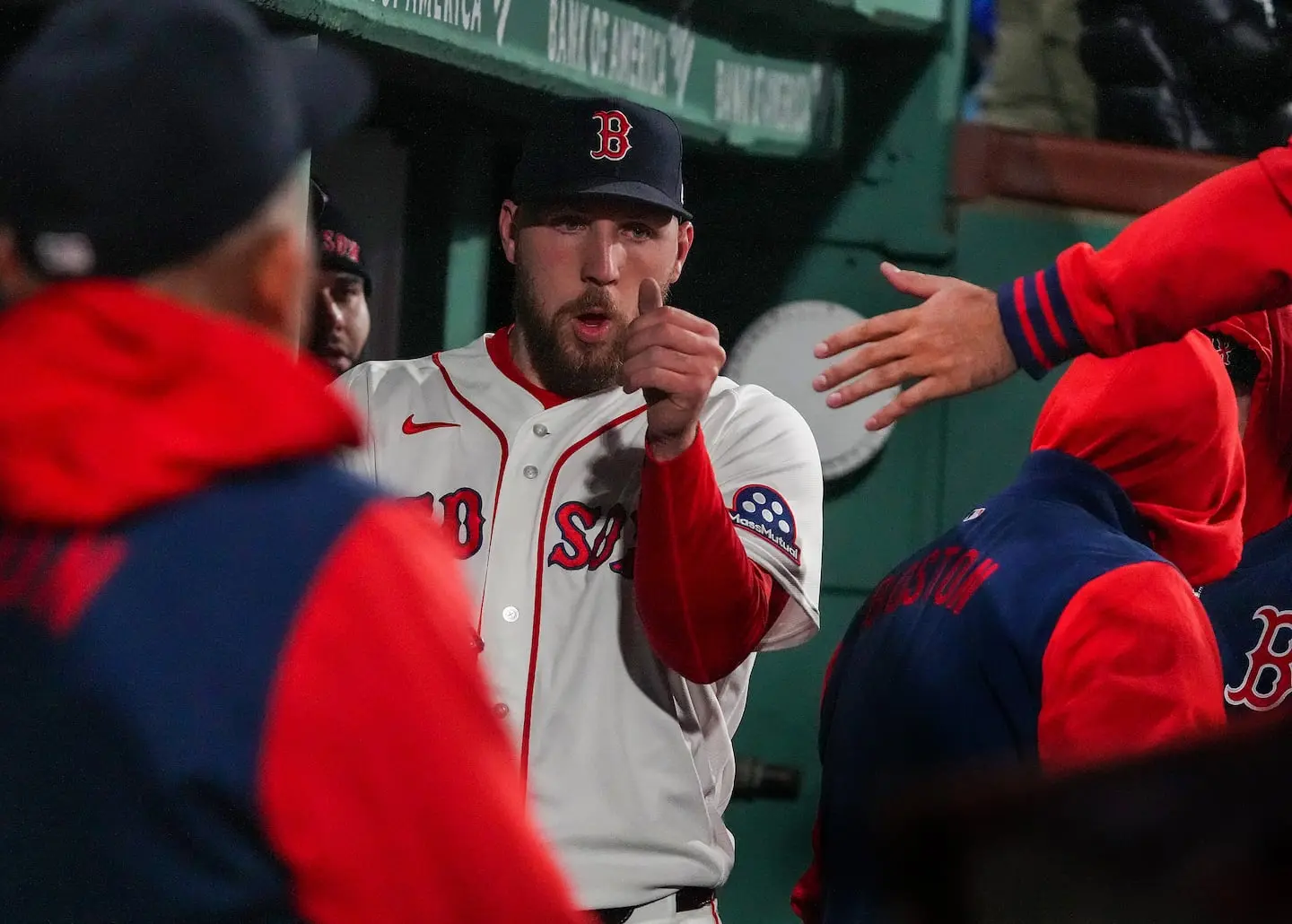
The ABS system, implemented league-wide this season after years of testing in the minors and spring training, allows batters, pitchers, and catchers to challenge umpire calls on balls and strikes. Each team begins games with two challenges, retaining successful ones while exhausting them after two incorrect attempts. The technology uses precise tracking to determine if pitches fall within a rectangular strike zone calibrated to each player’s height, offering a level of objectivity previously unavailable in the game. Graphics flash on scoreboards and broadcasts within seconds, turning close calls into instant spectacles.
For the Red Sox, however, the system has exposed vulnerabilities. Through the first six to eight games of the season, Boston’s success rate on ABS challenges hovers around 44-45.5 percent, placing them near the bottom of the league at approximately 22nd out of 30 teams. In contrast, leaders like the Baltimore Orioles boast rates as high as 85 percent. This inefficiency has already cost the team in critical moments, contributing to a sluggish start that includes multiple extra-inning losses and early exits from challenge opportunities.
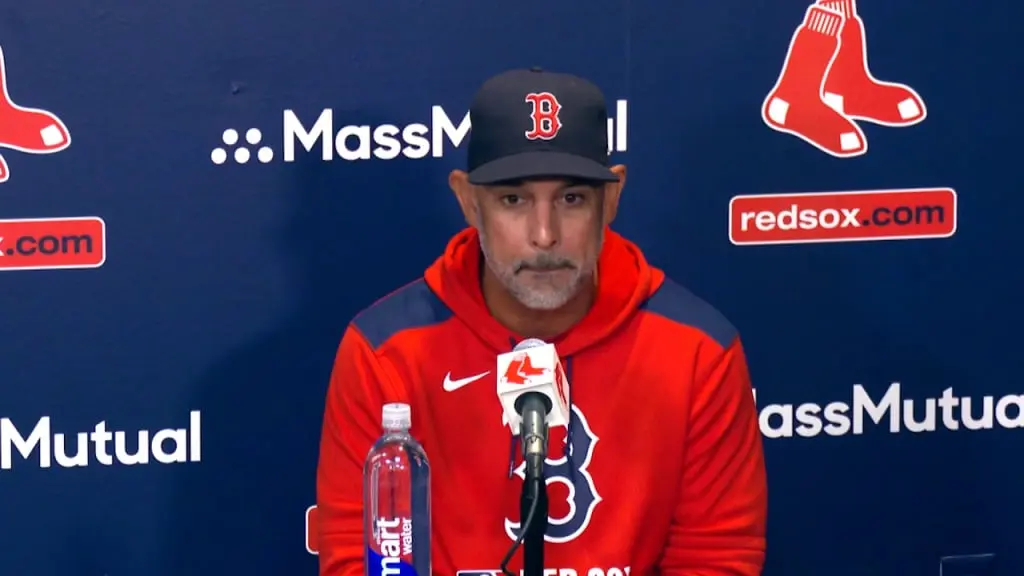
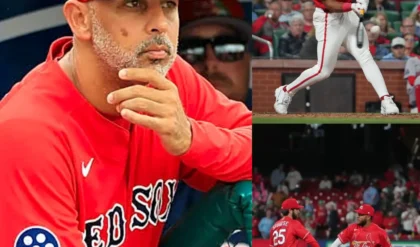
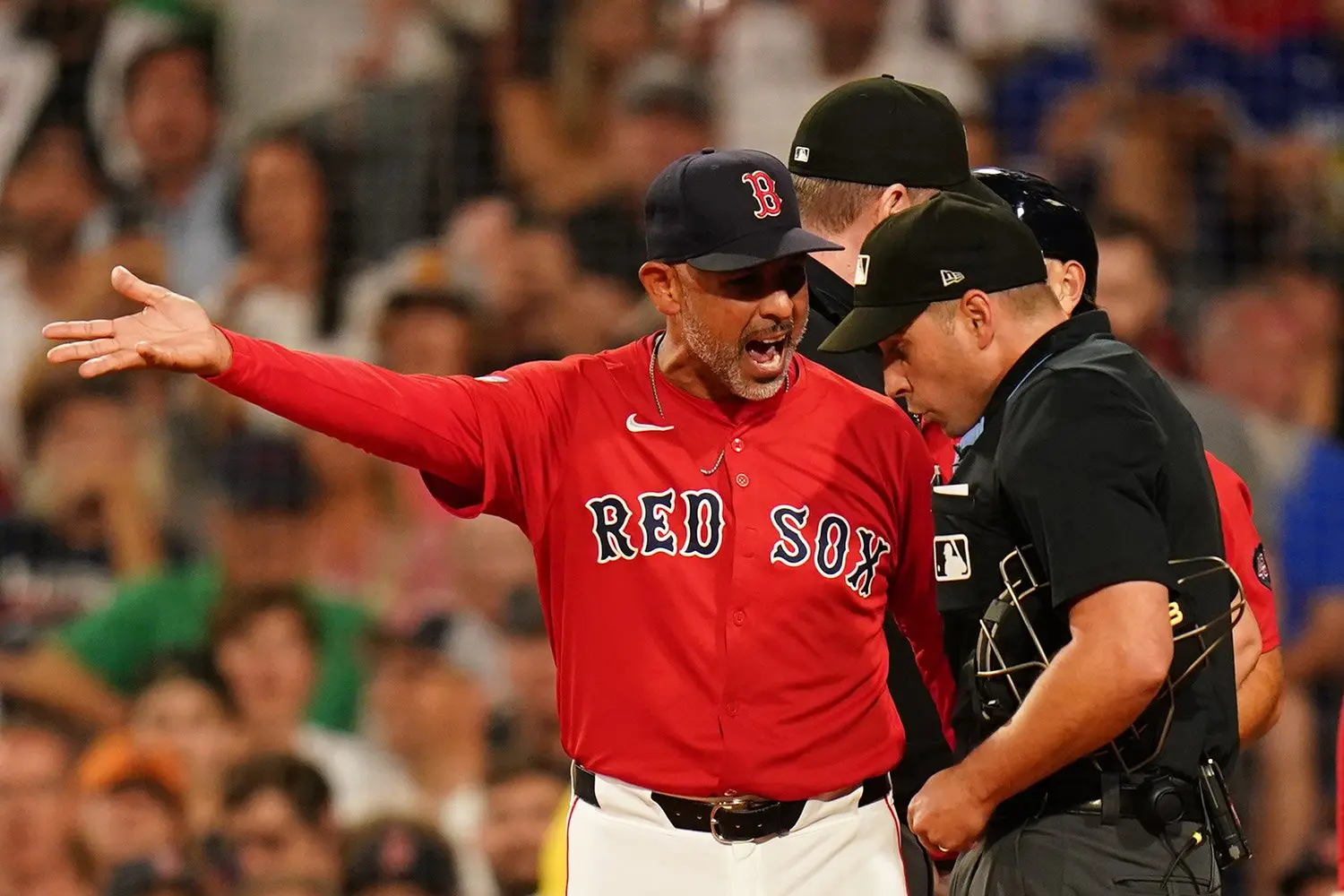
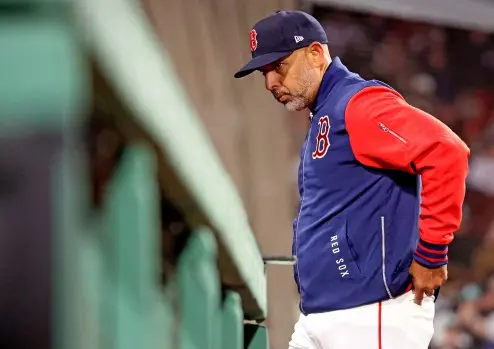
Manager Alex Cora has been vocal about the team’s approach. “We have our system in place,” Cora stated before the season. “We know when we’re going to try to challenge and in what situations. It’s not the most challenges; it’s when you’re going to challenge.” Yet, execution has fallen short. In one notable game against the Cincinnati Reds, the Red Sox burned through both challenges by the third inning, while opponents capitalized more effectively. Umpire C.B. Bucknor’s calls faced heavy scrutiny, with several overturned in favor of the opposition, highlighting how poor decision-making amplifies human error even under technological oversight.
The data paints a clearer picture of the problem. League-wide, challenge success rates have averaged around 61 percent in the opening weeks, with teams going roughly 19-for-31 in early samples. The Red Sox, however, lag behind, often challenging pitches that the Hawk-Eye system confirms as borderline strikes or failing to contest obvious misses. This stems partly from an “emotional component” that Cora has urged players to eliminate. Hitters and pitchers, accustomed to traditional umpire zones that tend to be more oval-shaped, are still calibrating to the stricter rectangular ABS zone.
Catchers face added pressure framing pitches, while batters like Roman Anthony have shown flashes of savvy by successfully overturning full-count calls, but consistency remains elusive across the roster.
Insiders point to several factors. Spring training experiments saw the Red Sox aggressively testing the system, with players like Willson Contreras overturning calls early. The regular season demands precision, however, and the team’s strategy of conserving challenges for high-leverage situations has backfired when early miscues deplete their quota. Pitching coach Andrew Bailey has emphasized adjustments in pregame meetings, but adapting to real-time pressure proves tougher than anticipated. Compounding issues is Boston’s overall 4-8 or 4-9 start, sitting near the bottom of the AL East, where every marginal edge matters in a competitive division.
Analysts argue this isn’t merely bad luck but a deeper strategic shortfall. Teams excelling with ABS treat challenges like valuable resources—deploying them in counts where a walk or strikeout swings run expectancy significantly. Boston’s lower success rate suggests misalignment in player education or hesitation in the crucial two-second window to signal a challenge by tapping the helmet. No dugout assistance is permitted, putting the onus squarely on the individuals involved. Umpires, meanwhile, navigate heightened scrutiny, with some expressing concerns over the near-impossible standards, though the system aims to reduce controversy overall.
Fenway Park and other venues have been outfitted with the necessary cameras, and player strike zones are measured consistently during spring to account for height variations. Yet, subtle differences—such as a batter’s stance or pitch spin—continue to trip up decision-makers. In extra innings, teams earn additional challenges, but the Red Sox have found themselves disadvantaged after squandering early ones. One high-profile sequence saw multiple challenges in a single inning against Cincinnati, with six calls overturned, mostly strikes to balls, underscoring how the system rewards accuracy.
The broader MLB landscape shows adaptation varying by club. Aggressive teams like the Cleveland Guardians challenge frequently, while others like Boston prioritize efficiency. Early returns indicate the system is changing tactics: more stress on catchers, confusion at the top of the zone, and intense focus on pitch location. For contenders, mastering ABS could separate playoff teams from also-rans. Boston, with a talented rotation and young talent, cannot afford prolonged inefficiency.
Red Sox leadership remains optimistic. Cora stresses taking the emotion out of decisions and refining their internal system. Players are reviewing ABS data dashboards post-game to identify patterns. As the season progresses into April and beyond, adjustments are inevitable. Technical glitches remain rare, with challenges retained in such cases, providing a safety net.
Fans at Fenway have mixed reactions. Some cheer the transparency and fairness, others lament the loss of traditional umpire flair. The urgency is clear for Boston: improve ball-claiming decisions or risk falling further behind. With roughly 150 games left, there’s time to turn it around, but the early data serves as a wake-up call. The Red Sox must harness the ABS system as an ally rather than a hindrance if they hope to contend in 2026.
As the league refines this new era of baseball, all eyes remain on Boston. Will the Red Sox learn from these concerning trends, or will suboptimal challenges continue to undermine their efforts? The answer could define their season. (Word count: 912)