A dramatic rumor linking Bubba Wallace, Richard Childress, Kyle Busch and the Daytona 500 has exploded across social media, with fans arguing over whether NASCAR is facing a serious internal fracture or another round of viral exaggeration. The claim suggests that a “silent decision” inside the sanctioning body triggered outrage and pushed Richard Childress toward an unthinkable reaction involving Busch and the Richard Childress Racing camp. It is exactly the kind of headline that spreads fast in modern motorsports, where rivalry, reputation and raw emotion can turn speculation into a full-blown controversy within hours.
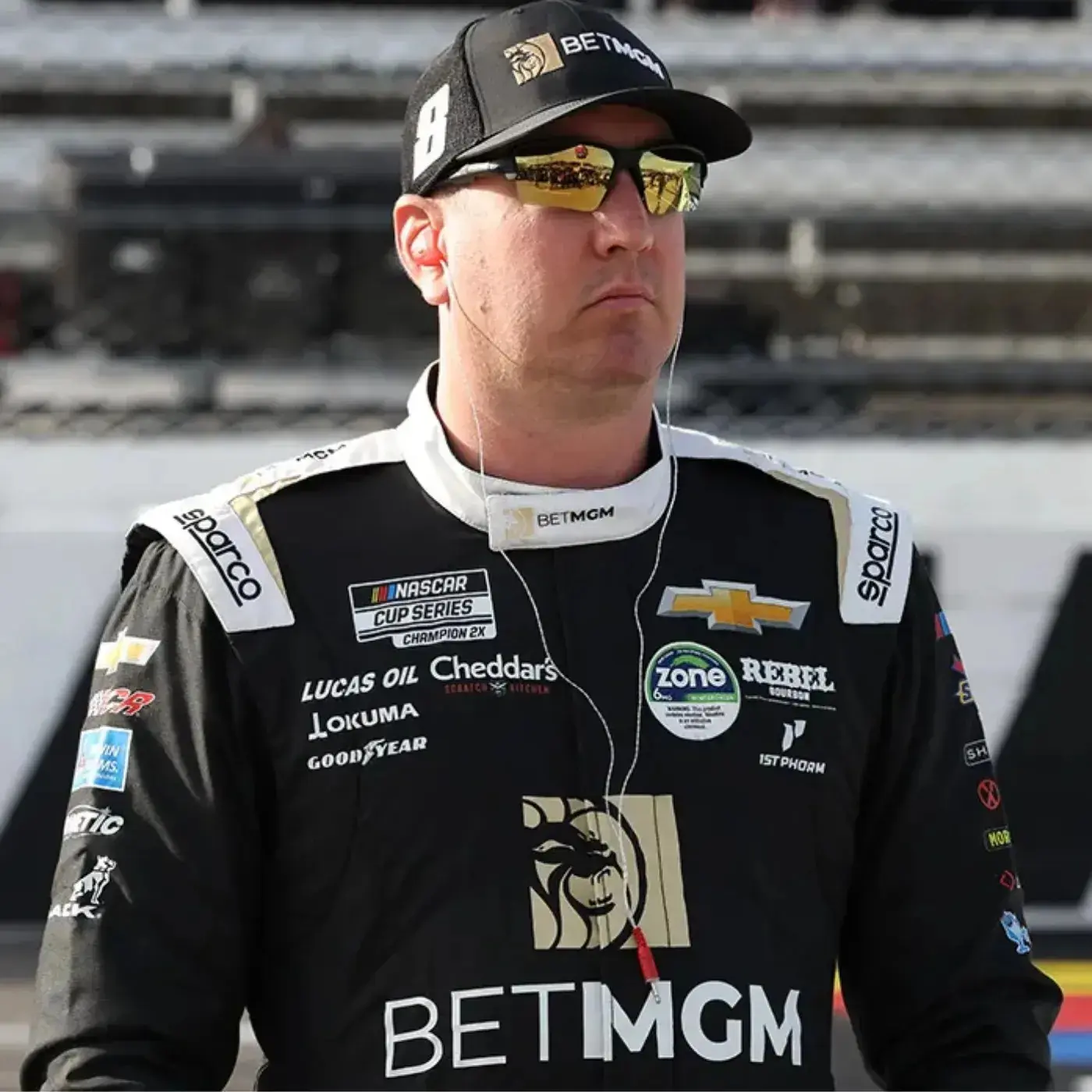
What makes the story so explosive is the scale of the names involved. Bubba Wallace remains one of NASCAR’s most polarizing and closely watched figures, while Richard Childress and Kyle Busch represent one of the sport’s most recognized owner-driver combinations. But the public record currently points to a very different reality from the headline. Official NASCAR and RCR coverage shows Busch qualified on the pole for the 2026 Daytona 500, raced the event for Richard Childress Racing, and remains listed as the full-time driver of the No. 8 Chevrolet.
There has been no public announcement from NASCAR or RCR that the team walked away from the race.
That does not mean there is no tension around the topic. In fact, the reason the rumor gained traction so quickly is that it lands in a NASCAR environment already loaded with sensitivity. RCR entered 2026 under pressure to improve after recent inconsistency, and NASCAR’s early-season spotlight has intensified every storyline involving Busch, Childress and the team’s ability to contend at the highest level. NASCAR’s own 2026 team preview framed the season around the return of Busch and Austin Dillon, new leadership elements, and clear ambitions to get back into serious contention.
In that context, fans are primed to interpret any controversy as a sign of something deeper.
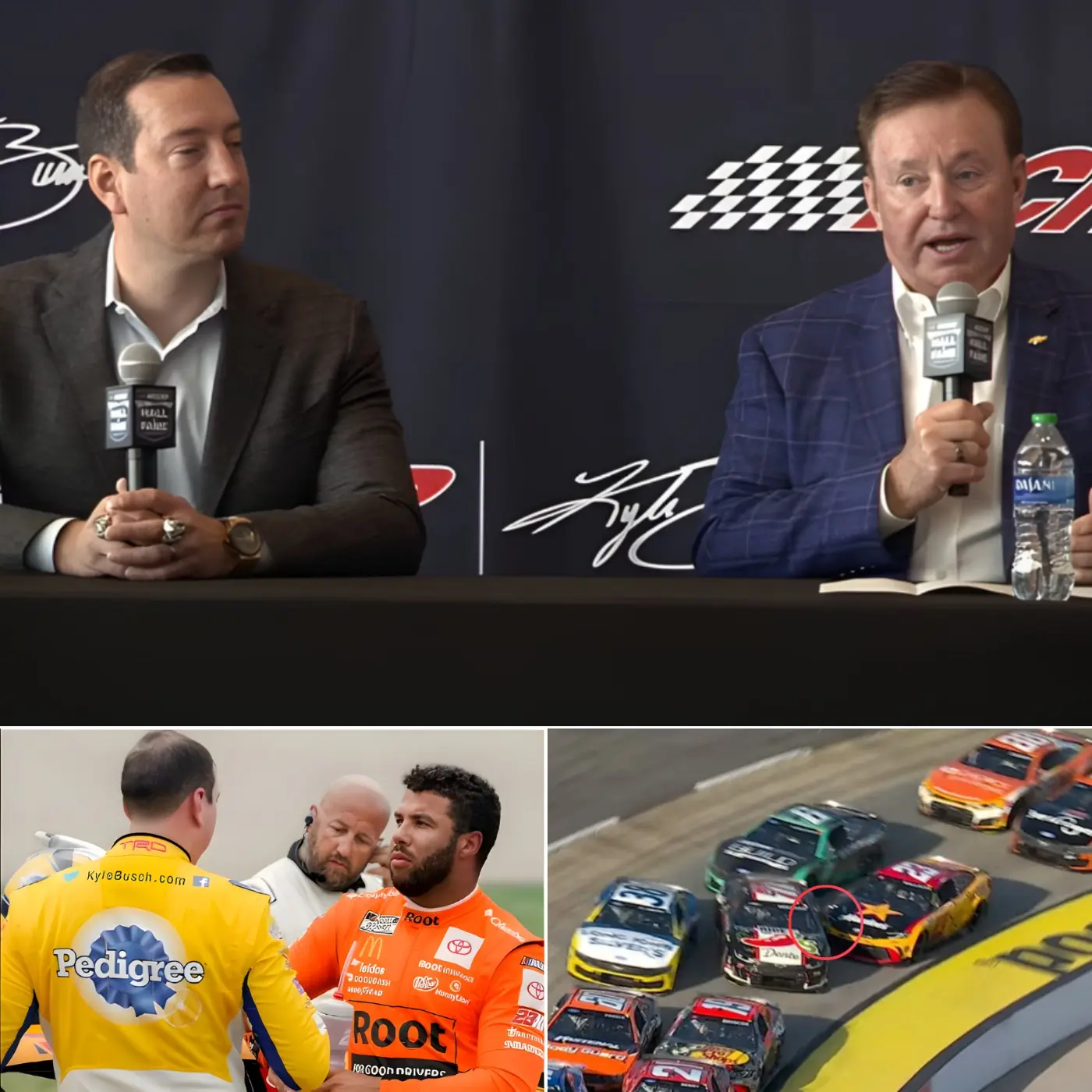
Kyle Busch’s status is especially important because he is not a fringe figure in the current RCR setup. Richard Childress Racing and Busch announced in 2025 that he would continue driving the No. 8 Chevrolet through the 2026 Cup Series season, and public comments at the time reflected stability rather than collapse. That long-term commitment matters when viral stories try to paint a picture of immediate implosion. It does not rule out frustration, disagreement or internal pressure, but it does show that the official direction of the team has been continued partnership, not sudden separation.
For a rumor about walking away to hold up, it would have to overcome that established public reality.
The Daytona 500 itself also undercuts the rumor’s most dramatic framing. Busch did not stand down. He won the pole for the 68th running of the race, a milestone achievement in his long career, and RCR publicly celebrated the moment. NASCAR’s race recap and live results later showed that Busch completed the event and finished 15th, while Austin Dillon, the team’s other full-time Cup driver, was classified 37th after going out early. Those are the facts that matter most.
Fans may debate NASCAR politics all day, but the official record shows RCR showed up, raced, and remained fully present in the sport’s biggest event.
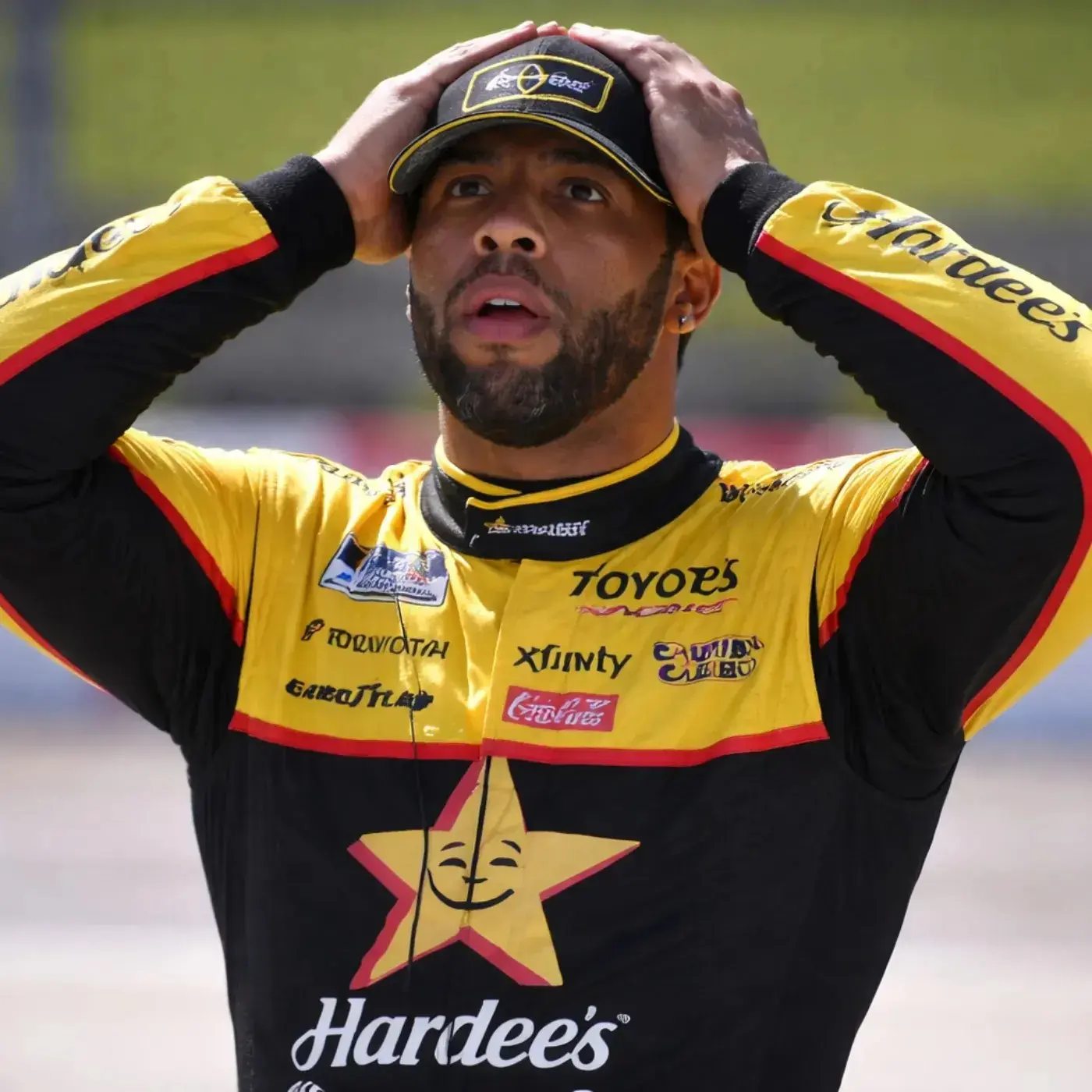
Bubba Wallace’s role in the headline is another reason emotions ran so high. Wallace is one of the few NASCAR drivers whose name can instantly divide audiences far beyond the garage. Yet the official Daytona coverage centered on performance, not a decision that drove RCR out of the event. NASCAR reported that Wallace’s 23XI Racing teammate Tyler Reddick won the 2026 Daytona 500, while Wallace himself finished 10th after leading a race-high 40 laps. That is a powerful on-track story, but it is not evidence of a secret ruling that forced a rival team toward a dramatic exit.
So why do stories like this resonate so strongly? The answer has less to do with hard evidence and more to do with NASCAR’s modern media climate. In a sport where every radio exchange, penalty, feud and social-media post is dissected instantly, rumor thrives in the gap between frustration and verification. A single emotional headline can convince readers that there must be a hidden conflict inside the garage, especially when it involves Wallace, Childress and Busch.
The absence of an official statement is then reinterpreted as proof of secrecy, even though official race results, team news and driver pages often tell a far more straightforward story.
Richard Childress is also a perfect figure for this kind of speculation because he has built a reputation as one of NASCAR’s most competitive and emotionally invested owners. Fans know he does not approach the sport passively, and that image makes it easy for rumor-driven narratives to cast him as someone ready to make a dramatic stand. But the public information available right now still shows an owner focused on fielding his core entries, backing Busch through 2026, and pushing RCR toward better results.
That is a much more grounded picture than the viral version suggesting he was prepared to detonate the team’s Daytona 500 participation.
For fans, the deeper appeal of the rumor is emotional clarity. It offers villains, victims and a grand act of defiance all in one package. Wallace becomes the lightning rod, NASCAR becomes the silent institution under suspicion, and Childress and Busch become symbols of resistance. That formula is irresistible online because it turns a complicated competitive environment into a simple morality play. The problem is that motorsports rarely work that cleanly. Most real disputes are messy, procedural and rooted in performance, rules, politics and perception all at once. Viral storytelling erases that complexity because outrage travels better than nuance.
There is a real NASCAR story hiding underneath the rumor, but it is not the one promised by the headline. The more credible tension is competitive pressure. Busch remains a major name chasing meaningful results late in his Cup career, RCR continues trying to reestablish itself as a consistent threat, and Wallace remains one of the most scrutinized drivers in the sport because of both his profile and the constant reaction he generates. Those factors create a combustible atmosphere where any controversial result, decision or rumor can appear bigger than it is. That is not proof of conspiracy.
It is proof of how high the stakes feel.
What the public record actually supports is straightforward. Kyle Busch is still publicly listed by NASCAR as RCR’s No. 8 driver. RCR publicly celebrated his Daytona 500 pole. NASCAR’s official results show he raced the Daytona 500. NASCAR’s race recap centered on Tyler Reddick’s victory for 23XI, with Wallace finishing 10th after leading 40 laps. Those facts do not settle every fan argument about favoritism, frustration or garage politics, but they do matter more than viral phrasing designed to inflame. When a headline promises secret rebellion, the first test should always be the official record.
In the end, this controversy says as much about sports media as it does about NASCAR itself. Fans are no longer reacting only to races and official decisions. They are reacting to narratives that appear ready-made for anger, loyalty and tribal conflict. That is why stories involving Bubba Wallace, Richard Childress and Kyle Busch ignite so quickly: each name already carries baggage, history and powerful fan emotion.
But unless public evidence catches up with the drama, the smarter reading is this: the headline reflects a viral fantasy of NASCAR civil war, while the verified story remains one of competition, pressure and a sport constantly fighting the rumor machine around it.