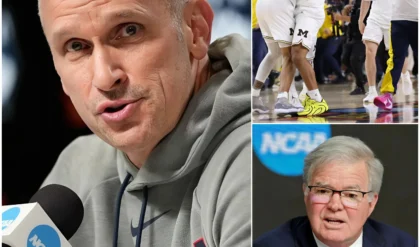
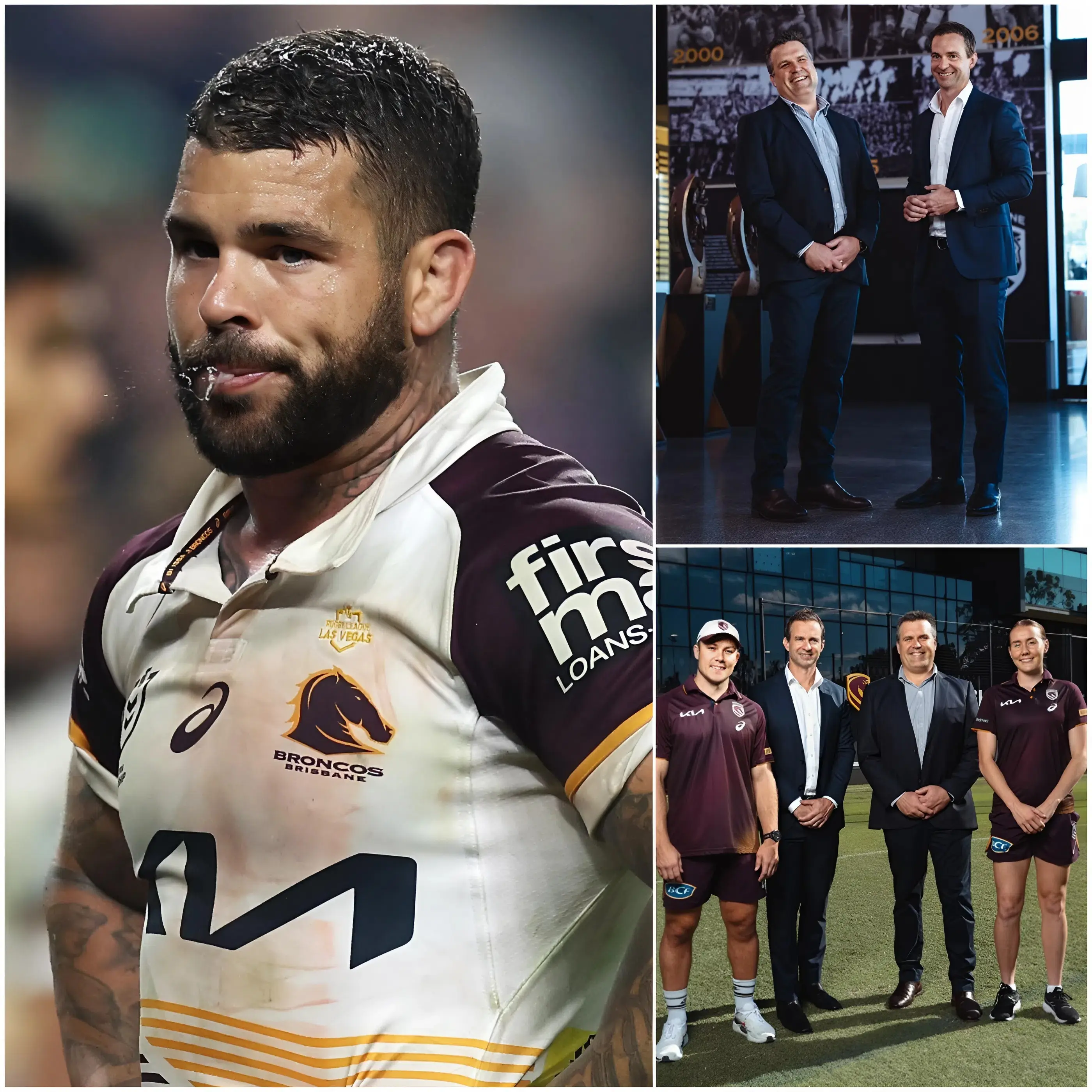
The announcement of a new commercial partnership between Rio Tinto and the Brisbane Broncos has generated a significant amount of discussion within the rugby league community, not because of its scale alone, but due to the thoughtful concerns raised in its immediate aftermath. The agreement, described by both parties as one of the most substantial commercial arrangements in the club’s recent history, will see players from the Broncos participate in promotional initiatives and act as public ambassadors for the multinational mining group.
While such partnerships are not uncommon in modern professional sport, the reaction from within the club itself has added a layer of complexity to what might otherwise have been a straightforward business development.
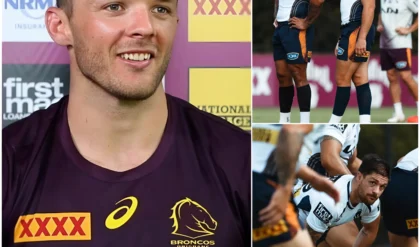
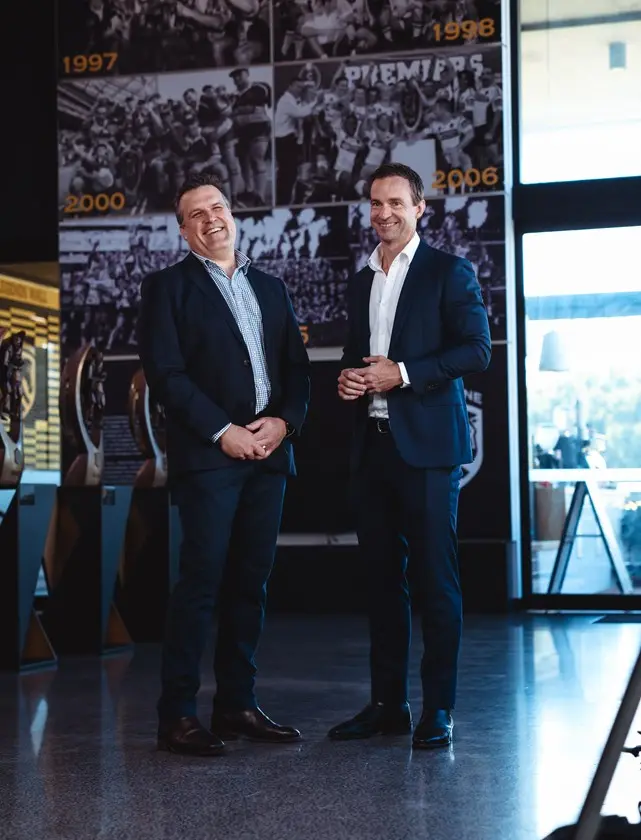
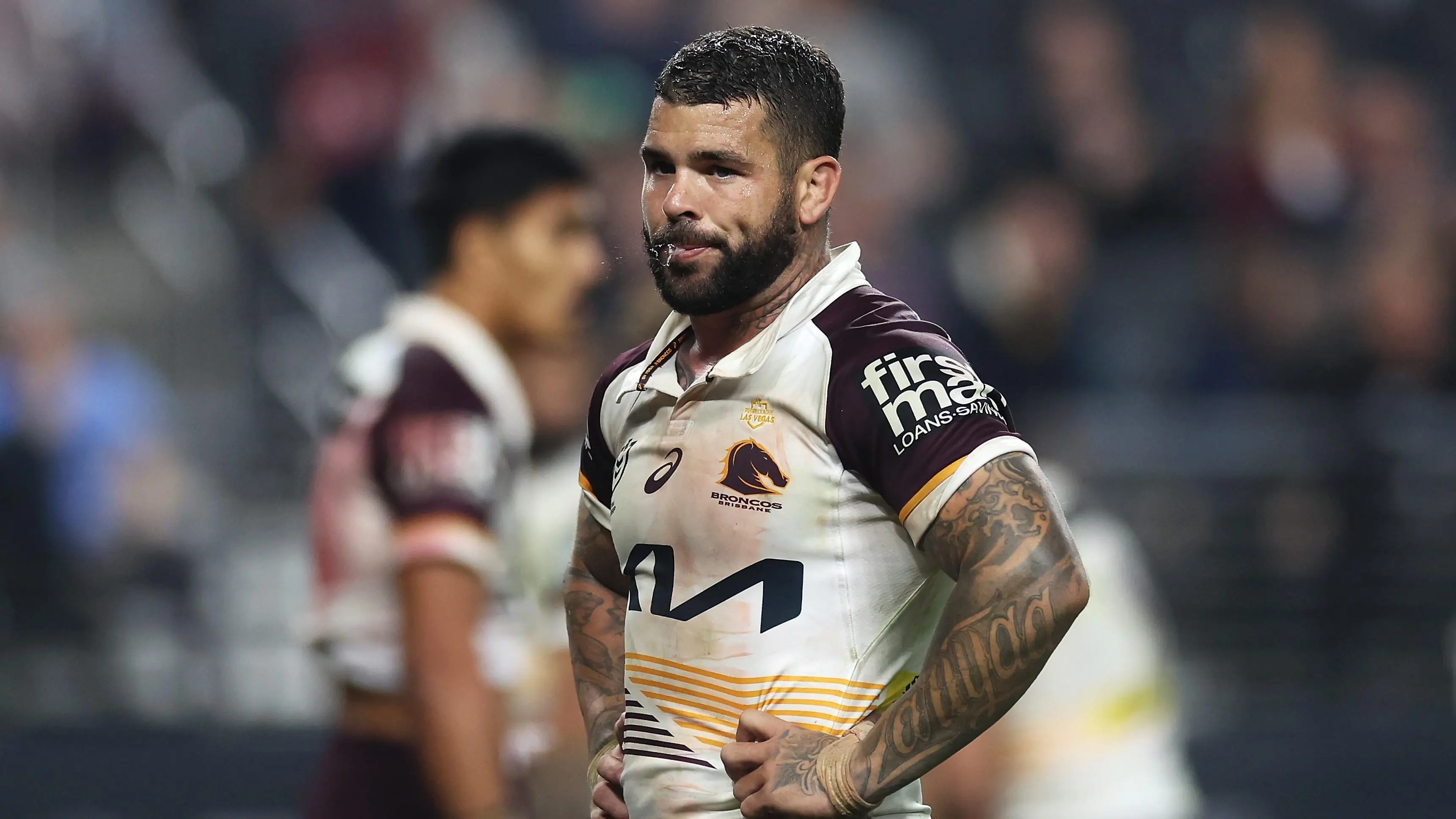
At the center of the discussion is team captain Adam Reynolds, who addressed the media shortly after the announcement was made public. Speaking calmly but candidly, Reynolds expressed reservations about certain aspects of the agreement. His comments were measured rather than confrontational, reflecting a desire to encourage dialogue rather than provoke controversy. Nevertheless, his remarks drew attention, as it is relatively uncommon for a current captain to openly question a newly finalized commercial partnership involving his own club.
Reynolds emphasized that his perspective was shaped not by opposition to the idea of corporate partnerships in general, but by a broader consideration of how such agreements align with the values of players, supporters, and the wider community. He acknowledged that rugby league, like many professional sports, relies heavily on commercial support to sustain operations, invest in talent development, and remain competitive. At the same time, he suggested that players are increasingly aware of their roles as public figures whose actions and affiliations can carry meaning beyond the field.
According to Reynolds, the primary concern lies in ensuring that any collaboration reflects a shared sense of responsibility. He noted that players are often seen as role models, particularly by younger fans, and that their association with a brand can influence public perception in subtle but important ways. While he did not single out specific issues in detail, his comments implied a desire for greater transparency and communication during the decision-making process. He indicated that players would benefit from being more closely involved in discussions about partnerships that require their direct participation.
Representatives from both Rio Tinto and the Brisbane Broncos responded to the situation by reiterating their commitment to maintaining a constructive relationship with all stakeholders. In a joint statement, the organizations highlighted the mutual benefits of the partnership, including opportunities for community engagement, economic support, and increased visibility for rugby league both domestically and internationally. They also emphasized that the agreement includes provisions designed to promote positive initiatives, such as youth development programs and community outreach activities.
Within the Broncos organization, the response has been one of careful reflection rather than immediate reaction. Club officials have acknowledged Reynolds’ comments and expressed appreciation for his willingness to share his perspective in a respectful manner. Internally, discussions are reportedly ongoing to ensure that players feel heard and supported as the partnership moves forward. This approach reflects a broader trend in professional sport, where athlete voices are playing an increasingly prominent role in shaping organizational decisions.
The situation also highlights the evolving nature of athlete leadership. As captain, Reynolds occupies a position that requires balancing multiple responsibilities, including representing the interests of his teammates, supporting the club’s strategic direction, and engaging with the public. His decision to speak openly about the issue can be seen as part of this broader leadership role, demonstrating a commitment to fostering dialogue and encouraging thoughtful consideration of complex matters.
From a wider perspective, the discussion surrounding the partnership underscores the growing intersection between sport, business, and social awareness. Corporate sponsorship has long been a fundamental component of professional athletics, providing essential funding and enabling clubs to operate at a high level. However, as public expectations continue to evolve, there is increasing attention on how these relationships are formed and what they represent.
For Rio Tinto, the agreement represents an opportunity to strengthen its presence within the Australian sporting landscape and to connect with a broad audience through one of the country’s most popular rugby league clubs. The company has indicated that it views the partnership as a platform for promoting its activities and engaging with communities in meaningful ways. At the same time, it is likely aware that such visibility also brings a degree of scrutiny, particularly when collaborating with high-profile sports organizations.
Supporters of the Broncos have responded with a mixture of curiosity and cautious optimism. Many fans recognize the financial benefits that a major partnership can bring, including the potential for improved facilities, enhanced player development programs, and greater overall stability for the club. Others have echoed Reynolds’ call for transparency, expressing interest in understanding more about how the partnership will be implemented and what it will mean for the team’s identity.
The broader rugby league community has also taken note of the situation, viewing it as part of an ongoing conversation about the role of athletes in shaping the direction of their sport. In recent years, players across various leagues have become more vocal on issues ranging from welfare and governance to social and environmental considerations. This shift reflects a growing recognition that athletes are not only competitors but also influential participants in the cultural and commercial ecosystems surrounding sport.
As the partnership between Rio Tinto and the Brisbane Broncos moves forward, it is likely that further discussions will take place to address the concerns that have been raised. Both parties have indicated a willingness to engage constructively, suggesting that the situation may ultimately lead to a stronger and more inclusive approach to collaboration. For the players, including Adam Reynolds, the process represents an opportunity to contribute to shaping how such partnerships are developed and communicated in the future.
In many ways, the current moment can be seen as a reflection of the changing dynamics within professional sport. The traditional boundaries between athletes, organizations, and corporate partners are becoming more fluid, creating space for new forms of interaction and dialogue. While this can introduce challenges, it also offers the potential for more thoughtful and sustainable relationships that take into account a wider range of perspectives.
Ultimately, the significance of this development lies not only in the scale of the agreement itself, but in the conversation it has sparked. By voicing his concerns in a measured and constructive manner, Adam Reynolds has contributed to a broader discussion about the values and responsibilities associated with modern professional sport. As the Brisbane Broncos and Rio Tinto continue to work together, the outcome may serve as a valuable example of how organizations can navigate complex issues while maintaining a commitment to collaboration and mutual respect.
The coming months will provide further insight into how the partnership evolves and how the various stakeholders involved respond to the challenges and opportunities it presents. For now, the situation stands as a reminder that behind every commercial agreement are individuals whose perspectives and experiences shape the way such decisions are understood and implemented.