The Brisbane Broncos enter the middle phase of the 2026 NRL season navigating a period that reflects both resilience and ongoing adjustment. As one of the competition’s most high-profile clubs, expectations remain high following their recent success, yet the current campaign has been shaped by injuries, squad changes, and evolving combinations under head coach Michael Maguire. Rather than dramatic upheaval, the Broncos’ situation is better understood as a gradual process of refinement, where experience and depth are being tested week by week.
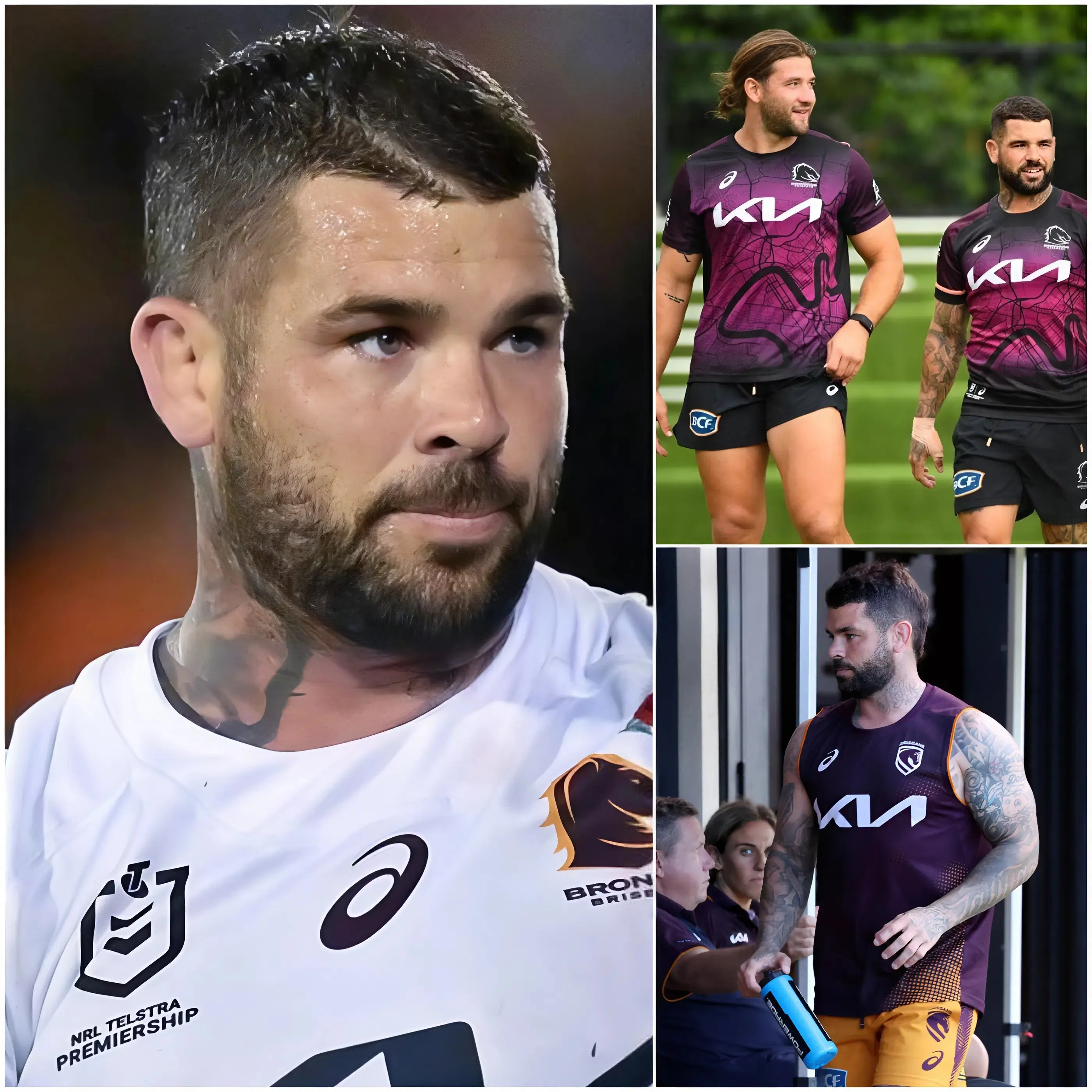
A key focal point ahead of their upcoming clash with the North Queensland Cowboys is the fitness of captain Adam Reynolds. The veteran halfback has been dealing with a groin injury sustained in recent play, placing his availability in doubt. Despite being named in the squad, Reynolds has not fully participated in team training sessions, instead completing individual fitness work as he works toward match readiness. Encouragingly for the Broncos, internal assessments have reportedly been positive, and there is cautious optimism that he may yet take the field, pending a final fitness test closer to kickoff .
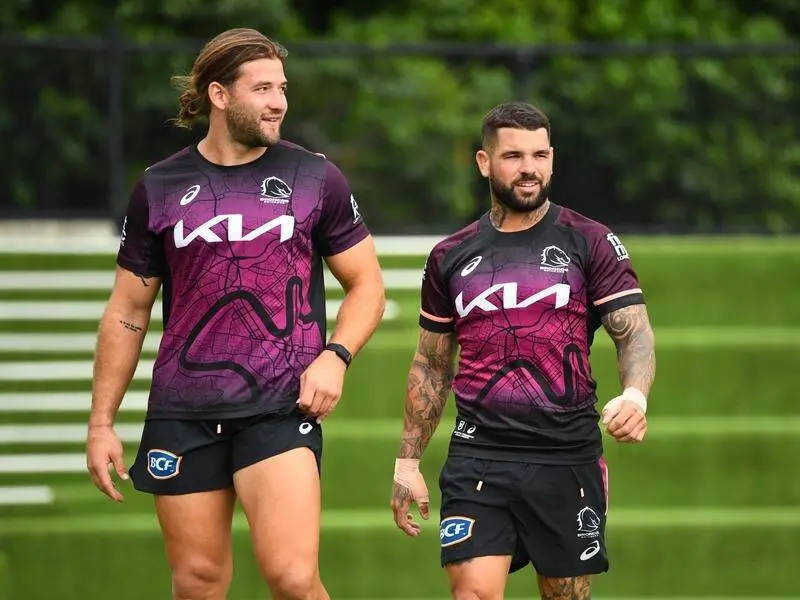
Reynolds’ situation encapsulates a broader theme within the Broncos camp: balancing immediate competitiveness with long-term player welfare. At 35 years old and deep into his NRL career, Reynolds remains a central figure not only tactically but also in leadership. His game management, kicking precision, and organizational skills are difficult to replicate, and his presence often shapes the rhythm of Brisbane’s attacking structure. However, the club has shown a willingness to avoid unnecessary risks, with backup options such as Tom Duffy and Josh Rogers prepared to step in if required .
The importance of depth has been further highlighted by injuries to other key players. Fullback Reece Walsh is currently sidelined with a facial injury that is expected to keep him out for several weeks, while additional concerns around the squad—including knee and muscular issues affecting various players—have required adjustments across multiple positions . These absences have prompted opportunities for less experienced players to contribute, and the coaching staff appears committed to maintaining structural consistency despite these disruptions.
Within the forward pack, players such as Payne Haas and Patrick Carrigan continue to provide the physical platform that underpins the Broncos’ playing style. Their work rate and ability to generate momentum through the middle third remain essential, particularly in matches where the halves may be under pressure. The forward rotation has also seen subtle changes, with younger players being integrated into the system, reflecting a longer-term approach to squad development.
The upcoming fixture against the Cowboys represents a significant test, not only in terms of ladder positioning but also as a measure of the Broncos’ adaptability. The Cowboys traditionally present a physically demanding challenge, with a forward-oriented style that can disrupt attacking fluency if not managed effectively. For Brisbane, the ability to control possession and territory—areas typically influenced heavily by Reynolds—will be critical.
Should Reynolds be unavailable or limited, responsibility will likely fall more heavily on players such as Ezra Mam to guide the attack. Mam’s development has been one of the more encouraging aspects of the Broncos’ recent trajectory. His pace, creativity, and willingness to take on defensive lines offer a complementary dimension to the structured approach usually orchestrated by Reynolds. The interplay between emerging talent and established leadership is a defining characteristic of this Broncos side.
Beyond on-field considerations, the club has also experienced a degree of off-field transition in recent months. Coaching staff changes earlier in the season introduced an additional layer of adjustment, with the departure of key personnel requiring a rebalancing of responsibilities within the organization. While such developments can create uncertainty, there has been little indication of instability within the playing group. Instead, the Broncos have emphasized continuity and professionalism, focusing on performance rather than external narratives.
From a tactical perspective, Brisbane’s approach continues to emphasize controlled expansion rather than high-risk play. Their attacking patterns often rely on structured sets, building pressure through repeat completions before exploiting opportunities on the edges. This method requires discipline and patience, qualities that have generally been evident even in matches where results have not gone their way. Defensively, the team has worked to address inconsistencies that were evident earlier in the season, particularly along the edges where communication and spacing have occasionally been exposed.
The broader context of the 2026 NRL season also plays a role in shaping expectations. Competition across the league remains intense, with multiple teams demonstrating the capacity to challenge for top positions. In this environment, consistency becomes a defining factor, and the Broncos’ ability to manage injuries while maintaining performance levels will be crucial. Their current trajectory suggests a team still building toward peak form rather than one already operating at full capacity.
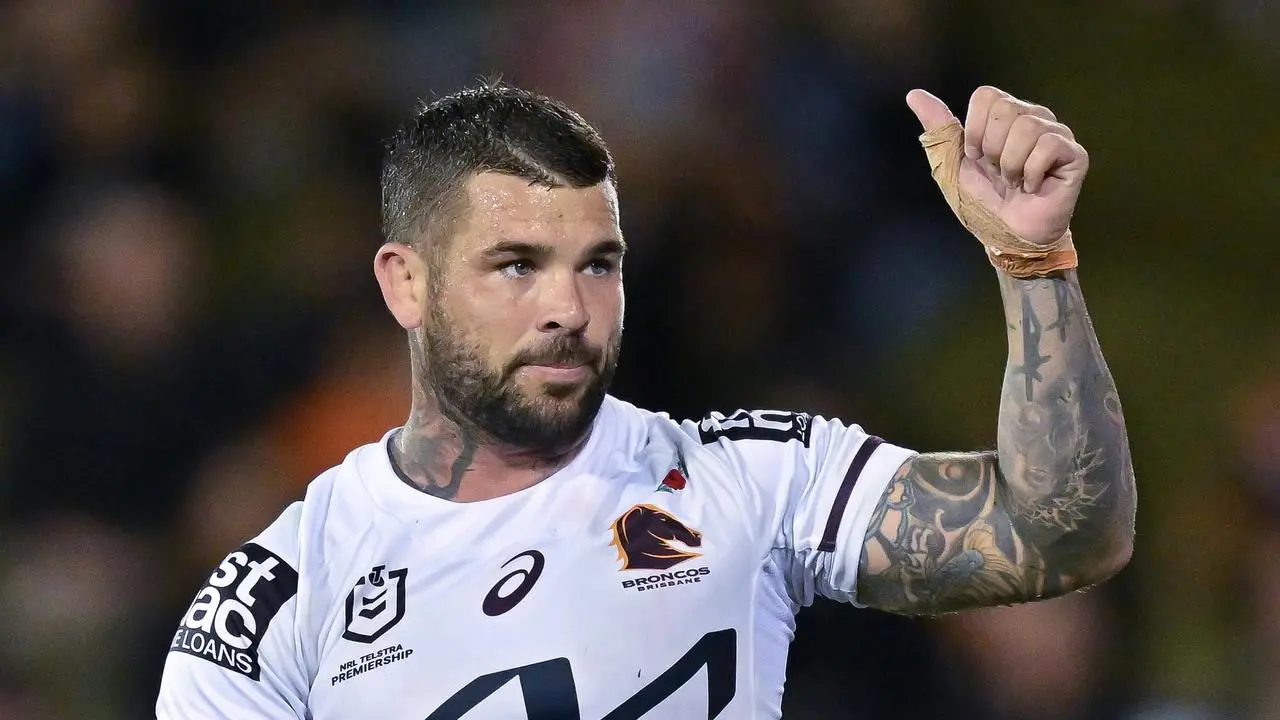
Supporters have responded with cautious optimism. While injuries to key players naturally raise concerns, the visible effort and cohesion displayed by the squad have reinforced confidence in the team’s direction. The positive update shared by Reynolds, including visual indications of his recovery progress, has further contributed to a sense of anticipation ahead of the Cowboys match. Such moments, while relatively small in isolation, can have a meaningful impact on morale within both the playing group and the fan base.
Looking ahead, the Broncos’ priorities appear clear: maintain competitiveness in the short term while ensuring that key players are managed effectively over the course of a demanding season. This balance is rarely straightforward, particularly in a physically intensive competition like the NRL, but it is essential for sustained success. The club’s recent handling of Reynolds’ situation reflects an awareness of these dynamics, emphasizing measured decision-making over immediate returns.
The match against the Cowboys will provide another data point in assessing Brisbane’s progress. Regardless of the final team composition, the focus will likely remain on execution, discipline, and adaptability. These are the attributes that have historically defined successful Broncos teams, and they continue to underpin the current squad’s ambitions.
In many ways, the Broncos’ 2026 season to date can be characterized as a period of consolidation rather than transformation. The foundations established in previous campaigns remain intact, but the team is still in the process of refining its identity under evolving circumstances. Injuries, squad rotation, and tactical adjustments are all part of this process, and the manner in which the club navigates these challenges will ultimately determine its trajectory.
As the competition progresses, the role of experienced figures such as Reynolds will remain pivotal, not only for their on-field contributions but also for their influence within the group. At the same time, the continued emergence of younger players ensures that the Broncos are not solely reliant on established stars. This blend of experience and youth provides a platform for both immediate competitiveness and long-term sustainability.
For now, attention turns to the immediate challenge. The Broncos approach the Cowboys fixture with a mixture of confidence and caution, aware of both their capabilities and the areas that require ongoing improvement. It is this measured perspective—grounded in realism rather than exaggeration—that best captures the current state of the club.