The Brisbane Broncos entered the 2026 season carrying both the confidence of recent success and the weight of heightened expectations. After securing their seventh premiership in 2025, the club began the new campaign with a sense of continuity under head coach Michael Maguire, while also navigating the inevitable challenges that follow a championship year. Early results, squad developments, and off-field storylines have combined to shape a season that is already proving complex and, at times, demanding.
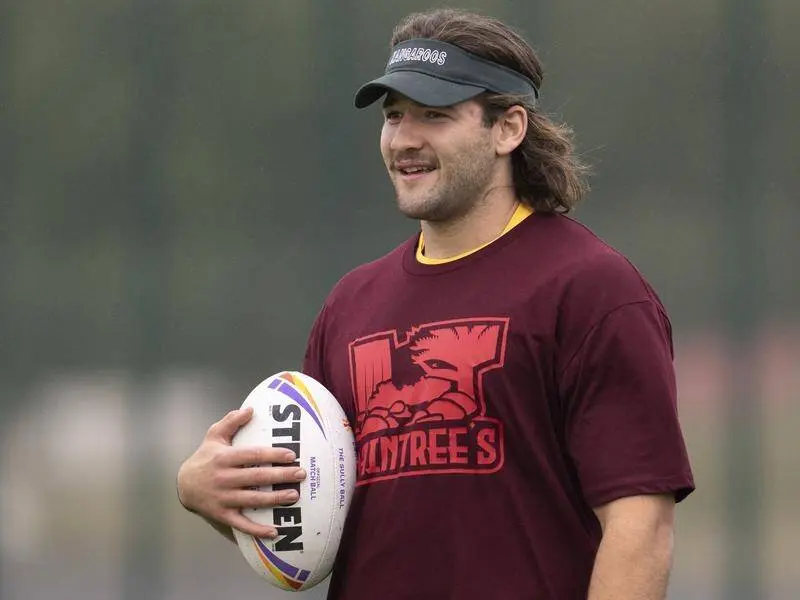
The Broncos’ start to the 2026 NRL season has been competitive, with the team showing resilience in several fixtures. A notable example came in their Round 5 victory over the Gold Coast Titans, where Brisbane secured a 26–12 win. This result reflected the squad’s attacking capability and defensive structure, both of which were key factors in their premiership run the previous year. However, the performance also came at a cost, as the match exposed the physical toll that the early rounds have taken on the roster.
Injuries have quickly emerged as one of the defining themes of Brisbane’s season so far. Star fullback Reece Walsh suffered a fractured cheekbone along with concussion symptoms during that same match, ruling him out for several weeks. His absence is particularly significant given his role as a creative and attacking focal point for the team. Walsh’s ability to break defensive lines and support attacking movements has been central to Brisbane’s playing style, and his injury forces a tactical reshuffle in the backline.
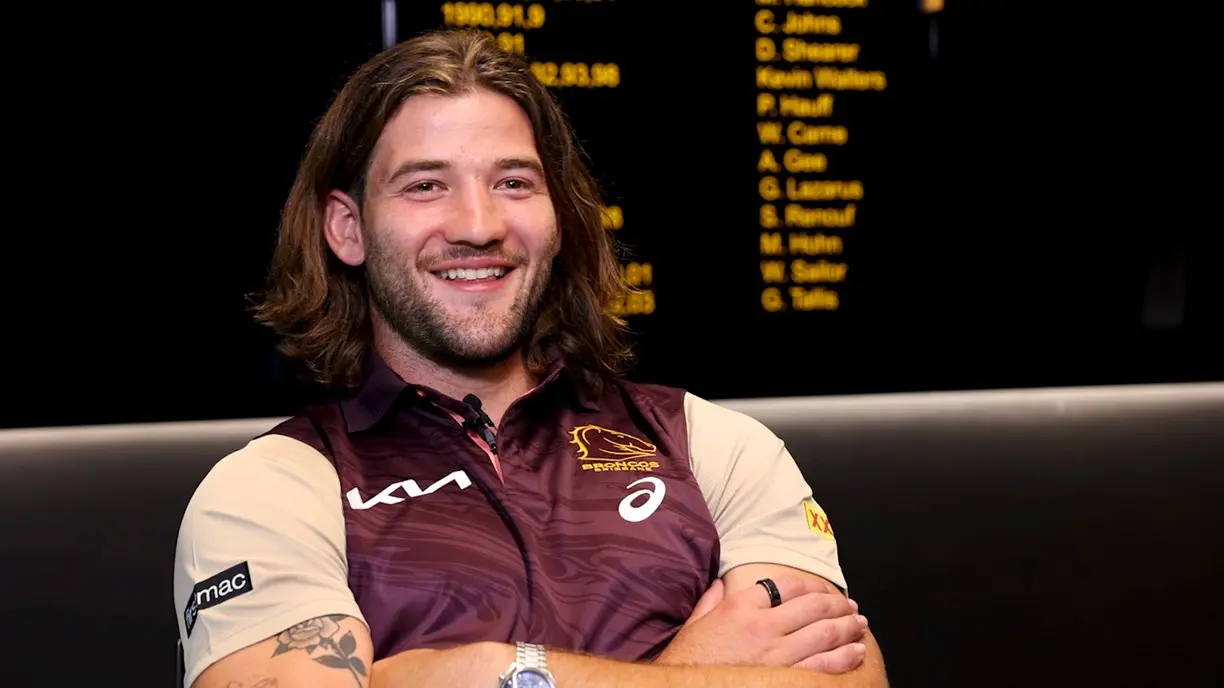
The challenges do not end there. Captain Adam Reynolds has also been dealing with a groin injury, while experienced playmaker Ben Hunt is expected to spend an extended period on the sidelines due to a knee issue. These setbacks affect not only the team’s on-field performance but also its leadership structure, as both Reynolds and Hunt play crucial roles in guiding younger players and managing game tempo.
Despite these difficulties, there have been positive signs within the squad. Players such as Cory Paix have emphasized the team’s commitment to steady improvement, highlighting a culture focused on daily progress rather than immediate perfection. This approach aligns with Maguire’s coaching philosophy, which prioritizes discipline, consistency, and long-term development. Internal messaging from the club suggests that the Broncos remain confident in their ability to adapt, even as injuries force changes in team selection.
Beyond immediate results, the Broncos are also actively planning for the future. One of the most significant developments involves the eventual departure of star prop Payne Haas, who is set to leave the club for the South Sydney Rabbitohs in 2027. In response, Brisbane has moved to secure emerging talent, including promising young forward Tupou Francis. The teenager has already attracted attention for his physicality and ball-playing ability, and his decision to remain with the Broncos reflects the club’s continued strength in player development pathways.
This emphasis on youth development is not new. The Broncos have long been recognized as one of the most effective talent pipelines in the NRL, often attracting and retaining young players from across Queensland and beyond. Rival clubs, including the Titans, have acknowledged Brisbane’s success in this area and are working to strengthen their own systems to compete more effectively. The Broncos’ reputation in this regard continues to influence the broader landscape of rugby league development in Australia.
Off the field, the club has also experienced moments of scrutiny and controversy. Winger Josiah Karapani was recently involved in an incident that resulted in a police infringement notice, drawing attention from both the media and the NRL Integrity Unit. While the matter appears relatively minor in a legal sense, it highlights the level of public attention surrounding the Broncos and the expectations placed on players to maintain professional standards at all times.
Additionally, tensions between the club and former figures have occasionally surfaced in public discourse. Discussions involving club legend Gorden Tallis illustrate the broader conversation about identity, legacy, and the evolving culture within the Broncos organization. While such debates are not uncommon in professional sport, they reflect the high level of engagement and emotional investment that surrounds the club.
From a broader perspective, the Broncos’ 2026 campaign must also be understood within the context of their recent achievements. The 2025 premiership marked the end of a long title drought and reestablished Brisbane as a leading force in the NRL. This success has translated into increased fan engagement, with membership numbers rising significantly and demand for tickets reaching new levels. While this growth is a positive indicator of the club’s popularity, it has also created logistical challenges, particularly in accommodating supporters at home games.
Earlier in the year, the Broncos also competed in the World Club Challenge 2026, where they were defeated by Hull Kingston Rovers. Although the result was disappointing, the match provided valuable experience against international opposition and offered insights into areas requiring improvement. Such fixtures contribute to the ongoing development of the squad and highlight the increasing globalization of rugby league competition.
Structurally, the Broncos remain one of the most stable and prominent clubs in the league. Based in Brisbane and playing their home matches at Suncorp Stadium, the team continues to benefit from strong financial backing, a large supporter base, and a well-established organizational framework. These factors provide a solid foundation as the club navigates the ups and downs of the current season.
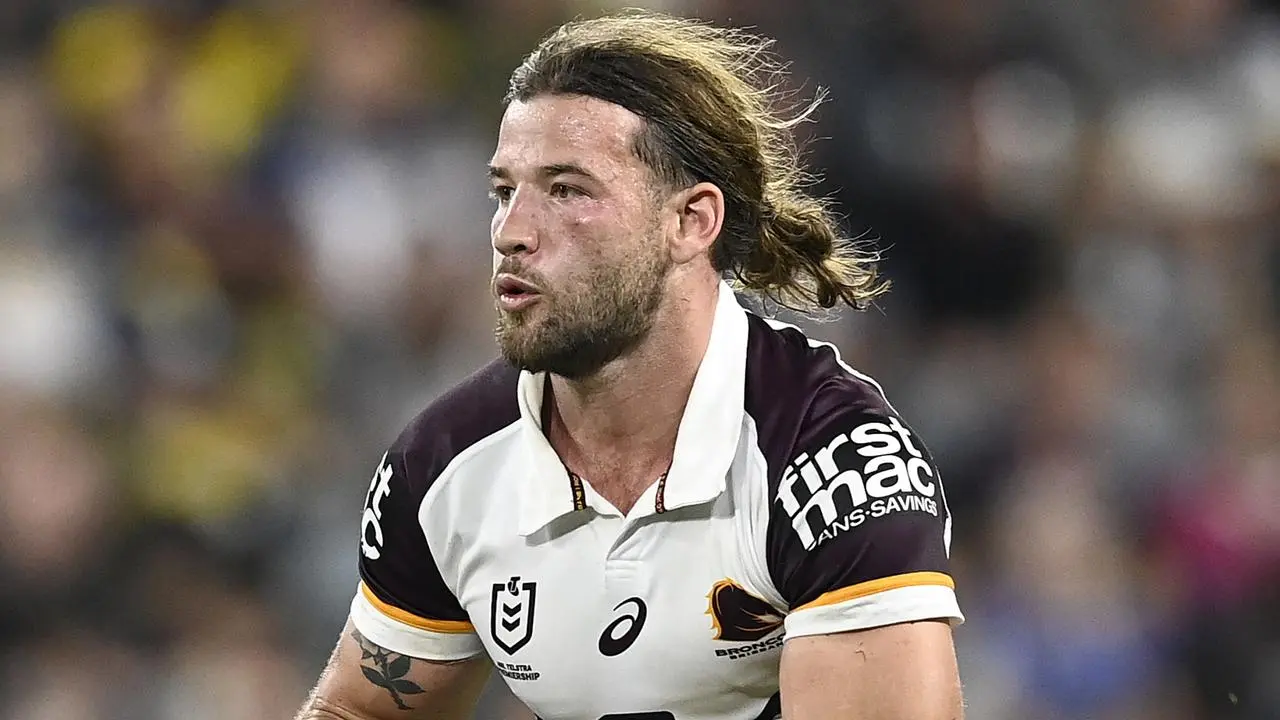
Looking ahead, the key challenge for Brisbane will be maintaining consistency amid adversity. Injuries to key players, transitions within the squad, and the pressure of defending a premiership all contribute to a demanding environment. However, the team’s depth, combined with its focus on development and adaptability, suggests that the Broncos are well-positioned to remain competitive.
In many ways, the 2026 season represents a transitional phase rather than a definitive statement of dominance. The Broncos are balancing immediate performance goals with long-term planning, integrating emerging talent while managing the absence of established stars. This process is rarely straightforward, but it is a necessary step in sustaining success at the highest level of the sport.
Ultimately, the story of the Brisbane Broncos in 2026 is one of adjustment, resilience, and continuity. The club is not defined solely by its results in the opening rounds but by its ability to respond to challenges and maintain its identity. As the season progresses, their performance will continue to be shaped by how effectively they navigate injuries, develop younger players, and uphold the standards set during their premiership campaign.