BREAKING NEWS: Senegal stubbornly refuses to return the trophy, even taunting the African Football Confederation and FIFA by parading the trophy in Europe at the Stade de France. The players even wore two stars on their jerseys during the friendly match against Peru, as if no ruling had been made. This blatant act of defiance prompted FIFA to immediately convene an emergency meeting, preparing to impose a severe penalty that could cause Senegalese football to collapse in an instant, sparking outrage from fans in Senegal.
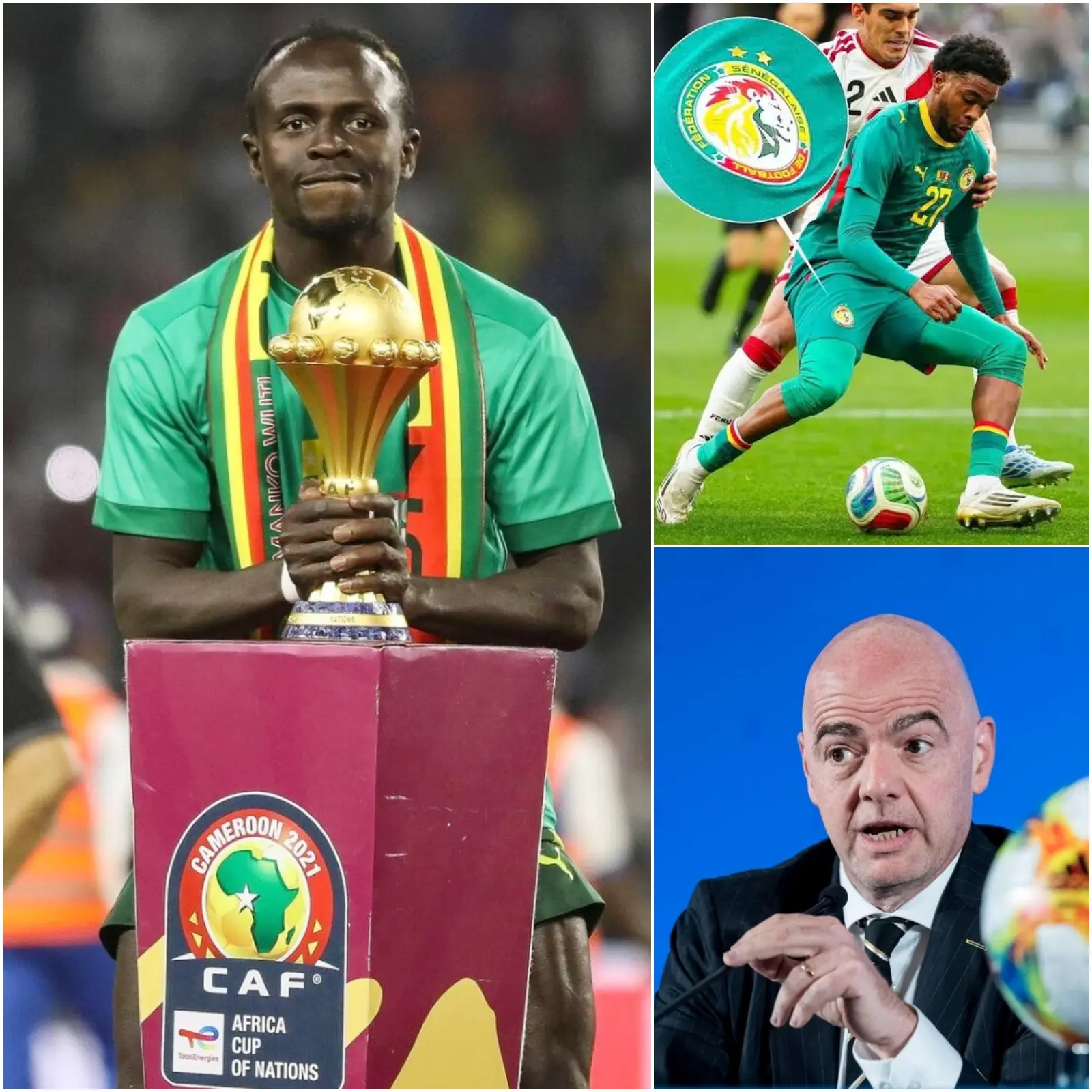
PARIS – In a remarkable act of defiance, the Senegalese national team has prominently displayed the Africa Cup of Nations (AFCON) trophy to tens of thousands of fans at the Stade de France, despite a recent decision by the Confédération Africaine de Football (CAF) to strip it of the title. The players paraded with the cup before the friendly against Peru, wearing shirts with two stars – a symbol of two continental titles. All this is happening while Senegal has officially lost their victory in January’s final against hosts Morocco.
The provocation has brought tensions in African football to a fever pitch and is now leading to an emergency meeting at FIFA.
The controversy started in the chaotic final of the AFCON 2025 in Rabat on January 18. Senegal looked set to clinch the title with a 1-0 extra-time win against Morocco. However, in injury time, Morocco were awarded a penalty, after which some Senegalese players and the coach left the field in protest. Under the CAF regulations (Articles 82 and 84) this was considered a forfeit. The Moroccan Football Association’s appeal was granted, after which the CAF stripped Senegal of the title on March 17 and awarded Morocco a 3-0 victory.
The trophy, which is still physically with Senegal, had to be returned, but the Senegalese Football Federation (FSF) has so far refused and has appealed to the Court of Arbitration for Sport (CAS) in Lausanne.
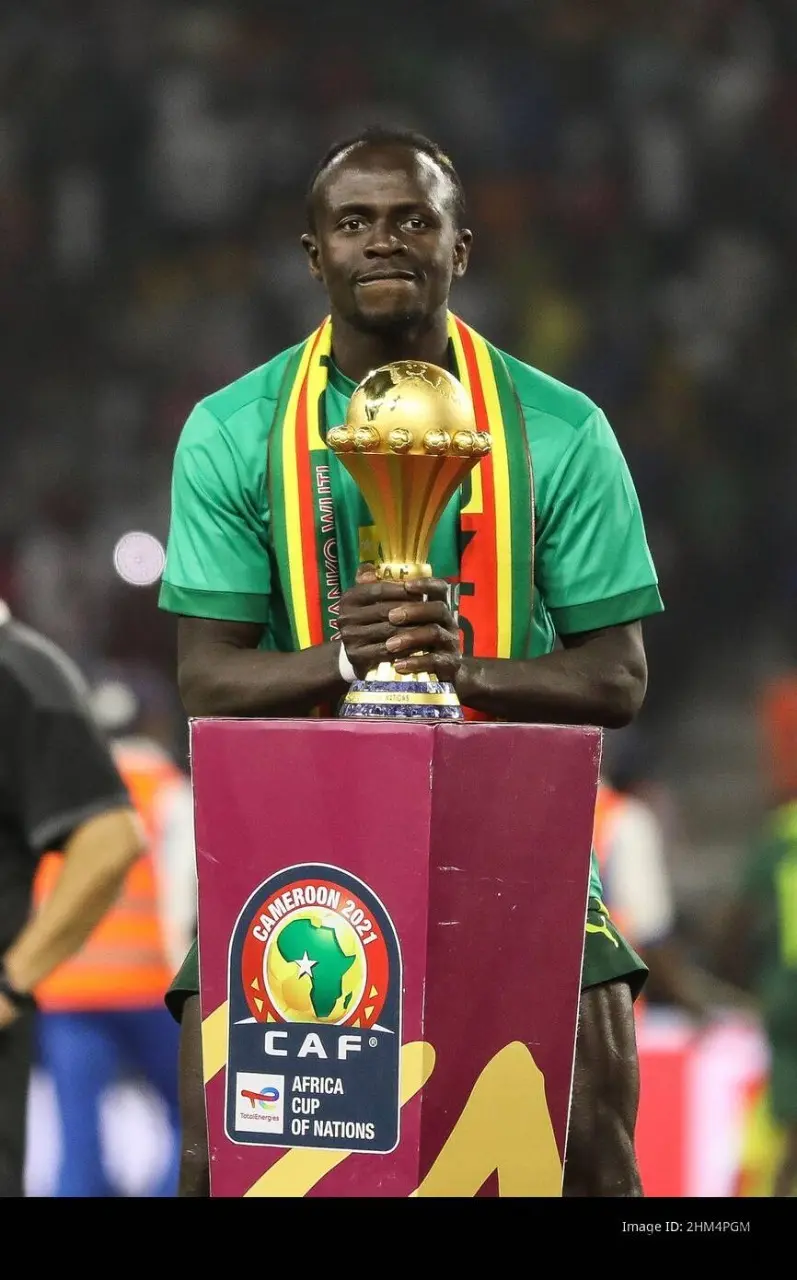
Instead of accepting the decision, Senegal opted for a striking demonstration during the international match against Peru on March 28 in Saint-Denis, just outside Paris. In front of a crowd made up largely of Senegalese supporters – estimated at tens of thousands at the iconic Stade de France – captain Kalidou Koulibaly and his teammates walked onto the pitch with the AFCON trophy. They made a lap of honor, while singer Youssou N’Dour gave a pre-match concert. Koulibaly and goalkeeper Édouard Mendy even brought the cup to the grandstand, where FSF chairman Abdoulaye Fall was present.
The message was clear: Senegal still considers itself African champion.
Even more provocative was the choice of shirts. The players wore a kit with two stars above the emblem, referring to the victories in 2021 and the disputed title of 2025. This while the CAF and FIFA do not recognize the second title. The FSF had previously announced that new shirts with two stars would be available from September, despite production deadlines that applied to the final. This visual challenge to the continental and global associations was seen by many as a direct snub.
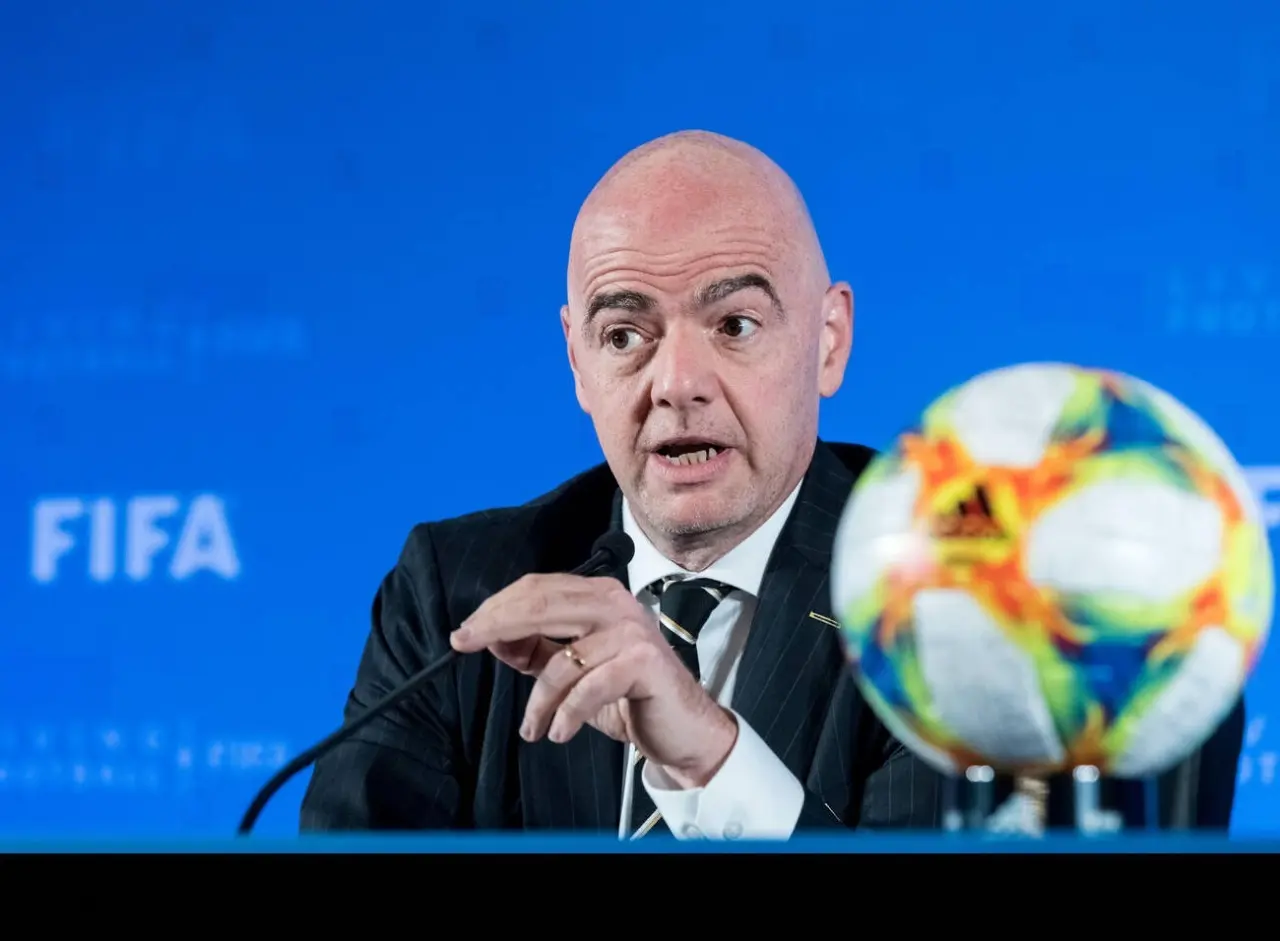
The response was not long in coming. According to sources within the football world, FIFA immediately convened an emergency meeting to discuss the situation. A heavy sanction against the Senegalese Football Association and the national team would be on the table, ranging from fines to suspension from international matches or even exclusion from future tournaments such as the 2026 World Cup. Such a punishment could collapse the Senegalese football pyramid: clubs would lose players, youth academies would suffer and the economic impact on a country where football is a national passion would be enormous.
Fans in Senegal are furious about the CAF decision, which they label as “administrative robbery”, but at the same time fear the consequences of further escalation.
President Abdoulaye Fall called the CAF ruling “the most grossly unjust administrative robbery in the history of football”. Senegal is fighting for the “honor of the players” and emphasizes that victory was achieved on the field. Morocco, on the other hand, considers the case closed and is threatening further legal action if the trophy is not handed over. The tension between both countries, which was already high due to the chaotic final, has now completely exploded.
This affair casts a shadow over African football. Critics point to the inconsistency in the CAF’s rules and fear that political influences may play a role, especially since Morocco was the host country. Others emphasize that rules are rules and that leaving the field without the referee’s permission is a clear violation. FIFA’s role is now crucial. As a global umbrella body, it can put pressure on both CAF and national federations to de-escalate the matter, but a hard line against Senegal could lead to a wider conflict within the African confederation.
There is great pride in Senegal itself. Thousands of fans at the Stade de France chanted slogans of support as they watched their heroes beat Peru 2-0 thanks to goals from Nicolas Jackson and Ismaila Sarr. It was the first match since the final and a morale boost. Yet there is a dark cloud hanging over the future. The CAS procedure can take months, and in the meantime, Senegal risks isolation.
The parade in Europe, far from the African continent, symbolizes the globalization of the conflict. By displaying the trophy at the Stade de France – a temple of sport with a large African diaspora – Senegal is sending a strong signal: we will not give up. But this resistance comes at a price. The FIFA talks could lead to sanctions that affect not only the national team, but also the entire football structure in Senegal.
Football is more than a game; it is identity, pride and economics. In this case, sporting rules clash with emotions and national honor. While Morocco prepares to be recognized as champions, Senegal keeps a tight grip on the trophy. The coming weeks and months will be decisive. Will FIFA set an example or will it opt for dialogue? And how long can Senegal maintain this attitude without the consequences becoming catastrophic?
African football fans are following the developments with excitement. For some, Senegal is a hero in the resistance against bureaucracy. For others, it is a dangerous precedent that undermines the authority of the unions. One thing is certain: this “trophy gate” will reverberate in the annals of continental football for a long time to come.