In the high-stakes world of professional horse racing, where split-second decisions and million-dollar prizes define careers, few events have shaken the sport to its core like the sudden downfall of top Australian jockey James Innes Jr. Once celebrated as a Group 1-winning rider with a promising future, Innes has been handed a staggering 25-year ban by Racing NSW following multiple allegations of sexual misconduct involving women in the racing industry.
The decision, described by many as one of the longest and most severe penalties in recent Australian racing history, has ignited global outrage, raised serious questions about safeguarding in the sport, and left the racing community reeling from what some are calling its biggest scandal to date.
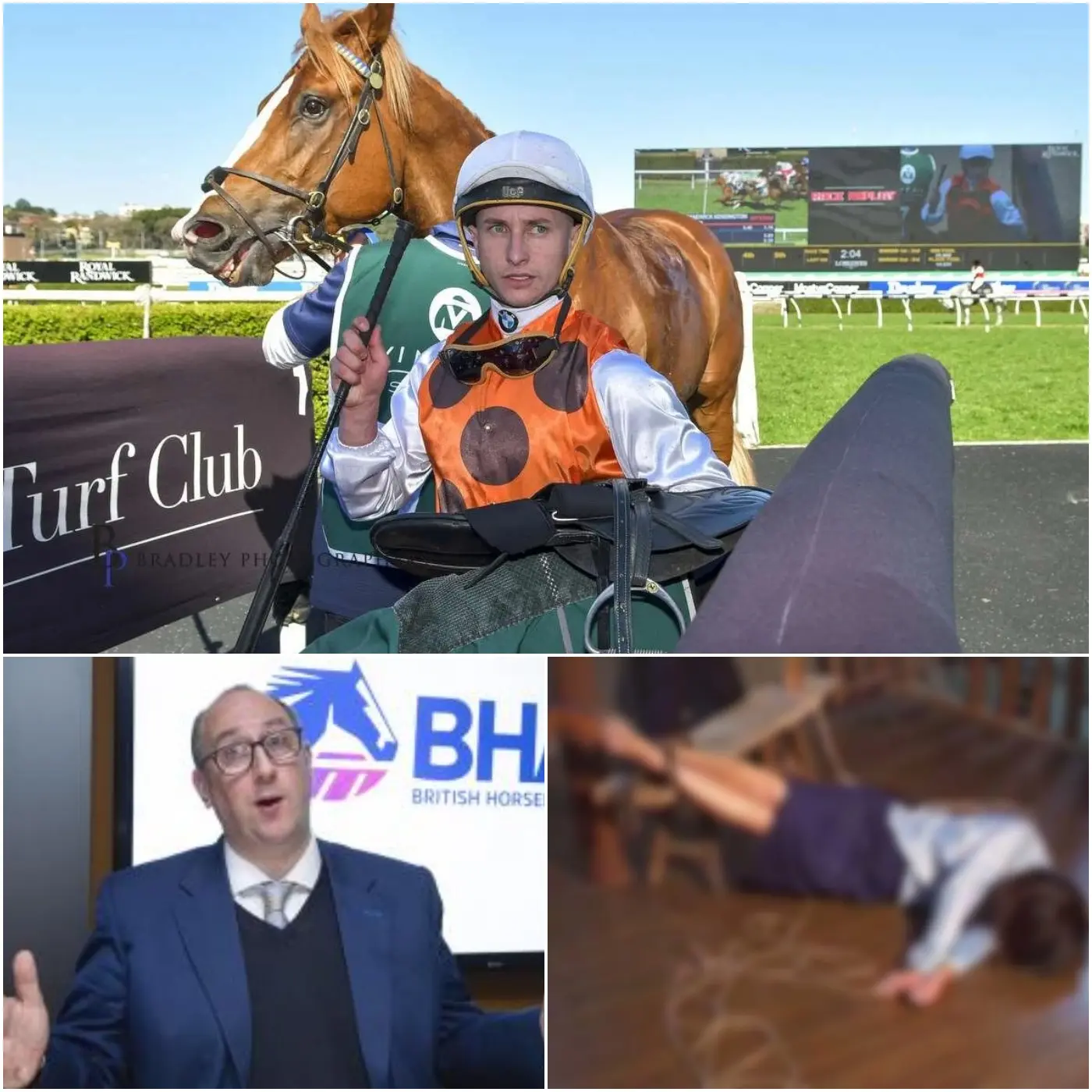
James Innes Jr, aged 30, built a solid reputation on the track. He earned his biggest moment of glory in 2020 when he guided the Wendy Roche-trained mare Nettoyer to victory in the prestigious Doncaster Mile at Royal Randwick during the height of the COVID-19 pandemic. That Group 1 success, achieved in front of empty stands due to restrictions, catapulted him into the spotlight as a talented rider capable of delivering under pressure. Over his career, Innes accumulated significant winnings—reportedly around £6.5 million—and was seen as a rising star in New South Wales racing circles.
Fans and insiders alike praised his horsemanship, tactical acumen, and ability to handle top-class thoroughbreds in elite competitions.
Yet behind the glamour of race days and winner’s circles, disturbing allegations began to surface. In September 2025, Racing NSW stewards issued eight charges against Innes under the rules of racing after an investigation by the Integrity Unit. Multiple female participants in the industry came forward with claims of sexual misconduct and harassment. The nature of the allegations reportedly included assault and inappropriate behavior, though specific details remained limited during the initial inquiry to protect those involved.
Five women are understood to have provided evidence during the hearing process, painting a picture of repeated incidents that allegedly occurred within the close-knit racing environment.
The hearing concluded swiftly, and on October 21, 2025, Racing NSW announced the 25-year disqualification. For a jockey still in his prime, such a ban effectively ends a professional riding career. Innes has not appealed the decision, according to reports, marking a sudden and dramatic end to his time in the saddle. The penalty stands as one of the most punitive measures handed down in Australian racing for offenses of this nature, underscoring the sport’s apparent zero-tolerance stance amid growing societal expectations around accountability.
News of the ban spread rapidly across international media and social platforms, sparking widespread condemnation. Within hours, headlines in outlets from Sydney to London highlighted the case, with many framing it as a watershed moment for horse racing. Supporters of the women involved praised the decision as a long-overdue step toward justice and safer workplaces in an industry traditionally dominated by male participants and steeped in hierarchical traditions. Advocates for women in racing pointed out that the close proximity of trainers, jockeys, stable staff, and owners often creates environments where power imbalances can lead to misconduct going unreported for years.
The outrage extended far beyond Australia. Horse racing enthusiasts, industry professionals, and the general public took to social media to express shock and demand broader reforms. Hashtags related to the case trended briefly, with comments ranging from calls for independent oversight to questions about how such allegations could persist undetected. Some compared the scandal to past controversies in other sports, noting that racing’s insular culture may have shielded problematic behavior for too long. Victims’ rights groups weighed in, emphasizing the courage required for women in such a competitive field to speak out against prominent figures.
For the British Horseracing Authority (BHA), the ripple effects have been particularly damaging, even though the case originated in Australia. The BHA, which oversees one of the world’s most prestigious racing jurisdictions, has faced intense scrutiny over its own safeguarding policies and international collaborations. Critics argue that the Innes case exposes vulnerabilities in how global racing bodies share information and protect participants across borders. With many Australian jockeys riding in Britain and vice versa, questions have arisen about whether sufficient vetting and intelligence-sharing mechanisms exist to prevent similar incidents.
Industry insiders suggest this could represent the BHA’s biggest reputational and operational loss in recent memory, as trust in the sport’s integrity—already tested by doping, betting scandals, and welfare concerns—takes another heavy blow.
The scandal has prompted immediate responses from racing authorities worldwide. Racing NSW defended its thorough investigation and the severity of the penalty, stating that the decision reflects a commitment to maintaining the highest standards of conduct. Other jurisdictions, including those in Europe and the United States, are reportedly reviewing their own protocols for handling misconduct complaints. Calls for mandatory training, anonymous reporting systems, and independent review panels have grown louder, with some suggesting that the sport must modernize its approach to align with contemporary workplace standards.
Innes himself has remained largely silent in the immediate aftermath, offering no public statement or defense against the allegations. His sudden disappearance from the racing scene has only fueled speculation and media coverage. Those close to the jockey have expressed disbelief, describing him as a dedicated professional whose track record showed no prior red flags of this magnitude. However, the weight of multiple complaints and the formal findings appear conclusive in the eyes of Racing NSW.
The broader implications for horse racing are profound. The sport, which relies heavily on public confidence, sponsorship, and participation from diverse groups, now faces a reckoning. Female jockeys, trainers, and stable hands—already a growing but still minority presence—may feel further empowered to report issues, but they also risk heightened caution or isolation in tight-knit yards. Owners and trainers must navigate a new landscape where personal conduct is under greater scrutiny, potentially affecting team dynamics and recruitment.
As the dust settles, many within the industry are reflecting on systemic issues. Horse racing has long prided itself on tradition, but traditions can sometimes mask outdated attitudes toward gender dynamics and professional boundaries. The Innes case serves as a stark reminder that no individual, regardless of talent or achievement, is above accountability. Reform efforts are likely to accelerate, with stakeholders pushing for cultural change that prioritizes respect, safety, and equality alongside the thrill of competition.
While the 25-year ban brings a measure of closure for those affected, the conversation it has sparked is far from over. Global outrage continues to simmer, with ongoing discussions about prevention, support for victims, and rebuilding trust. For a sport that captures the imagination of millions through its elegance and excitement, restoring faith will require more than one high-profile penalty—it will demand sustained commitment to transparency and change at every level.
In the end, the downfall of James Innes Jr highlights a painful truth: even in an arena defined by speed and precision, the racing world must slow down to address the human elements that too often go overlooked. The biggest scandal in recent memory may ultimately prove to be a catalyst for a safer, fairer future—if the industry seizes the moment.