In international football, moments of return often carry a significance that goes beyond tactics and squad selection. They reflect continuity, experience, and the enduring emotional connection between players and their national teams. Recently, attention has turned to Ángel Di María and his unexpected openness to the idea of returning to represent the Argentina national football team. His remarks, suggesting that he would be willing to come back at a time when he feels the team may need him, have prompted thoughtful discussion among supporters, analysts, and former players alike.
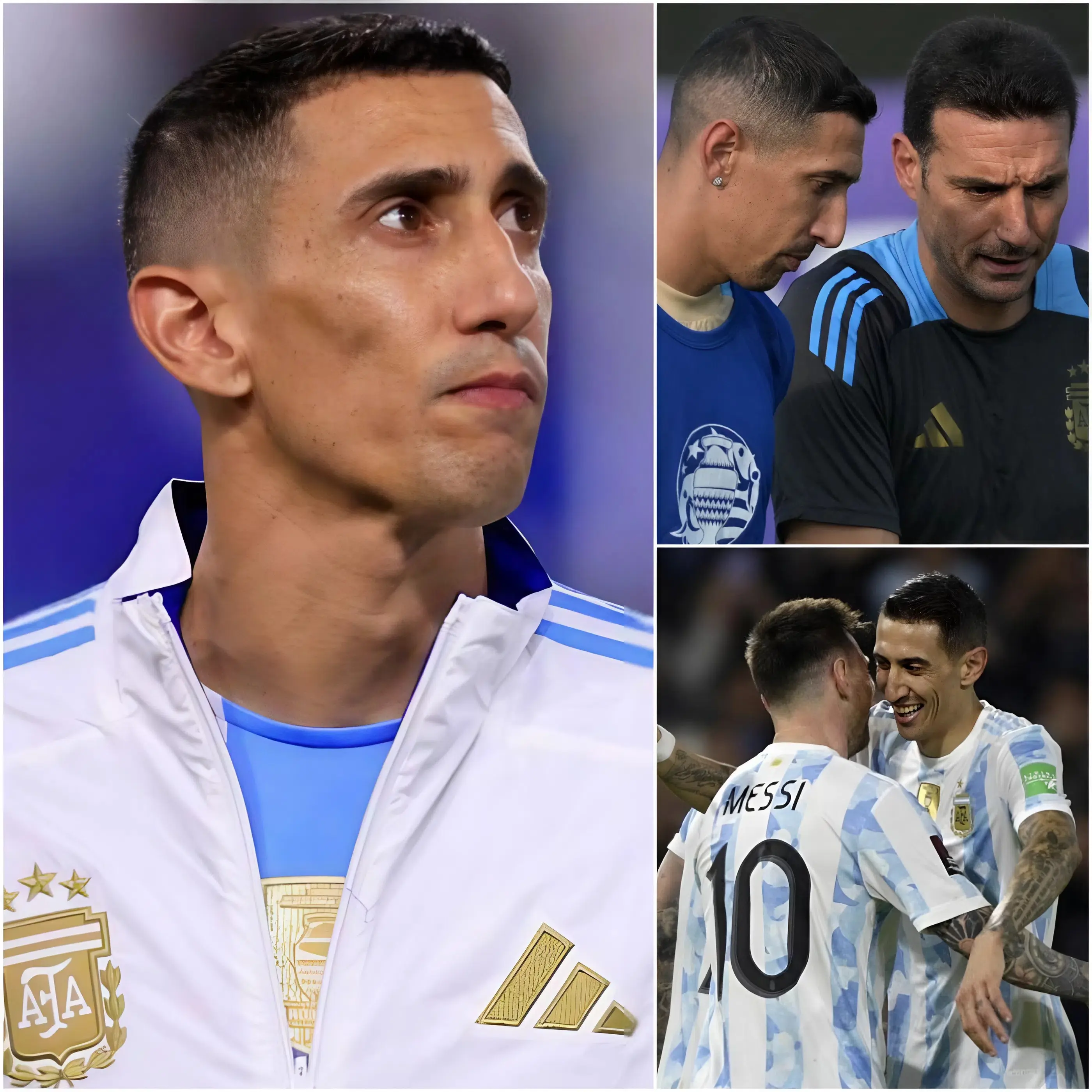
Di María’s international career has been defined by both achievement and resilience. Over the years, he has contributed to Argentina’s success in major tournaments, often delivering decisive performances in high-pressure moments. His role in the national team has evolved alongside changes in coaching staff, tactical approaches, and generational transitions within the squad. Even after stepping away from regular international duty, his influence has remained part of the broader narrative surrounding Argentine football.
The possibility of a return is particularly meaningful given the current phase of the national team’s development. Under the guidance of Lionel Scaloni, Argentina has established a structure that blends experienced players with emerging talent. Scaloni’s tenure has been marked by a clear emphasis on cohesion, adaptability, and a collective identity that prioritizes balance across all areas of the pitch. Within this framework, decisions about squad composition are carefully considered, taking into account both immediate needs and long-term planning.
Di María’s reported conversations with Scaloni suggest that any potential return would be approached with a shared understanding of these priorities. Rather than being framed as a permanent reintegration, the idea appears to center on providing support during a specific period or set of circumstances. This approach aligns with modern trends in international football, where veteran players are sometimes called upon to offer experience and leadership in key moments, even if they are no longer part of the regular rotation.
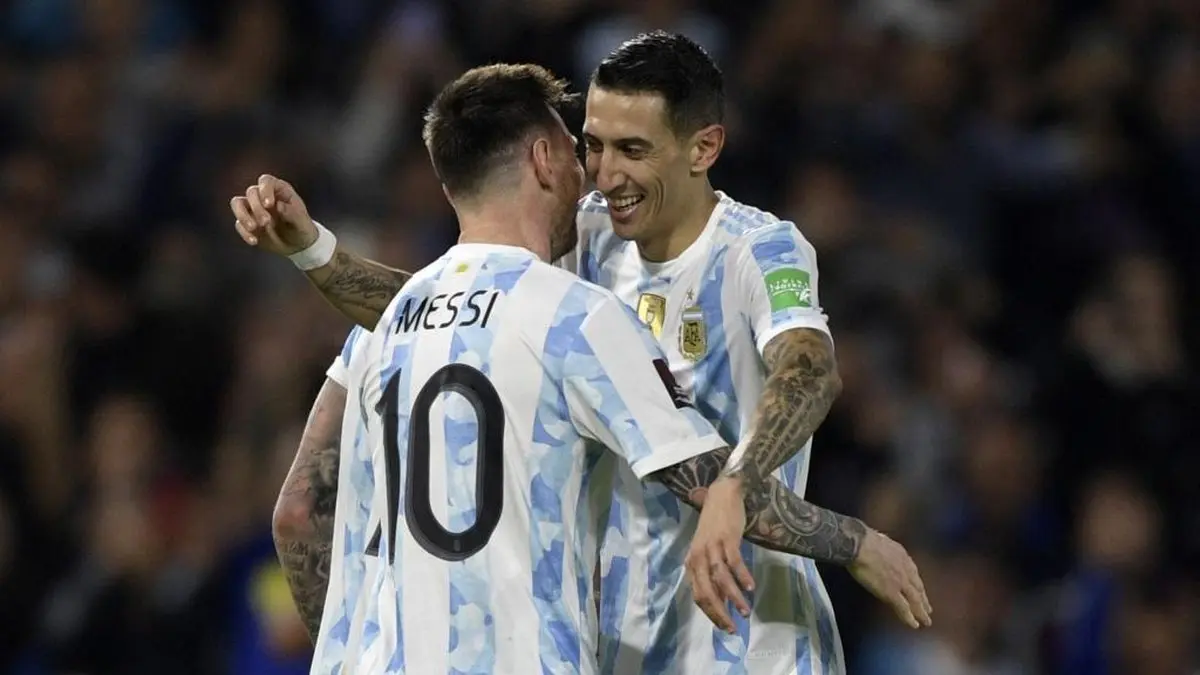
Central to the discussion is the presence of Lionel Messi, whose ongoing role in the national team continues to shape its identity. Messi and Di María have shared a long-standing partnership, both on and off the pitch, characterized by mutual understanding and complementary playing styles. Their collaboration has been a defining feature of Argentina’s attacking approach over the years, and the prospect of seeing them combine once more carries a certain symbolic weight.
However, the potential return of Di María is not solely about nostalgia or past achievements. It also raises practical considerations regarding how his skills could be integrated into the current system. Despite the passage of time, he remains a technically gifted player with the ability to influence matches through creativity, movement, and decision-making. His experience in high-stakes environments could prove valuable in situations where composure and tactical awareness are essential.
At the same time, the development of younger players within the Argentine squad has been a key focus in recent years. Emerging talents have been given opportunities to establish themselves, contributing to a sense of renewal within the team. Any decision to reintroduce a veteran player must therefore be balanced against the need to maintain opportunities for this new generation. Scaloni’s approach has generally reflected an understanding of this balance, emphasizing competition for places while fostering a supportive environment.
From the perspective of supporters, Di María’s comments have been met with a sense of appreciation and cautious optimism. For many fans, his contributions to the national team have earned him a lasting place in their regard, and the idea of seeing him represent Argentina once more is naturally appealing. At the same time, there is an awareness that football decisions must be guided by current form, fitness, and the overall needs of the team.
The broader football community has also engaged with the story in a measured way. Analysts have highlighted the potential benefits of having experienced players available during critical periods, particularly in tournaments where margins are often narrow. They have also noted that the dynamics of international football differ from those of club competitions, with limited preparation time placing a premium on players who can adapt quickly and contribute effectively.
Di María’s own perspective appears to be grounded in a sense of responsibility rather than personal ambition. His statement, emphasizing the idea of returning “when they need me,” suggests a willingness to prioritize the team’s requirements over individual considerations. This attitude is consistent with the role he has often played throughout his career, contributing in ways that may not always attract the same attention as headline performances but are nonetheless essential to collective success.
In considering the potential impact of such a return, it is useful to reflect on similar situations in football history. Many national teams have benefited from the temporary reintroduction of experienced players, particularly during transitional periods or in the lead-up to major competitions. These instances often demonstrate the value of experience in navigating the pressures and uncertainties that define international tournaments.
At the same time, there are challenges associated with reintegrating a player who has stepped away from regular involvement. Ensuring that the transition is smooth requires clear communication, mutual understanding, and a shared commitment to the team’s objectives. The relationship between Di María and Scaloni, as well as his familiarity with many current squad members, could play a significant role in facilitating this process.
The timing of any potential return will also be a key factor. International football operates within a structured calendar, with qualifying matches, friendlies, and tournaments each presenting different demands. Identifying the appropriate moment to bring in an experienced player involves careful consideration of these variables, as well as an assessment of the team’s current situation.
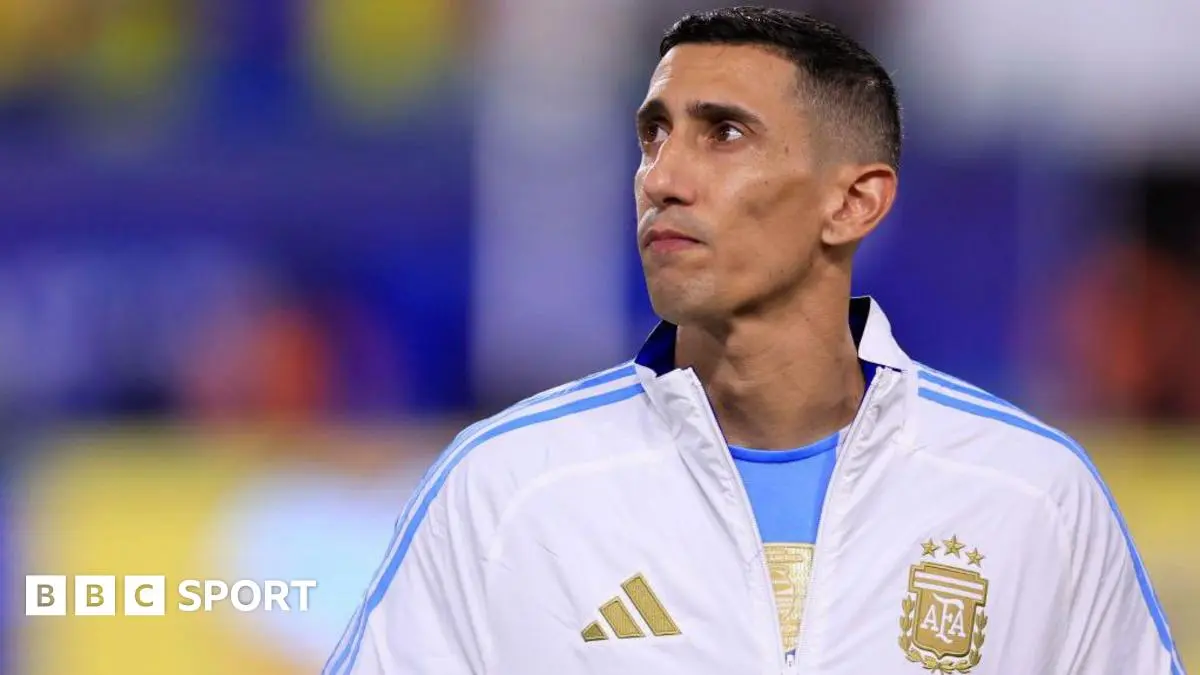
Beyond the immediate footballing context, the story also touches on broader themes of loyalty, identity, and the enduring connection between players and their national teams. Representing one’s country is often regarded as a unique honor, and the decision to return, even temporarily, can carry deep personal significance. For Di María, the possibility of wearing the national jersey once more appears to be motivated by a desire to contribute meaningfully during a time when his experience may be of value.
As discussions continue, it is important to recognize that no final decision has been formally confirmed. The situation remains one of possibility rather than certainty, with various factors likely to influence the outcome. What is clear, however, is that the conversation itself reflects the respect that Di María commands within the football community and the continued relevance of his contributions.
Looking ahead, the focus for Argentina will remain on maintaining the progress it has achieved in recent years. The team’s ability to combine experience with emerging talent has been a key strength, and preserving this balance will be essential as it prepares for future challenges. Whether or not Di María ultimately returns, the principles that have guided the team’s development are likely to remain central to its approach.
For Di María, the current moment represents an opportunity to reflect on his relationship with the national team and the role he wishes to play moving forward. His openness to returning, under the right circumstances, adds an additional dimension to his legacy, highlighting not only his achievements but also his ongoing commitment to the collective goals of Argentine football.
In the end, the significance of this development lies not in any single outcome, but in the values it represents. It underscores the importance of experience, the strength of long-standing partnerships, and the enduring sense of responsibility that many players feel toward their national teams. These elements, taken together, contribute to the richness of international football, where individual stories intersect with broader narratives to shape the identity of the game.