SHOCKING SCANDAL OVER MEXICO VS PORTUGAL TICKETS: WHEN THE “RONALDO FEVER” BECOMES THE SCAM OF THE CENTURY
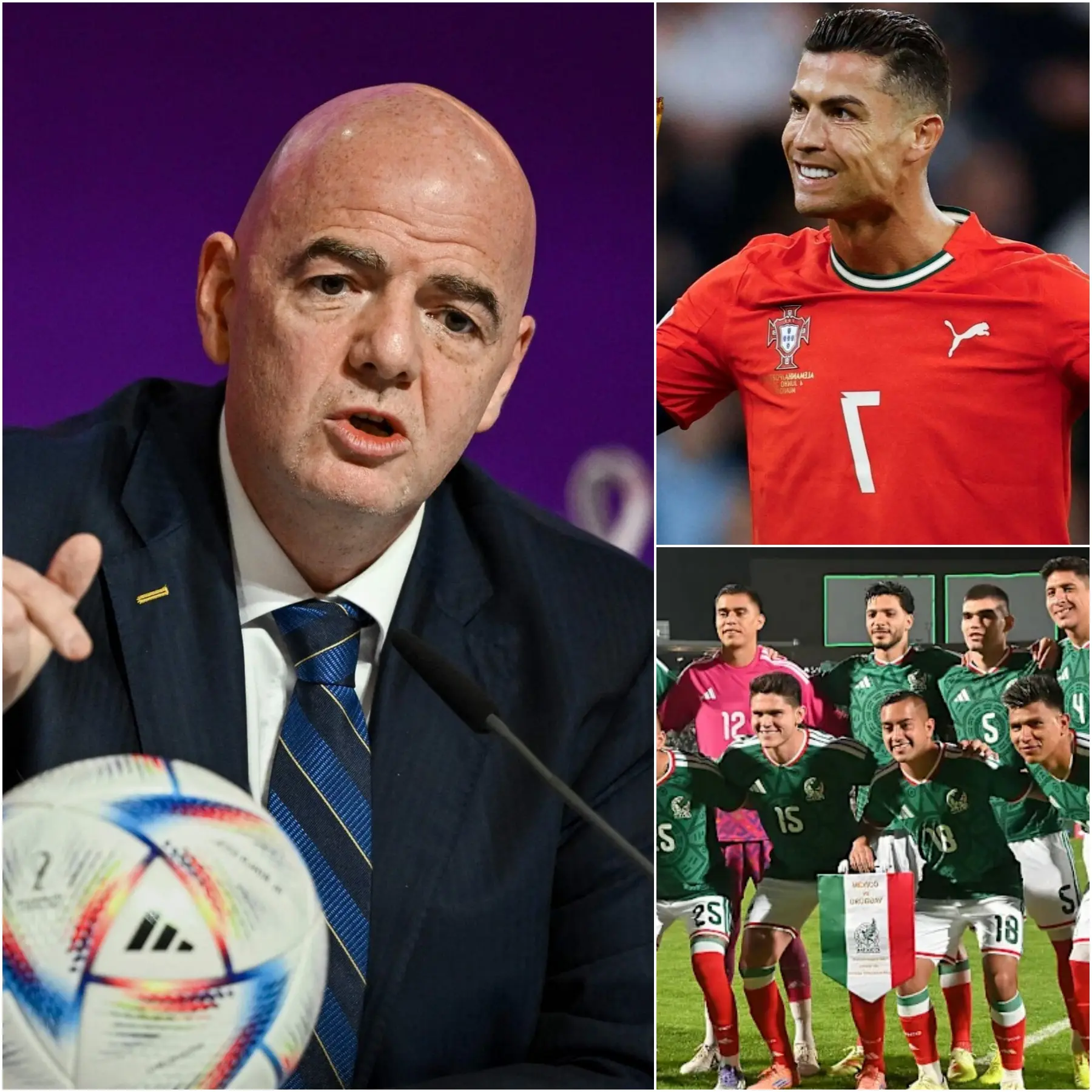
In the feverish buildup to one of the most anticipated international friendlies of the pre-2026 World Cup cycle, the Mexico versus Portugal clash promised to be a spectacle worthy of the iconic Estadio Azteca. Announced at the end of 2025, the match quickly became synonymous with a single name: Cristiano Ronaldo. Organizers and major sponsor Nike unleashed an unprecedented marketing blitz centered entirely on the Portuguese superstar, the all-time leading international goalscorer whose mere presence could electrify even a friendly encounter.
Original ticket prices were set between $150 and $400, reflecting what many viewed as a premium but reasonable cost for a rare opportunity to witness Ronaldo in Mexico City on March 28, 2026. Yet within minutes of going on sale, virtually every ticket vanished.
Fans logging onto official platforms reported immediate crashes in the ticketing system, fueling early suspicions that something was amiss. While legitimate demand was undeniably high—driven by Ronaldo’s global army of supporters and Mexico’s passionate soccer culture—the speed of the sell-out raised eyebrows. Almost instantly, the black market and resale platforms flooded with listings at prices that defied logic: tickets that had cost a few hundred dollars were suddenly being offered for $500, $1,000, and in some premium categories, up to $3,000.
The narrative was clear—Ronaldo fever had taken hold, and fans were willing to pay almost anything to secure their seat.
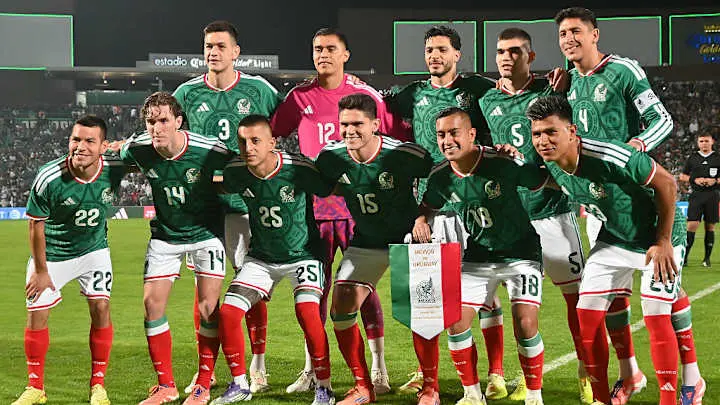
Behind the scenes, accusations of orchestrated scarcity began to swirl. Multiple reports and fan testimonies pointed to possible “backdoor access” granted to speculators and ticket brokers, who allegedly snapped up the vast majority of inventory before the general public could react. Whether through insider allocations, automated bots, or preferential partnerships, the result was the same: ordinary supporters were left scrambling while the secondary market ballooned.
The entire frenzy rested on one unshakable assumption—that Cristiano Ronaldo would not only travel with Portugal but would feature prominently in what was billed as a marquee tune-up for both nations ahead of the 2026 World Cup co-hosted by Mexico, the United States, and Canada.
For weeks, the hype machine rolled on. Social media was saturated with images of Ronaldo in a Portugal jersey against the backdrop of the Azteca’s majestic architecture. Nike released special edition merchandise tied to the match, while Mexican media outlets ran daily segments dissecting how Ronaldo’s presence would inspire El Tri and provide the perfect send-off for the renovated stadium. Demand remained sky-high even as resale prices climbed into the stratosphere.
Stories emerged of fans mortgaging small assets, pooling money with friends, or traveling from across Latin America just to be part of the “Ronaldo experience.” The belief that the 41-year-old icon would deliver one of his trademark performances in one of soccer’s most hallowed venues was so powerful that it created what many are now calling an economic bubble.
Then came the devastating announcement. Just days before the match, the Portuguese Football Federation confirmed that Ronaldo would miss both the Mexico friendly and the subsequent game against the United States due to a hamstring injury sustained while playing for Al-Nassr in Saudi Arabia. The injury, described as minor but sufficient to sideline him during the March international window, shattered the central pillar of the entire ticket market. Portugal’s squad was announced without its captain, and the news spread like wildfire across global sports networks.
In a matter of hours, the Ronaldo bubble burst spectacularly. Resale prices, which had been hovering around $600 or more even close to kickoff, collapsed. Tickets that fans had desperately acquired at inflated rates were suddenly listed for as low as $100, with many struggling to find any buyers at all. Those who had paid premium sums—sometimes thousands of dollars—to scalpers or secondary platforms found themselves holding worthless assets in emotional and financial terms. Speculators who had hoarded inventory in anticipation of a massive payday were left with heavy losses and no escape route as demand evaporated overnight.
The backlash in Mexico has been swift and ferocious. Across social media platforms, fan forums, and even mainstream Mexican sports media, a wave of outrage has erupted. Supporters are united in labeling the episode as nothing short of the “scam of the century”—a sophisticated manipulation that preyed on the emotions and loyalty of millions of Ronaldo devotees worldwide. Many accuse organizers, sponsors, and ticketing partners of deliberately engineering artificial scarcity to maximize profits from Ronaldo’s name while knowing—or at least strongly suspecting—that his participation was never guaranteed.
Questions are being raised about whether adequate contingency plans existed or if the marketing campaign crossed ethical lines by building an event so heavily around one aging superstar.
Critics point out that while injuries are an unavoidable part of professional football, the total reliance on Ronaldo’s star power turned what should have been a celebration of two proud footballing nations into a high-stakes gamble for ordinary fans. Mexican authorities and consumer protection groups have reportedly received hundreds of complaints, with calls growing for investigations into possible collusion between primary ticket sellers and resale operators. Some fans are demanding refunds or compensation, arguing they purchased tickets under false pretenses created by the intense “Ronaldo or nothing” promotional narrative.
Defenders of the organizers counter that no one can predict injuries with certainty and that the initial sell-out reflected genuine excitement for a high-profile friendly at a historic venue. They note that Portugal remains a formidable side even without Ronaldo, featuring talented players capable of delivering an entertaining match. Yet such arguments have done little to quell the anger. For many, the rapid price crash serves as undeniable proof that the market had been artificially inflated around one man’s presence rather than the quality of the contest itself.
As the match approaches, the atmosphere in Mexico City is markedly different from the electric anticipation that defined the sales period. While the game will still go ahead at the newly renovated Azteca—providing an important test for both teams in their final preparations before the World Cup—the shine has been significantly dulled. Fans who managed to secure tickets at original prices may still attend out of national pride or curiosity, but those burned by the resale market feel betrayed. Social media is filled with memes, angry rants, and personal stories of financial hardship caused by the frenzy.
This scandal highlights broader issues plaguing modern sports ticketing: the vulnerability of fans to hype-driven markets, the role of technology in enabling rapid speculation, and the ethical responsibilities of organizers and sponsors when leveraging individual athletes as the primary draw. Ronaldo himself has not publicly commented on the ticket drama, focusing instead on his recovery, but his absence has inadvertently exposed the fragility of an event built too heavily on celebrity.
In the end, the Mexico-Portugal friendly stands as a cautionary tale. What began as a celebration of soccer’s global appeal and Ronaldo’s enduring legacy has morphed into a stark reminder of how quickly “fever” can turn into financial folly. As Mexican fans process their disappointment and demand accountability, the broader football community watches closely. The question lingers: in an era where superstar names can command astronomical value, how can events be protected from becoming vehicles for manipulation rather than genuine sporting contests?
For now, the Azteca will host a match between two competitive nations, but the real story is no longer on the pitch. It is the thousands of fans who paid the ultimate price for believing too strongly in the magic of one man—and the system that allowed that belief to be so profitably exploited. The “scam of the century” may not involve outright fraud in the legal sense, but for those left holding devalued tickets and broken dreams, the sense of betrayal runs deep.
As the 2026 World Cup draws nearer, lessons from this episode will hopefully ensure that future friendlies prioritize the game itself over any single player’s aura.