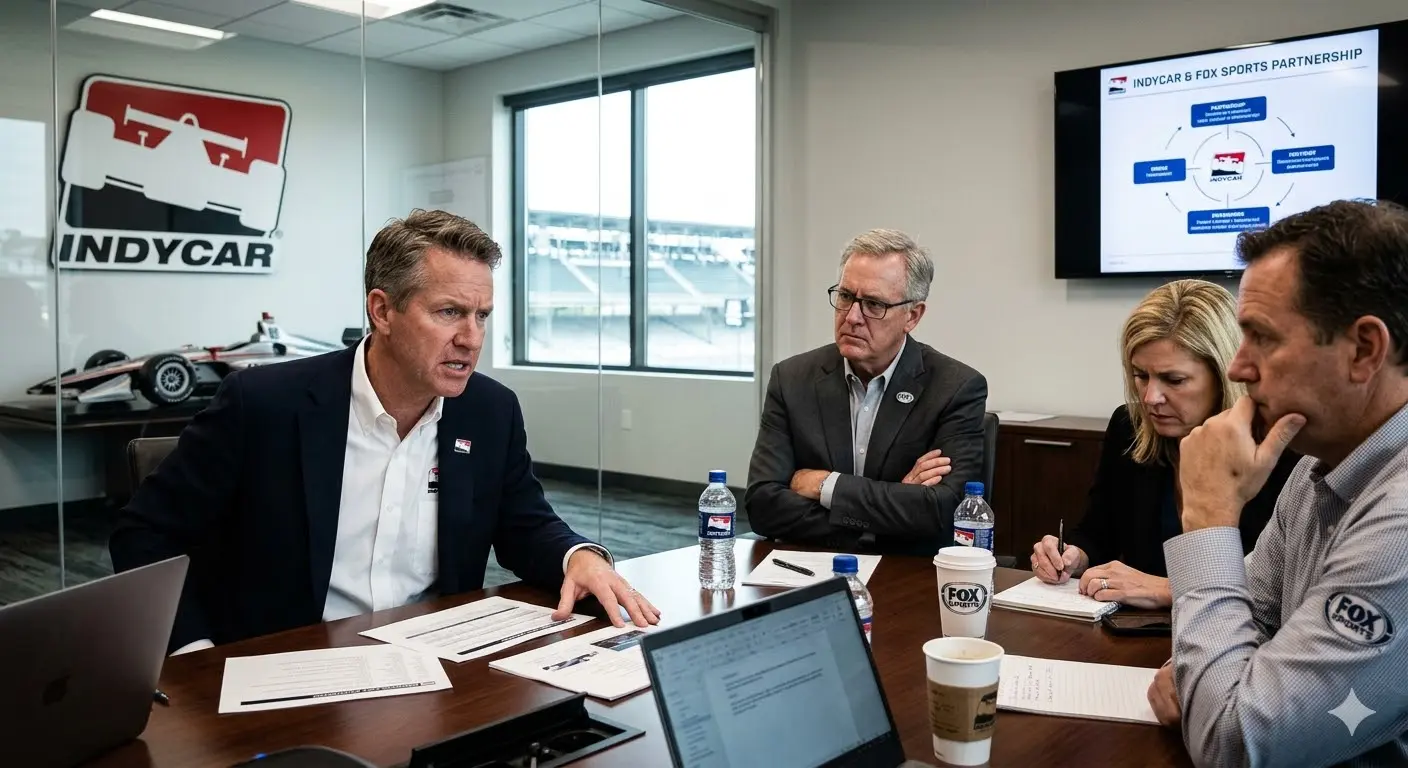
An emergency three-hour meeting between IndyCar and FOX sought to fix the controversial qualifying format that followed the Arlington GP.
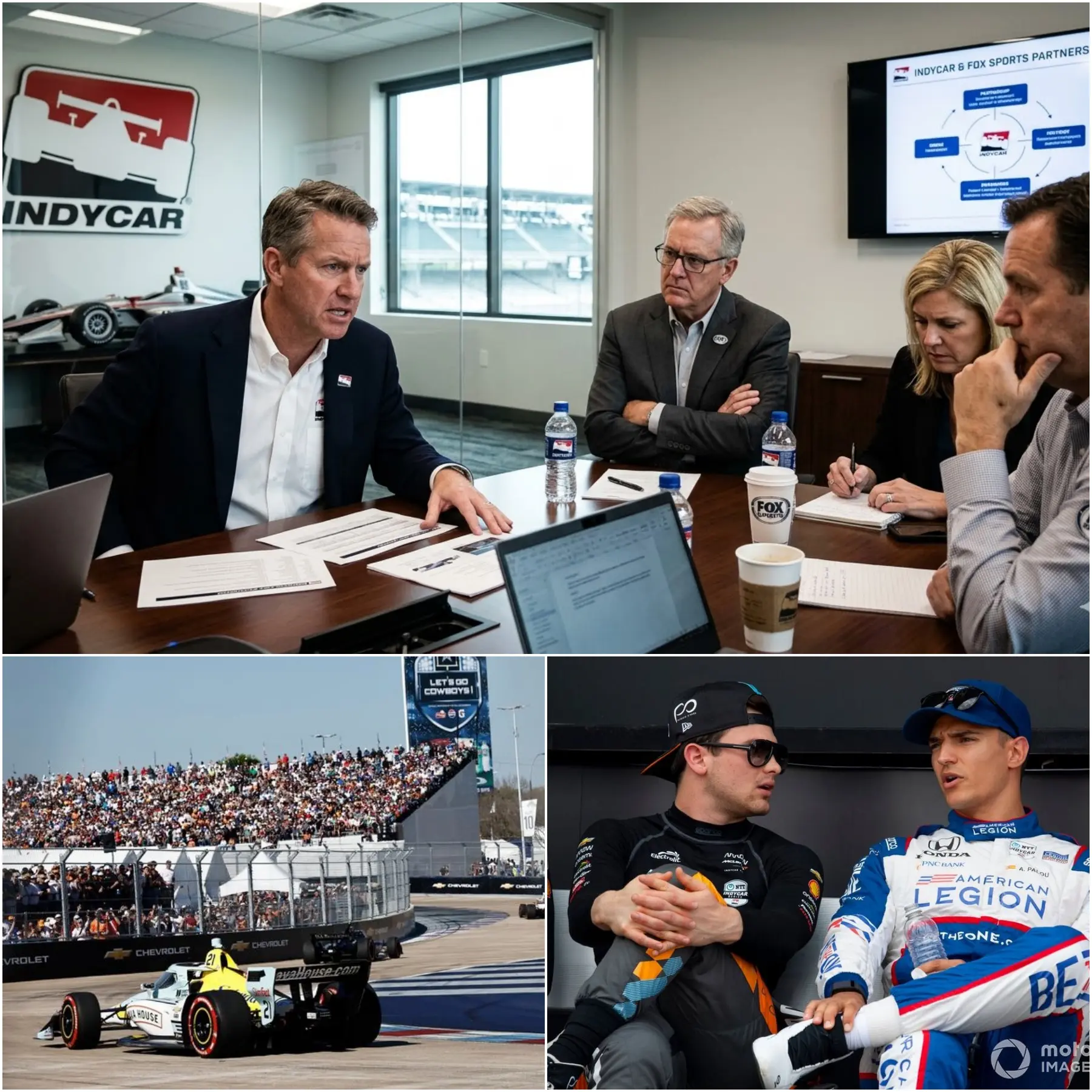
In the aftermath of the inaugural Java House Grand Prix of Arlington, IndyCar officials and representatives from broadcast partner FOX Sports convened for an urgent three-hour meeting aimed at addressing significant flaws exposed in the event’s experimental qualifying format. The session, held behind closed doors shortly after the race weekend concluded, focused on refining the single-car, single-lap Firestone Fast Six procedure that had drawn sharp criticism from drivers, teams, and fans alike.
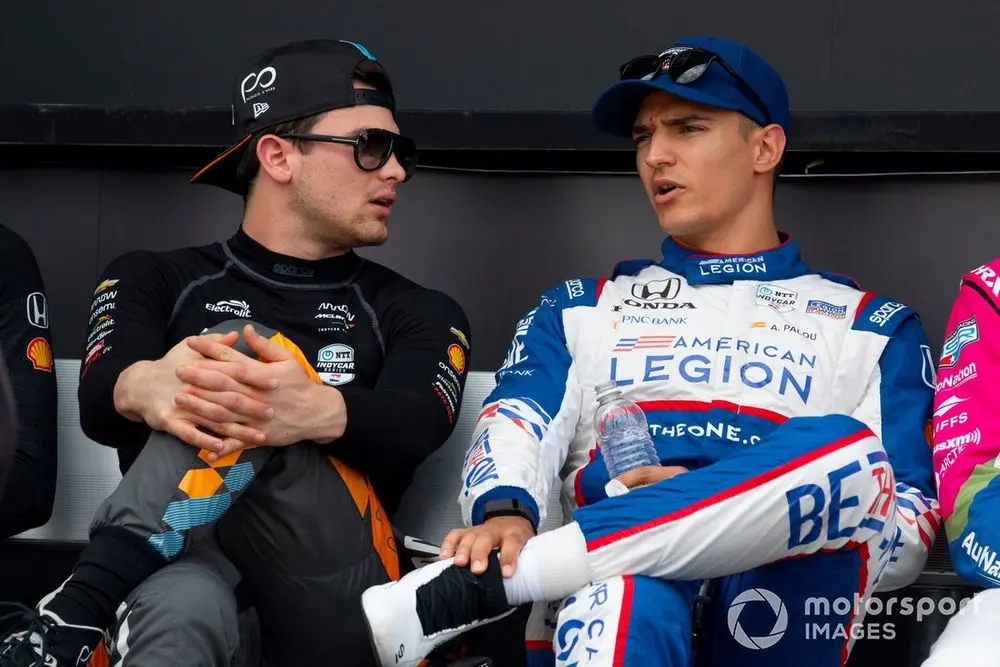
While the new format was designed to enhance television exposure and create dramatic moments for the expanded FOX broadcast, it instead created unintended disadvantages for some of the series’ top contenders, most notably championship frontrunners Alex Palou and Pato O’Ward.
The controversy stemmed from a well-intentioned but ultimately problematic tweak to the traditional knockout qualifying system. For the Streets of Arlington—a brand-new 2.73-mile temporary street circuit winding past the Dallas Cowboys and Texas Rangers stadiums—IndyCar altered only the final Firestone Fast Six segment. The first two segments retained the standard group-based knockout format, but the top six drivers from Segment 2 were sent out individually in reverse order of their previous times.
Each driver received one hot lap with the track to themselves, a change intended to give FOX more dedicated camera time per car and heighten the spectacle for viewers during the two-hour qualifying broadcast.
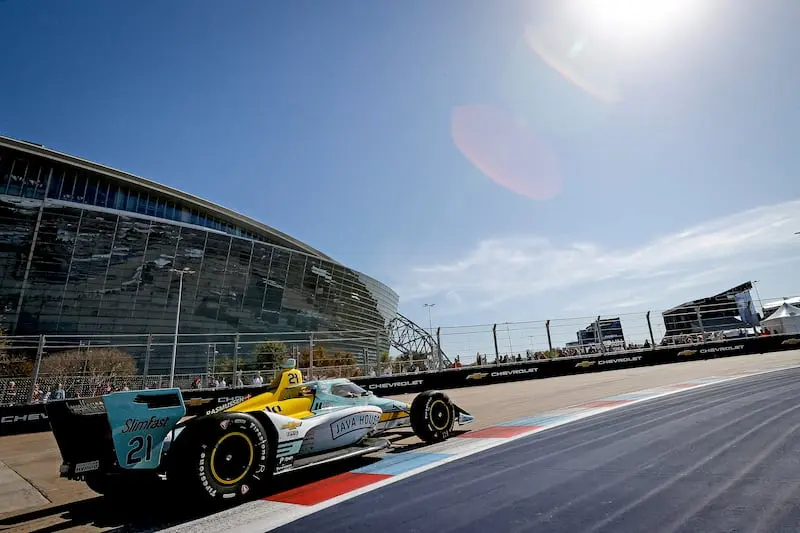
On paper, the idea had merit. Drivers such as Will Power had expressed excitement beforehand, noting that on a longer street course like Arlington, the format could allow cars to build tire temperature and fluid warmth effectively. Yet in practice, the execution faltered dramatically for those who had performed best in the earlier rounds. Alex Palou, the two-time defending champion driving for Chip Ganassi Racing, and Pato O’Ward of Arrow McLaren emerged from Segment 2 as the fastest and second-fastest drivers, respectively.
Under the reversed running order, this meant they were forced to wait the longest before taking their final qualifying laps.
That extended wait proved costly. With engines running and tires mounted on fresh sets of Firestone rubber, Palou and O’Ward sat stationary in the pits far longer than their rivals. As minutes ticked by, tire temperatures dropped significantly, robbing the compounds of their optimal grip. When the pair finally rolled onto the 2.73-mile layout, their cars lacked the immediate bite needed to challenge for the outright fastest times.
Palou, who had looked dominant throughout practice and the early qualifying segments, could only manage a lap that left him starting second on the grid behind surprise pole-sitter Marcus Ericsson of Andretti Global. O’Ward slotted into third, but both drivers later voiced frustration over the artificial disadvantage created by the format’s structure.
“It’s tough when you’ve done everything right up to that point, only to lose out because you’re sitting there cooling your tires,” one insider familiar with the Chip Ganassi Racing camp remarked after the session. Similar sentiments echoed across the paddock. While Ericsson benefited from going out earlier in the Fast Six rotation—his tires still carrying heat from the previous segment—he capitalized to claim his first career IndyCar pole, a milestone that added an extra layer of narrative drama to the weekend but also highlighted the format’s inconsistencies.
The issues extended beyond individual driver grievances. Observers noted that the lengthy gaps between cars—sometimes stretching to nearly two minutes—made for a disjointed viewing experience on television despite FOX’s expanded coverage. Split times and on-screen graphics struggled to convey the real-time drama, leaving casual viewers confused about whether drivers were improving or fading. Technical glitches, including occasional problems with electronic timing transmitters failing to register cars consistently at the start-finish line, compounded the perception that the format needed immediate refinement.
IndyCar President Doug Boles acknowledged the teething problems in the days following the race, confirming that the emergency meeting with FOX produced constructive dialogue. Both parties recognized that while the single-car format delivered compelling individual storylines and more airtime for star drivers, the tire-cooling penalty for top performers from Segment 2 undermined the core principle of fair competition. Sources indicate the discussion centered on potential adjustments, such as revised running orders, mandatory tire-warming procedures, or even hybrid elements that blend group and single-car elements for future events.
Boles has already signaled that elements of the Arlington qualifying format could return later in the 2026 season, but only after thorough review and possible modifications. “We’re committed to evolving our product in partnership with FOX to create the best possible experience for fans, drivers, and teams,” he stated in a follow-up interview. “The intent was to innovate and showcase our athletes more effectively. Where we fell short, we’ll correct it.”
For Palou and O’Ward, the qualifying setback did not derail their weekends entirely. Palou started on the front row and engaged in a thrilling late-race duel with eventual winner Kyle Kirkwood of Andretti Global, finishing second after a hard-fought battle on the streets of Arlington. O’Ward started third and drove a solid race to finish inside the top five, maintaining his position near the top of the championship standings. Yet both drivers, along with their teams, emphasized that qualifying should reward consistent pace across all segments rather than introduce variables unrelated to outright speed.
The broader implications for IndyCar’s 2026 season are significant. As the series continues its push for greater visibility through enhanced broadcast partnerships, experiments like the Arlington Fast Six serve as valuable test cases. FOX’s willingness to extend qualifying coverage to two hours demonstrated a shared investment in growing the sport’s audience, but the format’s flaws underscored the delicate balance between entertainment value and sporting integrity.
Fans and pundits have offered mixed reactions. Some praised the single-car runs for creating tense, isolated moments reminiscent of Formula 1’s occasional one-shot qualifying experiments. Others argued that the traditional group format in the Fast Six better reflects the wheel-to-wheel nature of IndyCar racing and avoids penalizing strong early performances. Social media buzz in the immediate aftermath of Arlington was dominated by debates over whether Palou and O’Ward were robbed of a genuine shot at pole.
As the NTT IndyCar Series prepares for the next round at Barber Motorsports Park, attention now turns to how quickly officials can implement fixes. The three-hour emergency meeting represents more than just damage control; it signals IndyCar’s proactive approach to refining its product in real time. Whether the series retains a modified version of the single-lap Fast Six, reverts to the group format, or develops an entirely new hybrid system remains to be seen. What is clear, however, is that the sport’s stakeholders are united in their desire to prevent similar controversies from overshadowing future events.
In the high-stakes world of open-wheel racing, where milliseconds separate glory from disappointment, even small procedural changes carry enormous weight. The Arlington GP qualifying saga serves as a reminder that innovation must always be measured against fairness. With Palou and O’Ward among those most affected, the resolution of this debate could influence not only starting grids but also the championship battle that is already shaping up to be one of the most competitive in recent years.
As teams dissect data from the Texas street circuit and prepare for the remainder of the season, one thing is certain: the conversation sparked by that controversial Fast Six will drive meaningful evolution in how IndyCar qualifies its stars. The emergency meeting with FOX was the first step. The coming weeks and months will reveal whether the series can turn a well-publicized misstep into a lasting improvement for drivers, teams, and the growing global audience tuning in on broadcast and streaming platforms alike.