The world’s bravest horse racer
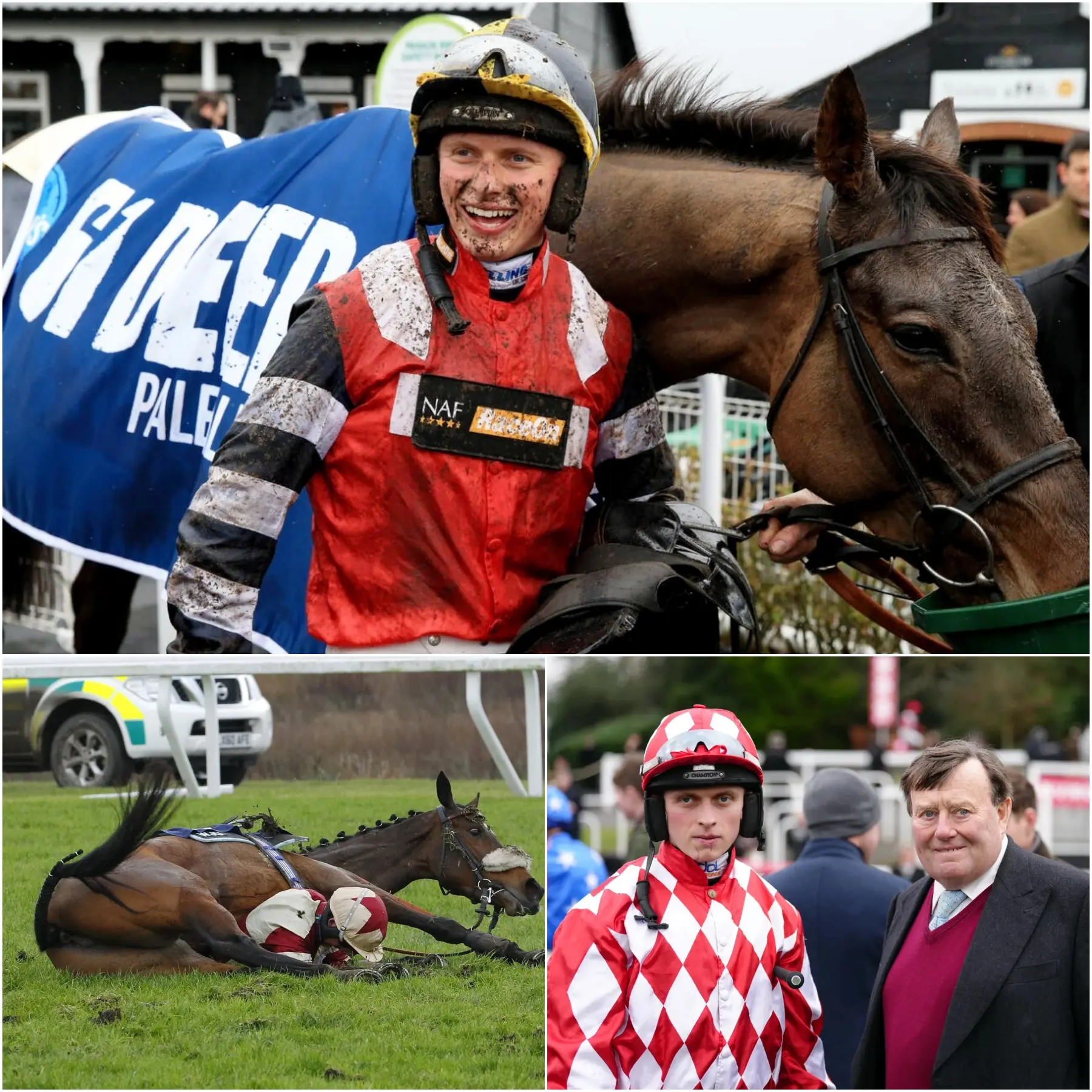
In the unforgiving world of National Hunt racing, where split-second decisions separate glory from catastrophe, one moment at Ffos Las racecourse in Wales on a crisp January afternoon in 2025 etched itself into sporting legend. Jockey James Bowen, already regarded by many as one of the toughest riders in the game, found himself pinned beneath a 500-kilogram thoroughbred after a horrific fall. Trapped with his legs entangled and one foot still caught in the stirrup, Bowen lay motionless as the horse, Saunton Surf, thrashed above him. Spectators held their breath, fearing the worst.
Yet, just over an hour later, the same man was back in the saddle, guiding another horse to victory in a display of raw courage that left the racing world stunned and inspired.
The drama unfolded during a routine hurdle race at the picturesque Ffos Las track, a venue known for its testing ground and passionate crowds. Bowen, a seasoned Welsh jockey from a prominent racing family, was aboard Saunton Surf, a promising contender carrying odds of around 11/2. The pair had navigated most of the race cleanly, but as they approached the final hurdle, disaster struck. The horse misjudged the obstacle, clipping the top and crashing down heavily. In the chaos of tumbling bodies and flying turf, Bowen was thrown forward and pinned underneath the massive animal.
His legs were trapped, and the weight of the horse pressed down relentlessly.
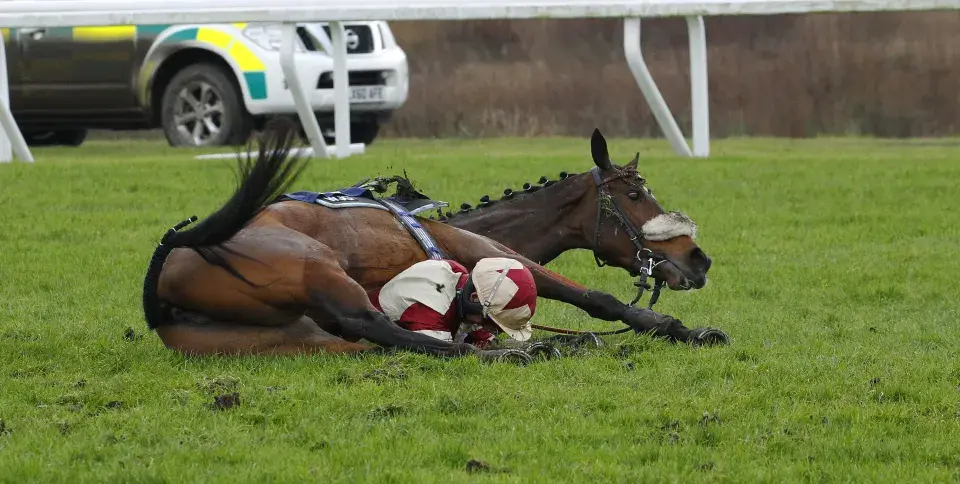
Emergency crews rushed to the scene. With the horse in distress and refusing to move freely, track officials made the difficult decision to sedate Saunton Surf to safely extract the jockey. Bowen remained conscious throughout the ordeal, later recounting the terrifying sensation of being unable to move while fearing a stray kick to the head. “I thought that was it,” he admitted in subsequent interviews. “You feel the weight crushing you, and all you can do is lie there and hope.” Minutes stretched like hours as paramedics and stewards worked methodically to free him.
Miraculously, initial assessments showed no broken bones or serious internal injuries—a testament to both Bowen’s physical conditioning and the protective gear modern jockeys wear.
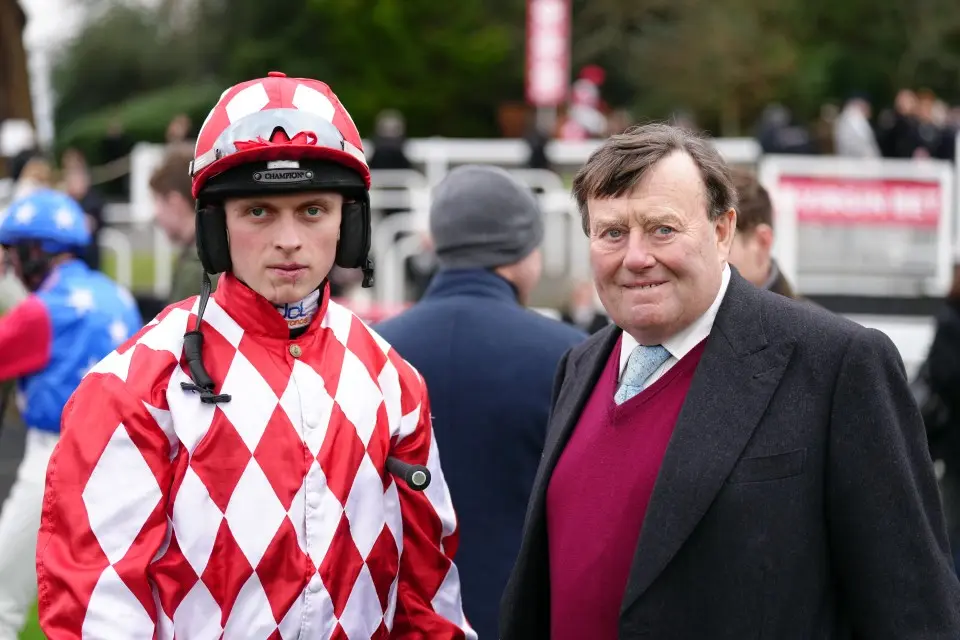
As news of the fall spread through the stands and via social media, the atmosphere at Ffos Las turned somber. Punters and fellow riders alike whispered about the all-too-familiar risks of the sport. Horse racing has long been celebrated for its thrill, but it is equally notorious for its brutality. Falls like this have ended careers and, in tragic cases, claimed lives. Yet Bowen refused to let this moment define him as a victim.
After medical clearance and a brief period of rest in the weighing room, he made a decision that would shock everyone: he would ride in the next race on the card.
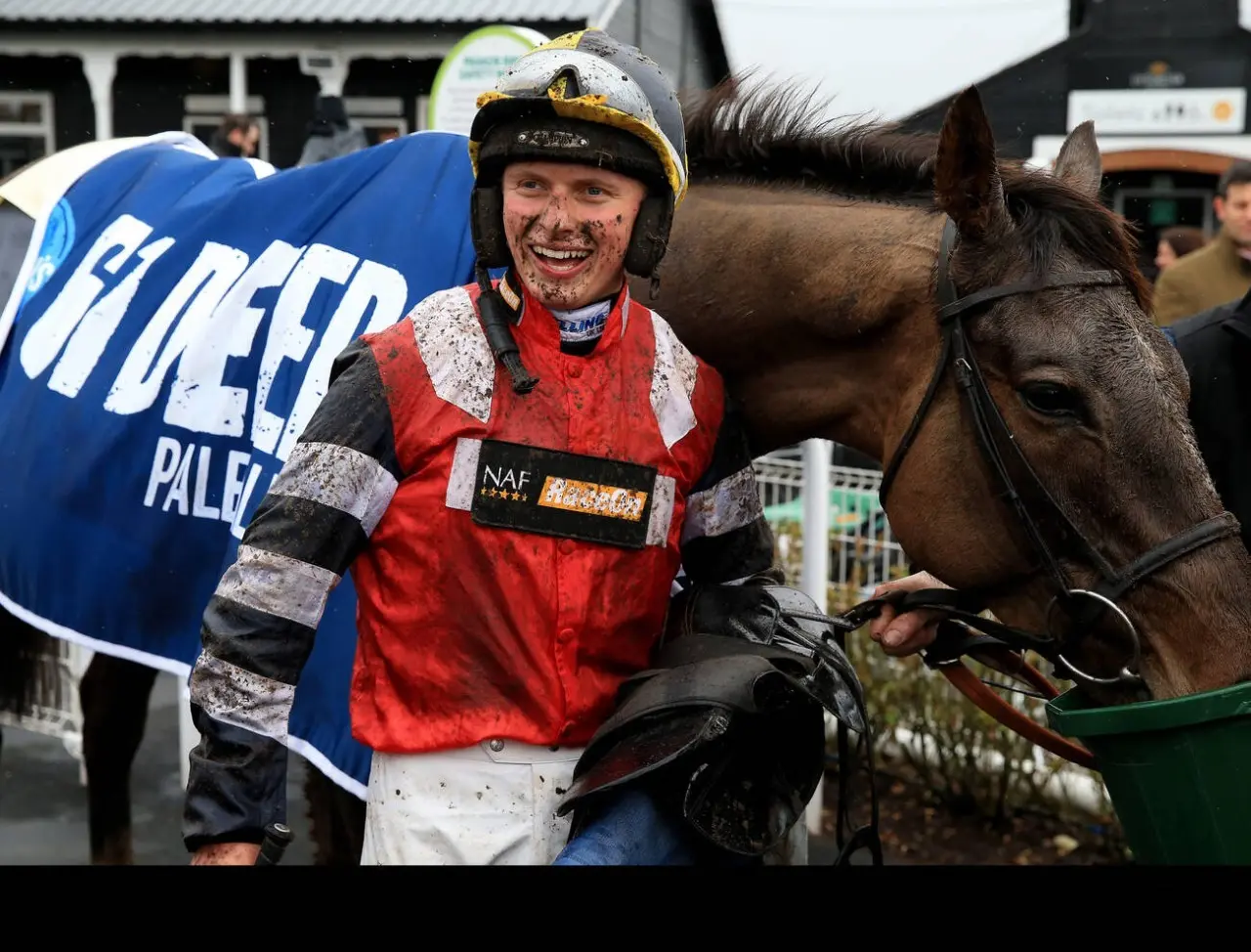
That next mount was Keep Running, a horse with its own story of resilience. Less than 60 minutes after being dragged from beneath Saunton Surf, Bowen emerged to a roar of applause from the crowd. His face showed the strain of the earlier trauma—perhaps a few bruises forming—but his posture in the saddle remained impeccable. As the race began, observers wondered if adrenaline alone was carrying him. Doubts lingered: how could anyone, after such a crushing experience, summon the focus required to compete at elite level?
The answer lay in Bowen’s extraordinary willpower and deep-rooted love for the sport. From a young age, growing up in a family steeped in Welsh racing tradition, he had learned that pain is temporary but regret lasts forever. His brothers, including the highly successful Sean Bowen, had carved their own paths in the saddle, but James had always been noted for his fearless approach and quick recovery from setbacks. This day would test every ounce of that reputation.
As the field thundered down the straight, Bowen positioned Keep Running with precision, conserving energy while staying in touch with the leaders. The ground, softened by recent rain, demanded careful judgment—something Bowen executed flawlessly despite the lingering discomfort in his legs. Approaching the final stages, he urged his mount forward with quiet determination. Keep Running responded, surging past tiring rivals in a powerful finish that secured a hard-fought victory. Crossing the line, Bowen raised his whip in quiet celebration, but the real emotion came from the stands. Spectators erupted in cheers, many wiping away tears.
Commentators struggled to find words adequate for what they had witnessed. “How did this man do that?” became the question echoing across racing forums, pubs, and living rooms worldwide.
Social media exploded with tributes. Hashtags like #BravestJockey and #BowenMiracle trended as clips of the fall and subsequent win circulated. One punter summed it up: “Trapped under half a ton of horse, then winning an hour later? This bloke isn’t human—he’s a legend.” Even rival trainers and jockeys paid homage, acknowledging that Bowen’s performance transcended competition. It spoke to the unbreakable spirit that defines the sport’s best.
Back in the winner’s enclosure, Bowen downplayed the heroics. “I just wanted to get back out there,” he said with characteristic modesty. “The lads helped me get sorted, the doctors gave me the all-clear, and the horse was ready. Racing doesn’t wait, and neither do I.” His matter-of-fact tone only amplified the admiration. Medical experts later noted that while Bowen escaped major injury, the psychological toll of such a close call could linger. Yet his immediate return suggested a mental fortitude honed through years of facing danger every time he swung a leg over a horse.
This wasn’t Bowen’s first brush with adversity. Like many in jump racing, he had endured falls, concussions, and broken bones before. Each time, he returned stronger, driven by the camaraderie of the weighing room and the thrill of partnership with powerful equine athletes. His family background provided a foundation of resilience; the Bowens are no strangers to the highs and lows of the turf. But even by those standards, the Ffos Las episode stood apart—a raw illustration of human limits pushed to their edge.
The story quickly transcended British racing circles, captivating audiences globally. Newspapers from Australia to America hailed Bowen as “the world’s toughest jockey” or, more poetically, “the bravest horse racer.” It sparked renewed conversations about safety in the sport: improved hurdle designs, better protective vests, and enhanced on-track medical protocols. Yet it also celebrated the intangible qualities—grit, determination, and sheer bloody-mindedness—that make racing so compelling.
In the days that followed, Bowen continued riding with the same quiet intensity. No fanfare, no dramatic announcements—just a professional getting on with the job he loves. Saunton Surf, thankfully, recovered from the sedation and the fall, returning to training. Keep Running’s win added another chapter to Bowen’s growing tally of successes, but it was the context that made it unforgettable.
What drives a person to climb back aboard after being crushed by a half-ton animal? For James Bowen, it seems to be an innate refusal to yield. In an era where athletes often speak of mental health and self-care, his actions offered a different, perhaps old-school lesson: sometimes, the greatest victories come not from avoiding pain, but from staring it down and pushing through.
The Ffos Las incident will be replayed in racing documentaries and retold in weighing rooms for years to come. It shocked the world not because it was unprecedented—falls are part of the game—but because of the speed and spirit of the recovery. Everyone who saw it asked the same question: “How did this man do that?” The answer, it turns out, is simple yet profound. James Bowen did it because that’s who he is: a rider whose steely resolve turns potential tragedy into an emotional miracle.
In the end, horse racing’s beauty and brutality collided that day at Ffos Las. One jockey’s nightmare became a testament to the human spirit. And as long as there are men and women willing to risk everything for the love of the sport, stories like Bowen’s will continue to remind us why we watch, why we cheer, and why we believe in miracles on the racetrack.