THE MOST TRAGIC ACCIDENT IN HORSE RACING HISTORY
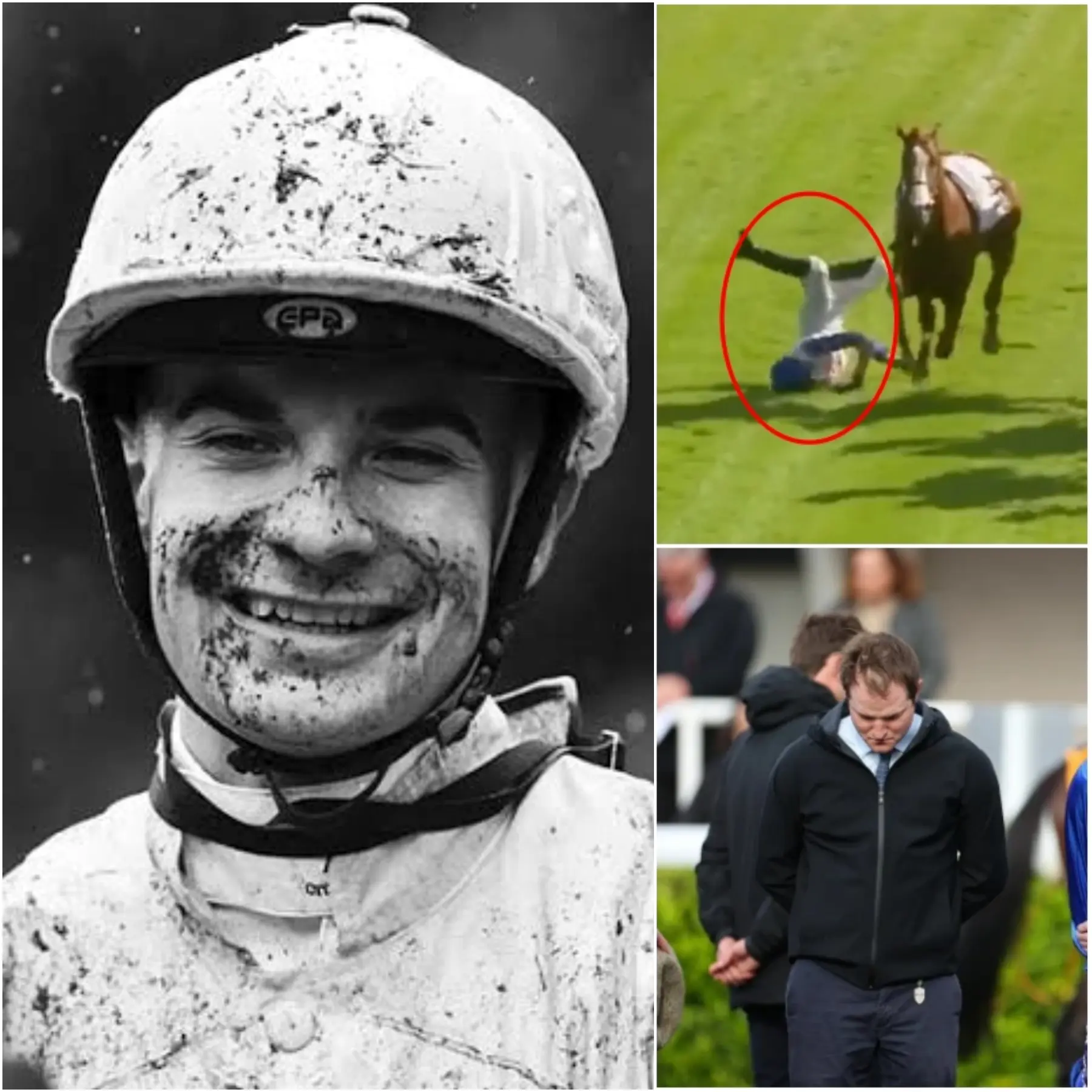
The world of horse racing, a sport celebrated for its thrilling speed, grace, and tradition, was plunged into profound sorrow in early April 2024 when news broke of the death of 23-year-old Italian jockey Stefano Cherchi. Following a catastrophic fall at Canberra Racecourse in Australia on March 20, Cherchi battled for his life in intensive care for two weeks before succumbing to his injuries. His passing not only robbed the racing community of a promising talent but also highlighted the ever-present dangers inherent in the profession, leaving family, friends, colleagues, and fans devastated.

Cherchi, born in Sardinia, Italy, had already carved out a notable career despite his young age. He relocated to Britain to pursue his passion, where he quickly established himself as a skilled and determined rider. Under the guidance of trainers like Marco Botti, with whom he shared a close bond akin to father and son, Cherchi amassed over 100 winners on British tracks. His victories included competitive races that showcased his tactical intelligence and fearless approach in the saddle. Known for his work ethic and positive spirit, he earned admiration from peers and punters alike.
Seeking new opportunities during the British off-season, he ventured to Australia, riding for trainers such as Robert Quinn and competing at various meetings Down Under.

The fateful day came during the Affinity Electrical Technologies Plate at Canberra Racecourse. Cherchi was aboard Hasime, a horse under Quinn’s care, in what appeared to be a routine midweek race. In a sudden and chaotic incident involving two other horses, Hasime clipped heels or lost balance, causing the mount to fall heavily. Cherchi was unseated violently, striking the ground with tremendous force. While the other affected riders and all horses escaped serious harm, Cherchi suffered a severe head injury along with internal bleeding.
Medical teams rushed to the track, providing immediate attention for nearly an hour before he was airlifted or transported to a nearby hospital. Doctors placed him in an induced coma in the intensive care unit as they fought to stabilize his condition and manage the swelling and trauma to his brain.

For the next two weeks, updates on Cherchi’s condition were closely followed by the racing world. Messages of support flooded social media, with tributes from jockeys, trainers, owners, and fans pouring in from Britain, Italy, Australia, and beyond. Colleagues described him as a bright light in the sport—young, ambitious, and full of life. His girlfriend and parents remained by his bedside, clinging to hope amid the grim prognosis. Despite the best efforts of medical staff, Cherchi’s injuries proved too grave.
On April 3, 2024, the NSW Jockeys Association confirmed the heartbreaking news: Stefano Cherchi had passed away, surrounded by his loved ones.

The tragedy sent shockwaves far beyond Canberra. In Britain, where he had built his reputation, statements from the British Horseracing Authority, the Professional Jockeys Association, and numerous trainers expressed deep grief. Marco Botti, who had mentored him closely, spoke emotionally of the young rider he regarded almost as family. Australian racing authorities and the local community at Canberra Racecourse also mourned, emphasizing the risks jockeys face every time they mount up.
The incident reignited discussions about safety measures in the sport, including advancements in protective gear like improved helmets and body protectors, better track surfaces, and protocols for race starts to reduce multi-horse incidents.
Cherchi’s death stands out not only for its suddenness but also because of the immense promise he represented. At just 23, he had already achieved what many jockeys strive for over decades: international success, a solid win record, and respect from across the racing globe. His move to Australia was seen as a stepping stone to even greater accomplishments, perhaps returning to Europe with enhanced experience or establishing a long-term presence in the Southern Hemisphere. Instead, the sport lost one of its rising stars in the cruelest way imaginable.
The grief extended to his personal circle. His family in Sardinia, who had supported his dreams from afar, faced unimaginable loss. His girlfriend, who had stood vigil during those agonizing hospital days, was left to navigate a future without him. Friends and fellow riders shared memories of his laughter, dedication, and the joy he brought to the weighing room. Many noted how he embodied the spirit of horse racing—resilient, passionate, and willing to push limits for the thrill of competition.
Horse racing has witnessed its share of tragedies over the centuries, from fatal falls in the early days of the sport to more recent incidents that claimed talented lives. Yet Cherchi’s case resonates deeply because of his youth, his international journey, and the drawn-out battle that gave the community fleeting hope before the inevitable outcome. It serves as a stark reminder that behind every thrilling finish line is a human element exposed to extraordinary risk.
In the wake of his passing, calls for reflection grew louder. Racing organizations reiterated commitments to safety improvements, mental health support for riders, and honoring fallen colleagues. Memorial races or tributes were discussed in Britain and Australia as ways to remember Cherchi’s contributions. His story, though tragic, may yet inspire positive change, ensuring that future generations of jockeys can pursue their dreams with marginally less peril.
Stefano Cherchi’s life was cut short, but his impact endures in the memories of those he touched. The racing world continues to mourn a talented young man whose courage in the saddle was matched only by the fight he waged off it. His legacy is one of passion, perseverance, and the enduring bond between horse and rider—a bond that, in an instant, can turn triumph into heartbreak.