Alysa Liu captured the gold medal in the women’s singles figure skating event at the 2026 Winter Olympics in Milano Cortina, becoming the first American woman to claim the title since Sarah Hughes in 2002. The 20-year-old’s victory was a stunning culmination of a remarkable comeback story, one that had already included a world championship in 2025 and a team gold earlier in these Games. Yet, in the weeks following her triumph on the ice at the Milano Ice Skating Arena, the expected flood of fame, fortune, and endless opportunities has not materialized in the way many anticipated.
Instead, Liu has returned to a quieter routine of training sessions in the cold California rinks, with no major endorsement deals lighting up her schedule and no whirlwind of glamorous appearances. The harsh truth behind her Olympic glory is that Winter Olympic success, particularly in figure skating, does not always translate into the life-changing wealth or celebrity status seen in summer sports or more commercially dominant disciplines.
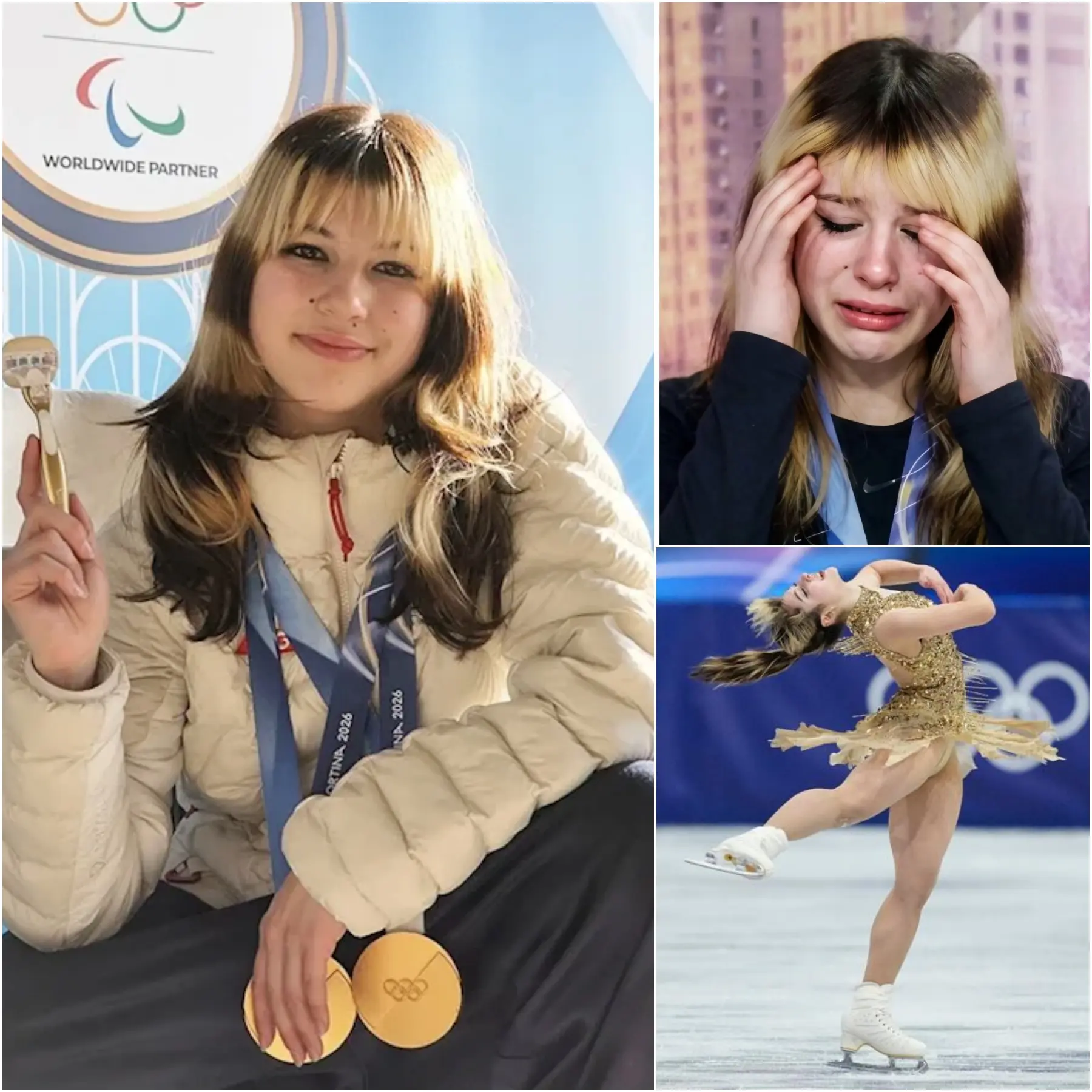
Liu’s path to the podium was anything but conventional. Born in 2005 to a family of Chinese descent, she burst onto the scene as a prodigy, winning U.S. national titles at ages 13 and 14, landing groundbreaking jumps like the triple Axel and even attempting quads in competition. She represented the United States at the 2022 Beijing Olympics, finishing sixth in the women’s event, but then shocked the skating world by stepping away at just 16 to explore life beyond the rink—traveling, studying at UCLA, and pursuing other interests.
Her retirement was brief but profound; by 2024, the pull of the ice drew her back. She trained intensely, reclaimed her spot among the elite, and won the 2025 World Championships in Boston, becoming the first American woman to do so since Kimmie Meissner in 2006. That momentum carried into the 2025-26 season, where she dominated the Grand Prix Final and secured her place on the U.S. Olympic team.
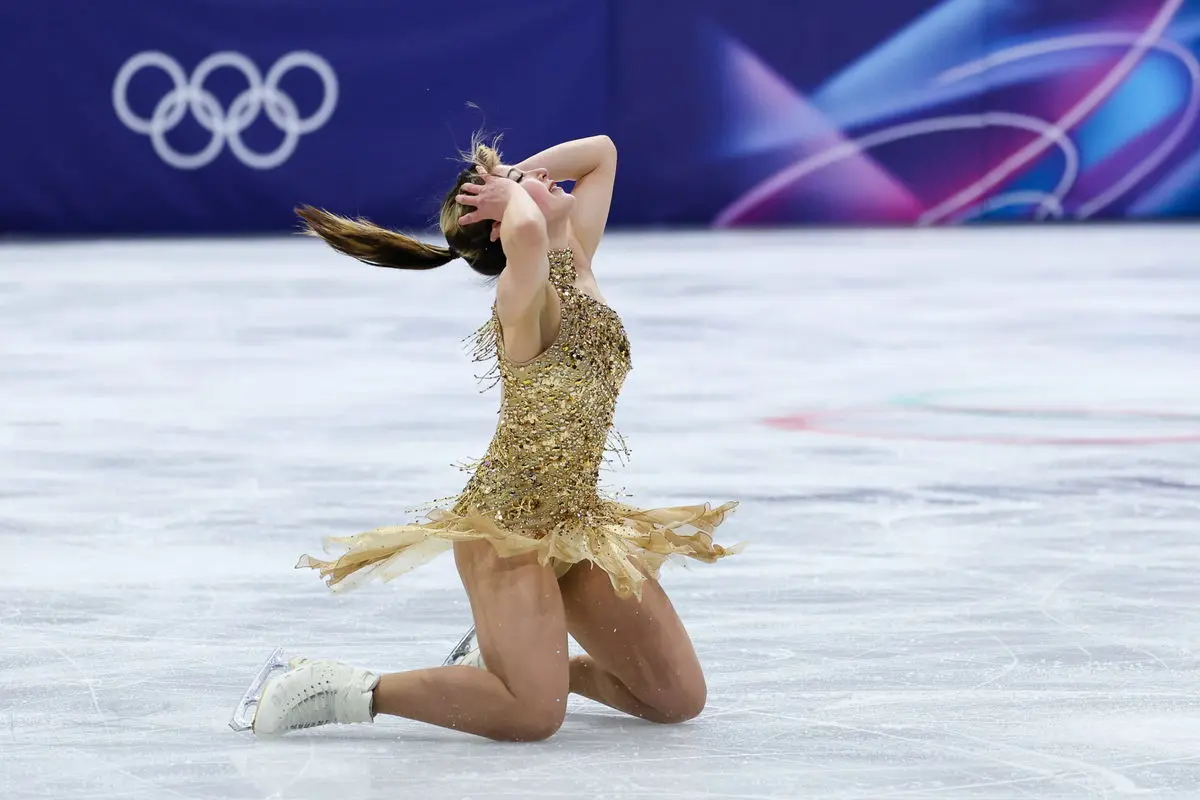
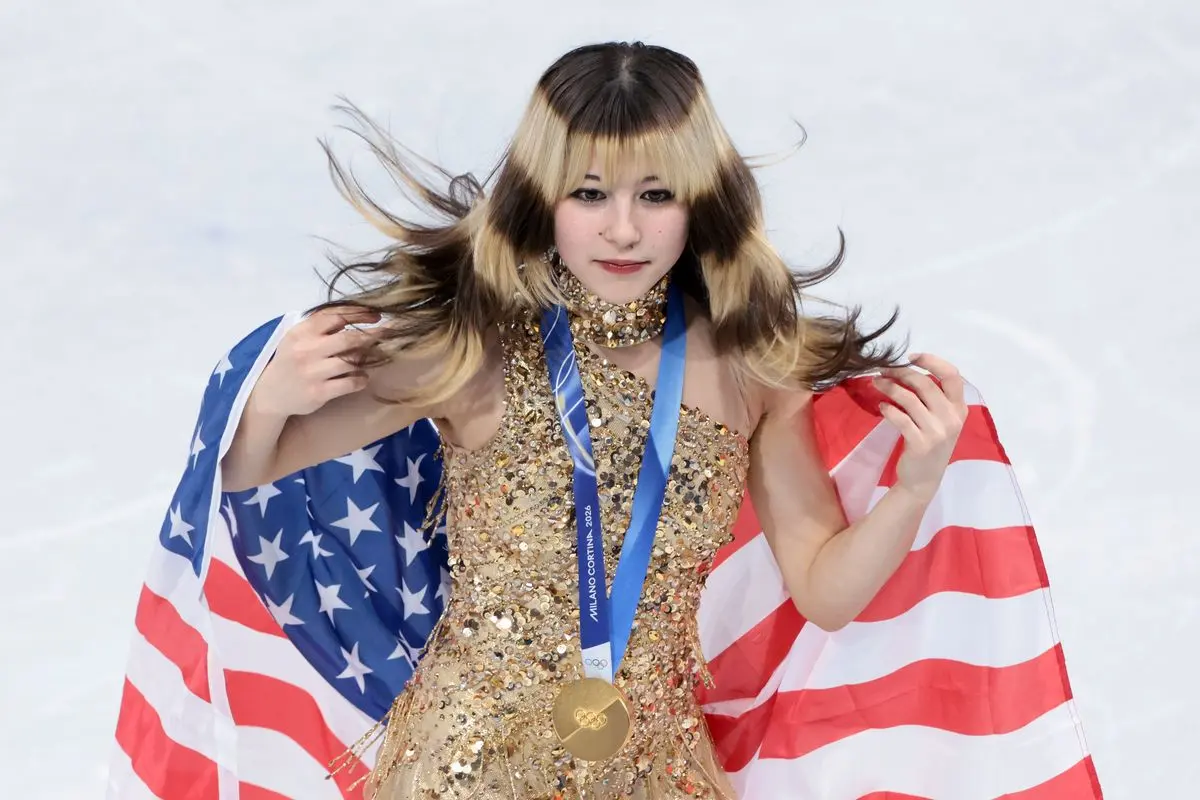
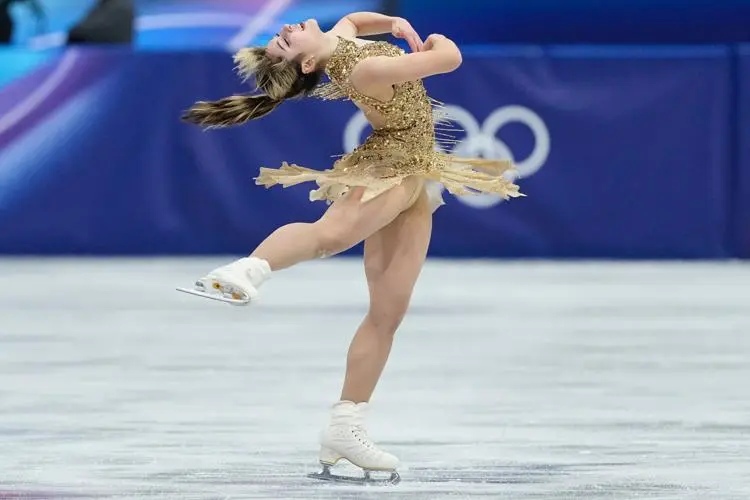
At Milano Cortina, Liu delivered under pressure. In the team event, her strong short program contribution helped Team USA secure gold alongside teammates like Ilia Malinin and Amber Glenn. Then, in the individual competition, she sat third after the short program with a score of 76.59. Her free skate to Donna Summer’s “MacArthur Park Suite” was a revelation: nearly flawless execution of seven triple jumps, including a standout triple Lutz-triple toe loop and a triple Lutz-double Axel-double toe loop sequence, earning her 150.20 points in the segment for a total of 226.79.
She edged out Japan’s Kaori Sakamoto (silver, 224.90) and Ami Nakai (bronze, 219.16), vaulting to the top with poise and joy that captivated viewers worldwide. Commentators and fans alike hailed it as a fearless, tension-free performance that ended a 24-year American drought in the event.
The win sparked immediate celebration. Social media erupted with clips of her beaming on the podium, draped in the American flag, and interviews highlighted her resilience and unique personality—complete with her signature smiley piercing and halo-inspired hairstyle. She attended high-profile events, including post-Olympic parties during awards season, and received hometown honors in Oakland, California. Yet, as the initial euphoria faded, the economic reality set in. Unlike summer Olympic stars in gymnastics or swimming, who often secure multimillion-dollar sponsorships from global brands, Winter Olympic figure skaters face a narrower market.
Endorsements in skating tend to come from niche companies—ice wear brands, local sponsors, or occasional lifestyle deals—rather than the massive campaigns that propel athletes like Simone Biles or Michael Phelps into household names.
Liu herself has spoken candidly about the shift. In recent interviews, she described returning to long, solitary training days in the icy chill of Northern California rinks, focusing on personal growth rather than chasing the spotlight. She withdrew from the 2026 World Figure Skating Championships in Prague just weeks after the Olympics, citing a packed schedule and a desire to step back from immediate competition. The decision disappointed some fans but underscored her priorities: she is no longer the teenager driven solely by results but a young adult balancing academics at UCLA, mental health, and enjoyment of the sport.
Her family, who supported her through years of intense training and the financial strains of elite skating, carried expectations into these Games, including hopes tied to prize money. Reports suggest a total Olympic prize pool for her achievements around $200,000 from various U.S. sources and incentives—not insignificant, but far from the fortunes accumulated by top summer athletes through endorsements.
This disparity highlights broader issues in Olympic sports funding and visibility. Figure skating’s international appeal is strong, particularly in Asia and Europe, but in the United States, it peaks every four years during the Winter Games before fading from mainstream attention. Television ratings for non-Olympic competitions remain modest compared to NBA or NFL events, limiting sponsorship dollars. For athletes of Chinese descent like Liu, cultural expectations from family and community can add another layer of pressure—success is celebrated, but so is financial security and stability.
Her victory carried symbolic weight as the first American woman of Asian heritage to win Olympic figure skating gold, yet the post-Games landscape has been more subdued than transformative.
Liu’s story is not one of regret but realism. She has expressed gratitude for the journey, emphasizing the “peak happiness” she felt on the ice during her winning routine. Friends and coaches note her grounded nature; she turns down invitations that do not align with her values, such as high-profile reality shows, and focuses instead on what brings her fulfillment. In a sport where burnout is common and careers are short, her decision to prioritize well-being over endless pursuit of medals resonates with a new generation of athletes.
As spring approaches in 2026, Liu continues training quietly, perhaps eyeing future competitions or simply enjoying the freedom her gold medal represents. The glory on the podium was real and historic, but the days that followed remind us that Olympic triumph does not guarantee perpetual spotlight or riches. For Alysa Liu, the true victory may lie in skating on her own terms—free, joyful, and unburdened by unmet expectations.