The Freedom 250 Grand Prix is set to roar through the streets of Washington, D.C., this summer, delivering an unprecedented spectacle for IndyCar fans and marking a bold chapter in the city’s sports history. Announced as part of America’s 250th birthday celebrations, the event has garnered enthusiastic support from D.C. Mayor Muriel Bowser, who has expressed openness to a multi-year deal beyond the inaugural 2026 race. While no permanent racetrack is being constructed, and claims of a $2 billion city-funded facility appear unsubstantiated, the initiative has ignited debate over funding sources, federal involvement, and potential taxpayer implications.
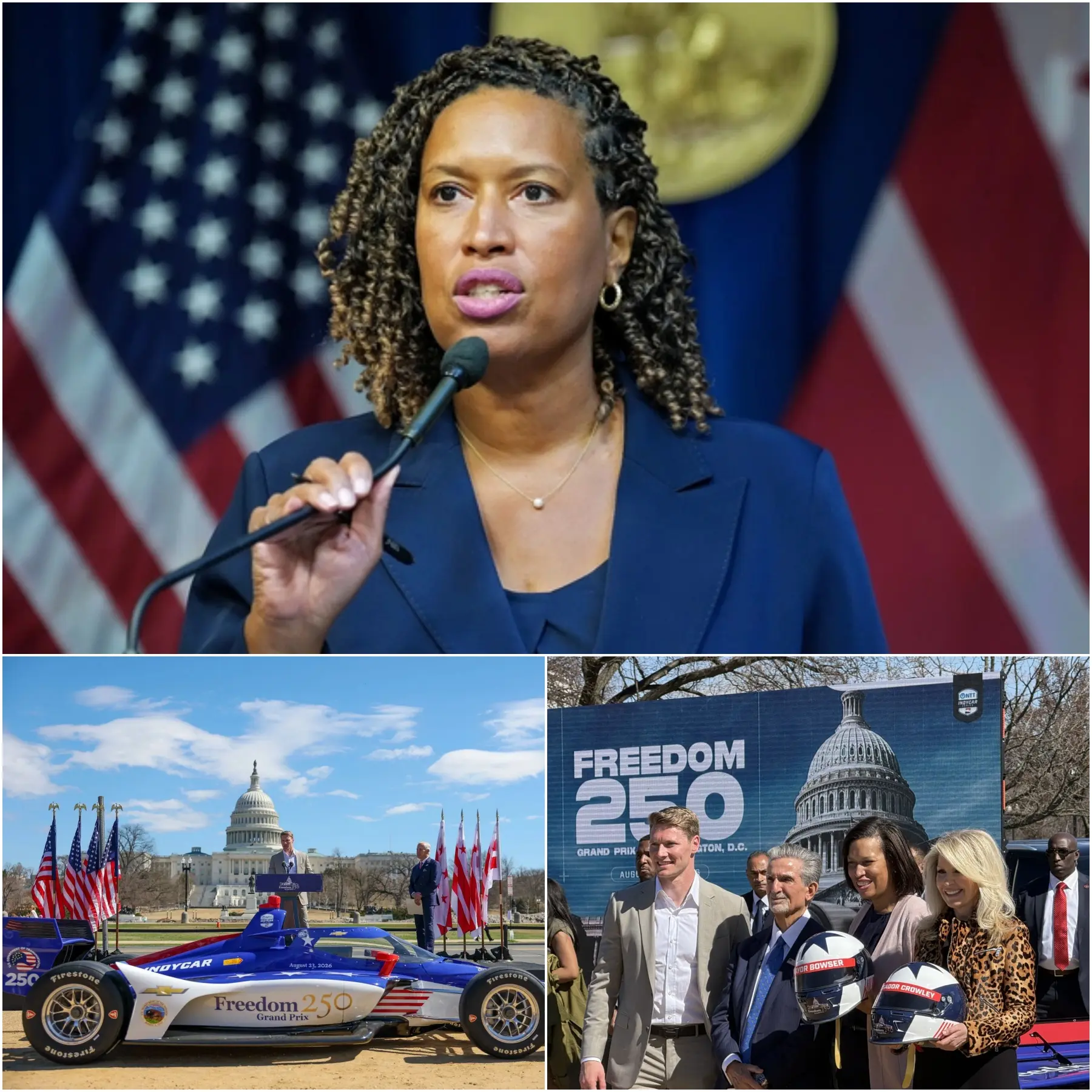
The Freedom 250 Grand Prix of Washington, D.C., is scheduled for August 21-23, 2026, featuring the NTT IndyCar Series in what will be the first motor race ever held on the National Mall and surrounding historic streets. President Donald Trump signed an executive order in late January 2026 directing federal agencies—including the Departments of Transportation and Interior—to designate a race route showcasing the capital’s iconic monuments. The order emphasized celebrating America’s independence alongside the legacy of motorsports, framing the event as a patriotic showcase.
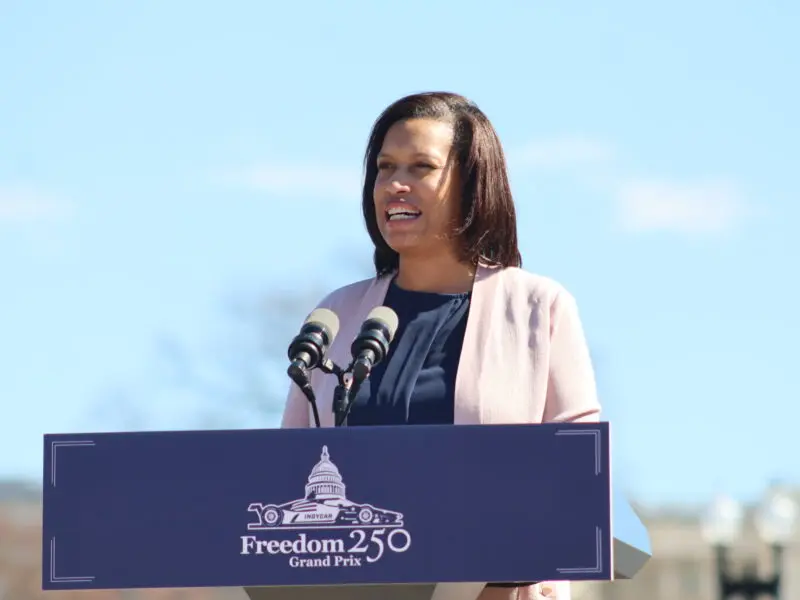
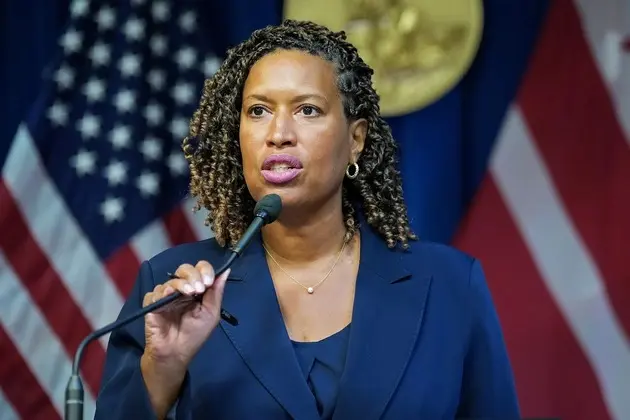
Mayor Bowser, a Democrat, has been a vocal proponent from the outset. In statements following the executive order, she described the race as a major economic driver for the District, particularly during a typically slower August tourism period. “The race weekend will rev up the economic engine of D.C. by filling our hotels and restaurants,” Bowser said, adding that it would demonstrate Washington as the “undisputed Sports Capital” while attracting visitors to enjoy museums, parks, and cultural offerings.
At a high-profile unveiling on March 9, 2026, on the National Mall, Bowser joined Transportation Secretary Sean Duffy, Interior Secretary Doug Burgum, IndyCar representatives including two-time Indianapolis 500 winner Josef Newgarden, and executives from Monumental Sports & Entertainment and FOX Sports to reveal the track layout.
The course is a 1.7-mile, seven-turn street circuit starting near the U.S. Capitol, racing along Pennsylvania Avenue with views of the Washington Monument, crossing the Mall via Seventh Street past the Smithsonian’s Air and Space Museum, and looping through Constitution and Independence Avenues. Organizers anticipate speeds approaching 200 mph in sections, with the free-to-attend event projected to draw up to one million spectators over the weekend. The public nature of the race, combined with its scenic backdrop of national symbols, is positioned as a unique blend of history, horsepower, and national pride.
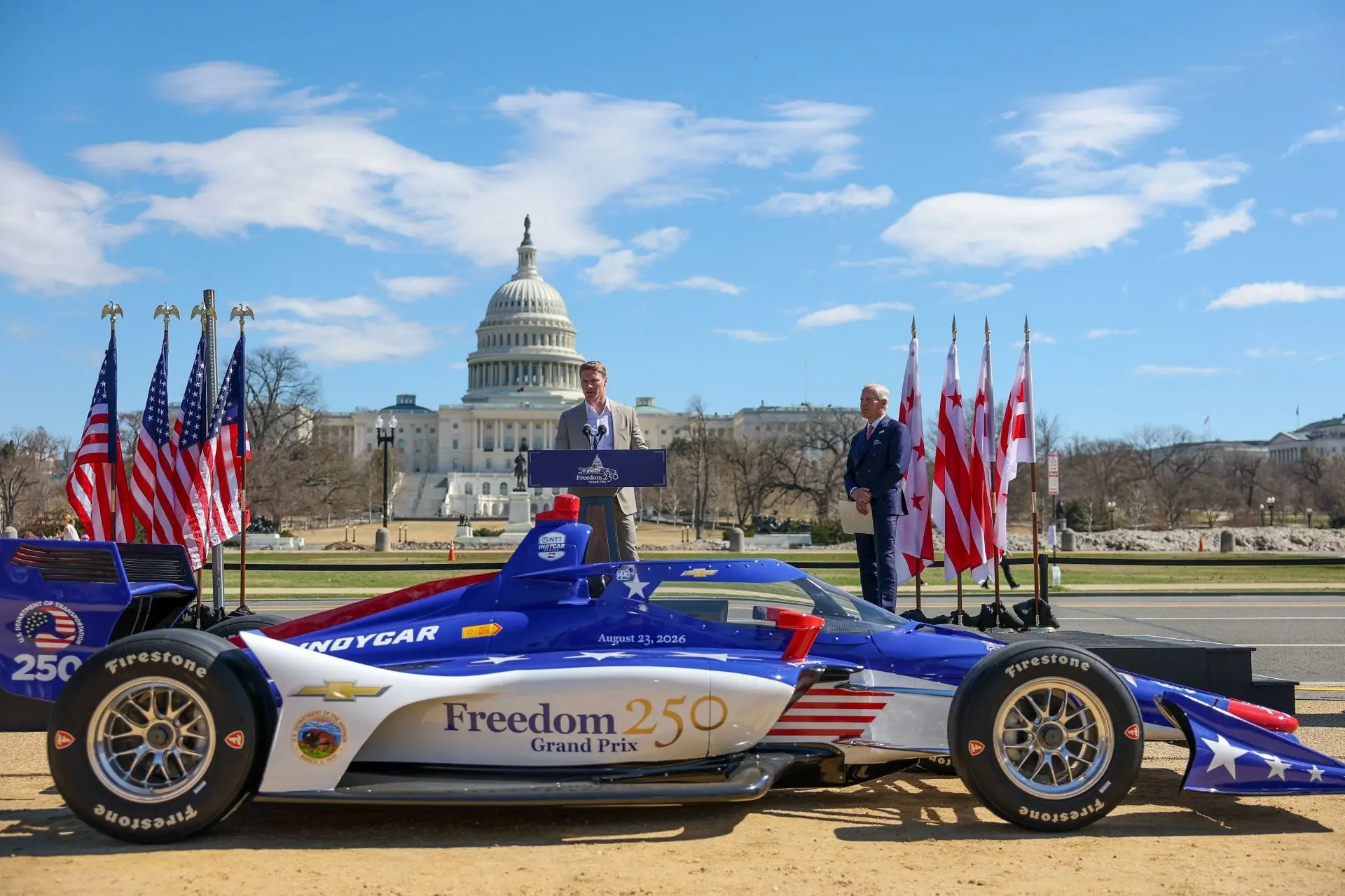
Recent comments from Roger Penske, the IndyCar Series owner, highlight growing momentum for longevity. Speaking after discussions with city officials, Penske revealed that Mayor Bowser indicated readiness to consider extending the event beyond 2026. “Our response was, ‘Let’s get through the first year first,'” Penske noted, underscoring a cautious but optimistic approach to potential multi-year commitments. This openness aligns with Bowser’s broader strategy to attract marquee events, building on D.C.’s emerging status with major sports franchises.
The event’s funding model has become a focal point of controversy, particularly amid reports of a leaked meeting discussing costs and sources. While some online claims and rumors have circulated about a staggering $2 billion investment in a dedicated racetrack—potentially burdening taxpayers—the reality centers on a temporary street circuit rather than permanent infrastructure. No credible sources confirm a $2 billion city or federal allocation for building a fixed facility; instead, costs for setup, road preparations, security, and operations are expected to be shared among federal agencies, the District government, IndyCar/Penske, and private partners like Monumental Sports & Entertainment.
Bowser has addressed funding concerns directly, stating she does not anticipate significant taxpayer money from the city level. “I don’t expect [taxpayer money] to come from the city level, but if there is any money from the government, it will be from the federal level,” she reportedly emphasized in discussions, a comment that reverberated through racing communities and sparked shockwaves over potential federal expenditure. The executive order authorizes the use of “available funds” by the Transportation Department to facilitate the event, but details remain limited.
Organizers, including Freedom 250 Chairman Bud Denker, have indicated that expenses will be absorbed through a mix of federal support, District contributions, and private investment, with an eye toward minimizing public burden while maximizing economic returns through tourism revenue.
Critics, including some congressional Democrats earlier in the process, raised concerns about logistical strains on Capitol Police, road closures, advertising rules on federal grounds (which required creative routing around the Capitol to avoid needing new legislation), and the appropriateness of using national landmarks for a commercial motorsport event. Initial hurdles, including skepticism in Congress over advertising bans and security, were bypassed by focusing the course primarily on federal property under executive authority. Transportation Secretary Duffy acknowledged the “sausage-making” frustrations but hailed the outcome as a win for American innovation and celebration.
Proponents counter that the race promises substantial benefits, including millions in tourism dollars during a low season, job creation for event staff, and heightened global visibility for D.C. as a premier destination. With FOX Sports broadcasting and partnerships involving high-profile figures, the Freedom 250 is viewed as more than a one-off; it could pave the way for IndyCar’s expanded presence in the Northeast and solidify Washington’s role in major events.
As preparations accelerate—road modifications, safety barriers, and permitting underway—the capital buzzes with anticipation. For IndyCar fans, this represents not just a new venue but a historic milestone: open-wheel racing thundering past symbols of democracy in a year honoring the nation’s founding. Mayor Bowser’s willingness to explore multi-year arrangements signals potential for enduring excitement, provided the inaugural event delivers on its promise without undue controversy. Whether the Freedom 250 becomes a recurring fixture or remains a singular patriotic spectacle, it has already revved up conversations about blending sports, heritage, and economics in America’s capital.