In the ever-evolving landscape of global football, transfer speculation often reflects broader trends shaping the modern game, from financial dynamics to player ambitions and the growing influence of emerging leagues. Recent reports linking Inter Miami with a potential move for Bernardo Silva have generated considerable discussion, not because of sensational claims, but due to the strategic implications such a transfer could carry for all parties involved.
Following Manchester City’s elimination at the hands of Real Madrid in the UEFA Champions League, attention has naturally turned to the future of several key players, including the Portuguese midfielder whose consistency and intelligence have made him one of the most respected figures in European football.
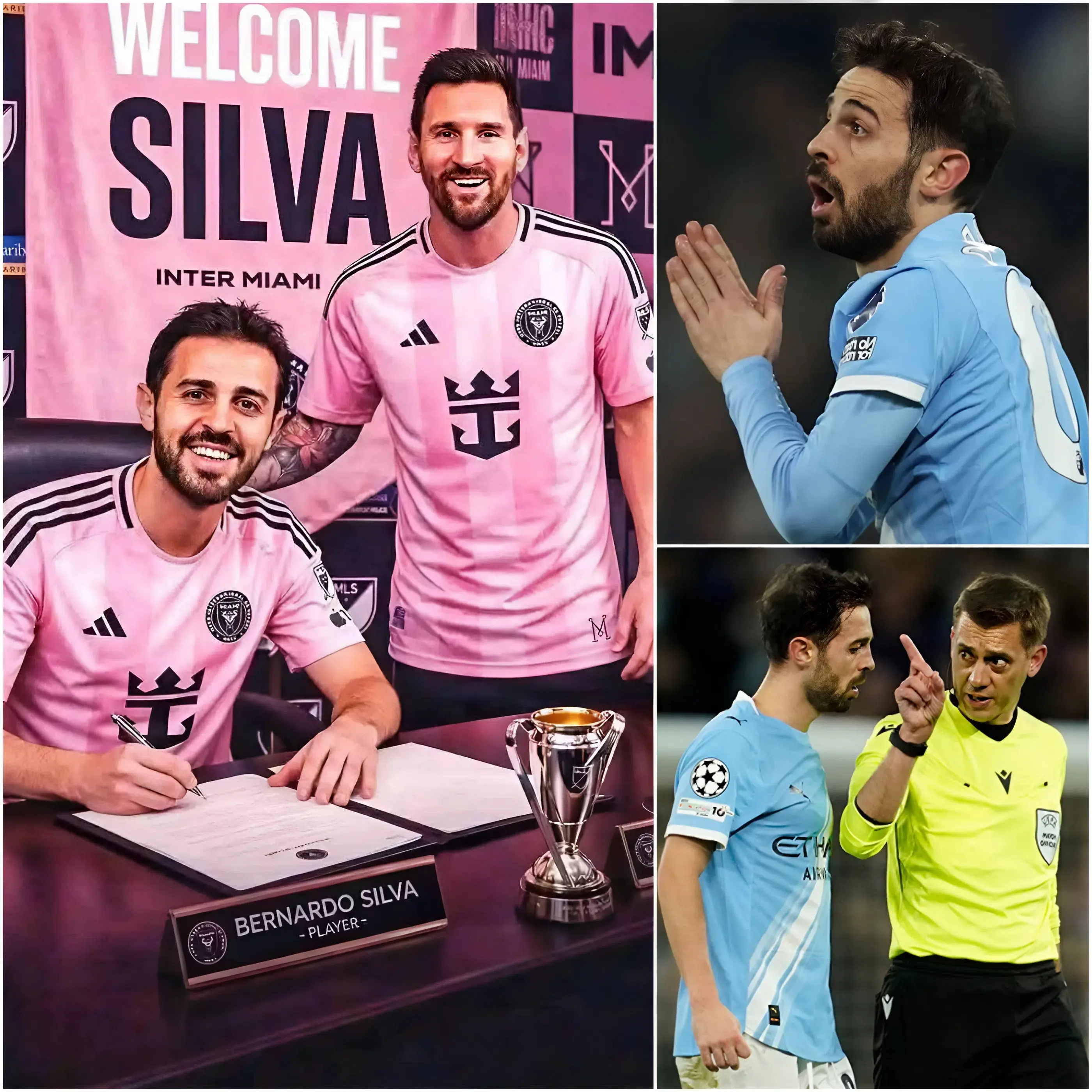
Silva’s situation is emblematic of a broader narrative that unfolds each summer, when even the most stable squads face questions about continuity and renewal. For Manchester City, a club that has enjoyed sustained success under a well-defined footballing philosophy, the departure of a player like Silva would not simply be a matter of replacing talent. It would involve recalibrating a system built on positional flexibility, technical precision, and tactical awareness. Silva has been central to this identity, capable of operating across midfield and attacking roles while maintaining a high level of performance regardless of the tactical demands placed upon him.
From the player’s perspective, moments of disappointment in high-stakes competitions often serve as inflection points. Elite athletes are driven not only by success but also by the pursuit of new challenges, and setbacks can sometimes accelerate decisions that might otherwise have been delayed. While there is no public confirmation of Silva’s intentions, it would not be unusual for a player at his stage of career to evaluate both professional and personal priorities. The possibility of experiencing a different footballing environment, particularly one that offers a distinct lifestyle and competitive framework, can be an appealing proposition.
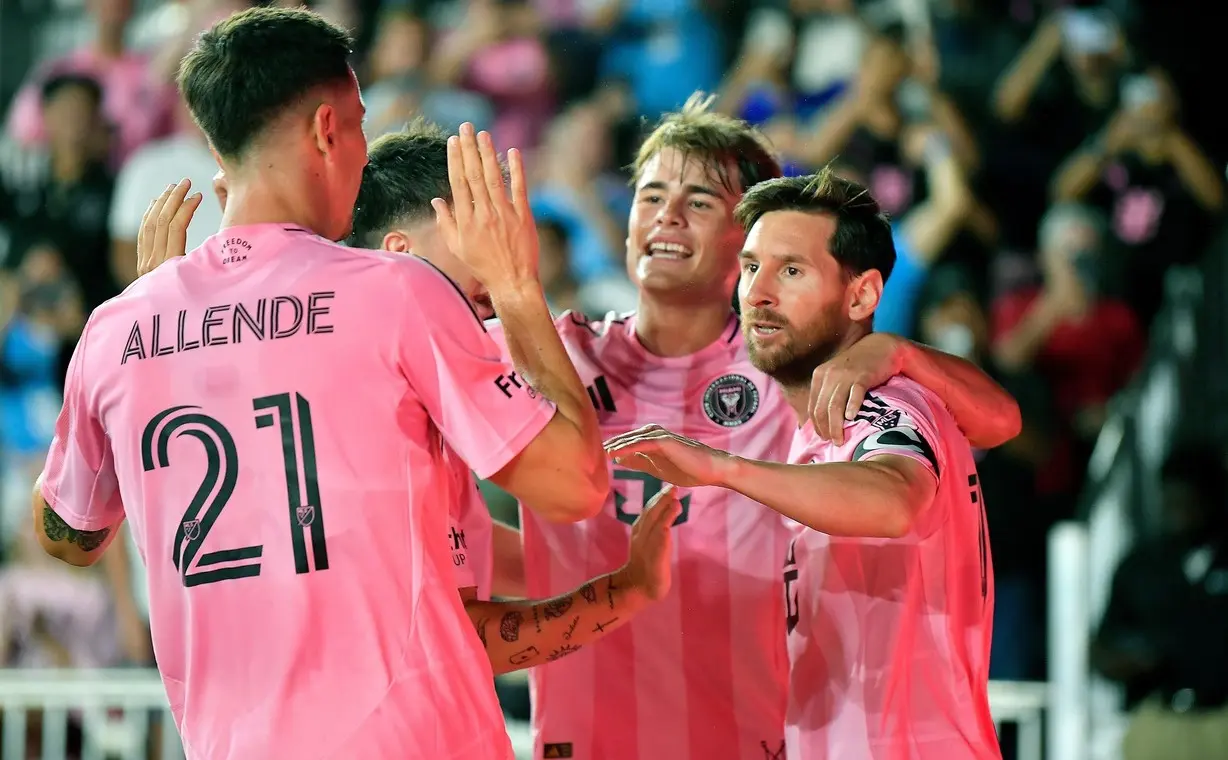
This is where Inter Miami enters the conversation. The club has rapidly established itself as one of the most ambitious organizations in Major League Soccer, combining on-field aspirations with a broader vision of global relevance. Their recruitment strategy has demonstrated a willingness to pursue players with significant international pedigree, not merely for their commercial value but for their ability to elevate the team’s overall standard. A player like Bernardo Silva would align with this approach, bringing not only technical excellence but also a level of experience that could influence younger players and shape the club’s tactical evolution.
However, the reported conditions set by Manchester City introduce an additional layer of complexity. While specific details remain unconfirmed, it is understood that the club’s stance reflects both their valuation of Silva and their desire to maintain a degree of control over the circumstances of any potential transfer. In modern football, such conditions are not uncommon, particularly when dealing with players who remain integral to a team’s structure. These may include performance-related clauses, future resale considerations, or timing constraints designed to ensure that the selling club has adequate opportunity to secure a replacement.
Rather than being viewed as unusual, these conditions can be interpreted as part of a broader negotiation framework that has become increasingly sophisticated in recent years. Clubs are more strategic than ever in managing their assets, recognizing that transfers are not isolated transactions but components of long-term planning. For Manchester City, any decision involving Silva would need to balance immediate competitive needs with future squad development, ensuring that the team remains capable of competing at the highest level across all competitions.
For Inter Miami, meeting such conditions would represent both a financial and organizational commitment. Major League Soccer operates under a unique set of regulations, including salary structures and roster limitations that differ significantly from those in European leagues. Integrating a player of Silva’s profile would require careful planning, not only in terms of contractual arrangements but also in maintaining squad balance. Nevertheless, the league has shown increasing flexibility in accommodating high-profile signings, reflecting its ambition to enhance both its quality and global visibility.
The potential move also highlights the growing interconnectedness of football markets. Transfers between Europe and North America were once relatively rare, often occurring at the latter stages of a player’s career. Today, the dynamic is shifting, with MLS clubs demonstrating a capacity to attract players who remain at or near their peak. This trend is driven by a combination of factors, including improved infrastructure, competitive investment, and the appeal of new cultural experiences. For players, the decision is no longer framed solely in terms of competitive hierarchy but also in relation to broader life considerations.
At the same time, it is important to recognize the sporting implications of such a transfer. Bernardo Silva’s playing style is deeply rooted in the tactical nuances of European football, where positional play and structured systems are emphasized. Adapting to the pace and physicality of MLS would present a different set of challenges, requiring both the player and the coaching staff to adjust expectations and strategies. However, Silva’s intelligence and versatility suggest that he would be well-equipped to navigate this transition, potentially becoming a central figure in shaping his new team’s identity.
For Manchester City, retaining players of Silva’s caliber is essential to sustaining their competitive edge. The club’s success has been built on a combination of stability and evolution, with careful succession planning ensuring that transitions occur smoothly. Should Silva depart, it is likely that the club would already have contingency plans in place, whether through internal development or targeted recruitment. This level of preparation is a hallmark of elite organizations, enabling them to remain resilient even in the face of significant changes.
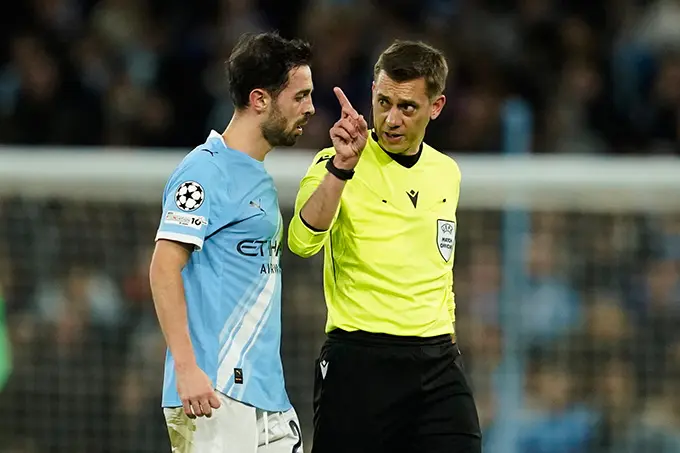
Ultimately, the situation underscores the multifaceted nature of modern football transfers. Beyond the headlines, each potential move involves a complex interplay of sporting, financial, and personal considerations. While speculation will continue until definitive decisions are made, the discussion surrounding Bernardo Silva and Inter Miami offers valuable insight into how the global football ecosystem is evolving. It reflects a landscape in which traditional boundaries are becoming less rigid, and opportunities are shaped as much by vision and ambition as by geography.
For supporters, these developments provide an opportunity to engage with the game on a deeper level, appreciating not only the performances on the pitch but also the strategic thinking that underpins them. Whether or not the transfer ultimately materializes, the conversation itself illustrates the enduring appeal of football as a global phenomenon, capable of connecting different leagues, cultures, and perspectives through a shared passion for the sport.