£351,688 CHAMPION… BUT NO GLORY? — THE HARSH TRUTH BEHIND PAUL TOWNEND’S VICTORY
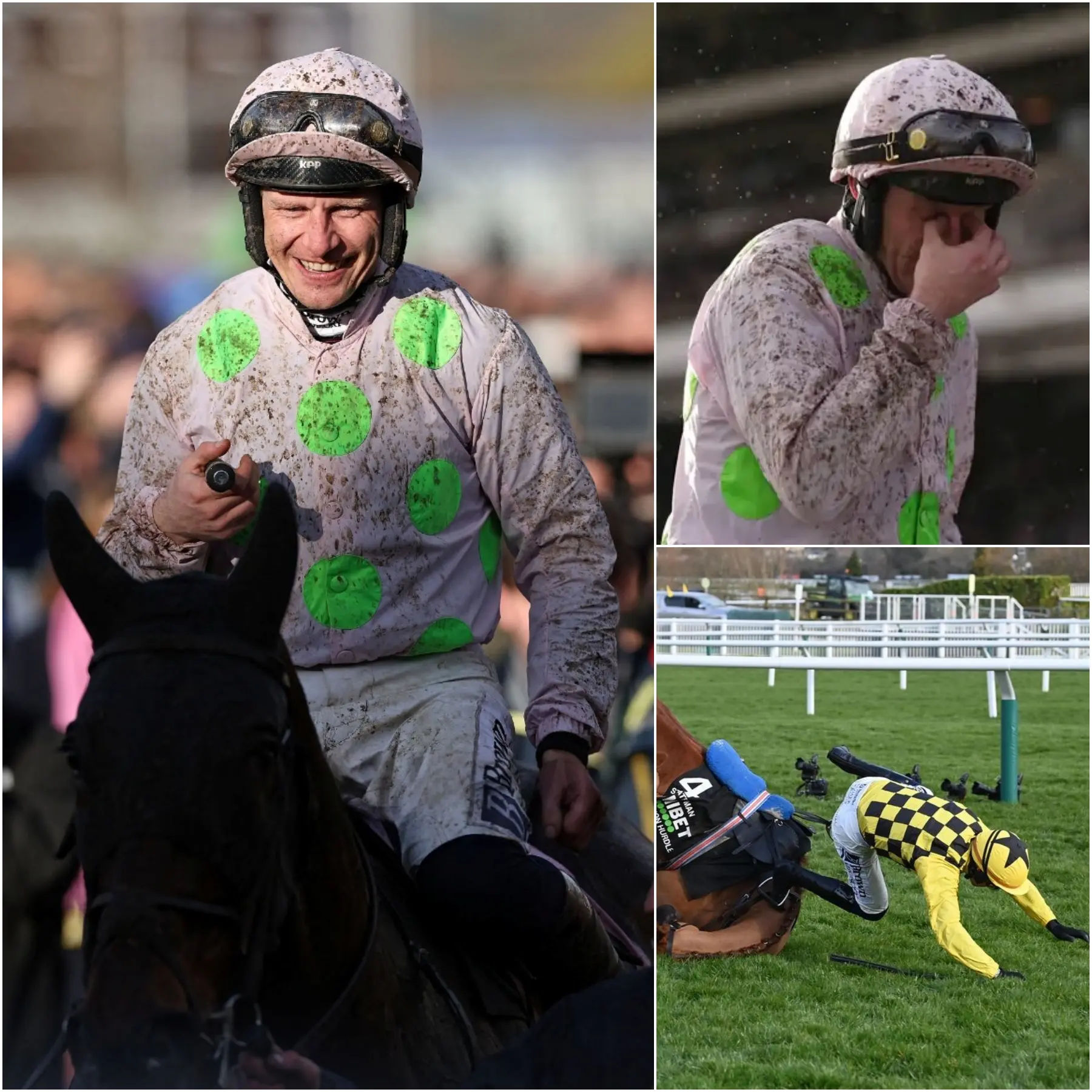
On a rain-soaked Friday at Cheltenham Racecourse in March 2026, Paul Townend etched his name deeper into the annals of National Hunt racing history. Aboard the Willie Mullins-trained Gaelic Warrior, the 35-year-old Irish jockey delivered a masterful performance to claim the Boodles Cheltenham Gold Cup, the pinnacle of the jumps season. The eight-year-old gelding powered up the famous hill with ease, crossing the line eight lengths clear of Jango Baie, with Inothewayurthinkin holding on for third.
The victory marked Townend’s record-breaking fifth Gold Cup win, surpassing the legendary Pat Taaffe and making him the most successful jockey in the race’s 102-year history.

The achievement capped an extraordinary week for Townend and Mullins. Earlier in the Festival, Townend had already secured the Champion Hurdle on Lossiemouth and the Queen Mother Champion Chase on Il Etait Temps, becoming the first jockey to complete the Triple Crown of those three flagship races in a single year. Gaelic Warrior’s dominant display—barely off the bridle for much of the nearly three-and-a-quarter-mile contest—left spectators and commentators in awe. “It’s the Gold Cup. They just get better and better.
I am speechless,” Townend said in the immediate aftermath, his voice thick with emotion as he reflected on the surreal nature of holding such a historic record.
From County Cork, Townend has long been the cornerstone of Mullins’ powerhouse operation at Closutton. His partnership with the trainer has produced back-to-back successes with Al Boum Photo in 2019 and 2020, followed by Galopin Des Champs in 2023 and 2024. Gaelic Warrior’s triumph added to that legacy, delivering an emphatic margin of victory not seen since A Plus Tard’s 15-length romp years earlier. The crowd of around 67,000 erupted as Townend saluted, the green and gold silks of the owners flashing under the Cotswolds sky.
For a moment, it seemed like the perfect culmination of years of dedication, skill, and unbreakable consistency.
Yet, in the days and weeks following the triumph, the harsh realities of the sport began to settle in. The winner’s prize for the Gold Cup stood at £351,688—a substantial sum, to be sure, but one that quickly fragments once divided. Owners take the lion’s share, typically around 75 percent after deductions, while trainers, jockeys, and stable staff split the remainder. For Townend, his riding fee and percentage of the prize money represent only a fraction of the headline figure.
Jockeys in National Hunt racing earn through a combination of retainers, rides, and percentages, but even at the elite level, the income is far from guaranteed or extravagant compared to the glamour of Flat racing or other sports.
No flood of major advertising deals followed. Unlike footballers or Formula One drivers who parlay major wins into lucrative endorsements, jump jockeys operate in a niche world where sponsorships are modest and often tied to equipment brands or smaller campaigns. Townend, already a seven-time Irish champion jockey and a household name in racing circles, has built a solid career, but the Gold Cup victory did not catapult him into a new stratosphere of celebrity or commercial opportunity. There were no invitations to high-profile glamorous events, no sudden rush of mainstream media appearances beyond the racing press.
Instead, life returned swiftly to the grind: early mornings mucking out, schooling horses in the relentless Irish weather, and preparing for the next card at tracks like Fairyhouse or Punchestown.
The contrast is stark. The Cheltenham Gold Cup is steeped in tradition and prestige, drawing global attention as the blue-riband event of jumps racing. Winners are celebrated with trophies, champagne, and heartfelt interviews, yet the financial windfall rarely transforms lives in the way outsiders might assume. Many top jockeys supplement earnings through riding abroad or media work, but the day-to-day remains demanding and physically punishing. Townend, known for his quiet professionalism and cool temperament in the saddle, has spoken in the past about the toll the sport takes—broken bones, constant travel, and the ever-present risk.
The 2026 Gold Cup added another chapter to his legacy, but it did not alter the fundamental economics of his profession.
Behind the scenes, the victory carried deeper significance. Gaelic Warrior, a horse with immense talent but occasional quirks, had been pinpointed by Mullins’ son Patrick as the ideal mount for the race after Galopin Des Champs’ absence due to a setback. Townend’s ride was textbook: patient positioning, conserving energy, and unleashing the gelding’s class when it mattered. “He was so cool on him,” Mullins remarked afterward, heaping praise on his stable jockey.
The trainer, who equaled the record of five Gold Cups himself with this win, described the week as “incredible” and “extraordinary,” underscoring the team effort that underpins such success.
For Townend, the record now stands as a testament to longevity and excellence in one of the toughest sports. Yet the absence of sweeping life changes post-victory highlights a broader truth about National Hunt racing. Glory comes in bursts—roars from the grandstand, the weight of the trophy, the adulation of fans—but the profession demands humility and persistence. The rain continues to fall on training grounds, the alarms ring before dawn, and the next race looms on the horizon. The £351,688 winner’s prize is a reward, not a retirement fund.
In the end, Paul Townend’s fifth Gold Cup victory was historic, masterful, and richly deserved. It elevated him above icons of the past and cemented his status as one of the greats. But as the echoes of the cheers faded and the Cheltenham crowds dispersed, the champion jockey returned to the quiet rhythm of his craft—proof that even in triumph, the harsh truths of the game endure. The glory is real, but so is the grind, and for Townend, both remain intertwined.