The recent men’s figure skating event at the 2026 Winter Olympics in Milan-Cortina has turned into one of the most talked-about and divisive moments in the sport’s recent history. What was anticipated as a triumphant coronation for American sensation Ilia Malinin, the so-called “Quad God” who had dominated international competitions for years, instead unfolded as a shocking collapse. Entering the free skate with a commanding lead after a flawless short program, Malinin faltered dramatically, suffering multiple falls and technical errors that dropped him to eighth place overall.
Kazakhstan’s Mikhail Shaidorov seized the unexpected gold, while the podium was filled with surprises that left fans and analysts reeling.
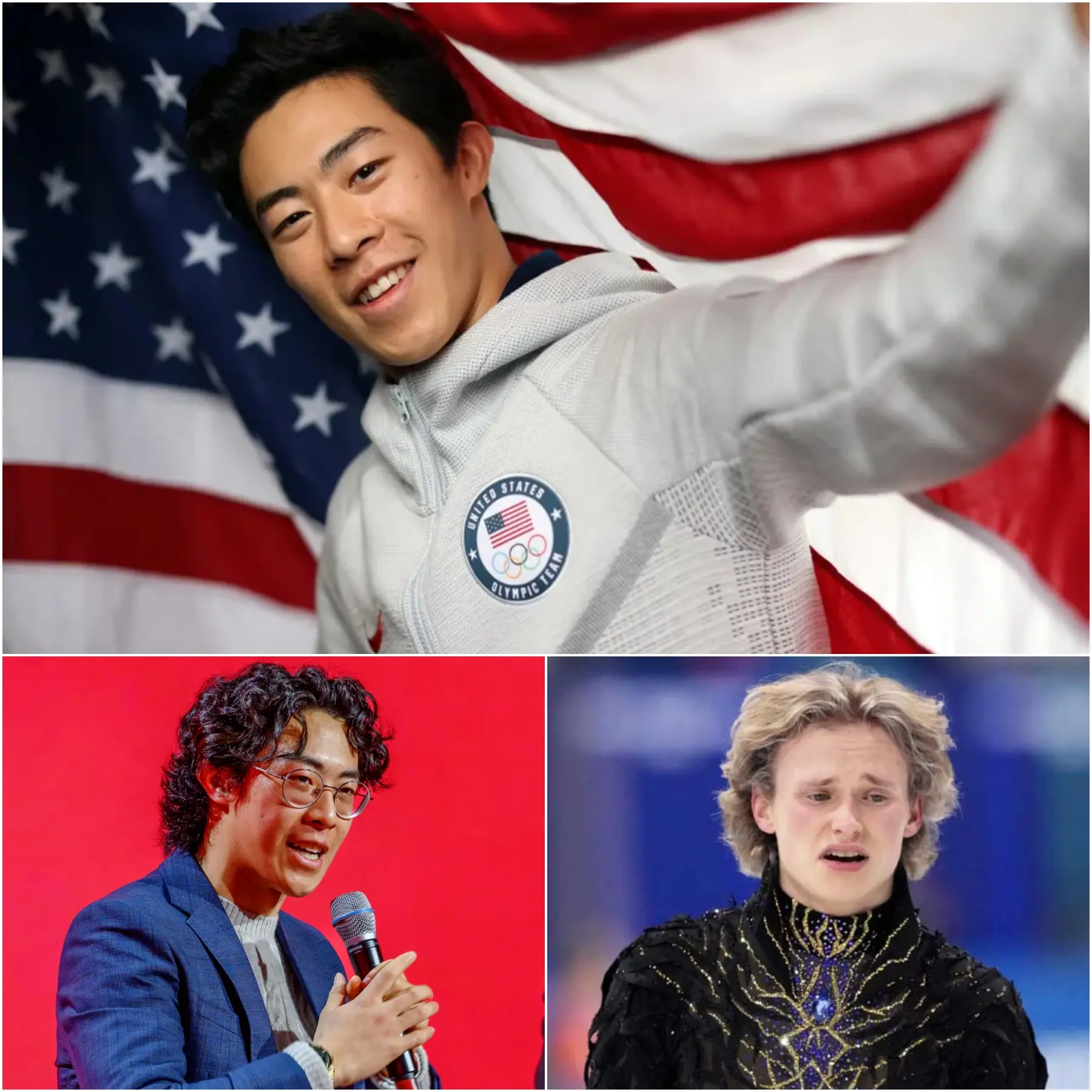
The disappointment on the ice was palpable. Malinin, at just 21, had carried the weight of immense expectations. He entered the Games as the reigning world champion, holder of multiple records, and the first skater to land a quadruple Axel in competition—a feat that had redefined the technical boundaries of men’s figure skating. His unbeaten streak spanned over 14 events, making him the clear favorite not just for victory, but for a performance that could etch his name into Olympic lore. Yet, under the glaring lights of the Olympic arena, the pressure proved overwhelming.
He bailed on his signature quad Axel early in the program, then unraveled with falls and under-rotations, posting a free skate score that ranked him near the bottom of the field for that segment.
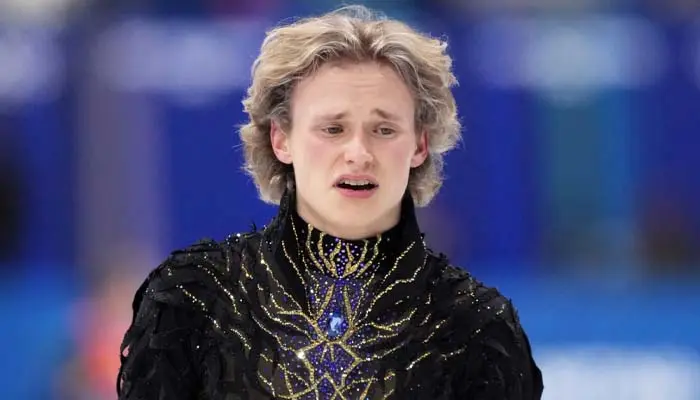
Malinin himself was visibly devastated. Tears streamed as he left the ice, and in post-competition interviews, he admitted the “Olympic pressure” had caught him unprepared. He described the mental toll of the spotlight, the hype surrounding his potential, and how it snowballed into doubt during the routine. Some observers noted that he had spoken earlier about prioritizing pushing the sport’s limits over safe skating for medals—a philosophy that, while admirable, may have amplified the stakes in his mind.
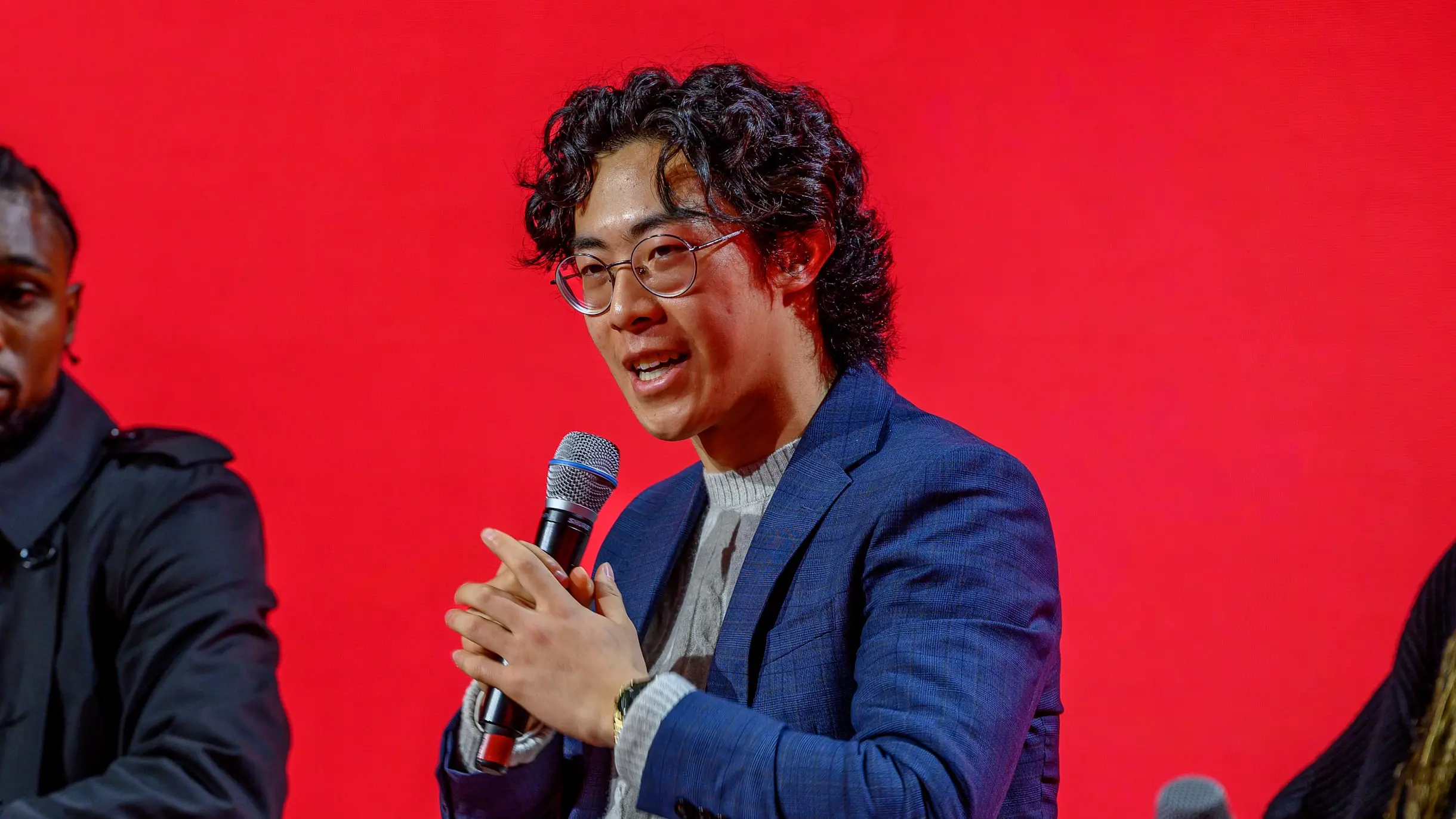
In the days following the event, the fallout extended far beyond the scores. Online forums, social media, and skating communities erupted with reactions ranging from sympathy to harsh criticism. Some fans expressed heartbreak over the lost opportunity, praising Malinin’s past achievements and viewing the performance as a human moment rather than a failure. Others were less forgiving, questioning his mental preparation, his comments on media pressure, or even suggesting the hype had been overblown. A wave of negativity targeted Malinin directly, with accusations of arrogance, excuses, or failing to deliver when it mattered most.
Reports emerged of “vile online hatred” that Malinin later addressed, highlighting the toxic side of fan engagement in high-stakes sports.
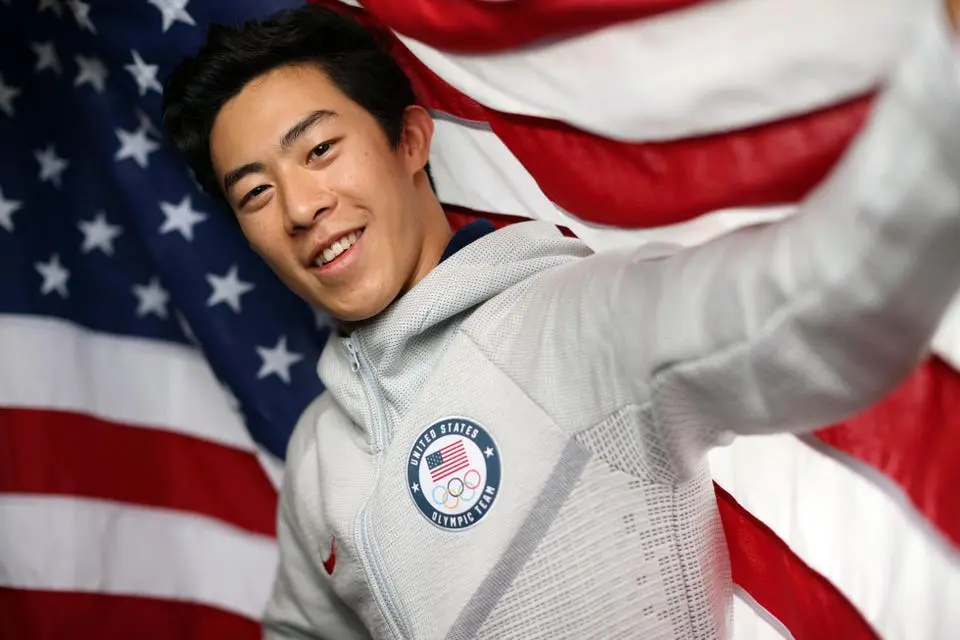
It was amid this storm of attacks and scrutiny that Nathan Chen, the 2022 Olympic champion and a respected voice in the sport, broke his silence. Chen, who was in Milan as a spectator and commentator rather than a competitor, had watched Malinin’s skate with a unique perspective. Eight years earlier, at the 2018 PyeongChang Olympics, Chen had endured his own high-profile disappointment. As an 18-year-old phenom, he entered with massive expectations but faltered in the short program with falls, finishing outside the medals before rebounding somewhat in the free skate.
That experience left him intimately familiar with the mental traps of Olympic pressure.
In interviews with Yahoo Sports and other outlets, Chen forcefully defended Malinin and condemned the harsh backlash. He described how pressure can “snowball” in individual sports, where one mistake feeds doubt that cascades through the rest of the program. Recalling his 2018 moment, Chen shared how a single fall elicited an audible gasp from the crowd, instantly tightening his gut and making recovery difficult. He saw similar signs in Malinin’s performance—the early unraveling, the visible struggle to regroup—and emphasized that such collapses are part of the sport’s brutal reality, especially under Olympic scrutiny.
Chen’s response was pointed and protective. He pushed back against the narrative that Malinin had “choked” or let the sport down, instead framing the night as a learning experience for a young athlete still hungry and full of potential. “Ilia is absolutely in a position where he is young, he is still hungry, he still has so much potential,” Chen stated.
“Certainly someone we’ll continue talking about for the next many Olympic cycles.” He urged reflection on mental and physical preparation rather than piling on blame, suggesting Malinin would emerge stronger by identifying what went wrong and addressing it for future competitions.
The intervention from Chen carried significant weight. As a former dominant force who revolutionized quad jumping and won gold after overcoming his own setbacks, his words resonated across the figure skating world. Many saw it as a necessary counter to the toxicity online, reminding everyone that athletes are human and that the Olympics amplify every emotion. Chen’s own journey—from 2018 disappointment to 2022 triumph—served as a powerful example that one bad night does not define a career.
The tournament itself has sparked broader debates about the state of men’s figure skating. Malinin’s dominance had raised the technical bar dramatically, with quads now expected rather than exceptional. Yet his fall highlighted the razor-thin margin between perfection and disaster, especially when mental fortitude is tested. Shaidorov’s victory, while deserved, underscored the depth of the field and the unpredictability of the sport on its biggest stage. Commentators noted the irony: the event billed as a showcase for innovation became remembered for pressure’s toll.
For Malinin, the road ahead involves processing the disappointment while rebuilding confidence. He has already hinted at using the experience as fuel, and supporters—including Chen—believe his talent remains undeniable. The backlash, though painful, may ultimately strengthen his resolve. In figure skating, where artistry meets extreme athleticism, resilience often separates legends from one-hit wonders.
This Olympics chapter, disappointing as it was for many, exposed the human side of elite competition. Nathan Chen’s timely and forceful defense not only supported a fellow American skater but also called for more compassion in a sport that demands perfection. As the dust settles, the focus shifts from shame to growth, reminding fans that even the brightest stars can stumble—and that true greatness often emerges from the fall.