In recent days, discussions within the football and business communities have increasingly focused on an intriguing financial development involving David Beckham, the co-owner and president of Inter Miami CF. Reports circulating in international sports media suggest that Beckham is expected to benefit financially from the commercial and infrastructural growth surrounding the 2026 FIFA World Cup, potentially generating more than $30 million in additional value without the need for direct new investment.
The situation has attracted considerable attention not only because of the amount involved but also because it highlights the strategic business positioning Beckham established years earlier after retiring from professional football.

To understand the context of this financial windfall, it is important to revisit Beckham’s transition from football icon to entrepreneur. After an illustrious playing career that included global success with Manchester United, Real Madrid CF, and the LA Galaxy, Beckham gradually shifted his focus toward long-term business ventures within the football industry. His move to Major League Soccer during the latter stages of his playing career proved especially influential in shaping those ambitions.
When Beckham signed with the LA Galaxy in 2007, the contract included a clause that would later become one of the most discussed provisions in modern football business history. The agreement reportedly allowed Beckham the right to purchase a future MLS expansion franchise at a significantly reduced fee compared to the market value that other investors would face. At the time, the clause received relatively limited attention outside industry circles. However, over time it became clear that the arrangement would play a central role in Beckham’s business strategy.
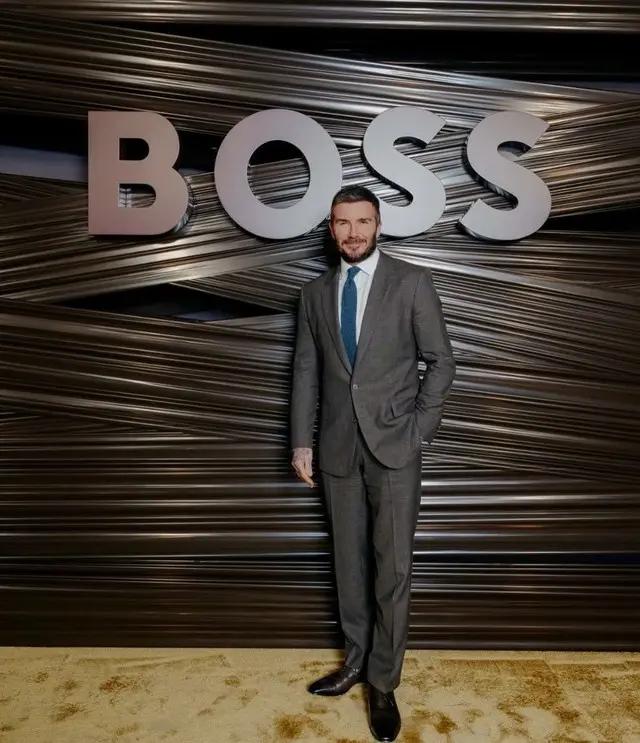
Several years after retiring from professional play, Beckham exercised that option and began the process of establishing a new club in Miami. The project eventually became Inter Miami CF, an organization designed not only as a competitive football team but also as a long-term sports and entertainment enterprise. Building a new club from the ground up required patience, partnerships, and careful planning, particularly in terms of stadium development and infrastructure.
From the beginning, Beckham and his investment partners envisioned Miami as a city with enormous potential for football growth. The region’s multicultural population, strong connection to Latin American football culture, and increasing global visibility made it an attractive destination for the sport. Inter Miami therefore positioned itself as both a sporting project and a business platform capable of attracting international attention.
Over the past several years, that vision has gradually begun to materialize. The arrival of globally recognized players and the development of new facilities have helped the club expand its presence in the North American sports landscape. At the same time, broader developments within international football have begun to intersect with Beckham’s long-term strategy.
The announcement that the 2026 FIFA World Cup would be hosted across the United States, Canada, and Mexico significantly increased the global spotlight on North American football infrastructure. Cities across the United States began preparing for the tournament by investing in stadium improvements, transportation systems, hospitality services, and entertainment venues.
Although Miami is not solely defined by Inter Miami’s activities, the presence of a major professional club in the city naturally contributes to the region’s football ecosystem. Increased tourism, global media attention, and expanded commercial opportunities often create indirect financial benefits for sports organizations located in host regions.
This broader economic effect is one of the reasons analysts believe Beckham may see a significant financial gain related to the tournament. As football’s popularity continues to grow in North America, the valuation of clubs within Major League Soccer has risen dramatically. Franchises that were once worth tens of millions of dollars are now valued in the hundreds of millions or even billions.
Because Beckham acquired his MLS ownership stake under uniquely favorable conditions, the difference between the initial investment and the current market valuation has become substantial. Business experts often refer to this type of situation as “equity appreciation,” meaning the value of an asset increases over time due to market growth rather than direct spending.
In Beckham’s case, the upcoming World Cup serves as an additional catalyst for that growth. Major international tournaments tend to generate increased interest in domestic leagues, attract new sponsorship deals, and stimulate investment in related infrastructure. As a result, the overall financial environment surrounding MLS clubs continues to expand.
Beckham himself has occasionally spoken about the importance of long-term thinking in sports business. Rather than focusing solely on immediate returns, he has emphasized the need to build sustainable projects that grow alongside the development of the sport. His experience as a global football ambassador has given him insight into how major events like the World Cup can transform local football markets.
Observers often point out that Beckham’s business success reflects a combination of timing, reputation, and strategic partnerships. His global brand recognition helped attract investors and sponsors when Inter Miami was still a concept rather than an established team. At the same time, the growth of football’s popularity in the United States created favorable conditions for the club’s development.
The connection between Beckham’s ventures and the 2026 tournament illustrates how modern sports economics often extend far beyond the pitch. Major competitions influence broadcasting rights, tourism, infrastructure investment, and even real estate development in surrounding areas. Clubs that are positioned within those ecosystems can benefit indirectly from the increased activity.
It is also worth noting that Beckham’s role in football today differs significantly from his role during his playing career. While he remains one of the most recognizable figures in the sport, his influence now extends into management, marketing, and international promotion. Inter Miami represents not only a football team but also a symbol of Beckham’s broader ambitions within the global game.
The story has captured public attention partly because it demonstrates how a decision made many years ago can produce unexpected financial outcomes in the future. When Beckham negotiated his MLS contract nearly two decades ago, few observers could have predicted the scale of football’s growth in North America or the impact of a future World Cup hosted in the region.
Today, however, the connection appears much clearer. The tournament will bring millions of fans to stadiums across the continent while also reaching billions of viewers through global broadcasts. For clubs operating within this environment, the resulting exposure can significantly enhance brand recognition and commercial opportunities.
Supporters of Inter Miami have also reacted with interest to the discussion surrounding Beckham’s financial success. Many fans view it as evidence that the club’s ownership group possesses the vision and resources necessary to continue developing the organization. A strong ownership structure often plays a crucial role in attracting players, building facilities, and maintaining competitive ambitions.

At the same time, Beckham’s story has become an example frequently cited in discussions about athlete entrepreneurship. Increasingly, professional athletes seek opportunities to transition into ownership, investment, or business leadership after their playing careers end. Beckham’s experience demonstrates how such transitions can succeed when supported by careful planning and industry knowledge.
Looking ahead, the next few years will likely bring even more developments as preparations for the 2026 World Cup accelerate. Cities across North America are already working to ensure that stadiums, training facilities, and transportation systems are ready to accommodate one of the largest sporting events in the world.
Within that context, Beckham and Inter Miami will continue to occupy a visible place in the evolving football landscape of the United States. Whether measured in sporting achievements, commercial partnerships, or infrastructure projects, the club’s growth reflects broader changes taking place within the global game.
Ultimately, the discussion about Beckham’s potential $30 million gain is less about a single financial transaction and more about the long-term evolution of football in North America. It illustrates how strategic decisions, market expansion, and major international events can intersect in ways that reshape both the sport and the business surrounding it.
For Beckham, the outcome represents another chapter in a remarkable journey that began on the training grounds of Manchester United and eventually expanded into global entrepreneurship. What started as a career defined by free kicks and crosses has evolved into a role that connects football, investment, and international sports development in ways few players have achieved.