The world of NASCAR found itself at the center of a heated debate after veteran racing voice Kyle Petty publicly criticized the planned appearance of internet personality Cleetus McFarland in the NASCAR O’Reilly Auto Parts Series. What began as a brief remark during a media discussion quickly escalated into one of the most talked-about controversies in the motorsport community. Fans, analysts, and drivers alike suddenly found themselves discussing whether the sport should open its doors wider to digital creators entering professional racing competition.
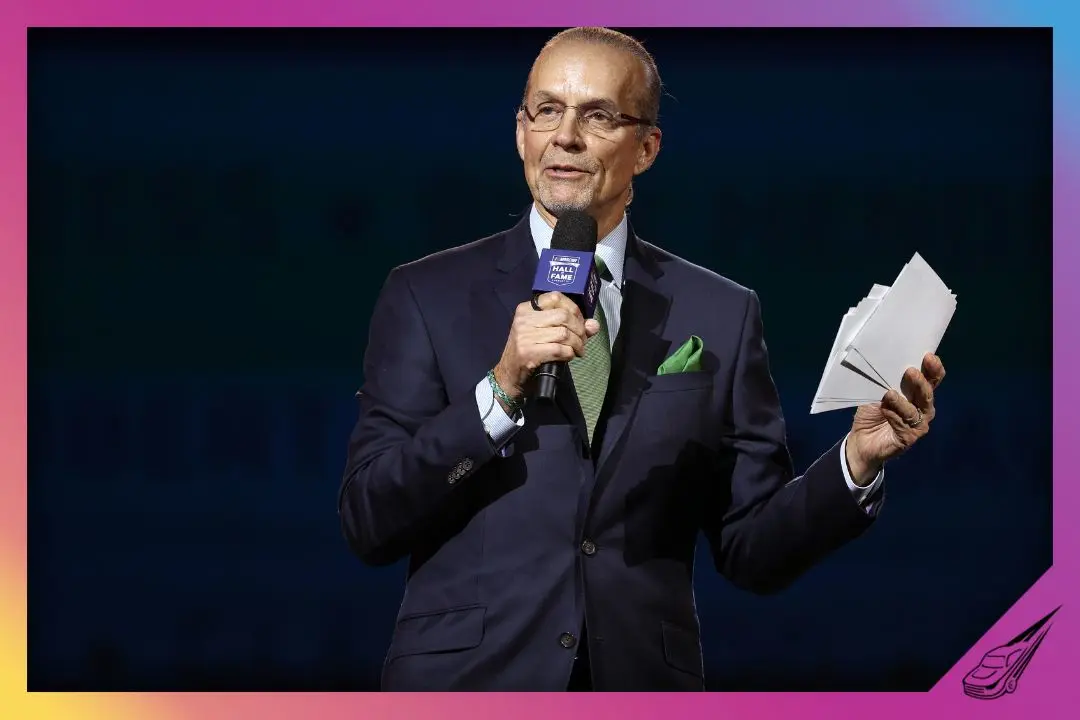
The initial comment reportedly came during a televised motorsport discussion where Petty was asked about the growing influence of social media personalities in racing. Known for his direct and sometimes blunt opinions, Petty responded by suggesting that professional racetracks are not designed to serve as stages for internet celebrities seeking attention. According to several journalists present during the broadcast taping, the remark was delivered calmly but carried a sharp undertone that quickly caught the attention of viewers.
Within minutes, the comment began circulating across motorsport forums and social media platforms. Supporters of traditional racing culture echoed Petty’s concerns, arguing that NASCAR should remain focused on experienced drivers who have spent years developing their craft through junior series and regional championships. Others, however, argued that the presence of creators like McFarland could introduce the sport to a broader audience and inspire new fans to follow racing.
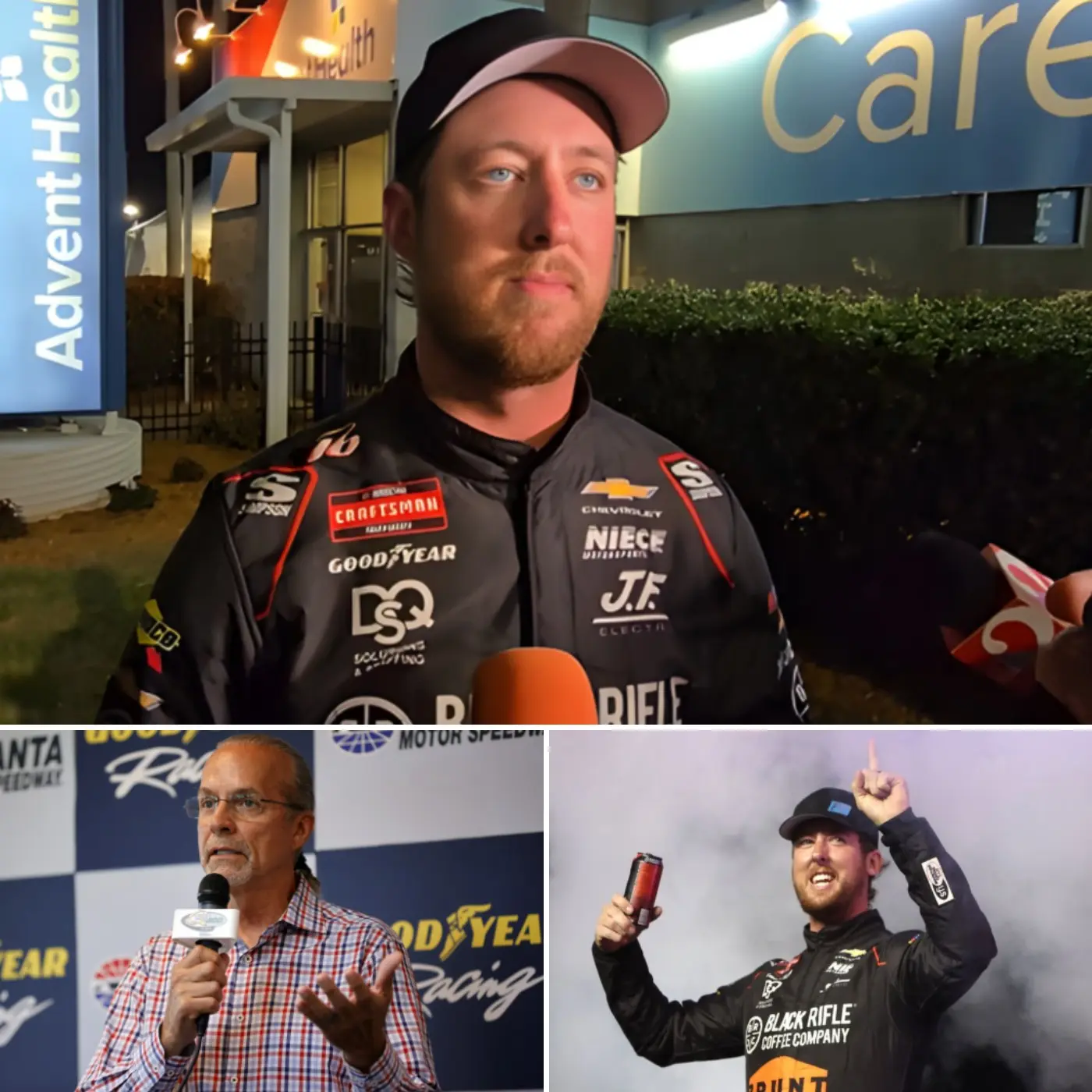
The driver at the center of the debate, Cleetus McFarland, has built a massive online following through automotive content that blends entertainment with mechanical experimentation. His videos often feature high-performance vehicles, grassroots racing events, and collaborations with other enthusiasts. Because of that background, his entry into a professional competition series had already generated excitement among his fans long before Petty’s comments appeared.
Behind the scenes, sources familiar with the series confirmed that McFarland’s participation in the NASCAR O’Reilly Auto Parts Series had been under discussion for several months. According to one team representative who spoke anonymously, organizers believed his involvement could attract younger audiences and create new engagement opportunities for the sport. At the same time, some traditionalists within the racing community remained skeptical about blending online entertainment culture with professional competition.
The situation took a dramatic turn when Cleetus McFarland responded publicly to Petty’s remarks. Rather than posting a lengthy explanation or defensive argument, McFarland delivered a short response consisting of just twelve words. Witnesses described the message as calm yet unmistakably pointed, suggesting that respect on the racetrack should ultimately be earned through performance rather than reputation.
According to reporters who closely follow NASCAR, the brief statement instantly ignited discussion across the motorsport world. Fans interpreted the response in different ways, with some praising McFarland for standing his ground and others insisting that professional racing demands a level of experience beyond what online personalities typically possess.
The controversy also reopened a broader conversation about how motorsport is evolving in the digital era. Over the past decade, content creators have played an increasingly visible role in promoting racing culture. Platforms like video streaming and social media have allowed enthusiasts to reach millions of viewers without traditional television networks. As a result, figures like McFarland have become influential voices within automotive communities worldwide.
Supporters of McFarland argue that his deep passion for vehicles and racing has always been evident in his work. They point out that many successful drivers began their careers in unconventional ways, gaining experience in grassroots events before reaching professional levels. From that perspective, allowing new personalities into the sport could encourage creativity and innovation.
Critics, however, believe the concern raised by Kyle Petty reflects a legitimate fear among veterans of the sport. According to several former drivers who commented on the situation, professional racing demands years of training, physical endurance, and technical understanding. They argue that allowing entertainers to step directly into high-profile series could undermine the achievements of drivers who followed traditional developmental paths.
Inside the garages and paddock areas of the NASCAR O’Reilly Auto Parts Series, team members reportedly watched the controversy unfold with curiosity. Some mechanics and engineers expressed excitement about the potential publicity that McFarland’s participation might bring. Others remained cautious, noting that intense media attention could create additional pressure during race weekends.
Observers also pointed out that the debate reflects a generational shift within NASCAR. Younger fans often discover motorsport through online creators before following professional competitions. As digital personalities increasingly influence how audiences engage with racing, traditional boundaries between entertainment and sport continue to blur.
Despite the heated discussions, both Kyle Petty and Cleetus McFarland have maintained relatively measured public tones since the exchange. Petty has not significantly expanded on his original comment, while McFarland has focused primarily on preparing for his upcoming appearance in the series.
As race day approaches, anticipation within the NASCAR community continues to build. Fans are eager to see whether McFarland’s performance on the track will validate the enthusiasm of his supporters or reinforce the concerns expressed by critics. In many ways, the upcoming race may serve as the ultimate response to the debate that erupted across the motorsport world.
What began as a single remark about internet fame has evolved into a broader conversation about the future direction of professional racing. Whether the sport chooses to embrace digital personalities more openly or maintain stricter traditions, the discussion sparked by Kyle Petty and Cleetus McFarland has already left a lasting mark on the ongoing evolution of NASCAR.