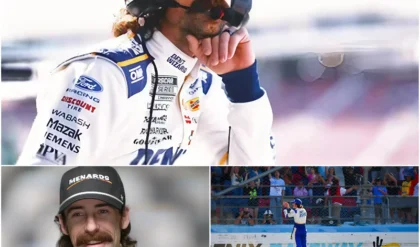
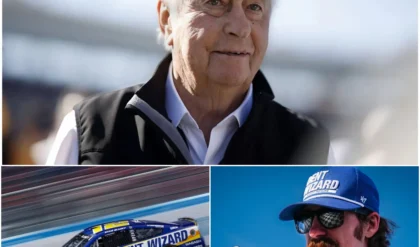
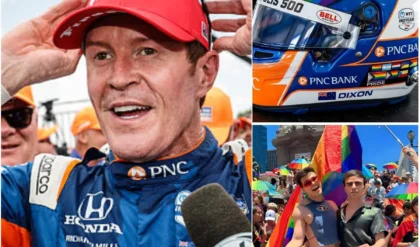
The recent IndyCar race at Phoenix Raceway delivered an astonishing television ratings surge, leaving fans and insiders alike stunned by the numbers. Titled “WHAT THE HELL IS THIS? INDYCAR GOES TO THE MOON!”, this development stems from the Good Ranchers 250 on Saturday, March 7, 2026, where the series averaged 1.247 million viewers on FOX. Drivers and the IndyCar community erupted in celebration, hailing it as a record-breaking achievement tied to the unique NASCAR-IndyCar doubleheader weekend at the Arizona oval.

The 95% jump refers specifically to viewership for Saturday IndyCar broadcasts on FOX compared to the previous year’s Saturday races. FOX highlighted this dramatic increase, noting it marked the highest Saturday audience for the series since a 2020 event at Texas Motor Speedway drew 1.25 million on NBC. The Phoenix figure also represented a 77% rise over the second race of the 2025 season at The Thermal Club, which managed only 704,000 viewers amid broadcast disruptions. Even more strikingly, it was a massive 391% improvement from IndyCar’s last visit to Phoenix in 2018, when just 254,000 tuned in on NBCSN.
This wasn’t an isolated success but part of a broader momentum for IndyCar in its second year of the high-profile FOX partnership. The season opener at St. Petersburg had drawn 1.4 million viewers, matching the strong debut from 2025 and maintaining solid carryover interest. With Phoenix now in the books, the first two races of 2026 averaged 1.3185 million viewers—a 24% improvement over the comparable span last year. The peak during the Phoenix race hit 1.468 million between 5:00 and 5:14 p.m.
ET, precisely when Josef Newgarden of Team Penske seized the lead and powered to victory in a race filled with intense action, including a series-record 565 on-track passes at the one-mile oval.
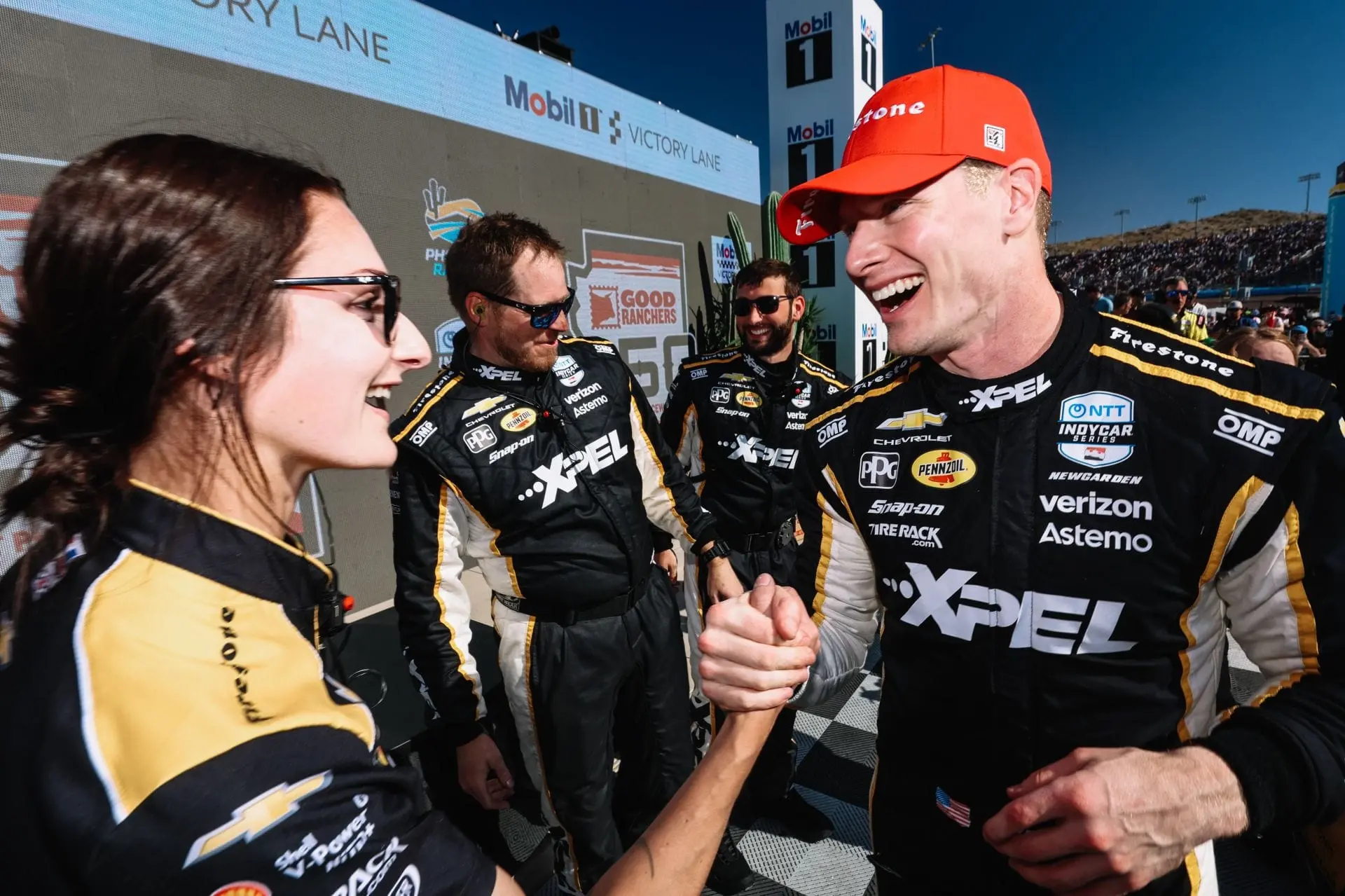
The doubleheader format—IndyCar on Saturday over-the-air on FOX, followed by NASCAR’s Cup Series on Sunday on FS1—proved a masterstroke. NASCAR’s race drew strong numbers as well, with 2.841 million viewers, contributing to the overall weekend buzz. The shared venue at Phoenix Raceway created a rare crossover opportunity, where fans of one series could sample the other. Many NASCAR attendees stayed for the open-wheel spectacle or caught highlights, while IndyCar’s high-speed, close-quarters racing on the short oval appealed to oval enthusiasts typically drawn to stock cars.
Team Penske dominated the narrative by sweeping victories: Newgarden in IndyCar and Ryan Blaney in NASCAR, adding extra drama and crossover appeal.
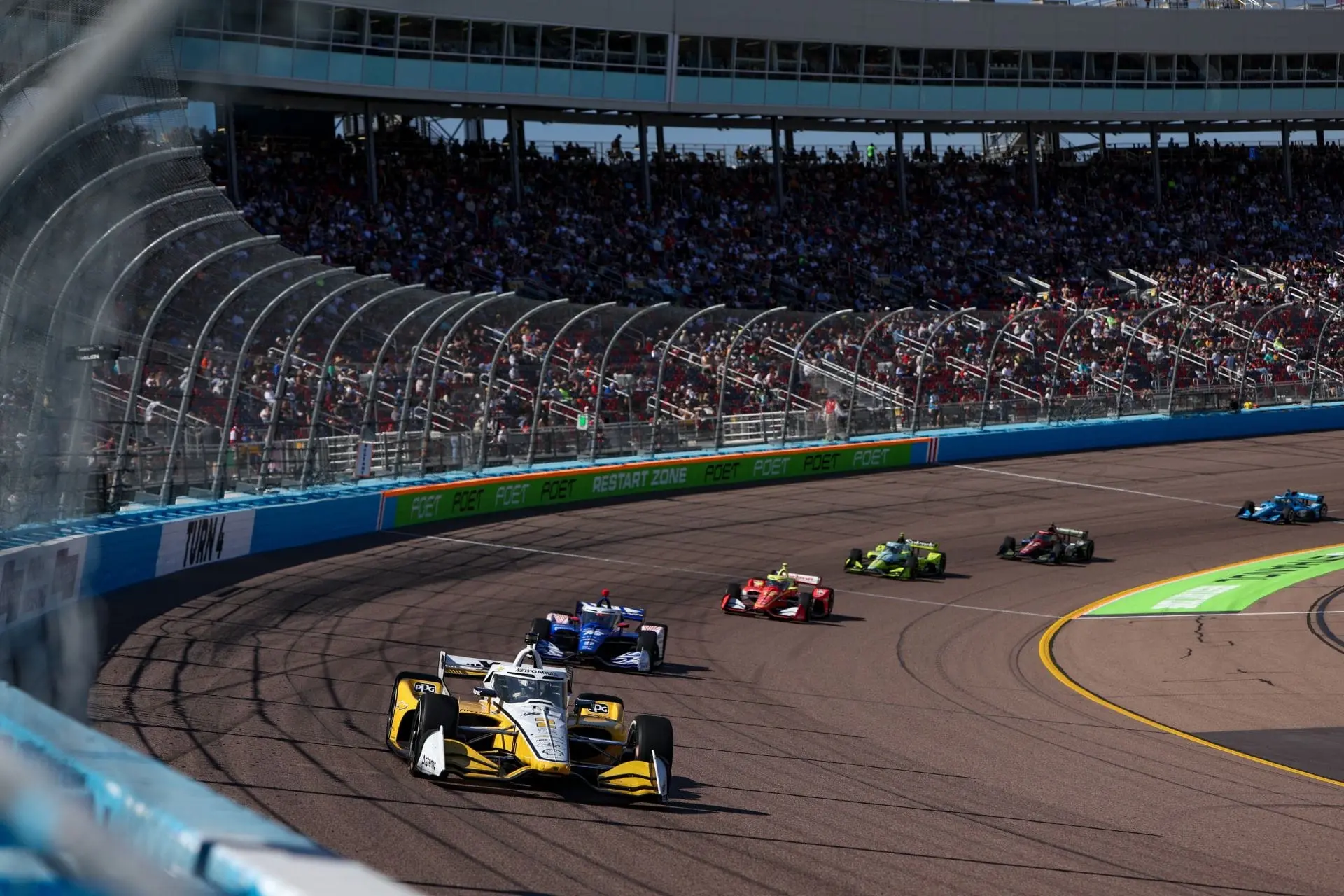
IndyCar drivers reacted with unbridled excitement to the ratings news. Social media lit up with posts from competitors and teams, many echoing sentiments of disbelief and triumph. The phrase “IndyCar to the moon” captured the mood perfectly, symbolizing the explosive growth trajectory. Drivers praised the FOX production, the promotional push, and the strategic scheduling that avoided diluting audiences early in the season. The return to Phoenix after an eight-year absence injected novelty, with the track’s flat, abrasive surface producing slide jobs, tire management battles, and multi-groove racing that kept viewers glued.
This surge arrives amid broader positive trends for the series. FOX’s ownership stake in Penske Entertainment has fueled investment in marketing, production quality, and global distribution. IndyCar now reaches more than 200 countries through partners and the IndyCar Live streaming platform, expanding beyond traditional U.S. audiences. The on-track product remains elite, with stars like Newgarden, Alex Palou, Scott McLaughlin, and emerging talents delivering consistent excitement. The Phoenix race exemplified this, as drivers navigated traffic, conserved tires, and executed daring overtakes in a contest that never let up.
For a series that has long trailed NASCAR in popularity and viewership, these numbers represent a pivotal moment. Achieving over 1.2 million for a non-Indy 500 event on a Saturday—without a holiday or major conflicting sports draw—signals growing mainstream traction. Fans have long argued that IndyCar’s racing quality deserves wider exposure, and the FOX deal, combined with creative event pairing, appears to be delivering. The doubleheader not only boosted immediate ratings but also fostered goodwill between the two series, with drivers from both camps expressing interest in more joint weekends.
As IndyCar heads into the rest of its 2026 schedule, the momentum from Phoenix sets a high bar. Sustaining these levels will require continued innovation, strong racing, and smart promotion. Yet the reaction from the paddock and fanbase leaves no doubt: this is more than a blip. It’s evidence that open-wheel racing in America is ascending rapidly, defying expectations and proving that with the right platform and execution, IndyCar can capture massive attention.
The celebration is warranted. What seemed improbable just years ago—IndyCar shattering viewership benchmarks outside the Indianapolis 500—is now reality. The series isn’t just surviving; it’s thriving, and the television audience is responding in record fashion. To borrow the drivers’ own words: what the hell is this? It’s IndyCar going to the moon—and the ride is only getting started.