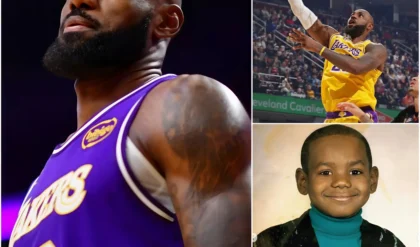
The basketball world began buzzing after a short clip from a recent press conference featuring LeBron James spread rapidly across social media platforms. In the video, the Los Angeles Lakers superstar was asked about confidence during difficult shooting nights. His response was direct and instantly memorable. He explained that even if he were shooting zero percent from the field, he would still believe the next shot would go in. The comment immediately ignited debate across the National Basketball Association community.
For many fans, the statement sounded like a classic expression of elite athlete mentality. Confidence is often considered one of the defining traits of the greatest players in sports history, and LeBron’s remark seemed to reinforce that reputation. Supporters argued that the belief in the next shot is what separates legends from ordinary players. In their view, the willingness to continue attacking the basket despite previous misses demonstrates the psychological strength required to perform under intense pressure.
However, the discussion quickly became more complicated once longtime followers of James began revisiting past moments from his career. Several viral posts resurfaced clips showing the Lakers star passing up potential game-winning shots or choosing to create opportunities for teammates instead. Those decisions have always been part of what makes LeBron unique as a player. Unlike many superstars who prioritize scoring above all else, James has built his legacy as both an elite scorer and one of the most gifted playmakers basketball has ever seen.
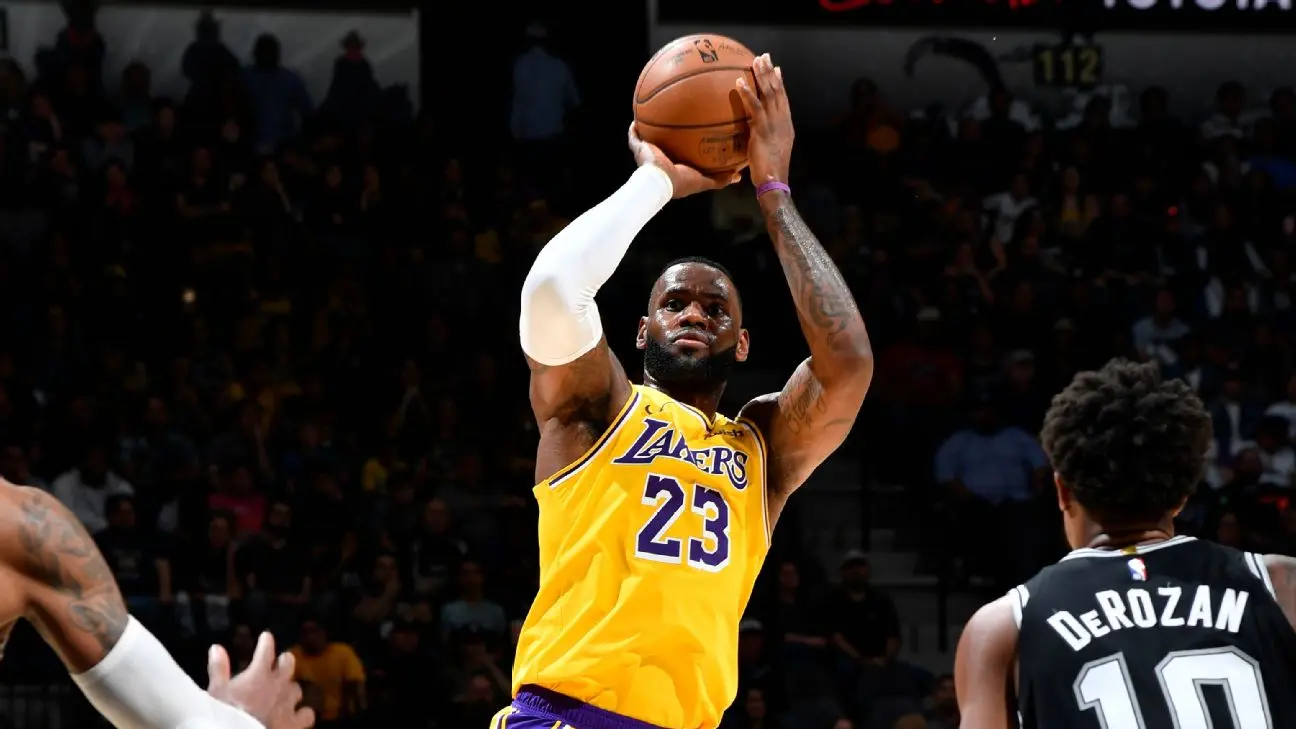
Analysts pointed out that LeBron’s style has long balanced instinct with strategic awareness. During games, he constantly reads defensive schemes, calculating whether a shot, a drive, or a pass gives his team the best chance to score. Coaches who have worked with him often describe his decision-making as similar to that of a quarterback in American football, scanning the floor and predicting how defenders will react before making his move. That approach sometimes leads him to pass when fans expect him to shoot.
The recent debate has therefore evolved into a broader question about how the modern game is played. In today’s NBA, advanced analytics play a major role in shaping offensive strategies. Teams study shooting percentages, shot locations, and defensive matchups to determine which decisions produce the most efficient results. As a result, players are often encouraged to prioritize certain shots, such as open three-pointers or attempts near the rim, while avoiding lower-percentage mid-range attempts.
Within that context, LeBron’s comment about believing every shot will go in sounds almost philosophical. It represents the traditional athlete mindset that confidence should override doubt. Yet his actual gameplay sometimes reflects the opposite approach: evaluating probability and choosing the option that statistically benefits the team. This contrast is precisely why the video clip sparked so much discussion online. Fans began asking whether LeBron truly operates on instinct alone or whether analytics quietly guide many of his choices.
People close to the Lakers organization suggest that the reality lies somewhere between those two ideas. According to individuals familiar with the team’s preparation process, the coaching staff provides players with detailed data about opponents before every game. These reports highlight defensive tendencies, weak spots in coverage, and the most efficient scoring opportunities. LeBron studies this information carefully, but teammates say he still relies heavily on his natural feel for the game once he steps onto the court.
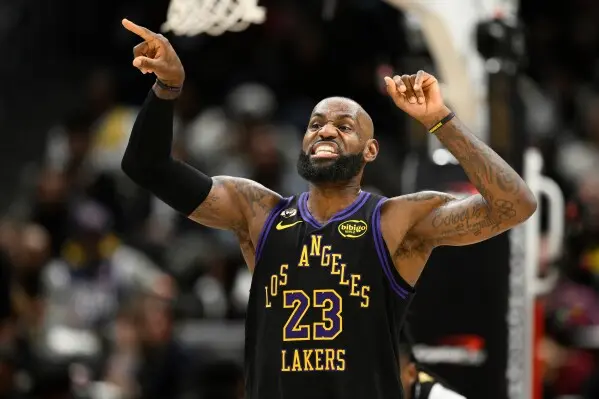
One teammate reportedly explained that during games LeBron constantly communicates with players around him, pointing out defensive rotations and calling out adjustments. In those moments, the decision to shoot or pass often happens in a fraction of a second. The teammate described how LeBron sometimes drives toward the basket appearing ready to finish himself, only to deliver a perfectly timed pass to an open shooter when defenders collapse toward him. Those plays highlight his ability to combine instinct with calculation.
Former NBA players have also weighed in on the discussion. Some argue that LeBron’s confidence statement should not be interpreted literally but rather as an example of how elite athletes maintain belief during difficult moments. They explain that even when a player knows a shot might not be the most efficient option, the mental commitment to success remains essential. Without that belief, hesitation could undermine performance and allow defenders to gain the advantage.
Others believe the debate reflects a deeper shift in basketball culture. In earlier eras, superstars were often judged by their willingness to take the final shot regardless of circumstances. Today, many analysts emphasize making the “correct basketball play,” even if that means passing to a teammate. LeBron’s career has frequently been at the center of that philosophical change. His readiness to involve teammates in critical moments has earned both praise for his selflessness and criticism from those who expect stars to finish plays themselves.
Social media discussions following the press conference quickly filled with comparisons to famous moments in LeBron’s career. Some fans mentioned playoff games where he delivered clutch shots, while others highlighted situations where he created game-winning opportunities for teammates instead. Each example seemed to support one side of the argument: either the instinctive competitor who believes every shot will fall or the strategic playmaker who chooses efficiency over personal glory.
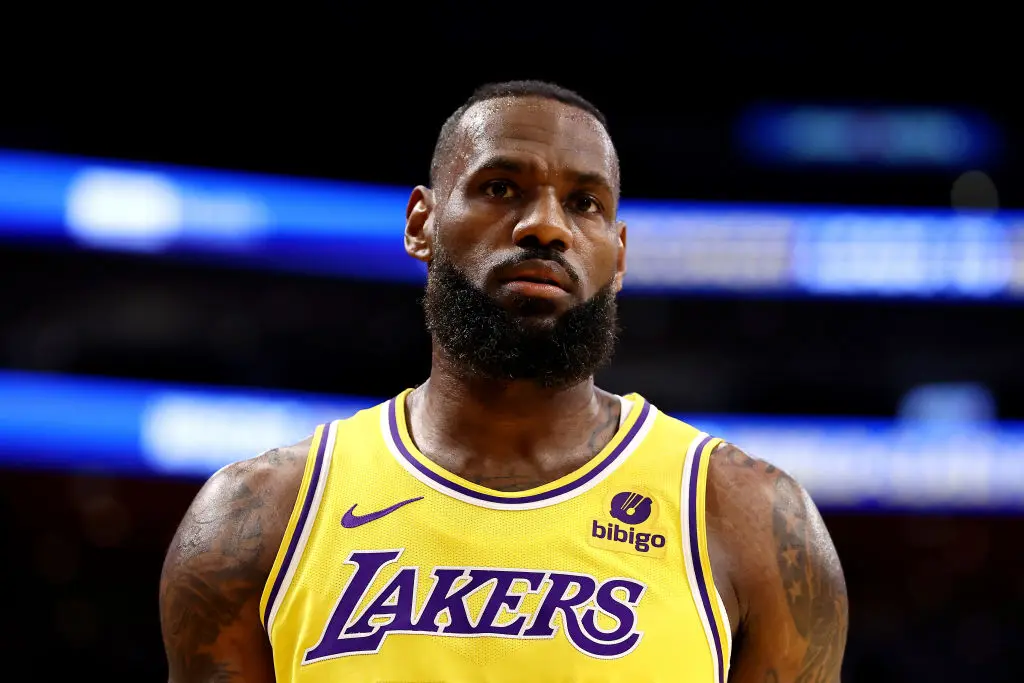
Sports psychologists observing the debate suggest that both perspectives can coexist within the same athlete. Confidence does not necessarily require ignoring statistical reality. Instead, players often maintain an internal belief that any shot can succeed while still recognizing which options are more favorable. For someone like LeBron, whose basketball intelligence is widely respected, that balance between belief and analysis may actually be one of his greatest strengths.
As the conversation continues, the viral clip serves as another reminder of the influence LeBron James still holds over the basketball world. Even a brief statement during a routine press conference can spark days of discussion among fans, analysts, and former players. The question about instinct versus analytics may never have a simple answer, but the debate itself reflects the complexity of a player who has spent decades redefining what it means to lead a team on the NBA stage.
Ultimately, whether LeBron is guided more by instinct or by numbers may matter less than the results he continues to produce. Throughout his career he has demonstrated an ability to adapt to new styles of play, evolving alongside the changing strategies of the modern NBA. That flexibility, combined with unwavering confidence in his abilities, is precisely why he remains one of the most fascinating figures in professional basketball today.