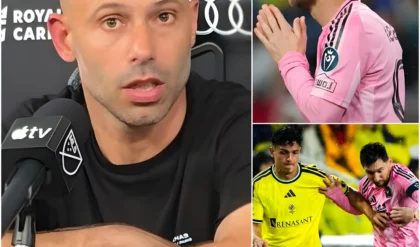
The recent goalless draw between Inter Miami CF and Nashville SC has generated extensive discussion among supporters, analysts, and former players. While a 0–0 result is not unusual in professional football, the expectations surrounding Inter Miami have grown significantly in recent seasons, making every performance subject to close scrutiny. After the match, comments from striker Luis Suárez added another dimension to the conversation, highlighting the internal reflection taking place within the team.
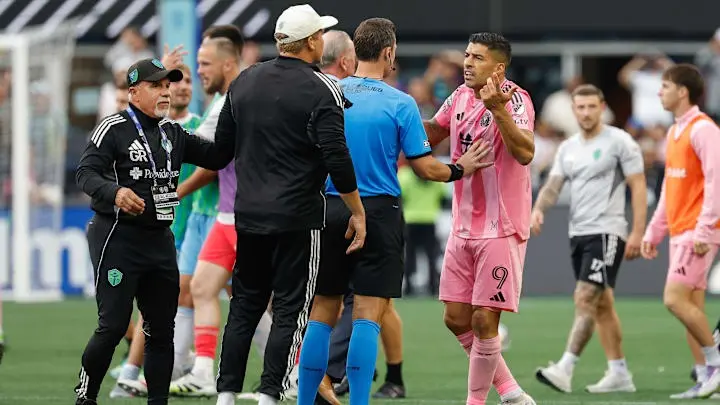
The match itself unfolded as a carefully contested tactical battle. Nashville approached the game with a structured defensive plan, focusing on maintaining compact lines and limiting the spaces where Miami’s attacking players usually operate. Inter Miami, for its part, attempted to control possession and gradually break down the opposition through patient passing and coordinated movement in the final third.
During the opening stages, Miami demonstrated its intention to dominate the rhythm of the game. Midfield players circulated the ball effectively, and several attacking sequences hinted at the possibility of a breakthrough. However, as the match progressed, Nashville’s defensive organization became increasingly evident. Their defenders communicated well, closing down passing lanes and preventing clear shooting opportunities inside the penalty area.
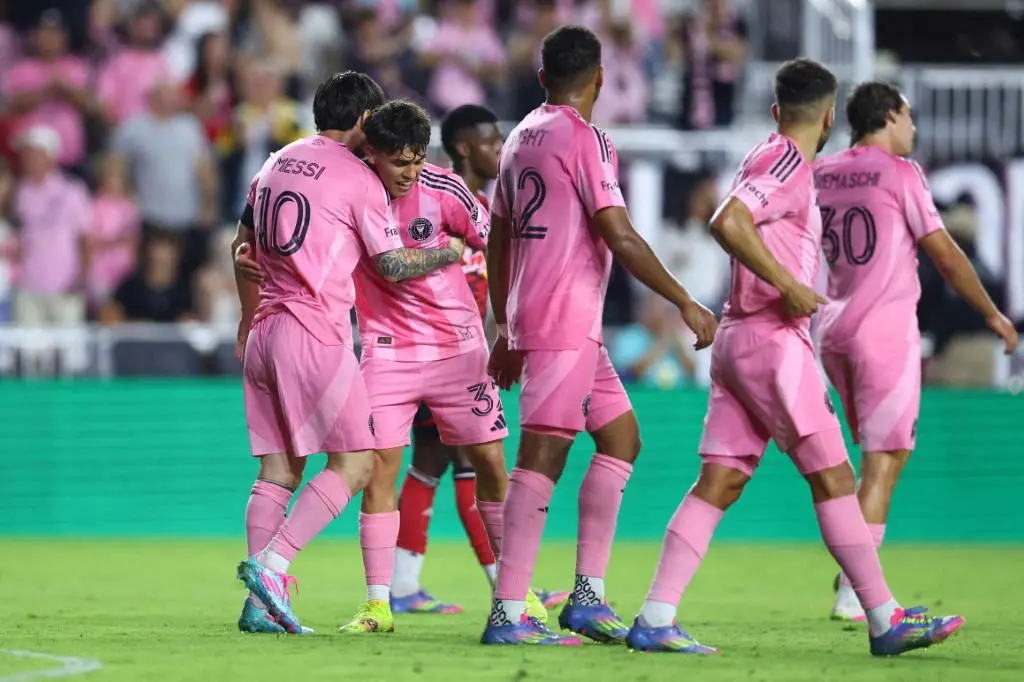
Despite several promising approaches, Inter Miami struggled to convert possession into decisive chances. Crosses into the box were often cleared, and through passes were intercepted before reaching the intended targets. Nashville’s goalkeeper also maintained strong positioning, ensuring that the few shots on target were handled confidently.
When the final whistle confirmed the goalless draw, reactions among supporters were mixed. Some fans appreciated the disciplined effort shown by Nashville, while others focused on Miami’s inability to score despite controlling large portions of the match. The team’s attacking line, which includes internationally experienced players, has often been expected to produce decisive moments even in tightly contested games.
Shortly after the match, Luis Suárez shared his perspective during a post-match discussion with media representatives. The veteran striker, who has spent many years competing at the highest level of world football, spoke openly about the challenges faced during the match. His comments were direct but delivered in a thoughtful tone, reflecting both his competitive nature and his desire to see the team improve.
Suárez suggested that one particular aspect of the team’s performance had limited their ability to create effective scoring opportunities. Without focusing excessively on individual criticism, he indicated that certain decisions during attacking phases had disrupted the fluidity of Miami’s offensive movements. According to Suárez, when players fail to occupy the correct positions or delay passes at key moments, it becomes easier for well-organized defenses to regain control.
Such observations are not uncommon among experienced forwards. Strikers often rely heavily on the timing and precision of their teammates’ passes. When attacking coordination functions smoothly, forwards can anticipate movements and position themselves to finish chances. However, when communication or timing is slightly off, even the most talented attackers may find themselves isolated or unable to reach the ball in dangerous areas.
Suárez emphasized that his remarks were motivated by the desire to strengthen the team rather than assign blame. Throughout his career, he has been known for his intensity and commitment to winning. Those qualities often lead him to speak candidly about performances, particularly when he believes improvements can be made. Within professional football environments, such honesty is often part of the process of maintaining high standards.
Head coach Javier Mascherano responded calmly when asked about Suárez’s comments. Mascherano explained that discussions about performance regularly occur within the dressing room and during training sessions. For him, constructive dialogue between players is an important component of team development. When individuals share their perspectives respectfully, it can help clarify tactical responsibilities and improve understanding on the field.
Mascherano also noted that football matches rarely depend on a single factor. Results emerge from a combination of tactical planning, individual decisions, and the quality of the opposition. Nashville’s defensive performance, he pointed out, deserves recognition for its discipline and organization. Breaking down such a structure often requires patience and creative solutions rather than simply identifying a single cause for the lack of goals.
Within the Inter Miami squad, senior players like Suárez and Lionel Messi play an important leadership role. Their experience in international tournaments and top European leagues gives them valuable insight into the small details that can determine the outcome of closely contested matches. Younger players often benefit from observing how these veterans prepare for games, analyze performances, and maintain professional standards.
The club’s coaching staff has consistently emphasized collective responsibility. While individual errors can influence moments within a match, long-term success depends on the coordinated effort of the entire squad. Training sessions following the Nashville game have therefore focused on improving movement in attacking areas, accelerating ball circulation, and ensuring that players understand their positioning during different phases of play.
Analysts reviewing the match have also pointed to tactical factors that influenced the result. Nashville’s midfield remained compact, forcing Miami’s attackers to operate in narrower spaces than usual. In such situations, teams often need quick combinations or unexpected runs from deeper positions to break defensive lines. Developing those patterns requires consistent practice and clear communication among players.
For supporters, the discussion sparked by Suárez’s comments has provided an opportunity to reflect on the realities of competitive football. Expectations for Inter Miami remain high, but the season is long and filled with challenges. Matches against organized opponents will not always produce spectacular scorelines, yet they often contribute to a team’s growth by revealing areas that need refinement.
Many fans have expressed appreciation for the honesty shown by players and coaches when addressing performances. Rather than avoiding difficult topics, the willingness to discuss them openly can strengthen trust between the club and its supporters. Transparency about both successes and setbacks often fosters a more balanced understanding of the team’s journey throughout the season.
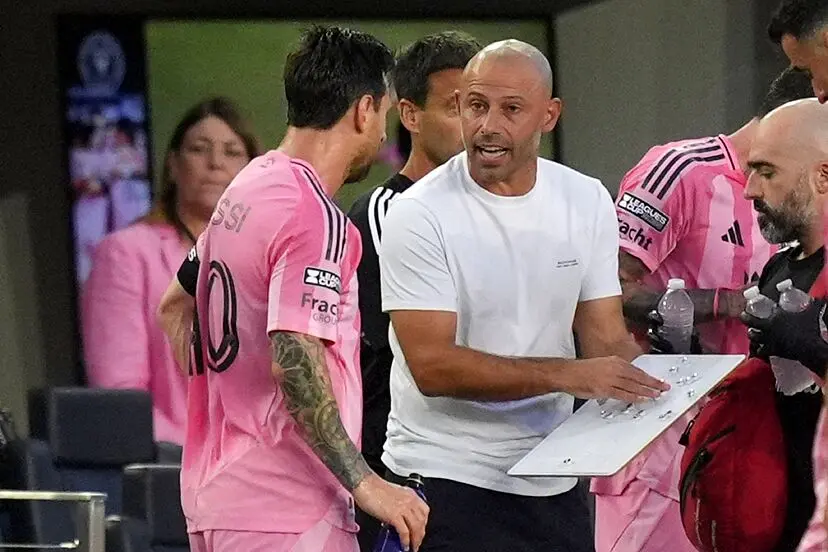
Looking ahead, Inter Miami will aim to transform the lessons from this match into improved performances. The upcoming fixtures present new opportunities to demonstrate sharper attacking coordination and renewed determination in front of goal. Players understand that consistency, discipline, and teamwork will be essential as the competition intensifies.
Luis Suárez’s comments, while drawing attention, ultimately reflect the mindset of a competitor determined to achieve the highest possible results. His desire for improvement aligns with the broader ambitions of the club, which continues to develop its identity within Major League Soccer. Moments of internal reflection are a natural part of that process.
In professional football, a draw can sometimes serve as a catalyst for progress. By examining the match carefully, identifying tactical adjustments, and strengthening communication among teammates, a team can emerge better prepared for future challenges. For Inter Miami, the focus now shifts toward applying those lessons on the training ground and carrying them into the next match.
The supporters who follow the club closely understand that the path to success is rarely straightforward. Each game contributes to the larger narrative of a season, shaping both the character and the resilience of the squad. With experienced leaders guiding the team and a coaching staff committed to continuous improvement, Inter Miami remains determined to turn moments of difficulty into opportunities for growth.