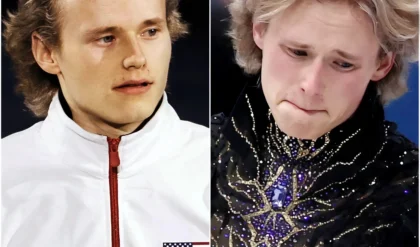
The figure skating world was stunned this week after Olympic champion Alysa Liu officially withdrew from the upcoming World Figure Skating Championships scheduled for later this month. The announcement, reported by The Guardian, came shortly after Liu made history as the first American woman in more than two decades to win Olympic gold in women’s figure skating at the Winter Games. Although the decision surprised many casual fans, insiders within the skating community say the move had been quietly anticipated for weeks due to the intense demands of the Olympic season.
Liu had originally been expected to compete alongside fellow U.S. skaters Amber Glenn and Isabeau Levito when the championships begin on March 24 at London’s O2 Arena. The U.S. Figure Skating federation confirmed that Sarah Everhardt will take Liu’s place in the American team after alternate Bradie Tennell declined the opportunity to compete. Officials described the roster change as “unfortunate but understandable,” noting that athletes often face physical and mental fatigue after the Olympics. Still, the sudden reshuffle has shifted expectations for the American delegation.
Sources close to Liu say the young champion had been privately discussing the possibility of skipping the event almost immediately after her Olympic victory. According to one team insider who spoke on condition of anonymity, Liu had been battling exhaustion throughout the final weeks of the Olympic build-up. “People saw the gold medal performance, but they didn’t see how much she pushed through pain and pressure to get there,” the insider explained, adding that Liu’s coaching staff had urged her to prioritize recovery rather than extend the season further.
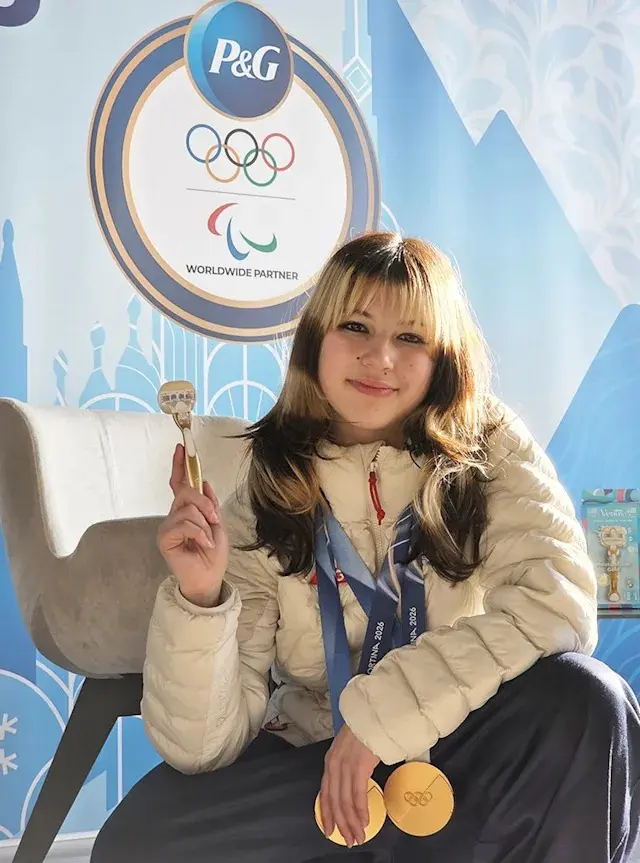
The decision reflects a broader pattern that frequently occurs in Olympic years, when the competitive calendar stretches athletes to their limits. Skaters often train for years with the Olympics as their primary target, and continuing through the World Championships just weeks later can prove overwhelming. Coaches and sports scientists have increasingly warned that pushing too far beyond the Olympic peak can risk injury, burnout, or long-term health issues. In Liu’s case, those concerns appear to have played a decisive role.
People familiar with the situation revealed that Liu held several private discussions with her coaches and family before making the final call. One person who attended those meetings said the conversation was emotional but ultimately practical. “Alysa loves competing, but she also understands that this gold medal came at a cost physically and mentally,” the source said, noting that Liu herself reportedly told her team she wanted “to protect the joy of skating rather than force one more competition.”
Behind the scenes, there were also whispers about minor injuries sustained during Olympic training sessions. While Liu’s camp has not publicly confirmed any serious physical issues, a member of the training staff hinted that the skater had been managing recurring strain in recent weeks. “Nothing catastrophic,” the staff member said quietly, “but enough that continuing to compete without proper rest might turn something small into something much bigger.” That possibility appears to have weighed heavily on the final decision.
The withdrawal has opened the door for Sarah Everhardt, a rising American skater who now steps into one of the sport’s biggest stages. Everhardt’s selection came after veteran Bradie Tennell declined the alternate position, a move that surprised some observers but was reportedly based on Tennell’s own competition plans and recovery priorities. Everhardt’s coaches reacted with excitement mixed with urgency, explaining that the young skater had only a short window to prepare for an event that typically represents the pinnacle of the non-Olympic season.
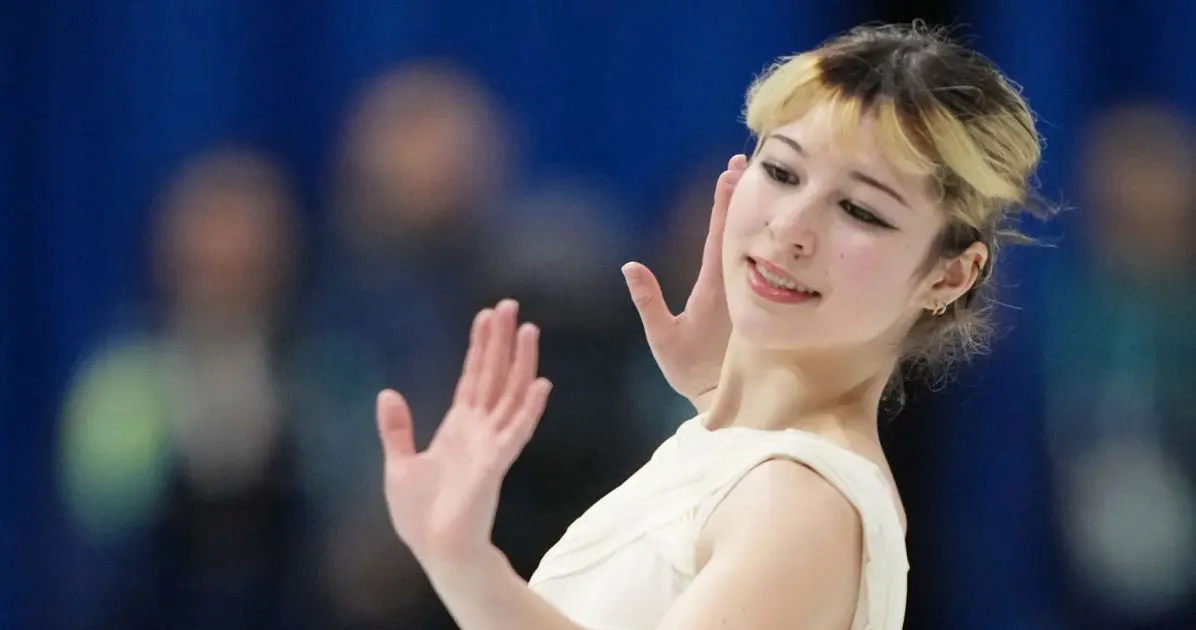
Within the U.S. skating community, reactions have ranged from disappointment to understanding. Several former champions publicly supported Liu’s decision, emphasizing that Olympic champions often face extraordinary pressure immediately after their breakthrough moment. One former national team member remarked privately that the public rarely sees the psychological aftermath of such victories. “Winning the Olympics changes your entire life overnight,” the skater said. “The media attention, sponsorship demands, and emotional release can be overwhelming.”
The upcoming World Championships have already seen several notable withdrawals from elite athletes around the globe. Among them are Japan’s Olympic pairs champions Riku Miura and Ryuichi Kihara, Italy’s pair team Sara Conti and Niccolo Macii, and Belgium’s star singles skater Loena Hendrickx. Their decisions highlight the broader toll of the Olympic season, which compresses multiple high-level competitions into a demanding schedule that tests even the most resilient athletes.
Insiders suggest that the unusually high number of withdrawals this year reflects how athletes are becoming more willing to protect their long-term careers rather than chase every possible title. Sports psychologists working with elite skaters say the culture of endurance is gradually shifting toward smarter scheduling and recovery strategies. One consultant who has worked with multiple national teams explained that athletes are now encouraged to treat the Olympic cycle as a marathon rather than a sprint, even if that means skipping prestigious competitions.
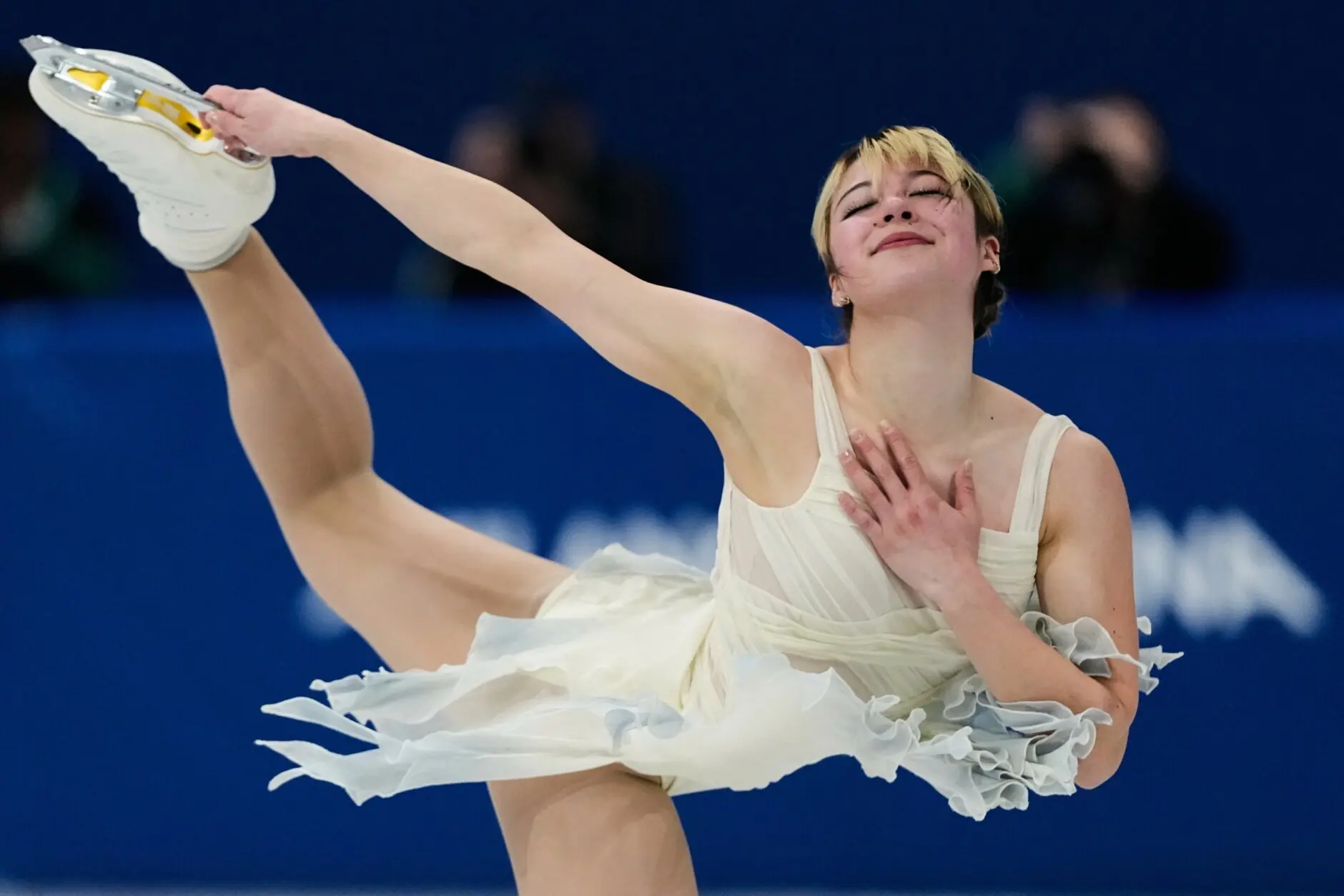
Despite her absence from the World Championships, Liu’s Olympic victory has already secured her place in American figure skating history. The gold medal ended a long drought for the United States in women’s Olympic skating and instantly elevated Liu into the ranks of the sport’s most celebrated champions. Analysts say the achievement could reshape the future of American skating by inspiring a new generation of young athletes who watched her performance on the Olympic stage.
Those closest to Liu insist the withdrawal should not be interpreted as a sign of uncertainty about her future in the sport. In fact, one member of her support team hinted that the skater has already begun discussing plans for the next competitive cycle. “She still loves the ice, and she still has goals,” the insider said, adding quietly that Liu reportedly told friends she wants to return stronger rather than risk diminishing the momentum she built at the Olympics.
For now, Liu herself has remained largely silent in public, choosing not to elaborate extensively on her decision. But people within her inner circle say the message she shared privately was simple and heartfelt. After years of relentless training culminating in Olympic gold, the young champion reportedly told her team she needed time to breathe, recover, and rediscover the joy that first brought her to the rink. In a sport defined by precision and resilience, that quiet admission may reveal more about the reality of elite competition than any medal ever could.