The long-standing football rivalry between Lionel Messi and Cristiano Ronaldo has been one of the defining narratives of modern football. For more than fifteen years, the two players have dominated discussions about individual excellence, collective achievements, and the evolution of the sport itself. Their careers have unfolded across different leagues, continents, and football cultures, yet comparisons between them remain a central theme in conversations among supporters, analysts, and former players.

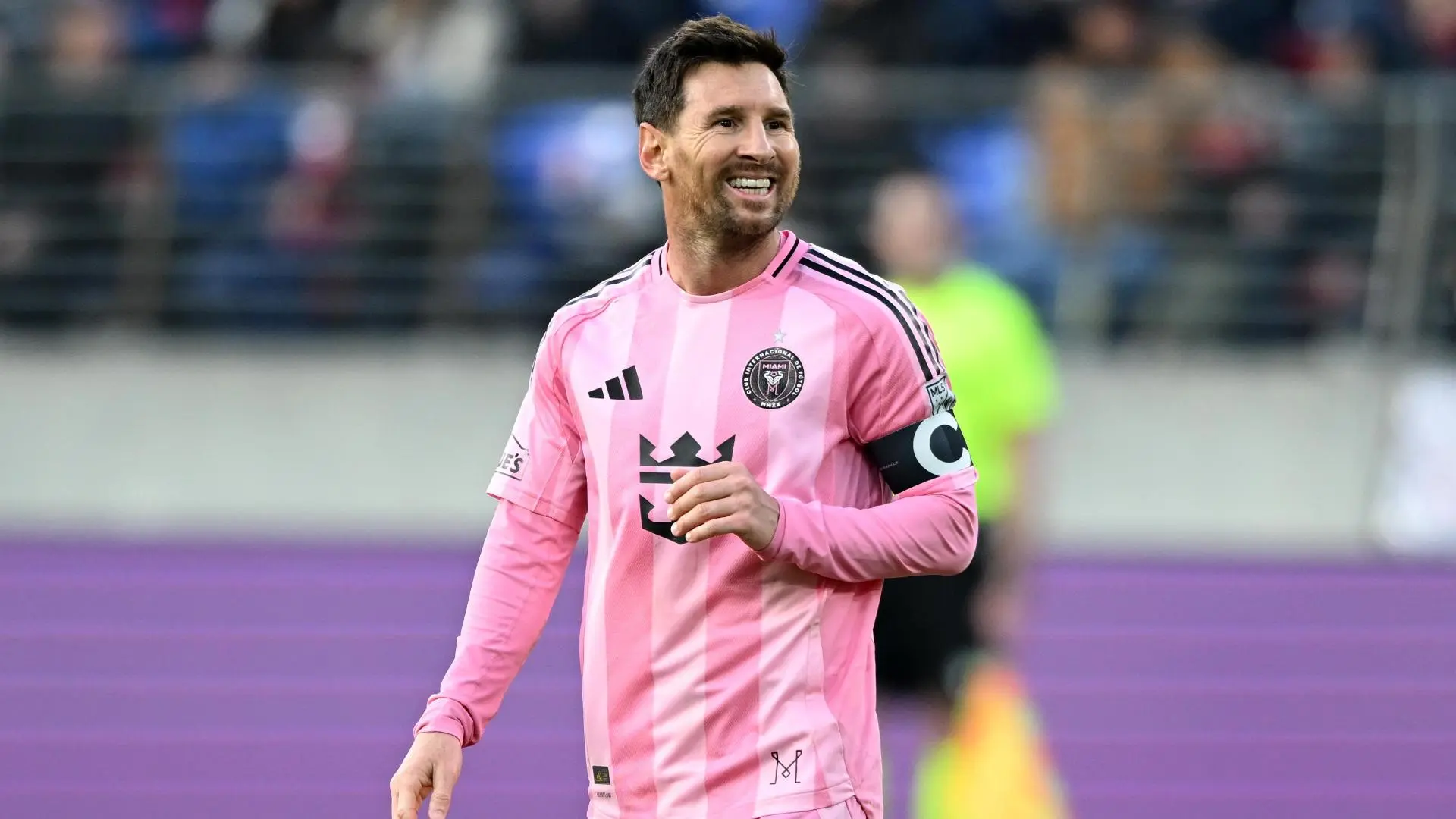
The latest moment to renew that conversation came after Messi reached another remarkable milestone. Playing in the United States for Inter Miami CF in Major League Soccer, the Argentine forward scored his 899th career goal during a match against D.C. United. The goal itself reflected many of the qualities that have defined Messi’s style throughout his career: precise movement, calm decision-making, and the technical ability to create opportunities even in tight spaces.
For many supporters, the moment served as another reminder of Messi’s extraordinary longevity and consistency. Since emerging as a young talent at FC Barcelona in the mid-2000s, he has continued to produce goals and assists at a pace rarely seen in professional football. His years in Spain brought numerous domestic titles, continental success, and several individual awards that helped shape his global reputation.
Cristiano Ronaldo, meanwhile, has followed a similarly remarkable path. After making his early professional breakthrough in Portugal and then rising to international prominence with Manchester United, he continued his career with historic spells at Real Madrid and later Juventus. His goal-scoring achievements in European competitions, particularly the UEFA Champions League, helped establish him as one of the most prolific forwards in football history.
Because both players have maintained extraordinary scoring records over such a long period, comparisons between their totals have often become part of broader debates about who has had the greater career. While statistics can highlight certain aspects of performance, many observers argue that the two players represent different styles of excellence. Messi is frequently praised for his playmaking ability, creativity, and vision, while Ronaldo is celebrated for his physical strength, aerial ability, and remarkable goal-scoring instinct.
Following Messi’s latest milestone goal, some comments attributed to Ronaldo circulated widely across social media platforms and sports discussion forums. In these remarks, Ronaldo reportedly questioned why he should congratulate Messi for the achievement, pointing out that the overall gap between their career goal totals remained significant. He also suggested that Messi’s strengths might be more closely associated with creating chances for teammates rather than focusing primarily on goal-scoring records.
Such comments quickly attracted attention among football fans, partly because any reference to the Messi-Ronaldo rivalry tends to generate widespread interest. However, analysts also noted that discussions between the two players have historically remained relatively respectful compared to the intense debates often carried out by supporters. Over the years, both players have occasionally acknowledged each other’s achievements, recognizing that their parallel careers have pushed each of them to maintain exceptionally high standards.
Observers also emphasized that public statements attributed to athletes can sometimes be interpreted differently depending on context. Interviews, translated remarks, or brief comments may take on broader meanings once they circulate online. For this reason, many journalists prefer to focus on the larger perspective: two extraordinary careers that have shaped football across several generations of fans.
In the days following the match against D.C. United, Messi addressed the broader topic of competition in a calm and measured way during a brief media interaction. Rather than engaging directly in comparisons about numbers or records, he spoke about the importance of teamwork and the collective nature of football. According to several reporters present at the interview, Messi emphasized that personal milestones are meaningful but that they ultimately gain value through the success and effort of the team.
He also highlighted how football has changed during the years in which he and Ronaldo have played at the highest level. The sport has become faster, more global, and more technologically advanced, with new tactical systems and analytical tools shaping how teams prepare for matches. In this environment, sustaining a high level of performance for nearly two decades requires constant adaptation.
Messi’s approach to competition has often reflected this perspective. Throughout his career, he has frequently redirected attention toward teammates, coaches, and supporters rather than focusing solely on individual recognition. Even when reaching major milestones—whether in goals scored, matches played, or trophies won—he tends to emphasize the collective effort behind those achievements.
Ronaldo’s career philosophy, while different in style, also demonstrates a similar commitment to excellence. Known for his rigorous training routines and strong personal discipline, the Portuguese forward has extended his career well beyond the typical peak years for professional footballers. His ability to maintain high physical standards has allowed him to remain competitive at the top level of the sport for a remarkably long period.
Many football historians believe that the coexistence of Messi and Ronaldo in the same era has elevated the standards of modern football. Each player has responded to the other’s achievements by continuing to improve his own performance. This dynamic has produced seasons in which both athletes recorded goal totals that previously seemed almost impossible in elite competitions.
Beyond statistics, the rivalry has also contributed to the global popularity of the sport. Matches featuring teams led by Messi and Ronaldo have consistently attracted large television audiences and worldwide attention. Their presence has helped bring football to new regions and inspired countless young players to pursue the sport.
In recent years, the two players have followed different geographic paths. Messi’s move to Inter Miami introduced him to the rapidly growing football environment in the United States, where Major League Soccer continues to expand its fan base and infrastructure. Ronaldo, on the other hand, has continued his career in the Middle East, where investment in football has increased significantly as leagues seek to strengthen their international profile.
Despite these different settings, the global fascination with their rivalry has not diminished. Each goal, assist, or milestone achieved by either player is still widely discussed by fans around the world. For younger supporters who grew up watching both athletes dominate European competitions, their achievements form an important part of football’s modern history.
Football commentators often suggest that the true significance of the Messi-Ronaldo rivalry lies not in determining a single “winner” but in appreciating the unique qualities each player has brought to the game. Messi’s creativity and close control have produced moments of artistry rarely seen in professional sport, while Ronaldo’s athleticism and determination have redefined expectations about longevity and physical performance.
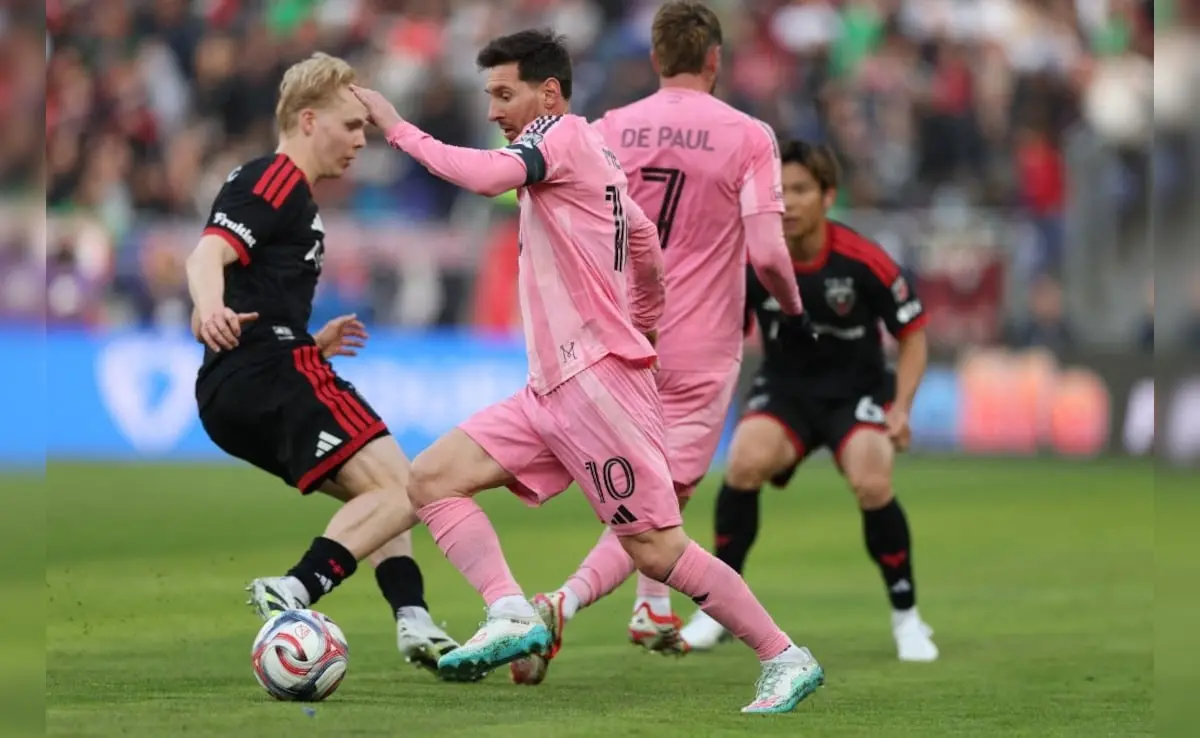
As Messi approaches the symbolic milestone of 900 career goals, many observers see the moment as another opportunity to reflect on the remarkable consistency required to reach such numbers. Achieving nearly nine hundred goals across club and international competitions demands not only technical ability but also durability, discipline, and an enduring passion for the game.
Whether or not the two players ever finish their careers with similar statistics may ultimately matter less than the legacy they leave behind. For more than a decade, football supporters have had the rare privilege of watching two extraordinary talents perform at the highest level simultaneously. Their achievements have inspired debate, admiration, and sometimes disagreement, but they have also enriched the sport in countless ways.
In the end, the discussion sparked by Messi’s 899th goal serves as another chapter in a rivalry that has shaped football history. While fans may continue to compare numbers, trophies, and records, the broader story remains one of mutual influence. Messi and Ronaldo have each pushed the boundaries of what professional footballers can achieve, leaving a lasting impact that will be remembered long after their playing careers come to an end.