The tense situation surrounding Formula 1’s 2026 regulations has escalated dramatically, with a prominent IndyCar champion team delivering sharp criticism of the new ruleset. This has drawn public support from two of F1’s biggest stars, Max Verstappen and Lando Norris, amplifying concerns that the overhauled technical package—intended to usher in a more sustainable and exciting era—may instead be compromising the sport’s core appeal.
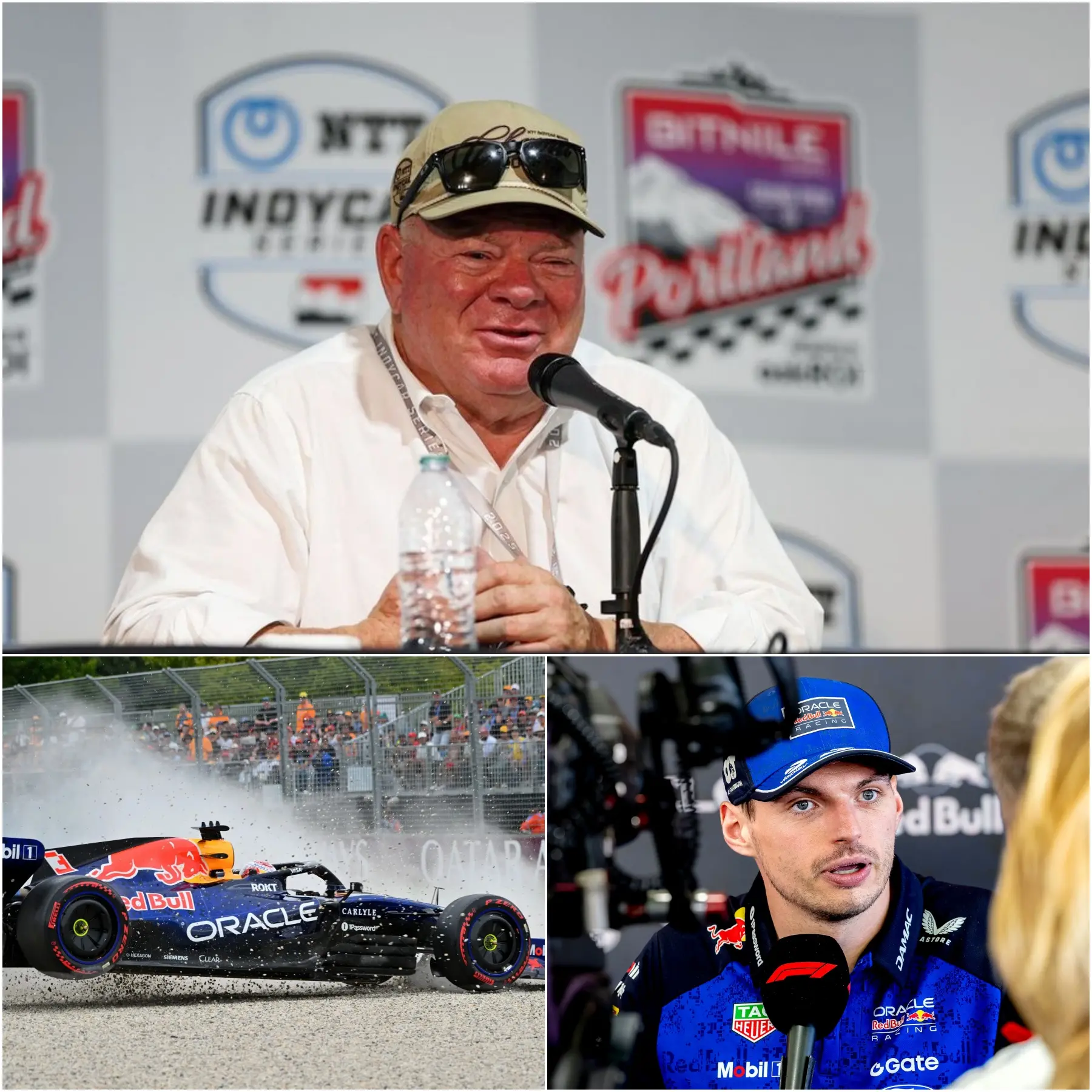
Chip Ganassi Racing, one of IndyCar’s most successful outfits and a multiple-time champion team, took a pointed jab at F1’s direction. In a social media post accompanying footage of their high-speed, action-packed IndyCar racing, the team highlighted practices like “super-clipping,” “downshifting on straights,” and “battery management” with evident sarcasm, followed by a blunt declaration: “yeah, we don’t do that here.
We race.” The message, shared amid the early 2026 F1 season, underscores a growing narrative that F1’s push toward greater electrification and energy management has shifted focus away from pure racing dynamics toward strategic conservation, reminiscent more of endurance or electric series than traditional open-wheel competition.
The 2026 regulations represent one of the most significant overhauls in F1 history. They introduce power units with roughly a 50/50 split between internal combustion and electrical power, lighter and more compact chassis designs, active aerodynamics in certain modes, and a heavy emphasis on energy harvesting and deployment. The goal, as outlined by the FIA and Formula 1, was to make cars more agile, reduce costs, enhance sustainability with sustainable fuels, and improve overtaking through better following capabilities.
However, early real-world running—starting with pre-season testing in Bahrain and carrying into the season-opening Australian Grand Prix—has revealed challenges that have frustrated drivers and observers alike.

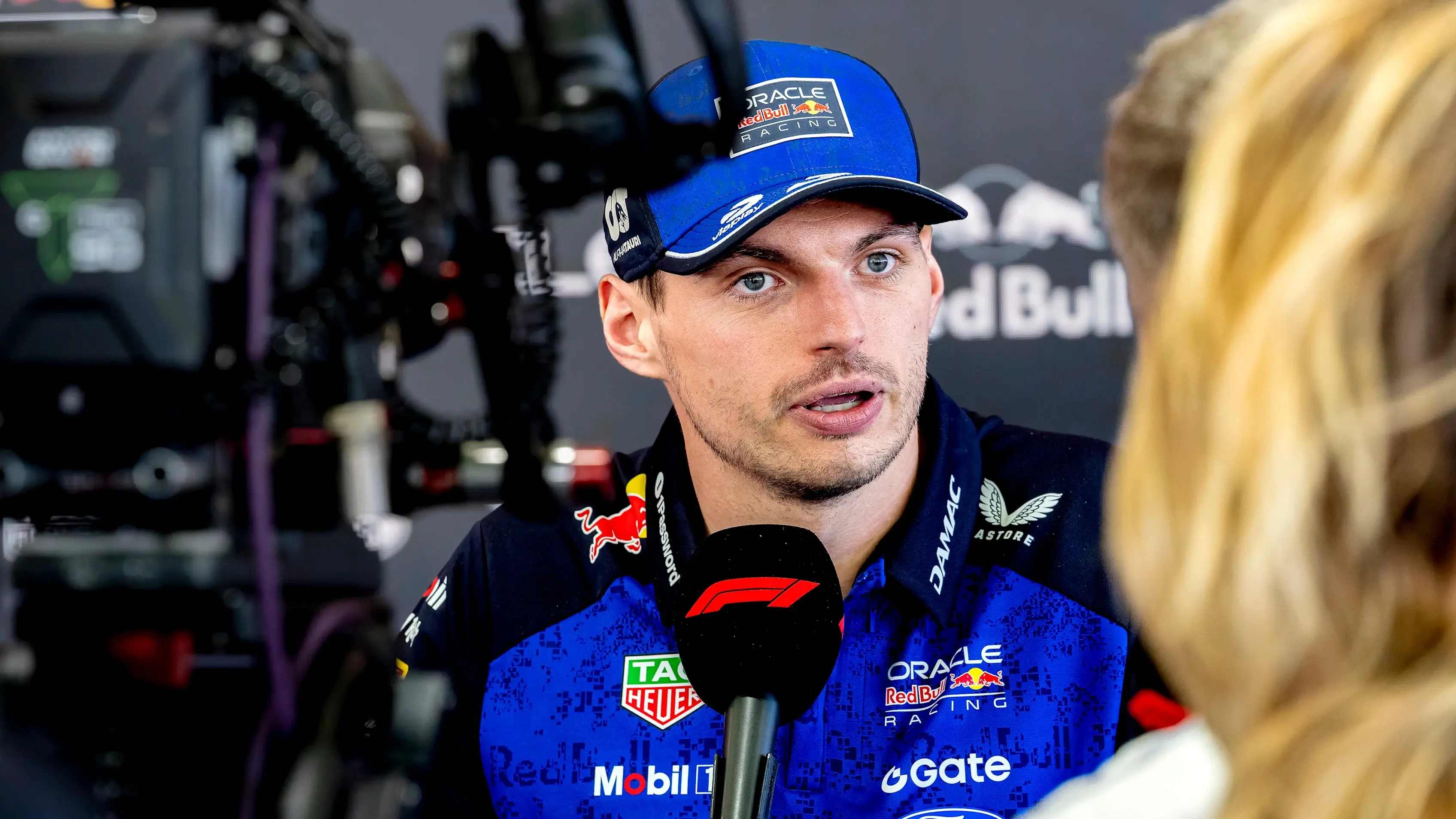
Max Verstappen, the Red Bull driver and multiple-time world champion, has been among the most vocal detractors since simulator sessions and testing. He described the cars as “Formula E on steroids,” criticizing the mandatory lift-and-coast strategies required to manage battery levels, which prevent drivers from pushing flat out through corners or straights. Verstappen has repeatedly expressed that the driving experience feels “not a lot of fun,” with excessive energy conservation diluting wheel-to-wheel battles. After recent qualifying and race sessions, he doubled down, calling for regulatory action from the FIA and stating he feels “completely empty” about the current product.
His concerns extend to potential long-term implications, as he has hinted in the past that unenjoyable rules could influence his future in the sport.
Lando Norris, the McLaren driver and reigning world champion, initially offered a more measured or even playful response to Verstappen’s early complaints during Bahrain testing—jokingly suggesting that if Verstappen disliked the cars so much, “he can retire.” At the time, Norris claimed to enjoy the new challenges, framing them as an interesting evolution in a well-paid profession where drivers must adapt. However, his stance has shifted noticeably as on-track evidence mounted.
Following disappointing sessions in Australia, Norris aligned closely with Verstappen’s view, declaring that F1 has transitioned from “the best cars ever made in Formula 1, and the nicest to drive” to “probably the worst.” He described the racing as “very artificial” and “chaos,” warning that unpredictable energy deployment in packs—especially on lap one or during overtakes—creates dangerous speed differentials and control issues. Norris suggested a major incident might be inevitable unless addressed, emphasizing that the 50/50 power split “just doesn’t work” in delivering consistent, enjoyable competition.
These criticisms are not isolated. Other drivers, including Lewis Hamilton, Carlos Sainz, and Esteban Ocon, have echoed worries about complexity, reduced downforce (leading to slower cornering in some scenarios), safety risks from erratic power delivery, and a perceived loss of the “pure” racing that defined prior eras. Hamilton has noted the rules’ convolution makes them hard to explain to fans, while Sainz highlighted “really dangerous” elements in close racing. Even FIA officials and F1 CEO Stefano Domenicali have responded, with Domenicali calling some early judgments “premature” and urging patience, insisting top drivers will still shine and action will remain plentiful.
The governing body has stated no immediate major changes are planned, though collective learnings from testing and races continue.
Ganassi’s commentary arrives at a particularly pointed moment, as IndyCar prides itself on straightforward, high-revving racing with less emphasis on hybrid complexity and energy saving. The team’s jab resonates because it contrasts F1’s intricate systems with IndyCar’s more direct approach, where drivers can attack without constant battery anxiety. This inter-series shade highlights broader debates in motorsport about balancing innovation, sustainability, and entertainment. F1’s electrification push aligns with global automotive trends, but critics argue it risks alienating fans and drivers who prize raw speed and instinct over calculated management.
As the 2026 season unfolds, pressure mounts on the FIA and teams to refine the package—perhaps tweaking energy deployment windows, adjusting aero elements, or addressing safety in mixed-mode running. Verstappen and Norris’s support for Ganassi’s sentiment underscores a rare unity among F1’s elite against the status quo. Whether this leads to revisions or simply forces adaptation remains uncertain, but the tense atmosphere signals that the new era’s promise of better racing has yet to fully materialize.
For now, the chorus of discontent—from an IndyCar powerhouse to F1’s champions—serves as a stark reminder that regulatory ambition must align with on-track thrill to sustain the sport’s appeal.