Throughout the long and remarkable career of Lionel Messi, discussions about influence, respect, and inspiration have always been part of the wider conversation surrounding his journey in football. Over the years, the Argentine forward has been asked many times about the players who shaped his understanding of the game or those he admires most. Yet Messi has often been reserved when discussing such topics, typically choosing to highlight the importance of teamwork rather than focusing on individual figures.
Recently, however, at the age of 38, Messi shared a more personal reflection by mentioning five individuals whom he deeply respects within the sport. The selection attracted attention not because it followed familiar narratives about football legends, but because it reflected the values and experiences that have guided his own career.
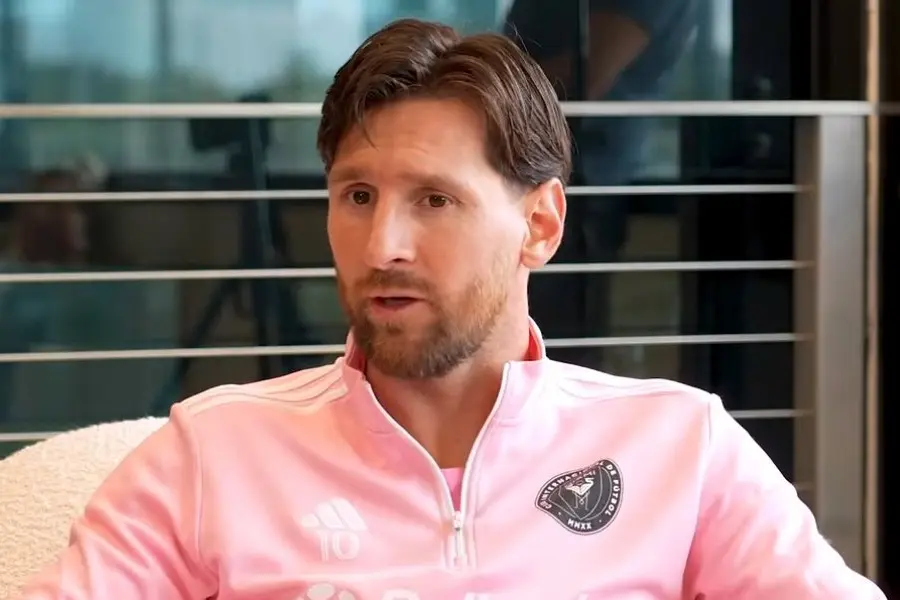
Messi’s path in football began in his home city of Rosario before he moved to Spain to join the youth system of FC Barcelona. From the earliest days of his development, the Argentine forward demonstrated extraordinary technical ability and a deep understanding of the game. As he progressed through Barcelona’s academy, he was surrounded by coaches and teammates who helped shape his style. Rather than viewing success as an individual pursuit, Messi often credits the collective environment in which he learned to play.
One of the names Messi mentioned when discussing the players he respects most is Ronaldinho. When Messi made his early appearances in Barcelona’s first team, Ronaldinho was already one of the most influential players in world football. The Brazilian’s creativity, confidence, and joy on the pitch had a profound impact on the club and on young players coming through the system. Messi has frequently spoken about the warmth and encouragement he received from Ronaldinho during those early years.
The Brazilian star, known for his expressive playing style and charismatic personality, helped create an atmosphere in which younger teammates felt comfortable developing their abilities.
Another player Messi highlighted is Andrés Iniesta. Their partnership at Barcelona became one of the most celebrated collaborations in modern football. Iniesta’s calmness, vision, and intelligence on the field complemented Messi’s attacking instincts perfectly. Beyond their tactical connection, Messi has often emphasized Iniesta’s humility and professionalism. For many supporters, Iniesta represents a model of quiet leadership, someone whose influence was often felt more through actions than words.
Messi also expressed deep respect for Xavi Hernández, another key figure in Barcelona’s golden era. Xavi’s ability to control the rhythm of matches and orchestrate play from midfield was fundamental to the team’s success. During the period when Barcelona dominated European football, the understanding between Messi, Xavi, and Iniesta created a distinctive style that emphasized possession, quick passing, and intelligent movement. For Messi, playing alongside Xavi provided a unique learning experience, reinforcing the importance of teamwork and collective strategy.
The fourth name Messi mentioned was Carles Puyol, the former Barcelona captain who became widely respected for his leadership and dedication. Puyol’s role in the team extended beyond defensive responsibilities. As captain, he helped maintain unity within the squad and set standards for professionalism and commitment. Messi has often spoken about Puyol’s influence in the dressing room, noting how the defender’s determination and work ethic inspired teammates to push themselves further.
Finally, Messi acknowledged the role of Pep Guardiola, the coach who led Barcelona during one of the most successful periods in the club’s history. Although Guardiola is primarily known as a manager rather than a player, Messi’s respect for him reflects the profound tactical and philosophical impact he had on the team. Under Guardiola’s guidance, Barcelona refined a style of football that emphasized positional play, rapid passing sequences, and intelligent pressing. For Messi, Guardiola’s ideas created an environment in which players could express themselves creatively while maintaining strong tactical discipline.
What makes Messi’s reflections particularly interesting is that his selections are not based solely on fame or public recognition. Instead, they reflect personal experiences and the qualities he values most in football: creativity, humility, teamwork, leadership, and strategic understanding. Each of the individuals he mentioned contributed to his development in different ways, shaping the environment in which he grew into one of the greatest players in the history of the sport.
Messi’s career itself spans several eras of football. After establishing himself as a central figure at Barcelona, he later joined Paris Saint-Germain F.C. before eventually continuing his journey with Inter Miami CF in the United States. Across these different chapters, his style has evolved while maintaining the technical brilliance that defined his early years. The admiration he expressed for fellow professionals highlights the collaborative nature of football, a sport where individual talent flourishes most effectively within a supportive team structure.
Observers and analysts have long attempted to understand the factors that contributed to Messi’s extraordinary consistency. Physical ability, tactical intelligence, and mental resilience all play roles, but Messi himself frequently emphasizes the importance of those around him. Teammates who understand each other’s movements, coaches who encourage creativity, and leaders who maintain unity within the squad all contribute to a successful environment.
For younger players watching Messi’s career, these reflections offer valuable insight. The figures he respects most are not chosen purely for their achievements but for the example they set through their behavior and commitment. Ronaldinho demonstrated the joy and imagination that make football captivating. Iniesta and Xavi showed how intelligence and cooperation can elevate a team’s performance. Puyol represented discipline and leadership, while Guardiola illustrated the importance of tactical clarity and strategic thinking.
Another aspect of Messi’s comments that resonates with supporters is the sense of gratitude they convey. Despite the numerous awards and records associated with his career, Messi often speaks with humility about the people who helped him along the way. By acknowledging those influences, he reinforces the idea that success in football is rarely achieved alone.
As Messi continues his career in the later stages of his playing life, moments of reflection naturally become more common. Veteran players often look back on their journeys with a deeper appreciation for the individuals who shaped their experiences. For supporters, these reflections provide a more personal perspective on a career that has been followed closely for nearly two decades.
The global popularity of football means that discussions about the greatest players and most influential figures will always generate strong opinions. Yet Messi’s perspective reminds observers that respect in football often grows from shared experiences rather than public reputation alone. Players who train together daily, overcome challenges collectively, and celebrate victories side by side develop bonds that may not always be visible to those outside the team.
In many ways, Messi’s comments also highlight the enduring legacy of Barcelona’s philosophy during the period when he, Iniesta, and Xavi played together. That era left a lasting mark on modern football, influencing coaching strategies and youth development programs around the world. The emphasis on technical ability, spatial awareness, and teamwork continues to shape how the game is taught and played today.

For fans who have followed Messi’s career from its earliest moments, hearing him speak about the people he respects most offers a meaningful reminder of the relationships behind the headlines. Football history often focuses on trophies, statistics, and dramatic matches, but the daily collaboration between players and coaches forms the foundation of every achievement.
As Messi approaches the later chapters of his career, his reflections contribute to a broader understanding of what it means to succeed in professional sport. Respect, gratitude, and teamwork remain central themes in his story. The five individuals he chose to highlight represent qualities that have guided him throughout his journey, and their influence continues to resonate within the game.
Ultimately, Messi’s perspective reinforces a simple yet powerful idea: even the most celebrated players are shaped by the people around them. Behind every memorable goal, decisive pass, or historic victory lies a network of relationships built through trust, dedication, and shared passion for the sport. Through these reflections, Messi not only honors those who influenced him but also offers insight into the values that have defined one of the most remarkable careers in football history.