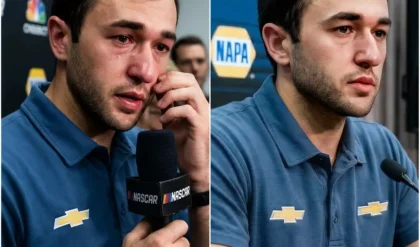
Pato O’Ward has shared his feelings after retracting his humorous criticism of parallel NASCAR-IndyCar racing events following the shocking television viewership comparison results.
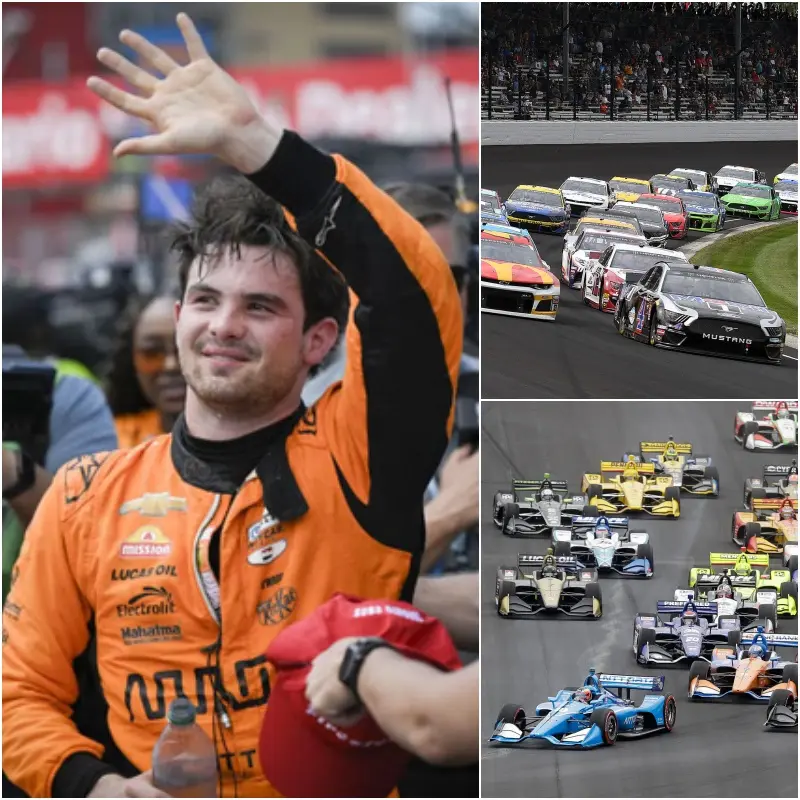
In the high-stakes world of American open-wheel racing, where rivalries extend beyond the track and into scheduling and media exposure, Arrow McLaren driver Pato O’Ward has once again captured attention with his candid personality. The Mexican star, a consistent contender in the NTT IndyCar Series and a fan favorite for his straightforward commentary, recently found himself at the center of a lighthearted yet revealing moment involving cross-series dynamics with NASCAR.
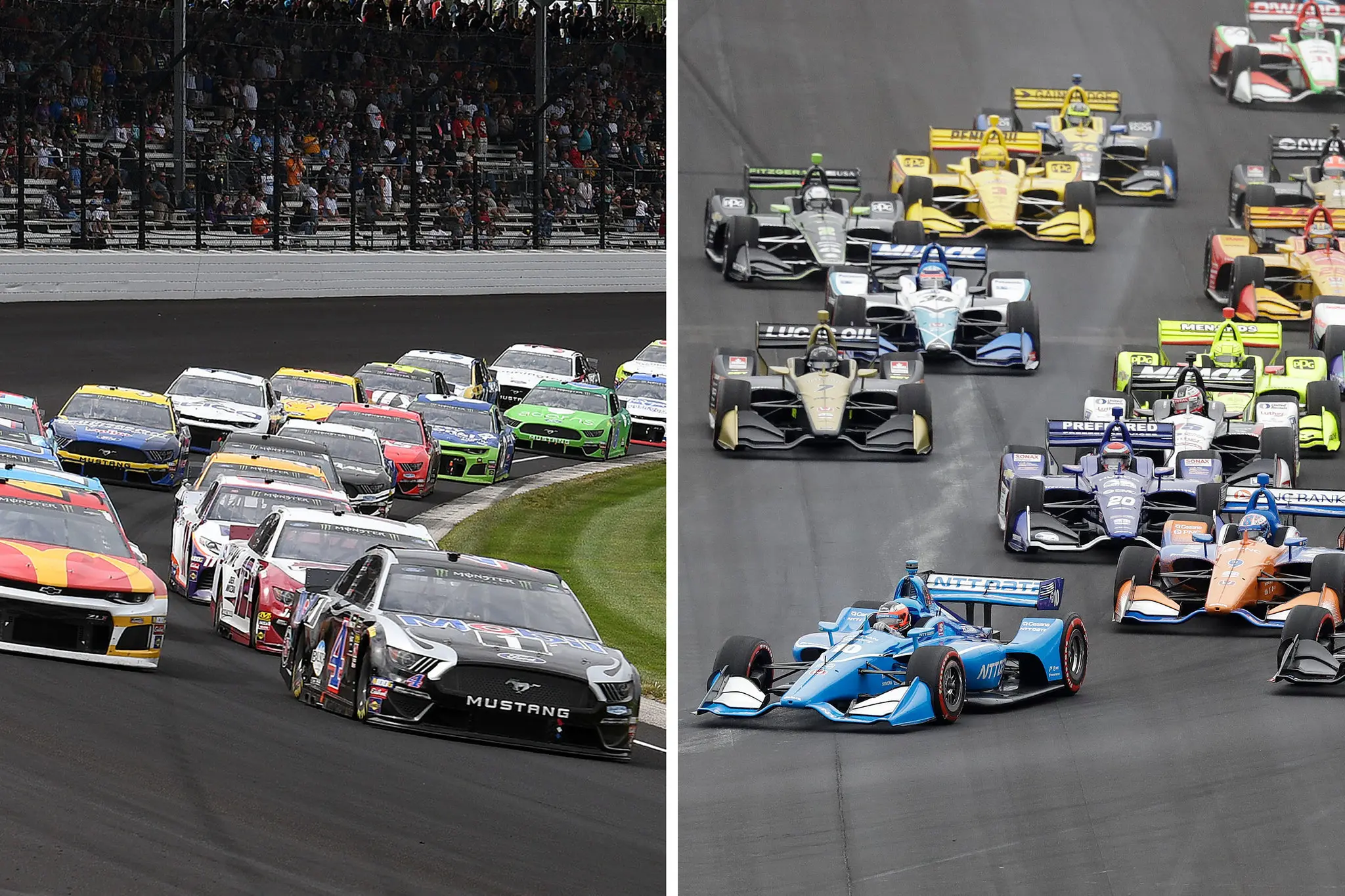
The story began during the buildup to the 2026 IndyCar season opener at the Grand Prix of St. Petersburg. O’Ward, fresh off a strong runner-up finish in the 2025 championship standings, expressed frustration about the growing trend of joint weekends between IndyCar and NASCAR events. Specifically, he voiced his displeasure at IndyCar being positioned as a “support race” or sideshow during these shared schedules. Speaking to reporters ahead of the St. Pete weekend, which featured IndyCar paired with NASCAR’s Truck Series, O’Ward did not hold back.
He described the arrangement as beneficial for fans who get to enjoy multiple forms of racing in one place, but emphasized that it comes at a cost to the open-wheel series’ prestige and identity from the drivers’ perspective.
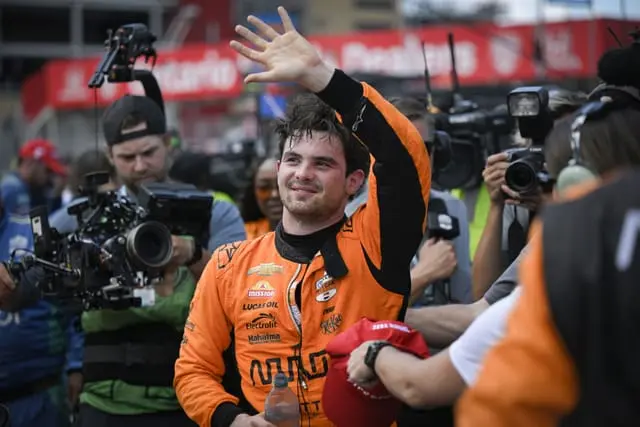
“I’m already tired of IndyCar being like the support race,” O’Ward said. “I know that every time we race with them, we are always the side show. It’s great for the fans, but not for us.” His comments highlighted a broader sentiment among some in the IndyCar paddock: while collaboration can boost visibility and attendance through crossover appeal, it risks diminishing the perception of IndyCar as a premier standalone discipline.
O’Ward, known for his competitive fire and occasional blunt assessments of the sport, framed the issue not as outright opposition to NASCAR but as a desire for clearer separation to preserve IndyCar’s unique status.
These remarks sparked discussion across motorsports circles, with some praising O’Ward’s honesty in calling out what he sees as an imbalance, while others viewed joint events as positive steps toward growing the overall fanbase. The St. Petersburg weekend itself proceeded smoothly, with defending champion Alex Palou securing a dominant victory, but the underlying tension lingered in the background.
Then came the television ratings release from FOX, the broadcast partner for both series in key capacities. On March 4, 2026, detailed viewership figures for the recent races surfaced, providing a surprising counterpoint to O’Ward’s earlier stance. For the St. Pete event, IndyCar’s season opener drew an average of 1.4 million viewers, holding steady from the previous year’s 1.42 million despite the shift in broadcast dynamics under FOX’s increased involvement.
In contrast, the accompanying NASCAR Truck Series race at the same venue achieved 1 million viewers — a notable high for the Truck Series on the FOX network (excluding FS1) since 2018.
Broader weekend comparisons added context. NASCAR’s Cup Series race at Circuit of the Americas (COTA) pulled in 3.9 million viewers, a solid number though slightly down from the prior year’s event at the same track. The O’Reilly Series (formerly Xfinity) at another venue averaged around 1.07 million. The numbers painted a picture where NASCAR’s top tier commands significantly larger audiences, but IndyCar’s performance in its flagship street course opener remained competitive, especially against NASCAR’s support categories.
O’Ward, ever quick on social media, responded to the ratings revelation with characteristic humor and self-deprecation. Posting on X, he wrote: “I stand corrected, I’m so happy to be here with NASCAR this weekend🤝😆.” The sarcastic tone was clear — a playful retraction of his prior criticism, acknowledging the data in a way that diffused potential tension while poking fun at himself. The post quickly circulated among fans and media, turning what could have been a divisive issue into a moment of levity.
In sharing his feelings post-retraction, O’Ward has underscored the nuanced reality of modern motorsports. Joint events like those at St. Petersburg and potentially others bring logistical and promotional advantages, exposing each series to the other’s audience. For IndyCar, which has benefited from FOX’s aggressive marketing — including preseason ads featuring O’Ward alongside stars like Josef Newgarden and Will Power — these partnerships contribute to stability in viewership. The 1.4 million average for St. Pete, while not explosive, matches prior benchmarks and reflects consistent interest in the series’ blend of high-speed oval racing and technical road/street courses.
Yet O’Ward’s initial frustration speaks to deeper concerns about identity and respect. IndyCar boasts iconic events like the Indianapolis 500, which routinely draws massive crowds and viewership far exceeding regular-season races in any series. Positioning it alongside NASCAR’s Truck or secondary categories can feel like a step backward for drivers who view their discipline as technologically advanced and athletically demanding in its own right. O’Ward’s humorous pivot shows maturity: he can advocate passionately while adapting to new information with grace and wit.
This episode also highlights the evolving landscape under FOX’s stewardship. The broadcaster’s stake in IndyCar has led to heightened promotion, with appearances on FS1 programs and playoff-season spots aimed at broadening appeal. Viewership holding steady for the opener suggests these efforts are paying dividends, even as NASCAR’s larger platform dominates headlines.
For O’Ward personally, the moment reinforces his role as one of IndyCar’s most vocal and relatable figures. Whether battling for wins on track — where he has repeatedly come close at Indianapolis — or engaging fans off it, he brings authenticity that resonates. His lighthearted retraction does not erase his core point about wanting equal footing, but it demonstrates a willingness to engage constructively with the sport’s realities.
As the 2026 season unfolds, with more potential crossovers and ongoing efforts to grow audiences, O’Ward’s experience serves as a reminder that in motorsports, numbers tell part of the story, but passion and perspective drive the narrative. Fans appreciate the honesty, and in retracting with humor, O’Ward has kept the conversation positive while reminding everyone that IndyCar deserves its spotlight.