I’m fed up with IndyCar always being treated as a ‘secondary race,’ Will Buxton disagreed with Pato O’Ward’s criticism that IndyCar and NASCAR co-hosting a double race made fans feel like IndyCar was being treated like a clown.
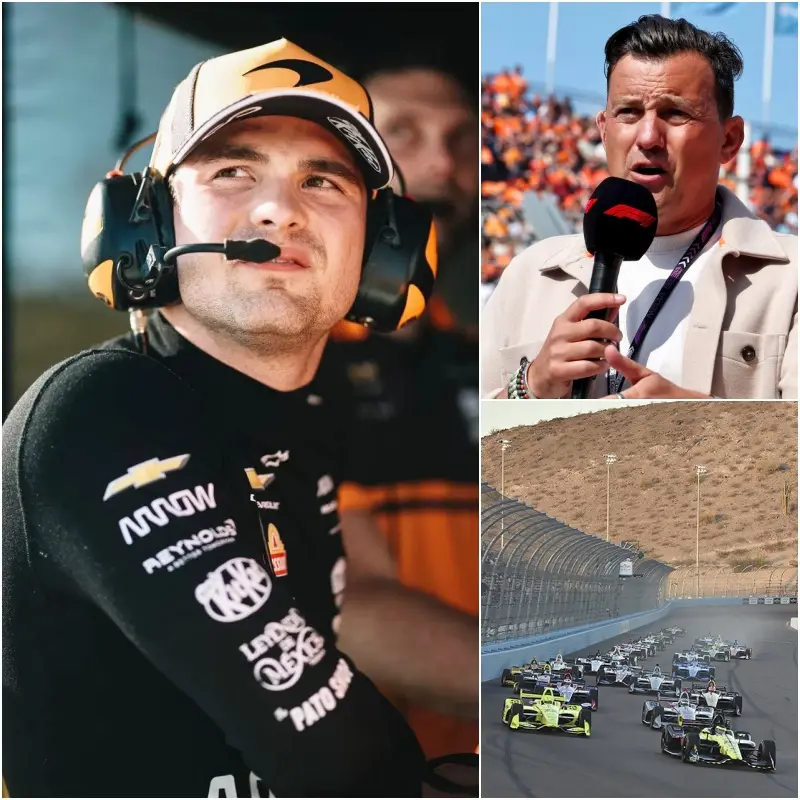
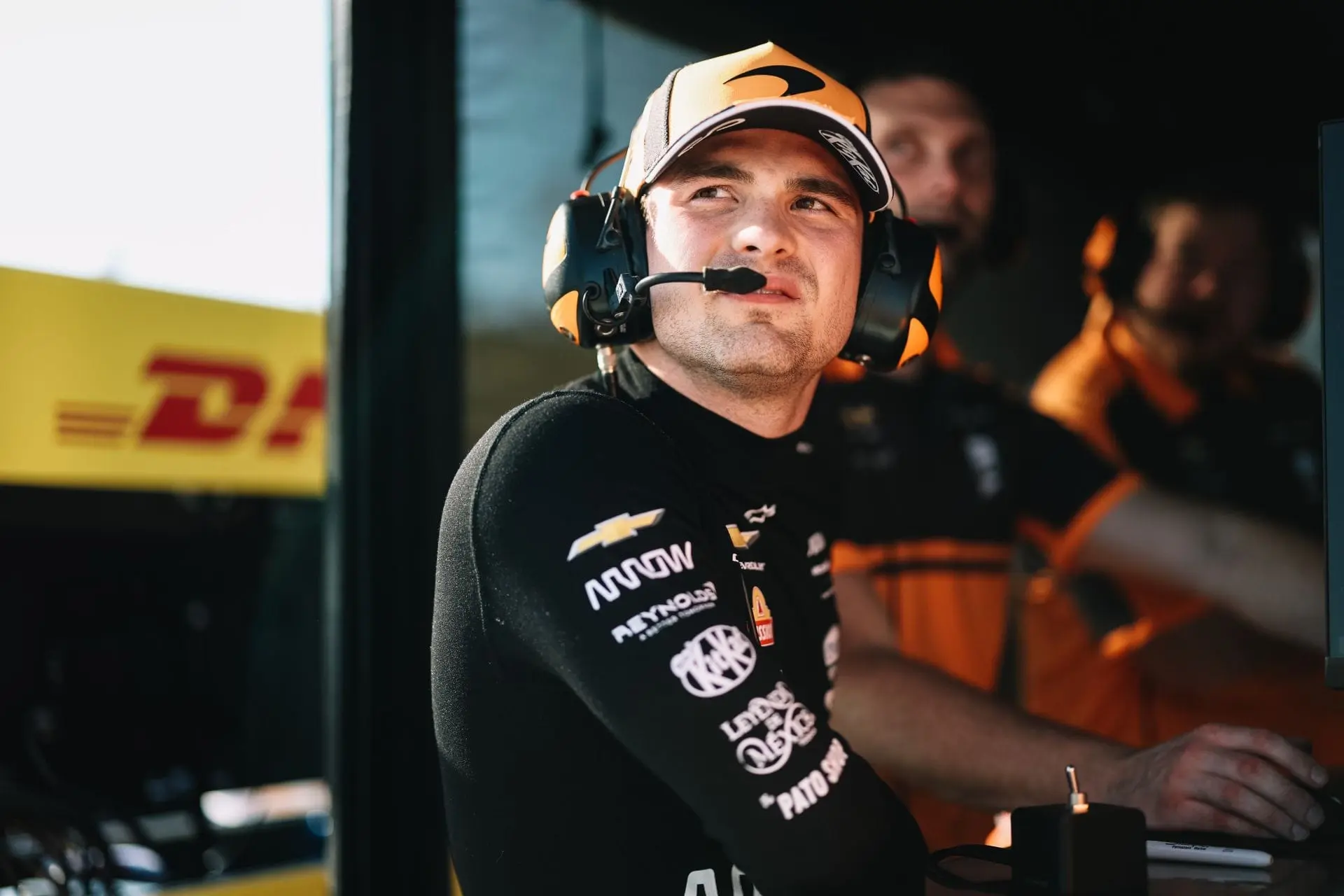
In the high-stakes world of American open-wheel racing, where passion runs as hot as the engines, a fresh debate has erupted over the growing trend of doubleheader weekends shared between the NTT IndyCar Series and NASCAR. Arrow McLaren driver Pato O’Ward, the 2025 season runner-up known for his candid assessments, recently voiced strong frustration during the Firestone Grand Prix of St. Petersburg weekend. He expressed exasperation at IndyCar’s recurring role as what he described as a “support race” when paired with NASCAR events.
O’Ward’s comments came amid preparations for a unique weekend format, where IndyCar’s season opener ran on Sunday morning, followed by a NASCAR Craftsman Truck Series race the previous day. He made it clear: “I’m already tired of IndyCar being like the support race. I know that every time we race with them, we are always the side show. It’s great for the fans, but not for us.” His words resonated with some in the paddock who feel that such arrangements diminish IndyCar’s stature, positioning it as an appetizer rather than the main course.
The sentiment ties into a broader narrative of perceived disrespect toward open-wheel racing in the United States, where NASCAR has long dominated the motorsport spotlight in terms of television ratings, sponsorship dollars, and cultural penetration.
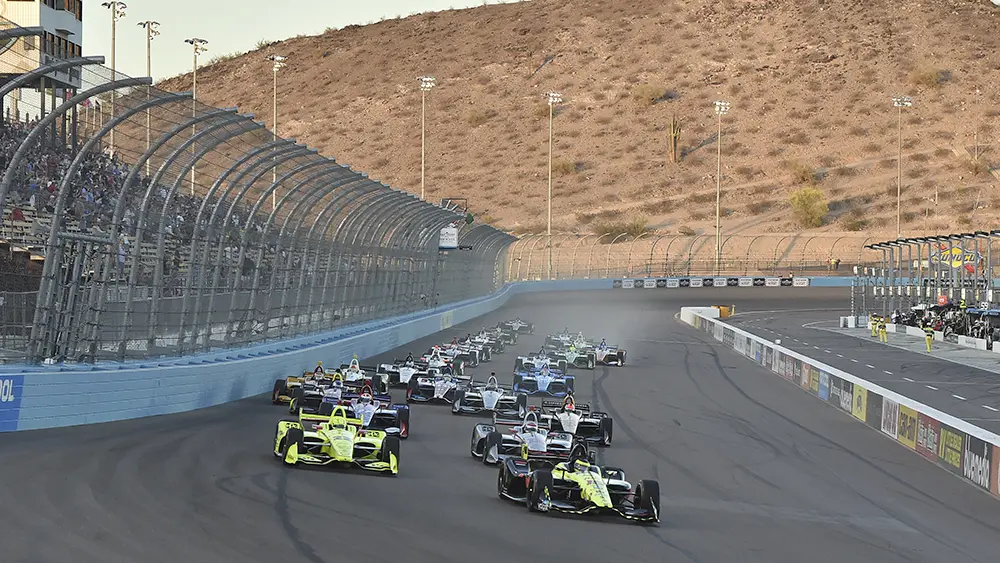
The issue intensified with the announcement of another shared weekend at Phoenix Raceway, featuring IndyCar’s Good Ranchers 250 on Saturday and NASCAR’s Straight Talk Wireless 500 on Sunday. For critics like O’Ward, these events risk reinforcing a hierarchy where IndyCar appears subordinate, especially when paired not always with NASCAR’s premier Cup Series but with support categories like the Trucks. At Phoenix, IndyCar effectively plays third fiddle in the lineup, a dynamic that O’Ward and others argue undermines the series’ identity as a premier championship featuring some of the world’s most skilled drivers navigating diverse tracks with high-speed, close-quarters competition.
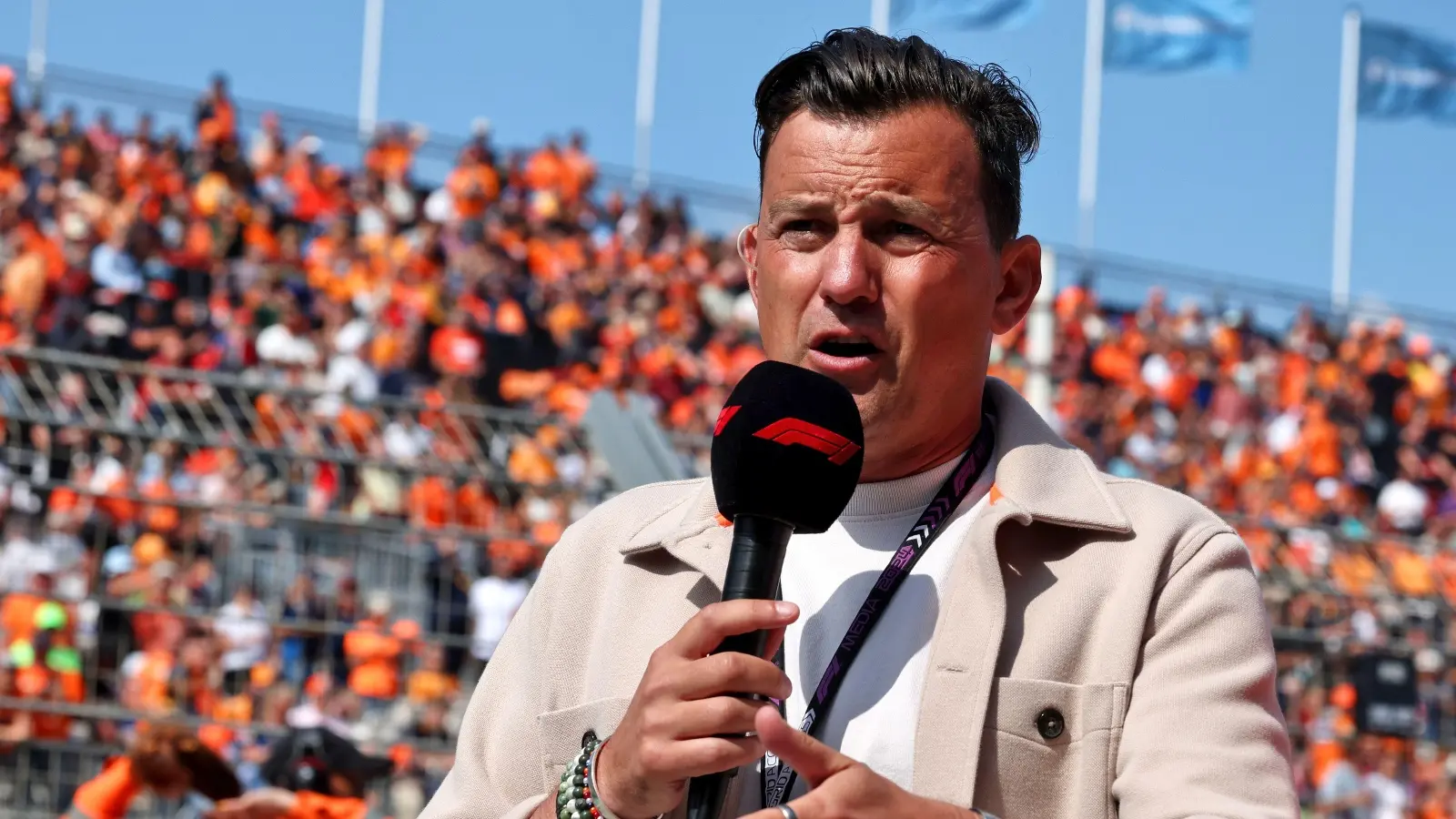
Enter Will Buxton, the former Formula 1 commentator who transitioned to lead Fox Sports’ IndyCar coverage. Buxton, now a prominent voice in the broadcast booth, pushed back against O’Ward’s perspective during a recent episode of the “SPEED with Harvick and Buxton” podcast. While acknowledging O’Ward’s honesty and passion, Buxton emphasized a broader view of the benefits these collaborations bring to the sport.
Buxton argued that doubleheaders represent a forward-thinking opportunity rather than a downgrade. “Look, I love Pato. I love that he’s honest, and he speaks from the heart. And while I know exactly where he’s coming from, I think there’s a bigger picture to look at here,” he said. He highlighted how such events expose fans from one series to the other, fostering cross-pollination of audiences and building mutual respect. For Buxton, these weekends allow NASCAR enthusiasts to discover the precision, bravery, and overtaking spectacle of IndyCar, while IndyCar fans gain appreciation for the raw power and strategy of stock-car racing.
The commentator stressed that the arrangement is not about one series overshadowing the other but about expanding the overall motorsport ecosystem. “It’s for race fans in both camps to gain a new understanding and a new respect for championships which they might never have watched, or always believed that they shouldn’t,” Buxton explained. He pointed to the excitement generated by the novelty—fans getting two distinct flavors of racing in one venue over a weekend—as a net positive for growth.
In an era where motorsport competes fiercely for attention against other sports and entertainment, collaborative events could help both series reach untapped viewers.
This disagreement underscores deeper tensions within IndyCar’s push for relevance. The series has made strides in recent years, with improved television production, hybrid power units adding a layer of technological intrigue, and drivers like O’Ward, Alex Palou, and Scott Dixon delivering compelling narratives. Yet, the perception persists that IndyCar struggles against NASCAR’s entrenched dominance. Buxton’s optimism aligns with efforts by Penske Entertainment, IndyCar’s owner-promoter, to innovate scheduling and marketing. Doubleheaders, in this view, are strategic moves to boost attendance, media exposure, and revenue without diluting the product.
O’Ward’s frustration, however, is not isolated. It echoes longstanding concerns among open-wheel advocates who recall past attempts at convergence—like the brief NASCAR-IndyCar experiments or the fallout from shared venues—that sometimes left IndyCar feeling marginalized. Drivers and teams invest immense resources into competing at the highest level, and any format that appears to relegate them to a supporting role can feel like a slight against their achievements. O’Ward, in particular, has been vocal about various aspects of the series, from hybrid challenges to racing quality, reflecting a drive to elevate IndyCar’s standing.
Buxton, drawing from his extensive experience across global motorsport, sees potential in bridging divides. His arrival in IndyCar has brought fresh energy to broadcasts, with praise for his storytelling and enthusiasm. By disagreeing publicly with O’Ward, he signals a commitment to championing the series on its own merits while embracing opportunities for collaboration. He envisions a future where IndyCar stands tall, potentially even surpassing NASCAR in popularity domestically, as he has suggested in prior comments.
Ultimately, this exchange highlights a pivotal moment for IndyCar. As the series navigates its 2026 campaign, balancing independence with smart partnerships will be key. Fans benefit from greater access and variety, but preserving the unique appeal of open-wheel racing—its speed, danger, and technical purity—remains essential. Whether doubleheaders prove a stepping stone to greater prominence or a source of ongoing friction depends on execution and perception.
For now, the debate rages on, fueled by honest opinions from figures like O’Ward and Buxton. It serves as a reminder that beneath the thrill of racing lies a constant battle for respect, visibility, and legacy in one of America’s most passionate sports cultures. As Phoenix approaches, all eyes will watch not just the on-track action but how these shared weekends shape the narrative for seasons to come.