THE FRAUD SCANDAL: “Two seconds of silence felt like 10 minutes”
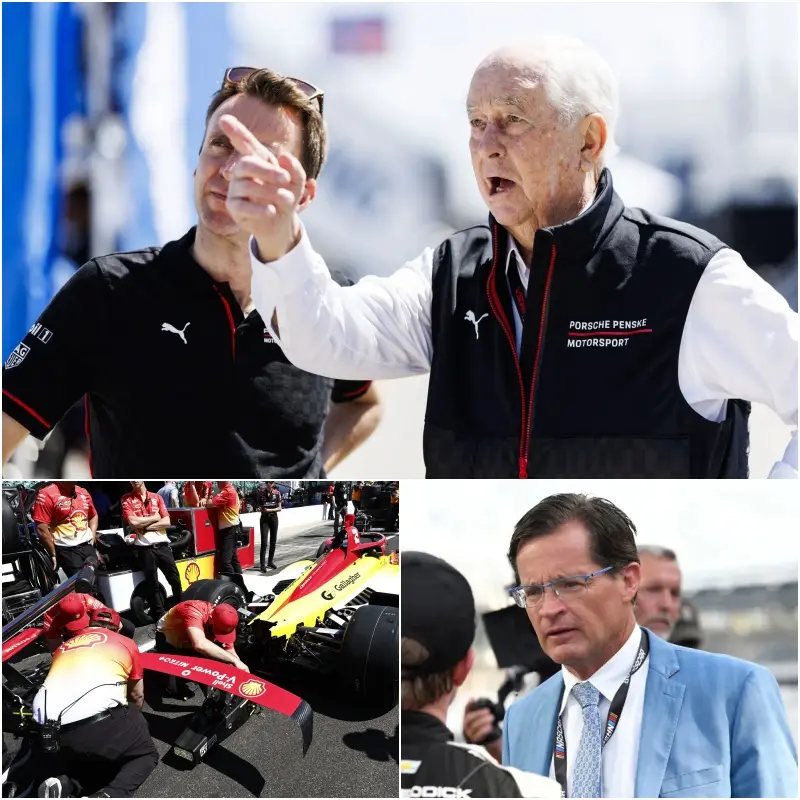
The Indianapolis 500, often hailed as the greatest spectacle in racing, was overshadowed in 2025 by a high-profile cheating scandal involving Team Penske, the dominant force in IndyCar and owner of both the series and the iconic Indianapolis Motor Speedway. What began as a routine technical inspection during qualifying for the 109th running of the event quickly escalated into one of the most damaging controversies in recent memory, culminating in severe penalties and a tense confrontation between IndyCar president Doug Boles and Roger Penske himself.
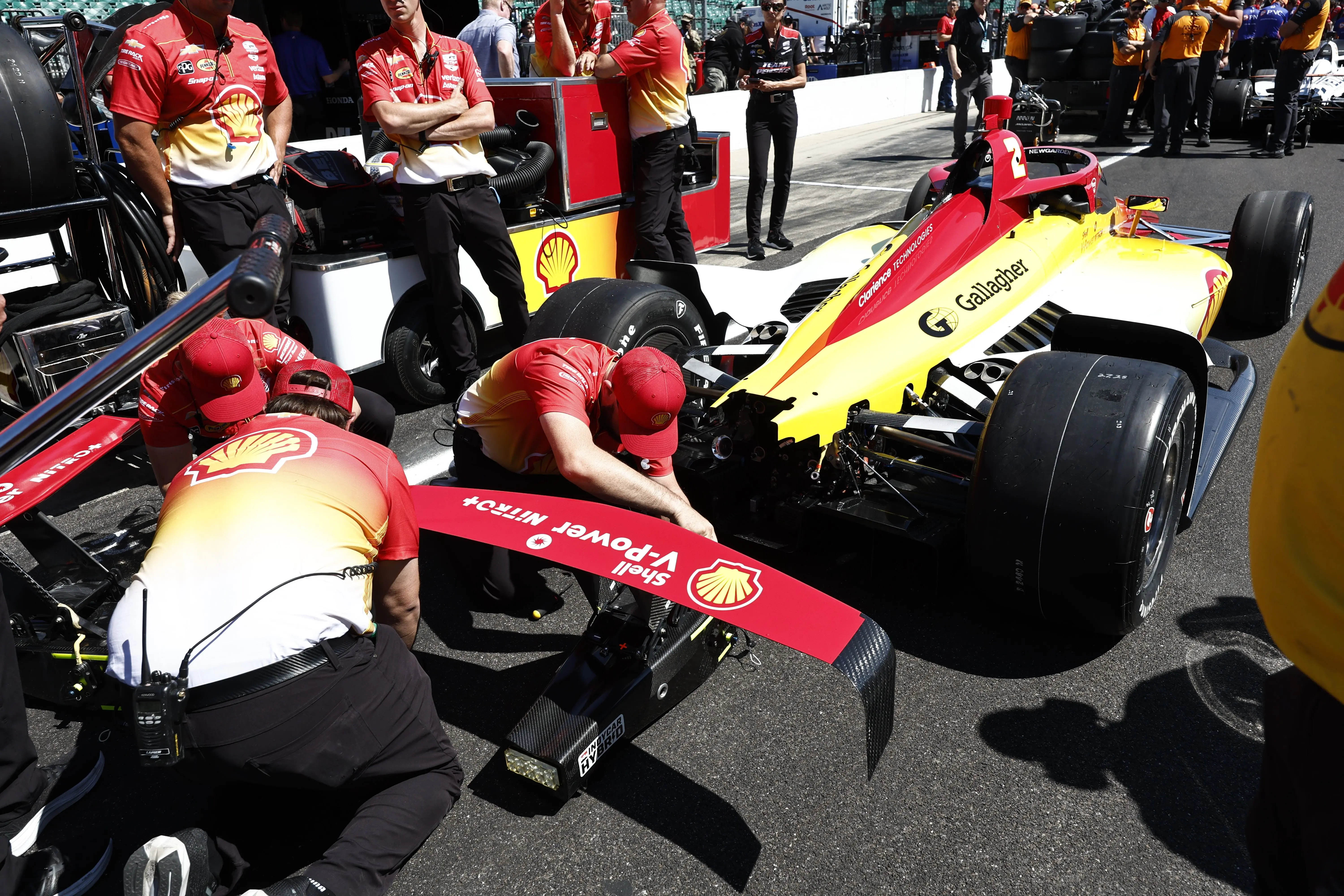
The issue centered on modified rear attenuators—safety components designed to absorb impact energy in crashes—on two of Team Penske’s entries: the No. 2 car driven by two-time defending Indy 500 winner Josef Newgarden and the No. 12 car piloted by Will Power. During inspections ahead of the crucial Top 12 qualifying session on the second day of time trials, officials discovered that the attenuators had been illegally altered. Team personnel had filled seams and gaps in the parts with material and then clear-coated them to create smoother surfaces, ostensibly to improve aerodynamic flow at speeds exceeding 230 mph.
While Boles later stated that the modification provided “0.0 miles per hour” of speed advantage, the violation of IndyCar rules was unambiguous: no modifications to these homologated parts were permitted.
This incident marked the second major rules breach for Team Penske in just over a year. In April 2024, the team was caught exploiting the push-to-pass system, allowing drivers unauthorized access to an extra 50 horsepower of turbo boost during restarts and other phases where it should have been restricted. That scandal led to disqualifications, lost positions, and internal suspensions, including a brief sidelining of key executives. The repeat offense amplified scrutiny, especially given Roger Penske’s unique position as both team owner and series proprietor, raising longstanding questions about conflicts of interest and the integrity of enforcement.
As details emerged, the atmosphere at Indianapolis Motor Speedway grew thick with tension. Initial indications from series officials suggested penalties might be deferred until after the race to avoid disrupting the qualifying momentum. However, that approach drew immediate backlash from competitors and fans, who viewed it as insufficiently decisive. By Monday morning, following overnight reviews, IndyCar reversed course under Boles’ leadership. The governing body announced that Newgarden’s and Power’s cars would be moved to the 32nd and 33rd starting positions—the rear of the 33-car field—for the Indianapolis 500.
Each entry was fined $100,000, qualification points were forfeited, and the team strategists for those cars were suspended for the remainder of the event. The penalties exceeded standard guidelines, reflecting IndyCar’s intent to send a strong message about maintaining a level playing field.
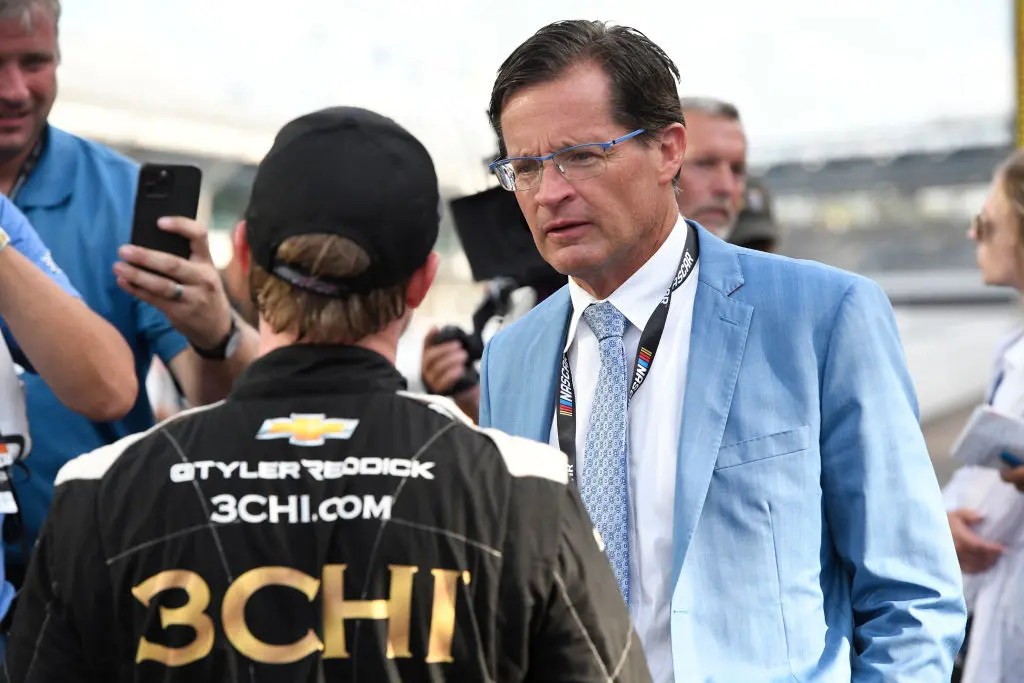
The decision placed Boles in an extraordinarily difficult position. As the newly appointed president of both IndyCar and the Speedway, he was tasked with disciplining the organization owned by his ultimate superior. In subsequent interviews, Boles described the moment he had to inform Roger Penske of the impending sanctions. The conversation, conducted over the phone amid mounting pressure, was marked by profound unease. Boles recounted how “two seconds of silence felt like 10 minutes” after delivering the news, underscoring the gravity and personal strain of the exchange.
Penske, a titan of motorsport with a record 20 Indy 500 victories as a team owner, reportedly listened without immediate rebuttal, the weight of the situation evident in the prolonged pause.
The fallout extended beyond official penalties. Just days later, Roger Penske announced the departure of three top Team Penske executives: longtime president Tim Cindric, managing director Ron Ruzewski, and general manager Kyle Moyer. These individuals, who had been instrumental in the team’s successes—including Newgarden’s back-to-back Indy 500 wins—were let go in the wake of the violations. Penske described the move as necessary to restore trust and allow the organization to move forward, though it sent shockwaves through the paddock.
Drivers like Will Power spoke of Penske personally breaking the news to staff, expressing deep regret over the impact on the team.
Public and industry reactions were swift and polarized. Some praised Boles for demonstrating independence and upholding the sport’s integrity at a critical juncture, especially as the series sought to build positive momentum heading into the flagship event. Others expressed frustration over recurring issues with the most powerful team in the series, with social media and paddock chatter filled with memes and commentary labeling Team Penske as chronic offenders. The scandal threatened to overshadow what had been shaping up as a historic weekend, including a rookie claiming pole position and heightened global interest in open-wheel racing.
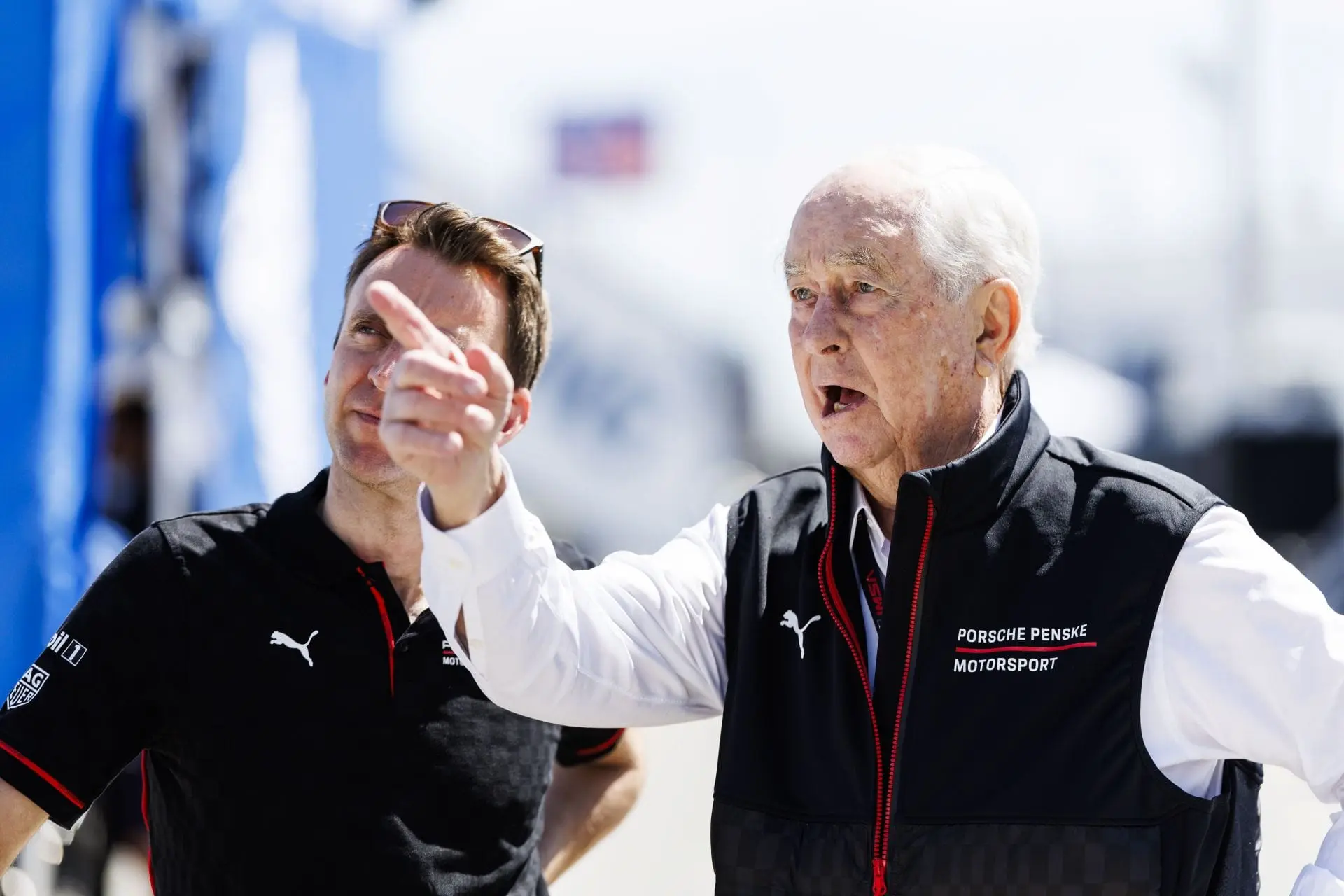
For Roger Penske, the episode represented a personal and professional blow. At 88 years old, the racing legend has built an empire spanning automotive, entertainment, and sport, but this marked a rare public tarnishing of his reputation for precision and fairness. In exclusive comments following the firings, he emphasized accountability and a commitment to progress, apologizing to fans, partners, and the organization while vowing to refocus on racing.
As the Indianapolis 500 approached, the penalties reshaped the grid and strategy for Team Penske. Starting from the back, Newgarden and Power faced an uphill battle to contend for a third consecutive victory—an unprecedented feat in the modern era. The scandal prompted broader discussions about governance, with Boles indicating explorations into third-party oversight and enhanced inspection protocols to prevent future conflicts.
In the end, the “fraud scandal” served as a stark reminder of the razor-thin line between innovation and rule-breaking in elite motorsport. While Team Penske accepted the consequences and sought to rebuild, the episode left an indelible mark on the 2025 Indy 500, proving that even the most storied names in racing are not immune to scrutiny when integrity is on the line. The two seconds of silence on that tense phone call may have felt eternal, but the repercussions will echo long after the checkered flag falls.