A horrific incident unfolded at Parx Racing on March 3, 2026, when a riderless horse triggered a frightening chain-reaction spill during the closing stages of a race, sending multiple jockeys tumbling to the ground and igniting widespread discussion across social media and the broader equestrian world.
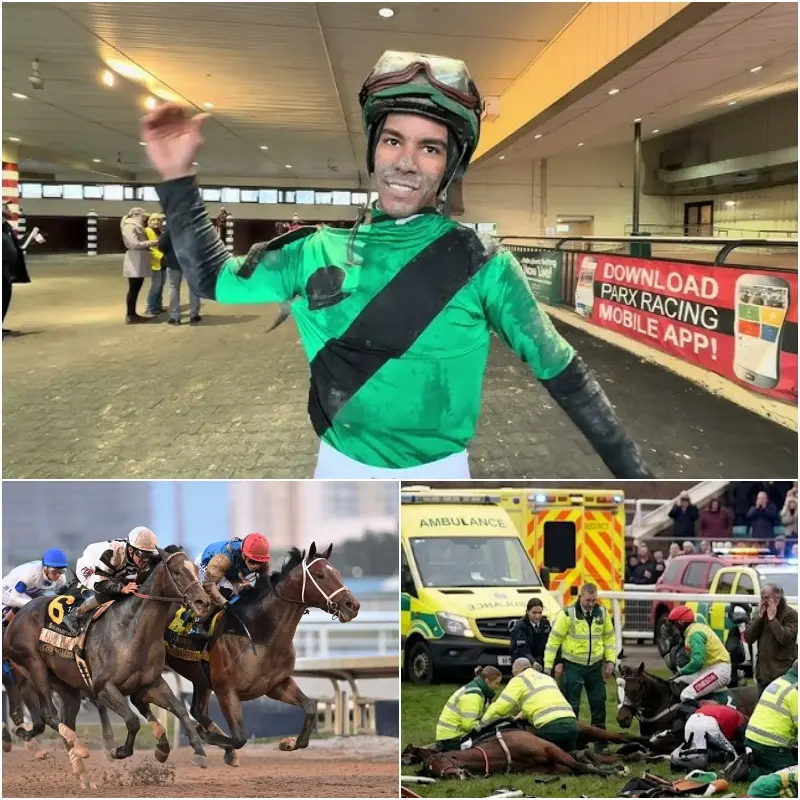
The accident occurred in what appeared to be the final sprint of the event, a high-speed dash toward the wire where positions tighten and risks escalate. According to reports from track officials and eyewitness accounts shared online, one horse became riderless—likely after unseating its jockey earlier in the contest—and continued galloping uncontrolled. As the field bunched up in the stretch, the loose animal veered into the path of others, causing a domino effect. Four horses were directly involved in the ensuing collision, with several jockeys thrown from their mounts in dramatic fashion.
Video footage circulating on platforms like X quickly amplified the event’s visibility. Observers described the scene as chaotic: horses colliding, riders airborne, and dust kicking up amid the scramble. One post from a racing enthusiast captured the raw emotion, noting how the sight left them feeling physically ill despite reassurances that the horses and jockeys walked away. Track announcer Jessica Paquette provided an initial update, confirming that all four affected horses exited the track under their own power, a positive sign in an industry where breakdowns often lead to more tragic outcomes.
Injuries, fortunately, appeared limited. Only one of the four jockeys reported minor issues, with no immediate indications of severe trauma such as fractures or concussions that have plagued other recent spills. All participants were assessed by on-site medical personnel, and the horses were examined by veterinarians to rule out hidden damage. This relatively mild aftermath stood in stark contrast to the visual terror of the crash itself, where bodies flew and momentum carried everything forward in a terrifying blur.
The episode has reignited passionate debates within the horse racing community. On social media, fans, bettors, and industry insiders exchanged views ranging from calls for enhanced safety protocols to defenses of the sport’s inherent dangers. Some highlighted the bravery of outriders and fellow jockeys who often intervene in such moments, drawing parallels to past heroics where quick thinking averted worse disasters. Others questioned whether modern racing surfaces, equipment, or training methods adequately mitigate risks posed by loose horses—a recurring hazard in the sport.
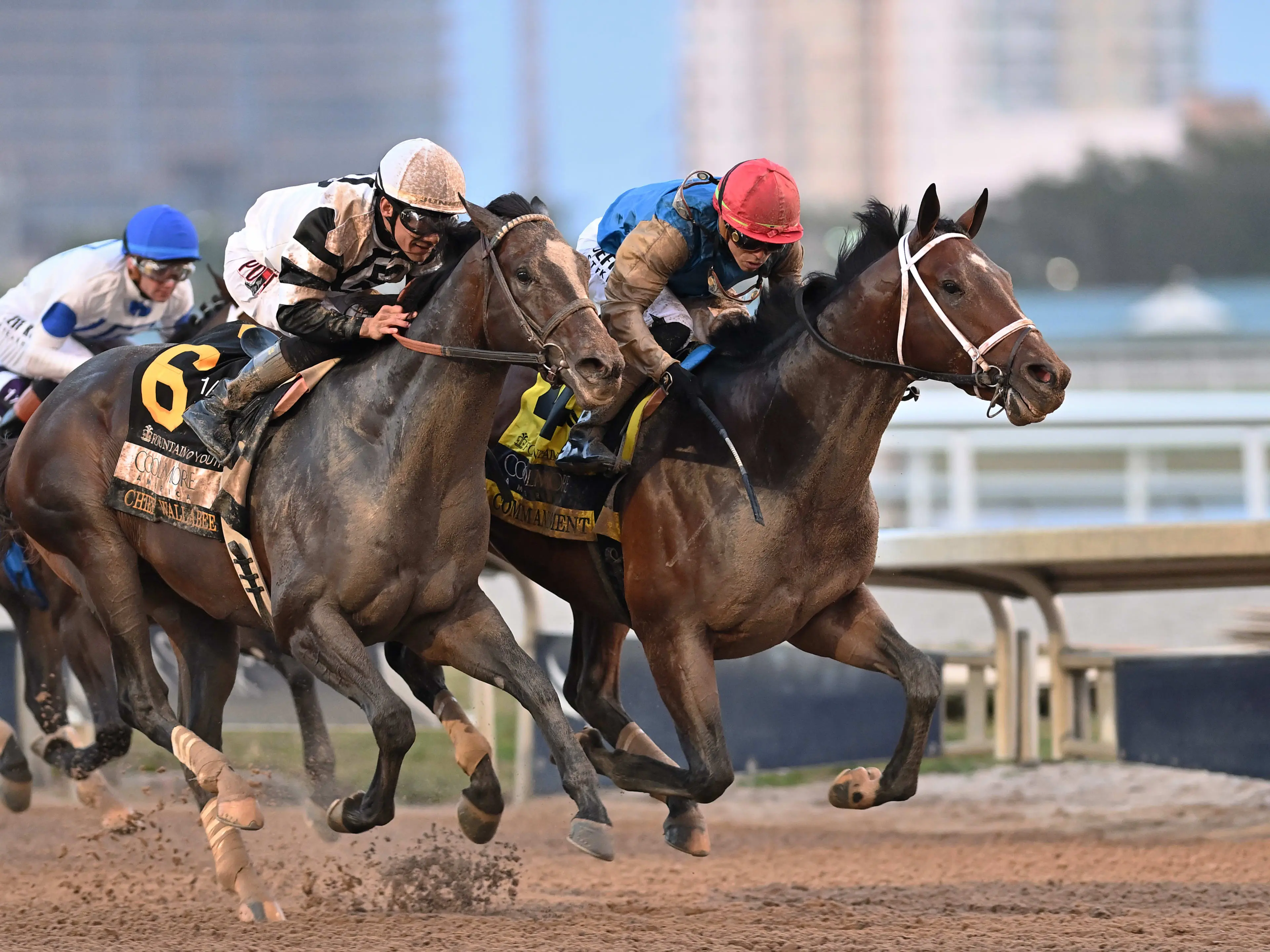
Parx Racing, located in Bensalem, Pennsylvania, has faced scrutiny over safety in recent years. The track has seen multiple incidents, including spills leading to hospitalizations and equine fatalities in separate races. In one notable case from early 2025, a chain of events in a single turn resulted in two horses being euthanized and jockeys requiring hospital care after falls and collisions. Another incident involved a loose horse charging the wrong way, forcing a no-contest declaration as riders pulled up to avoid catastrophe.
While outriders played a key role in containing that threat, the March 3 event underscored how quickly situations can spiral when a riderless horse enters the fray during the most intense part of a race.
Critics argue that the frequency of such accidents points to systemic issues. They point to the physical demands on Thoroughbreds, the high speeds involved, and the potential for equipment failure or missteps in crowded fields. Animal welfare advocates seized on the footage to renew arguments against racing altogether, emphasizing the vulnerability of both horses and human riders. Supporters counter that racing has made strides in safety—improved helmet designs, better medical response times, and stricter veterinary oversight—while celebrating the athleticism and bond between horse and rider that define the sport.
The Paulick Report, a leading outlet for Thoroughbred news, detailed the spill and noted the fortunate outcome: horses and riders largely unscathed beyond minor bumps. Daily Racing Form echoed this, describing riders and horses as “mostly unscathed” in the scary moment. Such reports help temper panic but do little to quell the underlying unease that surfaces whenever visuals of a major spill go viral.
Social media reactions poured in rapidly. Posts praised the resilience of the animals walking off unaided, while others expressed relief mixed with horror at the airborne jockeys. One user shared a clip with commentary on how the incident unfolded in real time, amplifying the shock. Discussions extended beyond immediate safety to broader topics like the ethics of wagering on living beings subjected to such perils.
As investigations continue—track stewards typically review footage, interview participants, and assess contributing factors—the incident serves as a stark reminder of racing’s razor-thin margin between thrill and tragedy. Parx officials have yet to release a formal statement detailing preventive measures, but the event will likely prompt renewed focus on protocols for handling riderless horses, perhaps including faster deployment of outriders or technological aids like better tracking during races.
For now, the racing world breathes a collective sigh of relief that the crash did not claim lives or end careers. Yet the images linger: a riderless horse barreling through, the chain reaction unfolding in seconds, jockeys hurled into the air. It is a scene that encapsulates both the exhilaration and the peril that keep fans engaged—and critics vocal. As debates rage online, the hope remains that lessons from this close call will drive incremental improvements, ensuring fewer such moments mar the sport’s future.