BREAKING NEWS: British three-time Olympic gold medalist in equestrian arts, Charlotte Dujardin, is embroiled in controversy over a video showing her treating horses – two years after she withdrew from the Paris Olympics due to a controversial clip of “excessive whipping.”
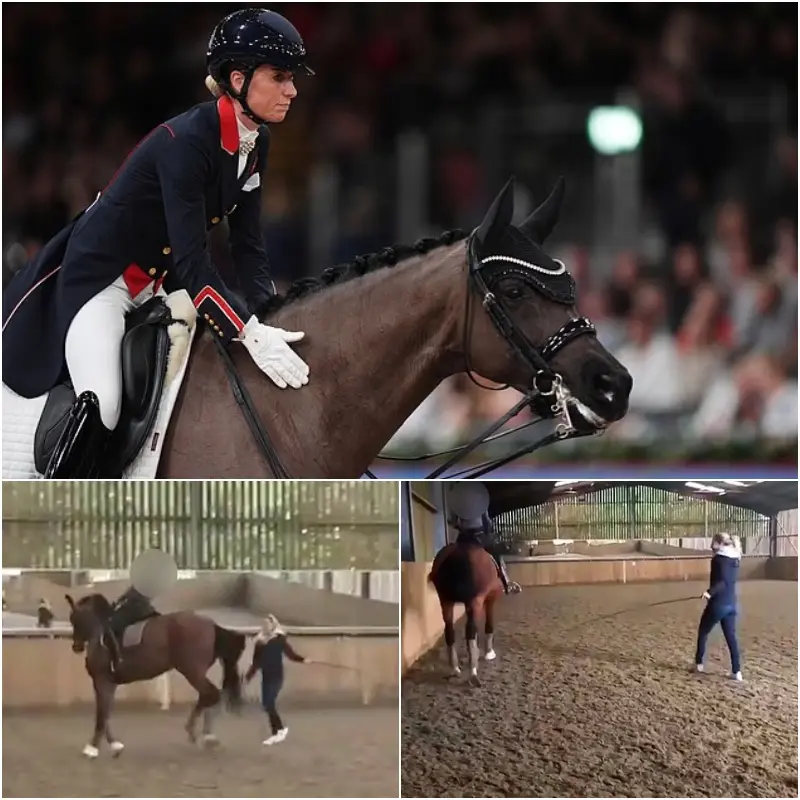
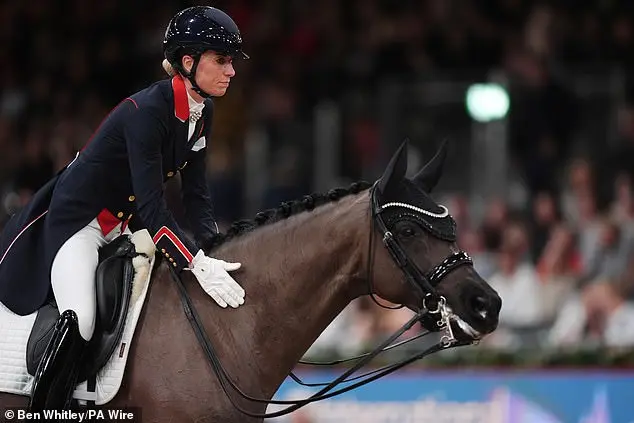
Charlotte Dujardin, one of Britain’s most decorated equestrian athletes, finds herself once again at the center of intense scrutiny following the emergence of a new video that has reignited debates over horse welfare in competitive dressage. The three-time Olympic gold medalist, renowned for her achievements in the sport, is facing fresh allegations regarding her handling of horses, less than a year after completing a suspension related to a prior incident.
The latest controversy stems from an approximately eight-minute video filmed during the warm-up session at a World Cup event in Amsterdam last month. In the footage, Dujardin is seen riding the mare Alive and Kicking, a horse that has drawn particular attention from critics. The clip was shared widely on social media by the animal welfare organization Collectif Pour Les Chevaux (Collective for Horses), quickly garnering over 100,000 views and sparking widespread discussion among equestrian enthusiasts, welfare advocates, and the general public.
Observers and experts have pointed to specific elements of Dujardin’s riding in the video, including her use of spurs while maintaining what some describe as a tight rein on the horse. These techniques have been criticized for potentially causing discomfort or signs of stress in the animal. Equine veterinarian Eva van Avermaet, who has commented on the footage, expressed surprise at Dujardin’s approach, noting that it appeared inconsistent with the heightened awareness of horse welfare standards one might expect following her previous high-profile case.
Reports indicate that the horse displayed behaviors interpreted by some as tension or conflict, though interpretations vary depending on expertise and perspective within the equestrian community.
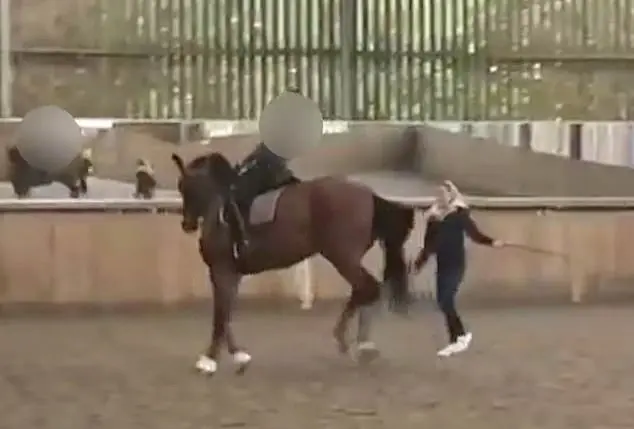
This development comes roughly two years after Dujardin’s withdrawal from the Paris 2024 Olympics, an event that dramatically altered the trajectory of her career at the time. In July 2024, just days before the Games were set to begin, a video surfaced showing Dujardin repeatedly striking a horse with a whip during a coaching session at her private stable several years earlier.
The footage depicted her using the long whip more than 20 times in a short period, targeting the horse’s legs and shoulders in what the International Federation for Equestrian Sports (FEI) later described as conduct contrary to the principles of horse welfare.
Dujardin responded swiftly to the 2024 incident by issuing a public apology, describing her actions as “an error of judgement” that was out of character and not reflective of her usual training methods. She voluntarily withdrew from the Paris Olympics to allow for a proper investigation, a decision that underscored the seriousness with which she appeared to take the allegations. The FEI imposed a provisional suspension shortly thereafter, followed by a formal one-year ban in December 2024, during which she was also stripped of prize money earned in related competitions and fined 10,000 Swiss Francs.
The ban concluded around mid-2025, allowing Dujardin to return to competitive riding. Her comeback was marked by emotional moments, including what she described as a warm reception from supporters at her first major event post-suspension. She expressed gratitude for the opportunity to resume her career while committing to ongoing improvement in her practices. However, the new video has brought renewed questions about whether lessons from the earlier scandal have been fully applied, particularly in high-pressure warm-up environments where riders prepare horses for competition.
The equestrian world remains divided on these issues. Supporters of Dujardin argue that dressage and high-level training often involve firm aids to achieve precision and performance, and that isolated clips can be misinterpreted without full context. They point to her long record of success and advocacy for the sport as evidence of her respect for horses. Critics, including animal welfare groups, contend that such incidents highlight broader systemic concerns in elite equestrian sports, where the line between effective training and excessive pressure can blur.
Organizations like Collectif Pour Les Chevaux have used the latest footage to call for stricter enforcement of welfare rules and greater transparency in competition settings.
The FEI has yet to announce any formal investigation into the Amsterdam video, though past precedents suggest that complaints or evidence submitted could prompt review. Dutch equine lawyer Stephan Wensing reportedly forwarded related material on behalf of a client, indicating that formal channels may already be involved. Dujardin has not yet issued a detailed public response to the new allegations, though her representatives may address the matter as scrutiny intensifies.
For Dujardin, now 40, the repeated controversies pose significant challenges to her legacy. As a six-time Olympic medalist—including individual golds in London 2012 and Rio 2016—she has long been celebrated as a pinnacle of British dressage excellence, often training under renowned mentor Carl Hester. Her partnership with iconic horses like Valegro helped elevate the sport’s profile globally. Yet these incidents have shifted public perception, fueling discussions about the ethics of using whips, spurs, and other aids in modern equestrianism.
The sport itself continues to grapple with its “social license” to operate, especially as public awareness of animal welfare grows. Events like the Paris Olympics already saw heightened calls for reforms in equestrian disciplines, with some activists pushing to remove horses from the Games until welfare standards improve dramatically. Dujardin’s cases have become flashpoints in these debates, amplifying voices on both sides.
As the story unfolds, the equestrian community watches closely. Whether this latest video leads to further sanctions, additional apologies, or simply renewed dialogue remains uncertain. What is clear is that Charlotte Dujardin’s career, once defined by unparalleled success, is now intertwined with ongoing questions about the treatment of the animals at its heart. The coming weeks will likely reveal more about how she—and the sport—navigate this turbulent period.