The 2025 Grand National, held at Aintree Racecourse in April, once again captured global attention as one of the most prestigious and dramatic events in horse racing. However, this year’s edition was overshadowed by intense controversy surrounding animal rights and safety concerns, reignited by a series of serious incidents during the festival, particularly the dramatic fall of Broadway Boy at the 25th fence.
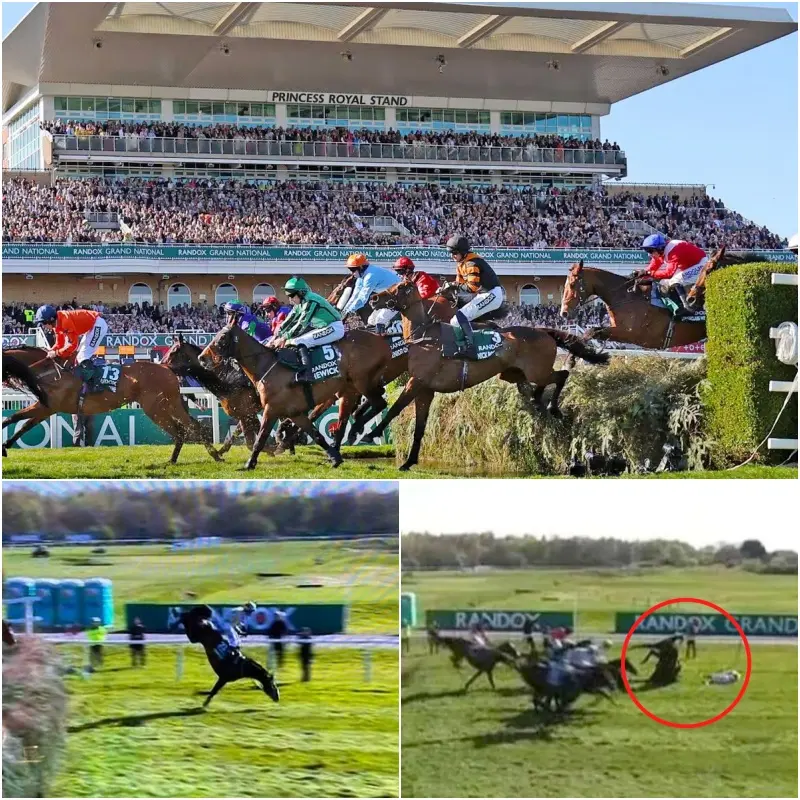
Broadway Boy, a seven-year-old gelding trained by Nigel Twiston-Davies and ridden by jockey Tom Bellamy, had emerged as a surprising frontrunner in the iconic steeplechase. Starting at long odds of 66-1, the horse led for much of the grueling four-and-a-quarter-mile course, showcasing impressive stamina and jumping ability on what was described as good ground. Spectators and commentators alike noted his strong position as the field approached the later stages, with victory appearing within reach. Yet, disaster struck at the 25th obstacle—a demanding fence in the closing stages—when Broadway Boy suffered a heavy, unsettling fall.
The horse appeared to land awkwardly, seemingly on his head or neck, and remained motionless for a tense moment that left onlookers horrified. Bellamy was unseated but quickly attended to, while veterinary teams rushed to the scene to assess the animal.
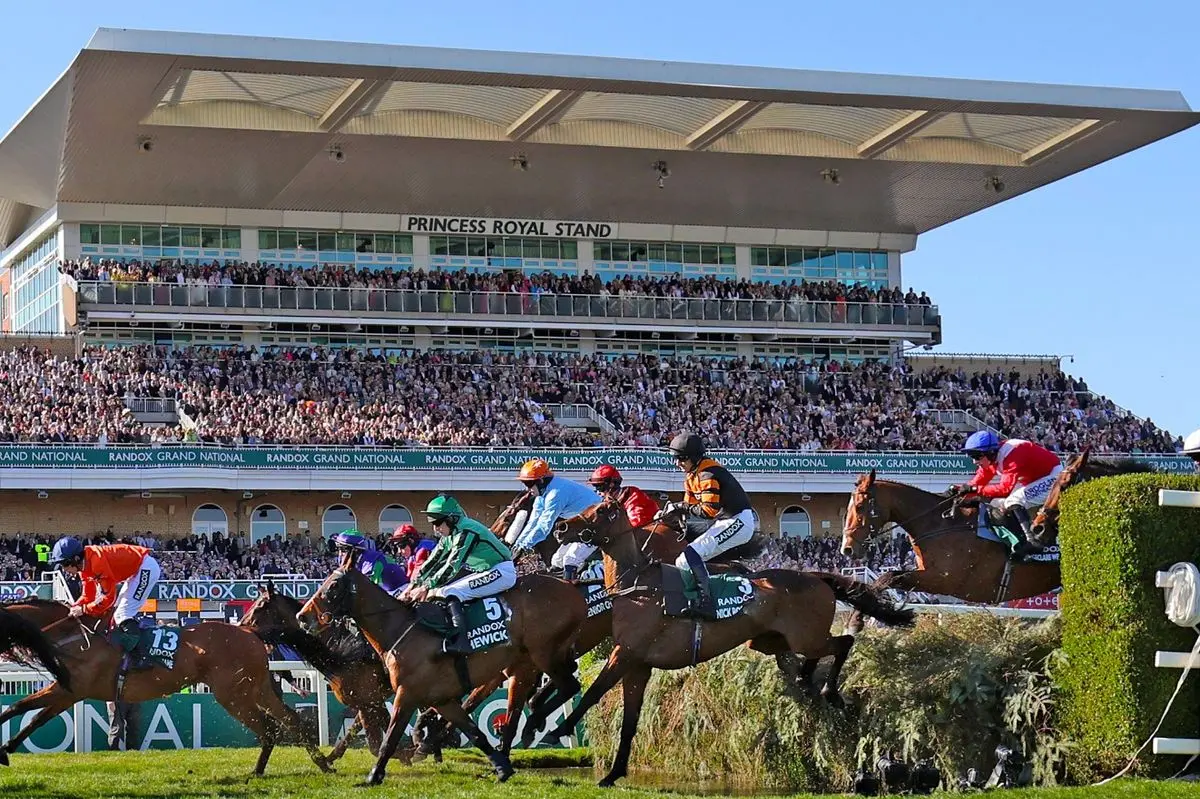
Initial fears were grave, with many fearing the worst as the horse lay still amid the chaos. On-course vets provided immediate care, and Broadway Boy was eventually stabilized enough to be transported by ambulance for further evaluation. Updates from connections and racing authorities confirmed he survived the incident, though he was reported as “stiff and sore” in the days that followed. By early the following week, the horse had returned home to his stable in Gloucestershire, where he continued to receive veterinary attention and rest.
While no long-term catastrophic injuries were publicly detailed, the fall highlighted the inherent risks of the Grand National’s demanding fences and high-speed action.
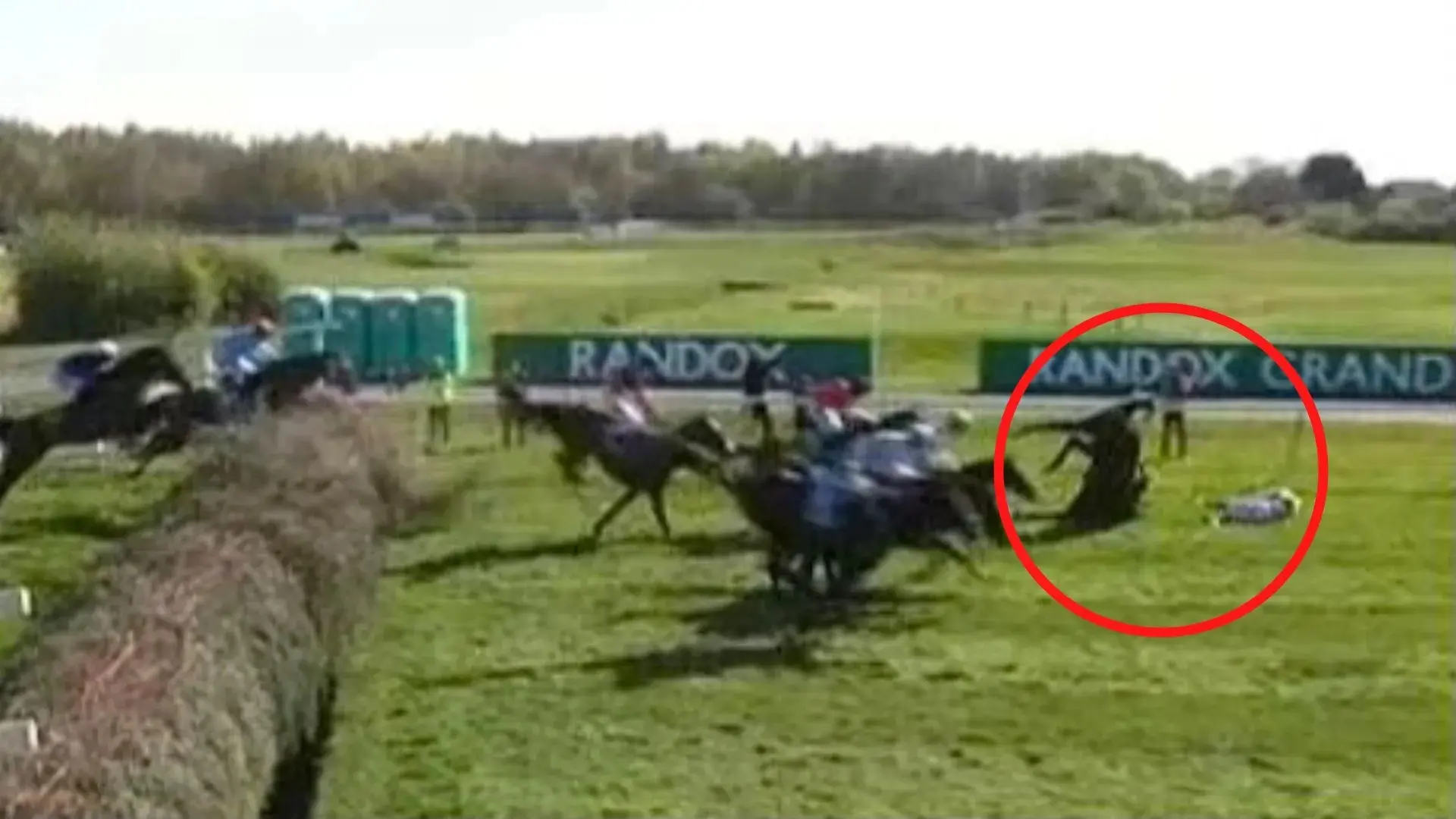
The incident was not isolated. The 2025 Aintree Festival, which spans three days and includes the Grand National as its centerpiece, saw multiple fatalities and falls. On the opening day, Willy De Houelle suffered a fatal fall in an earlier race, adding to the tally of horse deaths during the meeting. Another horse, Celebre D’Allen, collapsed shortly after completing the Grand National course and later died, prompting further scrutiny. In the main event itself, additional falls involved horses such as Kandoo Kid, Perceval Legallois, and Duffle Coat, who unseated his rider.
Ultimately, Nick Rockett, trained by Willie Mullins and ridden by Patrick Mullins, claimed victory in a one-two-three finish for the stable, ahead of favorite I Am Maximus.
These events fueled immediate and vocal backlash from animal rights organizations. Groups such as Animal Aid, PETA, and others condemned the race, arguing that the Grand National exemplifies the exploitation of horses for entertainment and gambling. They pointed to a grim historical record: since 2000, dozens of horses have died at the Aintree Festival, with figures from advocacy groups citing 67 fatalities over that period, including two in 2025. Critics described Broadway Boy’s fall as “horrific” and “sickening,” emphasizing the physical toll of forcing animals to navigate 30 formidable fences at high speed while fatigued.
Protests intensified in the aftermath, with activists renewing calls to ban or fundamentally reform the event. Demonstrations outside Aintree and online campaigns highlighted the perceived cruelty, accusing organizers of prioritizing spectacle and betting revenue—hundreds of millions of pounds are wagered annually—over genuine welfare. Some pointed to previous safety measures introduced after high-profile deaths, such as reducing the field size from 40 to 34 runners, softening certain fences, and enhancing veterinary protocols. These changes had resulted in no fatalities in the 2024 Grand National, leading some to argue that progress was possible.
However, the 2025 incidents demonstrated that risks persist, with opponents asserting that no amount of tweaks can eliminate the danger inherent in such a demanding steeplechase.
Defenders of the sport, including trainers, jockeys, owners, and the British Horseracing Authority, countered that the Grand National remains a celebrated test of equine athleticism when conducted responsibly. They stressed rigorous pre-race veterinary checks, ongoing improvements to course design, and the deep bonds between horses and their human teams. Trainers like Mullins, whose stable dominated the podium, emphasized that horses are well-cared-for athletes, not mere commodities. Jockey safety was also a concern, with Bellamy and others receiving medical attention post-fall.
The debate extends beyond the track. Public opinion appears increasingly divided, with growing support for animal welfare reforms amid broader societal shifts toward ethical treatment of animals. Past disruptions, including track invasions by activists in previous years that delayed starts, have already forced organizers to bolster security and review protocols. While no major on-course protests disrupted the 2025 race itself, the fallout from Broadway Boy’s fall and the festival’s fatalities amplified calls for change, including potential further reductions in field size, additional fence modifications, or even reevaluation of the race’s future format.
As Broadway Boy recovers and racing authorities review footage and data from the event, the 2025 Grand National stands as a stark reminder of the fine line between thrilling sport and unacceptable risk. For proponents, it remains a cherished tradition steeped in history since 1839. For critics, it symbolizes an outdated practice that no longer aligns with modern values. The incident involving Broadway Boy, in particular, has galvanized opposition, ensuring that discussions about balancing heritage, safety, and ethics will continue long after the cheers at Aintree faded.