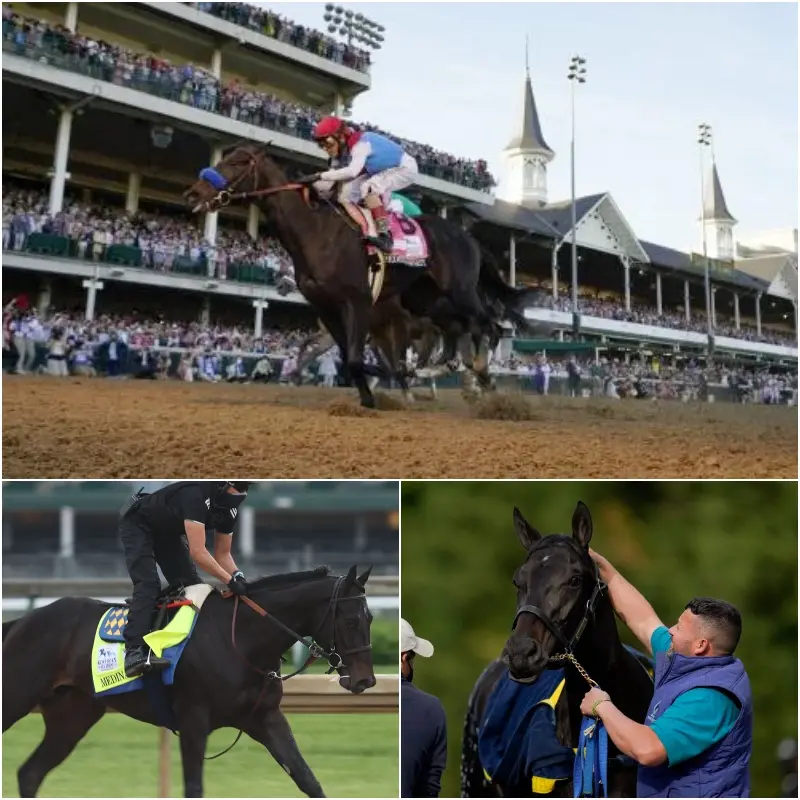
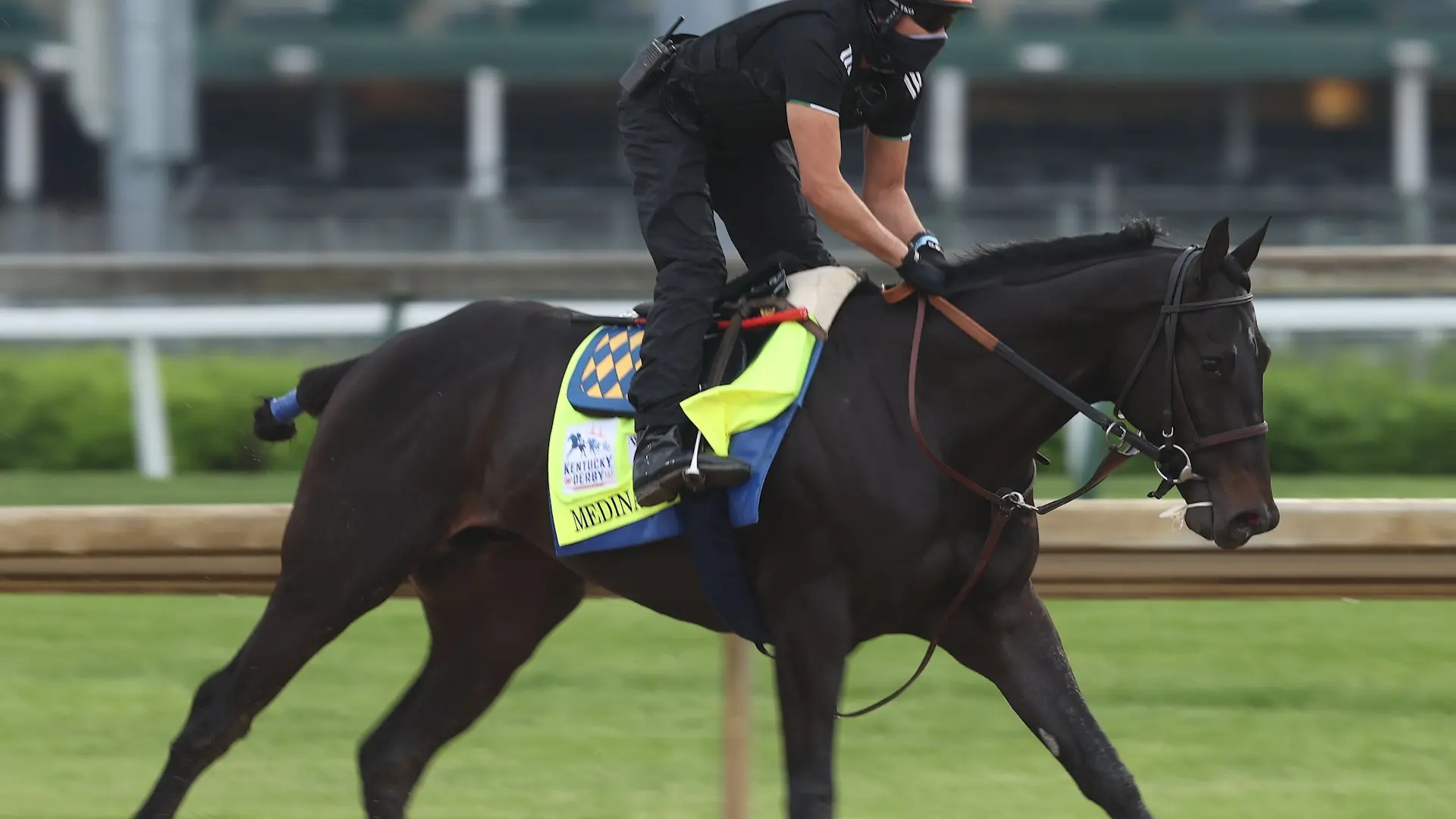
On May 1, 2021, the 147th running of the Kentucky Derby unfolded under the iconic twin spires of Churchill Downs with all the pageantry and excitement that defines the “Run for the Roses.” Medina Spirit, a chestnut colt trained by Hall of Fame conditioner Bob Baffert and owned by Amr Zedan, crossed the finish line first as a 12-1 longshot, holding off a late charge from Mandaloun to secure what appeared to be a stunning upset victory.
The win marked Baffert’s record-tying seventh Kentucky Derby triumph and seemed to cement his status as one of the most dominant figures in modern thoroughbred racing. Cheers erupted from the limited crowd allowed amid pandemic restrictions, and the racing world celebrated what looked like another chapter in Baffert’s storied career.
That celebration proved short-lived. Just one week later, on May 9, 2021, Churchill Downs announced that Medina Spirit had tested positive for betamethasone, a corticosteroid classified as a banned substance on race day in Kentucky. Betamethasone is permitted for therapeutic use in horses, such as treating joint inflammation, but regulations prohibit its presence in a horse’s system during competition to prevent any potential performance-enhancing or pain-masking effects. The initial test revealed 21 picograms per milliliter in the post-race sample—above the allowable threshold at the time—sparking immediate controversy and scrutiny.
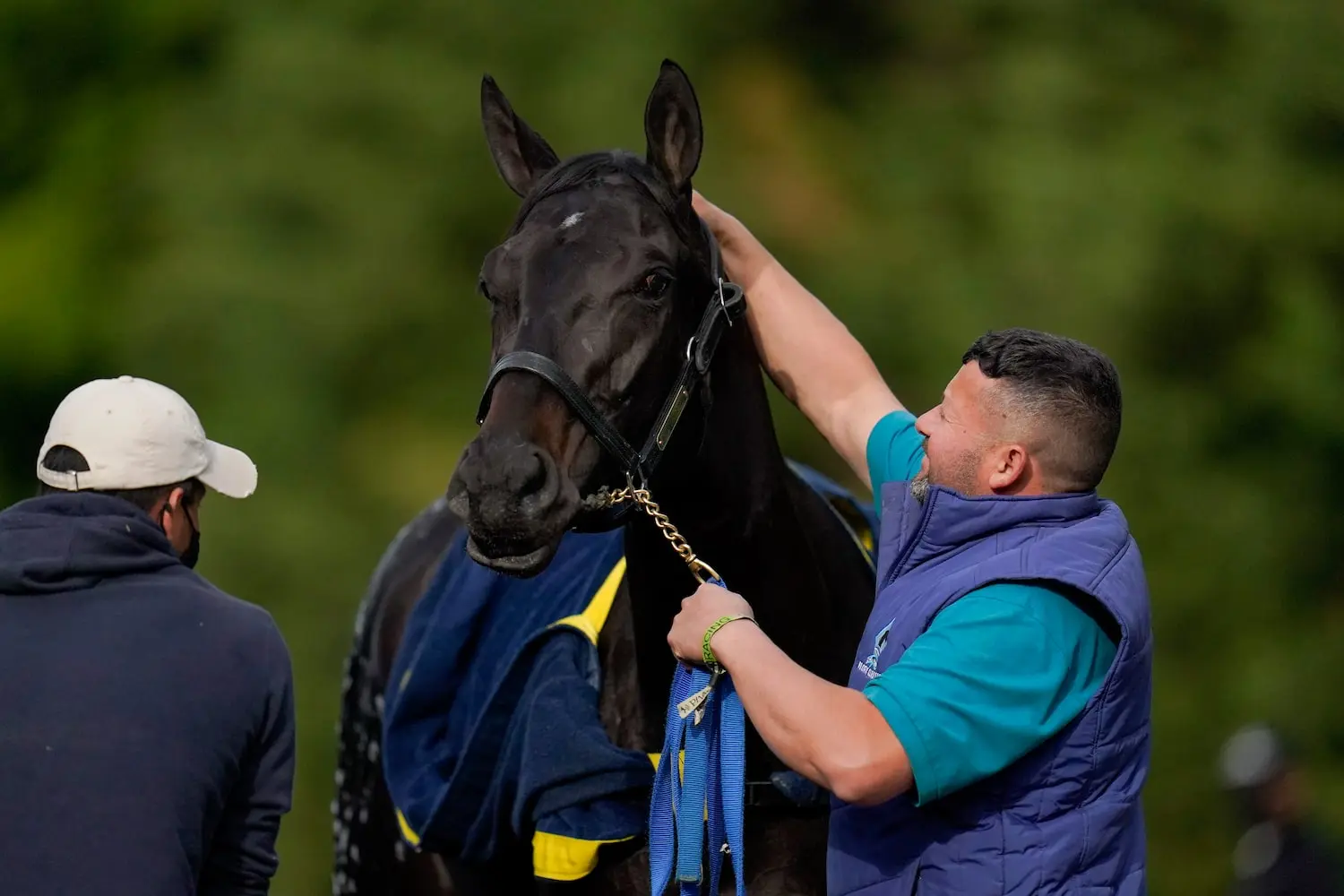
Baffert initially expressed shock and denied any intentional wrongdoing. He suggested the positive result stemmed from a topical ointment called Otomax, prescribed by a veterinarian to treat a skin condition on the horse, rather than an injectable form of the drug. He argued that the rules distinguished between injectable betamethasone (banned) and the valerate form found in ointments (potentially permissible). Despite these claims, a split sample—the secondary test from the same post-race collection—confirmed the presence of betamethasone, solidifying the violation.
The fallout was swift and severe. Churchill Downs suspended Baffert from entering horses at its tracks pending further investigation, a ban that would ultimately extend to three years. The trainer, who had faced prior medication violations in the months leading up to the Derby, found himself at the center of intense criticism. The positive test marked the fifth time in just over a year that a Baffert-trained horse had failed a drug screening, raising broader questions about oversight in the sport.
Animal welfare advocates and racing purists pointed to the incident as evidence of systemic issues, including the overuse of medications to push horses beyond their natural limits.
The legal and regulatory battle that followed stretched over months and drew widespread attention. In February 2022, the Kentucky Horse Racing Commission (KHRC) officially disqualified Medina Spirit from the 2021 Kentucky Derby victory after a stewards’ hearing. Mandaloun, trained by Brad Cox, was elevated to winner status, marking a historic moment as Cox became the first Louisville native to train a Derby champion. The purse money—$1.86 million for the win—was ordered redistributed, though pari-mutuel betting payouts from race day remained unaffected. Baffert received a 90-day suspension from the KHRC (later served) and a $7,500 fine.
Adding tragedy to the controversy, Medina Spirit died unexpectedly on December 6, 2021, while working out at Santa Anita Park in California. The three-year-old colt collapsed and could not be revived; a necropsy found no definitive cause of death, with no evidence of doping-related issues at the time. The loss fueled further debate about horse safety and the pressures of high-stakes racing.
Baffert fought the disqualification and suspensions vigorously, filing lawsuits against Churchill Downs and challenging the KHRC ruling. He maintained his innocence regarding intentional doping, but the protracted appeals and public statements prolonged the saga. Churchill Downs extended his ban through the 2024 Derby, citing Baffert’s continued defense of the case as “peddling a false narrative.” In July 2024, the suspension was finally lifted after Baffert issued a statement accepting responsibility for the positive test involving Medina Spirit.
He expressed a desire to move forward and returned to Churchill Downs for the 2025 Kentucky Derby, entering horses amid lingering scrutiny of his record.
The Medina Spirit case stands as one of the most significant doping scandals in modern horse racing history, rivaling the 1968 disqualification of Dancer’s Image for phenylbutazone. It highlighted inconsistencies in medication rules across jurisdictions and accelerated calls for uniform national standards. The Horseracing Integrity and Safety Act (HISA), which established federal oversight of anti-doping and racetrack safety, had already been signed into law in 2020 but fully implemented its anti-doping program in 2023—partly in response to high-profile incidents like this one.
Under HISA, thresholds and prohibited substances have been standardized to reduce gray areas that once allowed debates over therapeutic versus performance-enhancing uses.
Critics argue the scandal exposed deeper problems in the industry, including trainer accountability and the ethical treatment of equine athletes. Supporters of Baffert point to his unparalleled success—multiple Triple Crowns and hundreds of graded stakes wins—and contend that trace amounts from legitimate treatments should not overshadow a career built on excellence. Regardless, the episode eroded public trust and prompted reforms aimed at cleaner competition.
Years later, as of early 2026, the Medina Spirit scandal remains a cautionary tale. It underscored the fragility of racing’s prestige when integrity is questioned and demonstrated how a single positive test can rewrite history, tarnish legacies, and force the sport toward greater transparency. While no major new developments have altered the 2022 disqualification, the event continues to influence discussions on regulation, welfare, and the future of thoroughbred racing in an era of heightened scrutiny.
The shockwaves from that 2021 Derby still resonate, reminding fans and participants alike that the pursuit of victory must never compromise fairness or the well-being of the horses at its heart.