The 2019 Kentucky Derby, held on May 4 at Churchill Downs in Louisville, Kentucky, produced one of the most shocking and debated moments in American horse racing history. Titled by many as THE MOST CONTROVERSIAL MATCH IN AMERICAN HISTORY, the 145th running of the prestigious event forever altered perceptions of the sport when Maximum Security, the horse that crossed the finish line first, became the first in the race’s long legacy to be immediately disqualified for an on-track infraction.
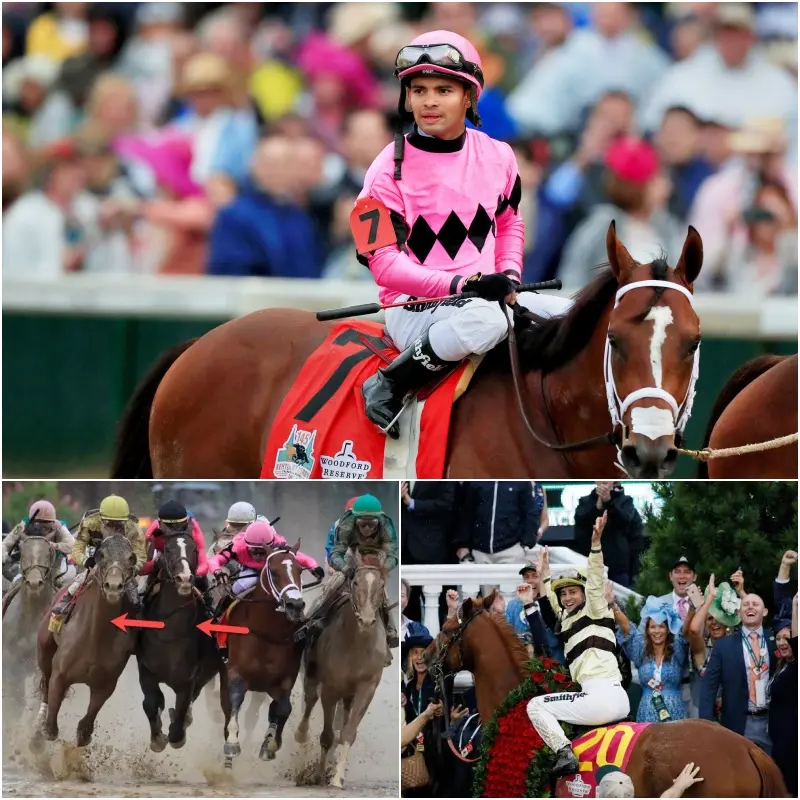
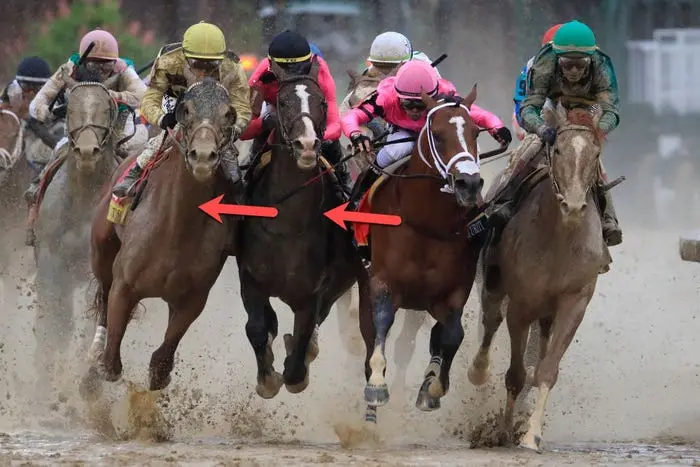
The race unfolded on a sloppy track due to persistent rain, adding an extra layer of unpredictability to an already chaotic field of 19 horses. Maximum Security, trained by Jason Servis and ridden by jockey Luis Saez, burst out of the gate and seized control early, leading wire-to-wire in a dominant performance that seemed destined to secure victory. As the field rounded the far turn and headed into the stretch, Maximum Security drifted outward, veering from his path near the rail. This movement forced War of Will, ridden by Tyler Gaffalione, to check sharply and alter course.
The chain reaction rippled through the pack: Long Range Toddy and Bodexpress were also impeded, with the interference ultimately affecting several contenders, including the eventual beneficiary, Country House.
Jockeys Flavien Prat (on Country House) and Drayden Van Dyke (on Long Range Toddy) quickly lodged objections, prompting a stewards’ inquiry. For more than 20 minutes—specifically 22 minutes of tense review—the three stewards, led by chief steward Barbara Borden, examined video replays from multiple angles. The deliberation was agonizing for everyone involved. Connections of Maximum Security had already begun celebrating what appeared to be a clear triumph, with interviews conducted and congratulations extended. Meanwhile, bettors who had backed the favorite watched in disbelief as the outcome hung in the balance.
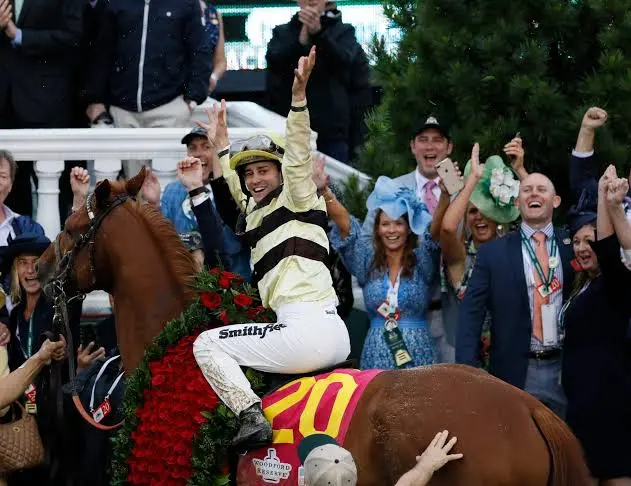
In a unanimous decision, the stewards ruled that Maximum Security’s actions constituted interference under racing rules, which prohibit a horse from drifting out and affecting the progress of others. The horse was disqualified from first place and placed 17th—the position behind the lowest horse he was deemed to have bothered—marking a historic first. Country House, a 65-1 longshot who had finished second officially but was never seriously challenged for the lead after the incident, was elevated to winner. The result stunned the crowd, sparking a mix of boos, cheers, and stunned silence among the more than 150,000 spectators.
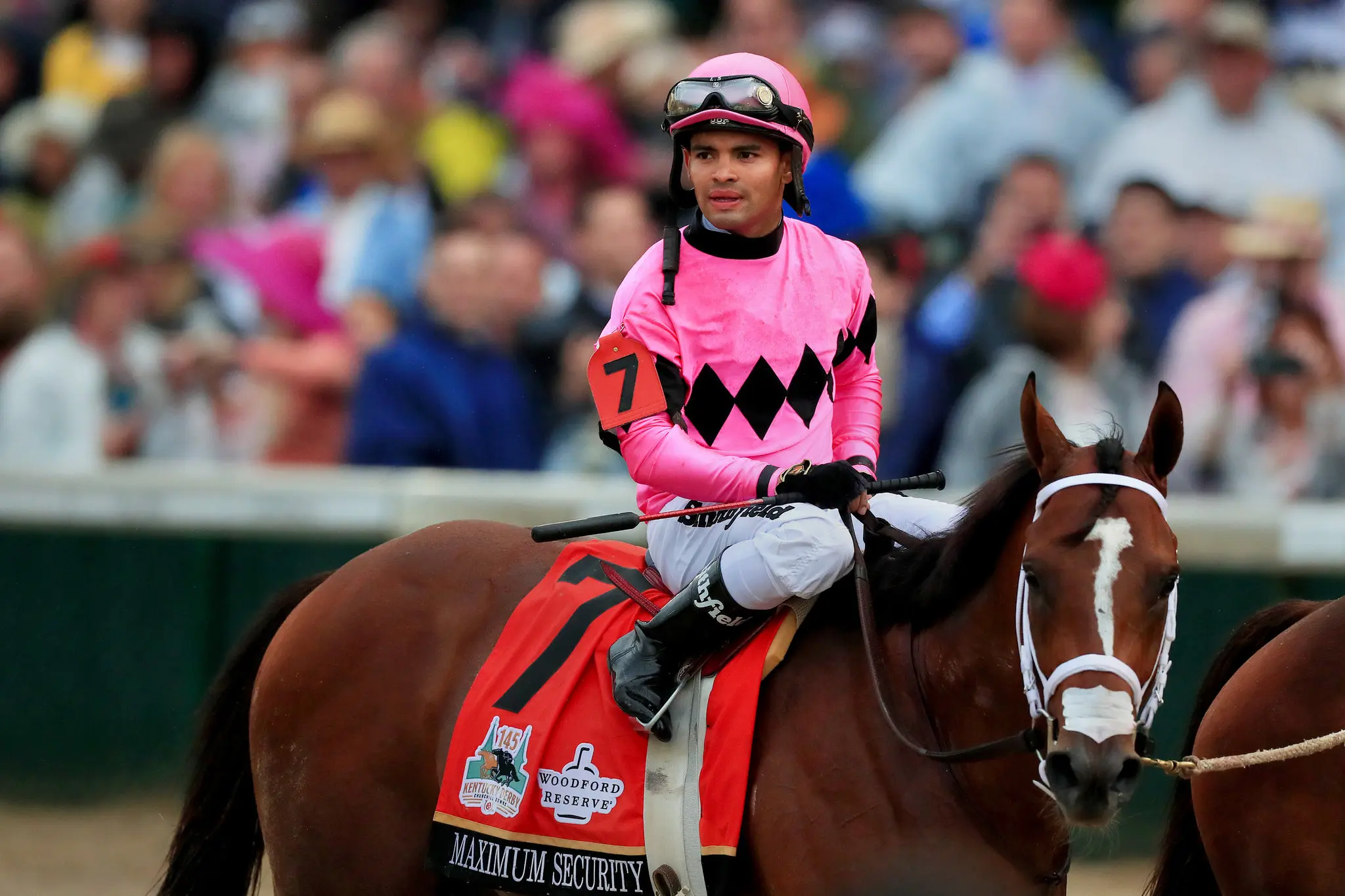
The aftermath was immediate and intense. Maximum Security’s connections, including owner Gary West, expressed outrage, arguing that the interference was minor and that the horse had corrected course without costing anyone the race outright. They filed lawsuits challenging the decision, though these were ultimately dismissed by courts, including a federal appeal. Trainer Jason Servis maintained that the drift was a reaction to a puddle on the sloppy track, a claim supported by some observers but rejected by the stewards.
Public opinion split sharply: some praised the stewards for upholding the integrity of the rules, while others decried the call as overly punitive, especially given Maximum Security’s strong margin at the wire.
Country House’s victory stood as the second-biggest upset in Derby history by odds, behind only Donerail’s 91-1 win in 1913. The horse, trained by Bill Mott and owned by a partnership including LNJ Foxwoods, had been overlooked in the betting due to modest prior form. His rise to glory highlighted the unpredictability of the sport, but it came at the expense of what many felt was a more deserving performance by Maximum Security.
This disqualification reshaped discussions around racing rules and officiating. Prior to 2019, the only other Derby winner disqualifications—Dancer’s Image in 1968 and later Medina Spirit in 2021—stemmed from post-race drug violations, not in-race fouls. The 2019 event marked the first time a winner was stripped immediately for interference, setting a precedent that emphasized stricter enforcement of path rules. It also amplified scrutiny on jockey decisions, track conditions, and the balance between aggressive riding and fair competition.
The controversy lingered for years. Interviews years later, including one with steward Barbara Borden in 2021, revealed the immense pressure of the moment and the stewards’ confidence in their review process. Yet debates persist among fans, analysts, and participants about whether the interference truly warranted such a drastic outcome or if tradition favored letting the on-track result stand.
In the broader context of American horse racing, the 2019 Kentucky Derby stands out not just for its outcome but for how it exposed the sport’s vulnerabilities. It forced conversations about safety, fairness, and the human element in high-stakes decisions. While Country House earned his place in the record books, Maximum Security’s story became one of “what if,” a reminder that even the most dominant performances can unravel in an instant. The event remains a pivotal chapter, ensuring that the Run for the Roses continues to captivate—and occasionally confound—the nation with its blend of glory, drama, and enduring controversy.