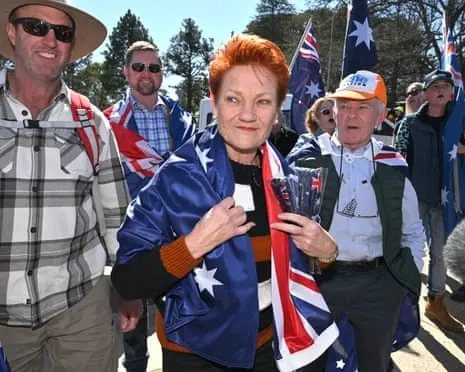
The Australian political landscape has been rocked by fresh controversy after Pauline Hanson doubled down on inflammatory remarks about Muslims, igniting a nationwide debate on free speech, religious tolerance and the limits of political rhetoric. What followed has proven even more explosive than the original statement itself.
In a series of interviews and social media posts, Hanson refused to retract her claim that there are “no good Muslims,” insisting she would not apologise under any circumstances. The remarks triggered immediate backlash from community leaders, legal experts and rival MPs across the country.
Her party, One Nation, quickly found itself at the centre of a media storm. Critics argued the comments risk deepening social divisions in an already polarised climate, while supporters claimed Hanson was merely voicing concerns shared quietly by many Australians.
Reports circulating in Canberra suggested that a “crime report” had been submitted to the Australian Federal Police regarding the statement. Authorities have not publicly confirmed the details, but the mere suggestion of police involvement intensified the political drama.
Legal analysts noted that Australia’s anti-vilification and anti-hate frameworks vary between federal and state jurisdictions. Some experts cautioned that proving criminal liability for political speech remains complex, particularly when statements are framed as opinion rather than incitement.
Hanson, however, escalated matters further. In a defiant message posted online, she warned that new hate-speech laws could be weaponised to “lock me up again,” referencing her previous imprisonment in 2003, which was later overturned on appeal.
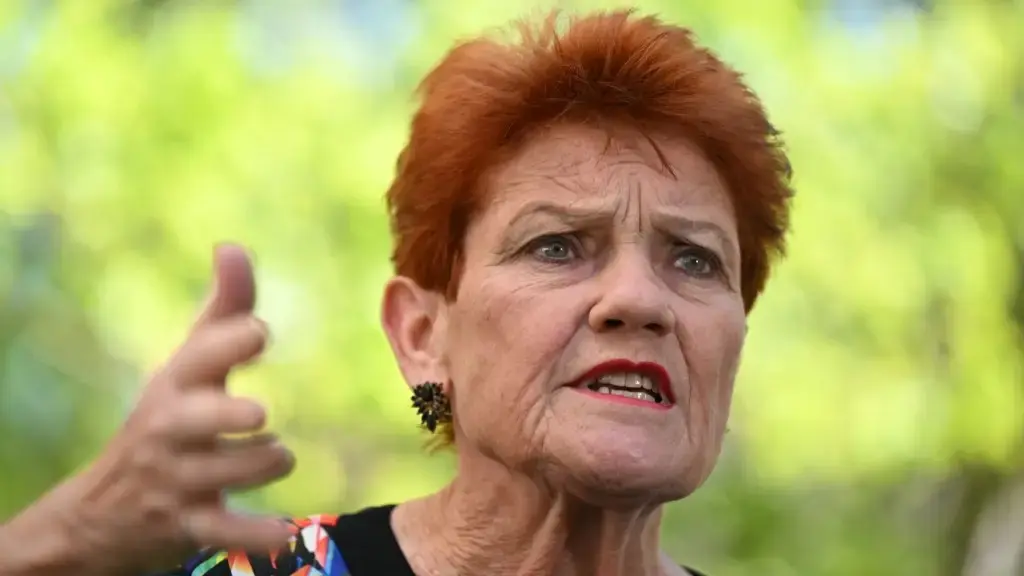
The spectre of jail time transformed the controversy from a cultural dispute into a broader argument about democratic freedoms. Civil liberties advocates, while condemning her language, expressed concern about any precedent that might criminalise political expression.
Within the Australian Parliament, reactions were swift. Members of the Australian Labor Party described the comments as dangerous and irresponsible, while figures from the Liberal Party of Australia offered more measured responses, balancing condemnation with caution about free speech protections.
Community organisations representing Muslim Australians said the remarks were deeply hurtful and risked inflaming prejudice. Several leaders called for unity, urging politicians to lower the temperature and focus on policies that strengthen social cohesion rather than fracture it.
Security experts quietly acknowledged that inflammatory rhetoric can carry real-world consequences. They warned that heightened tensions may increase the risk of isolated incidents targeting minority communities, even if no direct incitement was intended.
Supporters of Hanson argue that her comments reflect frustration over national security and integration debates. They insist voters have a right to hear unfiltered opinions, particularly on issues involving immigration, extremism and multicultural policy.
Yet critics counter that sweeping generalisations undermine constructive discussion. By labelling an entire faith community in absolute terms, they argue, political discourse shifts from policy critique to collective blame, making compromise nearly impossible.
The controversy has also reignited debate about proposed reforms to federal anti-hate legislation. Some lawmakers advocate stronger protections against vilification, while others fear unintended consequences for journalists, commentators and everyday citizens expressing controversial views.
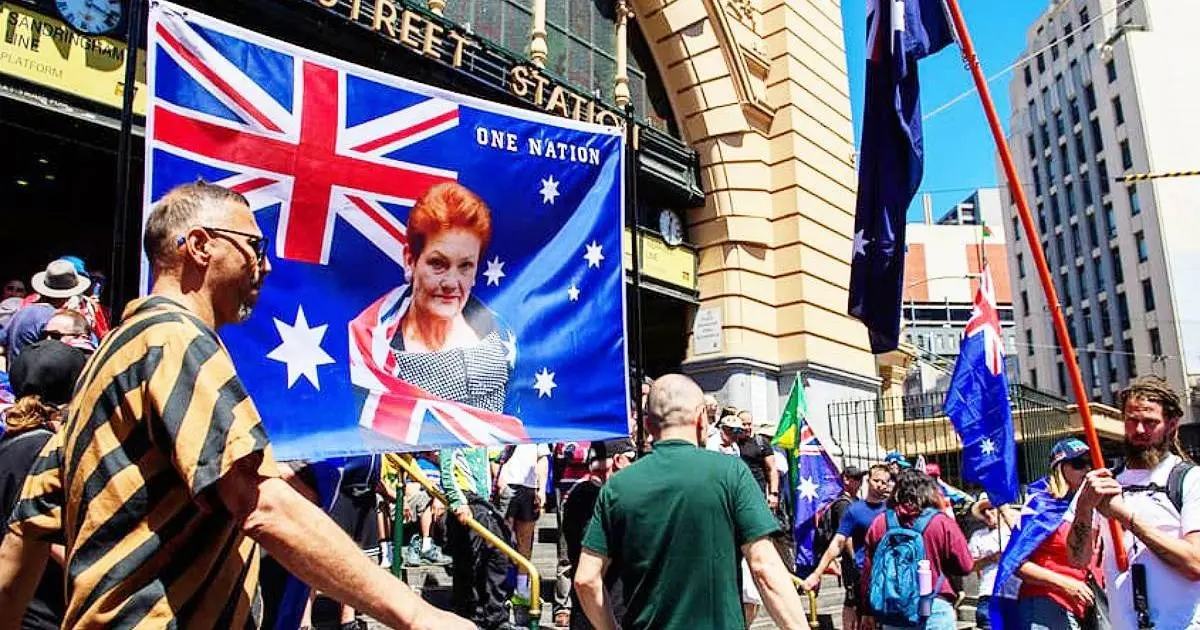
Constitutional scholars point out that Australia lacks an explicit national bill of rights. Instead, freedoms are implied through legal precedent, leaving Parliament significant discretion when drafting and amending speech-related statutes.
In interviews, Hanson framed herself as a target of political correctness and elite suppression. “I will speak out before it’s too late,” she declared, positioning her stance as a defence of ordinary Australians against what she described as creeping censorship.
Media coverage has amplified every twist in the saga, with televised panels and digital platforms dissecting each phrase. The story’s viral spread underscores how rapidly political flashpoints can dominate national conversation in the age of social media.
Within the Senate, procedural tensions have simmered. While no formal motion has yet advanced regarding disciplinary action, several crossbench senators have hinted at potential censure debates if rhetoric continues to escalate.
Political strategists suggest the controversy may consolidate Hanson’s base ahead of future elections. Polarising moments often energise loyal supporters, even as they alienate moderate voters crucial in tightly contested seats.
For Muslim Australians, however, the impact extends beyond electoral calculus. Community members report increased anxiety and a sense of vulnerability whenever high-profile leaders question their belonging in Australian society.
As investigations, political manoeuvring and public debate continue, one truth remains clear: the clash between free expression and social responsibility is far from settled. Whether this episode leads to legislative change or fades into the next news cycle, its reverberations will shape Australia’s political discourse for months to come.