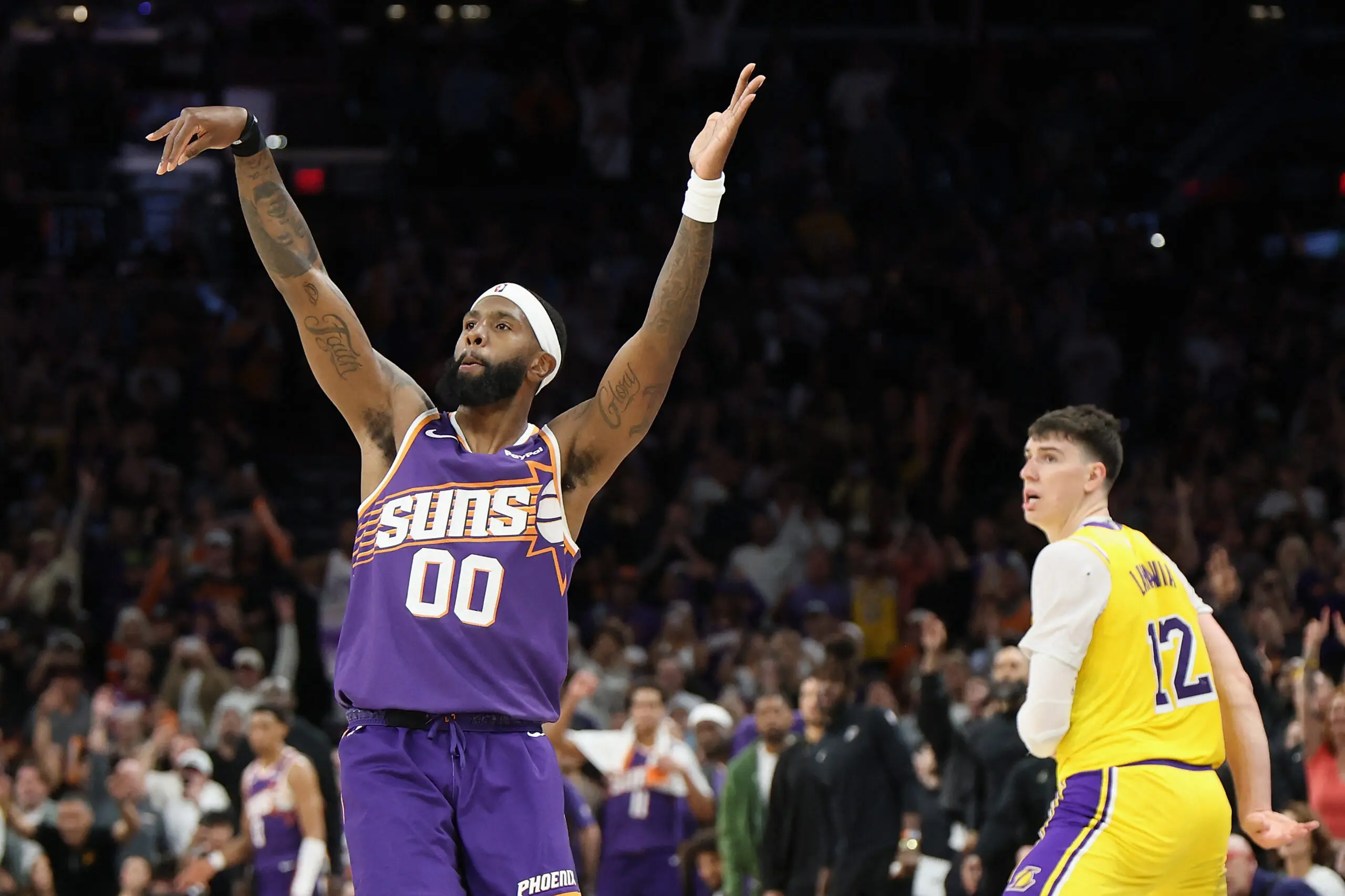
The showdown between the Los Angeles Lakers and the Phoenix Suns delivered one of the most dramatic finishes of the season, capped by a stunning last-second three-pointer from Royce O’Neale with just 0.9 seconds remaining. The buzzer-beating shot flipped the outcome in an instant, leaving players frozen in disbelief. For the Lakers, what had felt like a hard-fought victory dissolved into heartbreak within a blink, while the Suns erupted in celebration.
After the final horn sounded, Austin Reaves stood near midcourt, visibly stunned. He later admitted that the team had pushed to its limits but never anticipated such a reversal. According to locker room sources, Reaves emphasized that momentum had finally tilted in the Lakers’ favor late in the fourth quarter. Defensive rotations tightened, shot selection improved, and communication sharpened. Yet one defensive lapse in the closing seconds proved decisive.
The possession that changed everything began with Phoenix advancing the ball under immense pressure. Lakers defenders reportedly believed the Suns would look for a drive or a mid-range attempt. Instead, the play unfolded with precision spacing that freed O’Neale on the perimeter. Insiders revealed that Phoenix had practiced that exact sideline scenario repeatedly in recent weeks, anticipating situations where only a fraction of a second could determine the outcome.
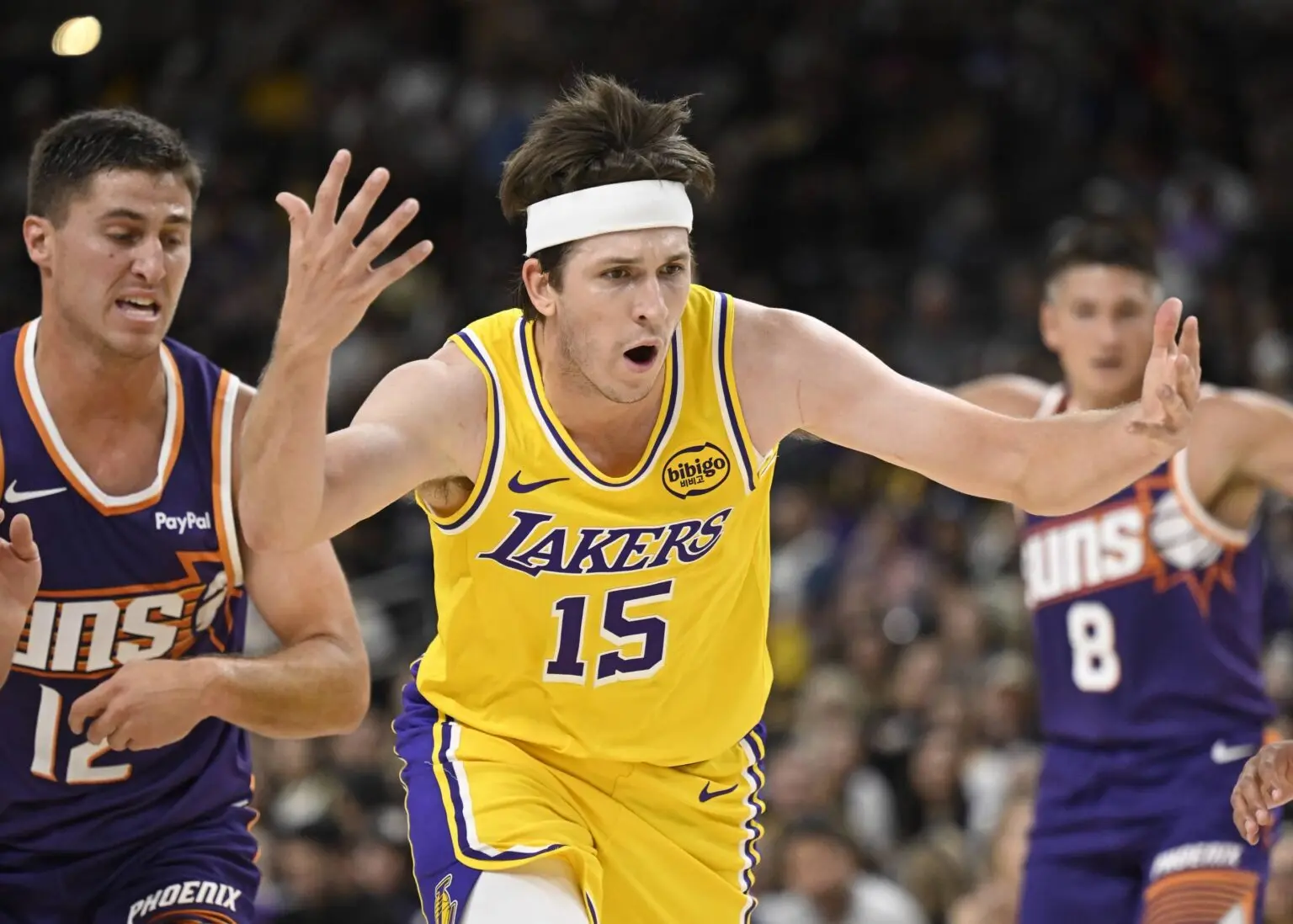
Reaves clarified privately that his frustration was not directed at role players like Collin Gillespie or Mark Williams, names that had circulated in speculative commentary. Rather, he acknowledged that O’Neale’s shot alone altered the entire narrative. Teammates described a collective exhale when the Suns inbounded the ball, followed by a split-second miscommunication that allowed O’Neale the daylight he needed to release the decisive attempt.
Coaches reviewing the tape pointed to a subtle screen that disrupted the Lakers’ switch coverage. That minor hesitation created the margin necessary for O’Neale to square his shoulders. Analysts later noted that the arc and trajectory of the shot were textbook, suggesting both preparation and composure. In high-pressure NBA environments, mechanics often falter, but O’Neale’s form remained steady, reflecting confidence cultivated through repetition.
Inside the Lakers’ locker room, voices were calm but heavy. A team staff member disclosed that the coaching staff reminded players that execution across forty-eight minutes matters more than a single possession. However, veterans reportedly acknowledged that situational awareness in final seconds remains an area for refinement. The difference between contesting a shot and conceding inches can define seasons in a conference as competitive as the Western Conference.
From Phoenix’s perspective, the win symbolized resilience. The Suns had struggled through stretches of inconsistent offense earlier in the game, yet they maintained proximity on the scoreboard. One assistant coach revealed that the final play was drawn up with multiple contingencies, but O’Neale was always a primary option if the defense overcommitted elsewhere. His reputation as a reliable perimeter shooter made him the logical choice in that scenario.
Reaves’ remarks underscored the emotional swing athletes endure in moments like these. He reportedly told teammates that the result could have been different had the final defensive sequence unfolded as intended. His tone blended disbelief with accountability, reflecting leadership beyond his years. Observers noted that rather than deflecting blame, he emphasized collective responsibility for the breakdown that allowed the decisive attempt.
Statistically, the game was tightly contested throughout. Both teams exchanged runs, and neither built a commanding double-digit cushion late. The Lakers executed efficiently in transition, while the Suns capitalized on second-chance opportunities. Analysts highlighted that Phoenix’s offensive rebounding in the third quarter prevented the Lakers from fully seizing control, keeping the margin narrow enough for a single shot to matter in the closing seconds.
Media reaction intensified almost immediately, with highlight reels of O’Neale’s release circulating across platforms within minutes. Commentators praised the composure required to convert under such pressure. Meanwhile, debates emerged regarding the Lakers’ defensive scheme in the final possession. Some analysts argued for a switch-everything approach, while others suggested denying the inbound pass altogether might have disrupted the timing.
Privately, Lakers players acknowledged that the sting of a last-second defeat lingers longer than most losses. One veteran confided that games decided by tenths of a second tend to replay in the mind repeatedly. Yet the same player insisted that such heartbreak can sharpen focus, reinforcing the urgency of precision in late-game execution. The coaching staff reportedly plans additional situational drills in upcoming practices.
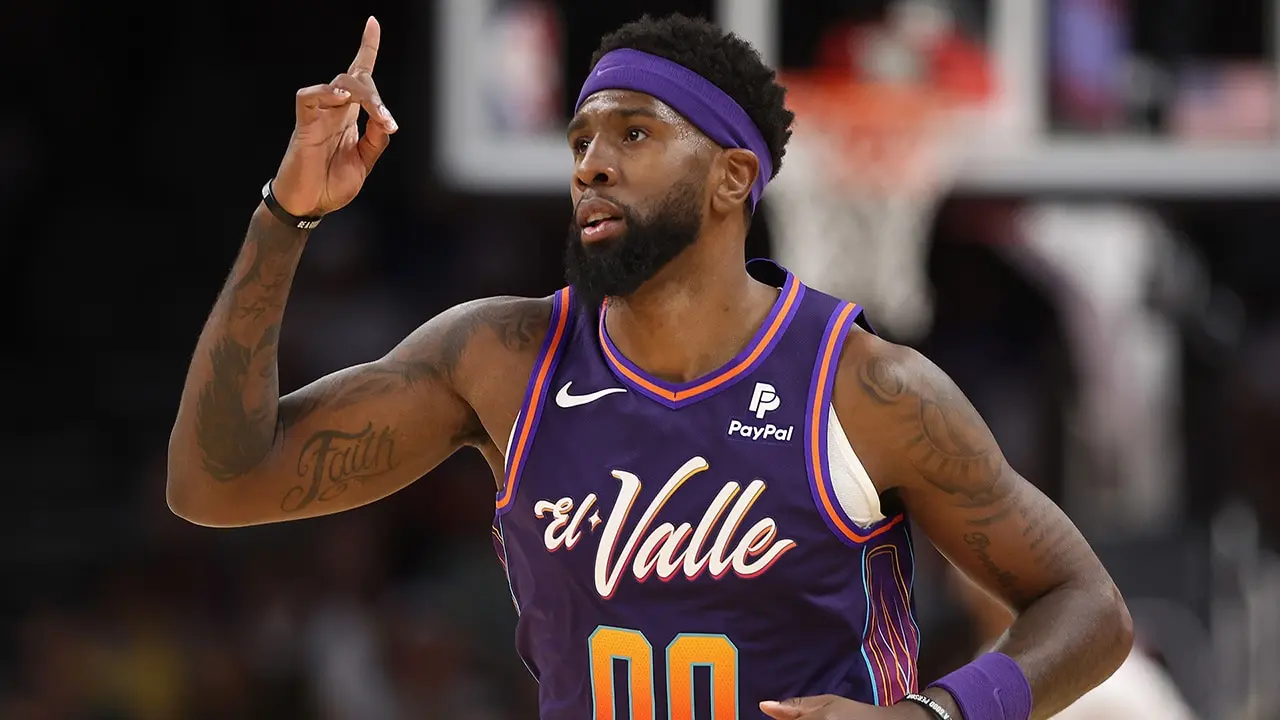
For O’Neale, the shot may mark a defining moment in his season. Teammates described him as calm even before the play unfolded, a demeanor that translated into fluid mechanics at release. Suns insiders revealed that he remained after practice earlier in the week specifically rehearsing corner and wing threes under simulated countdown conditions, a detail that now appears prophetic given the dramatic finish.
As both teams move forward, the implications extend beyond a single regular-season contest. In a playoff race where seeding margins are razor thin, every win and loss reshapes the landscape. Reaves’ candid reaction reflects the awareness that opportunities are precious and fleeting. For the Suns, O’Neale’s 0.9-second dagger serves as proof that preparation and belief can converge at precisely the right instant to redefine a game’s destiny.