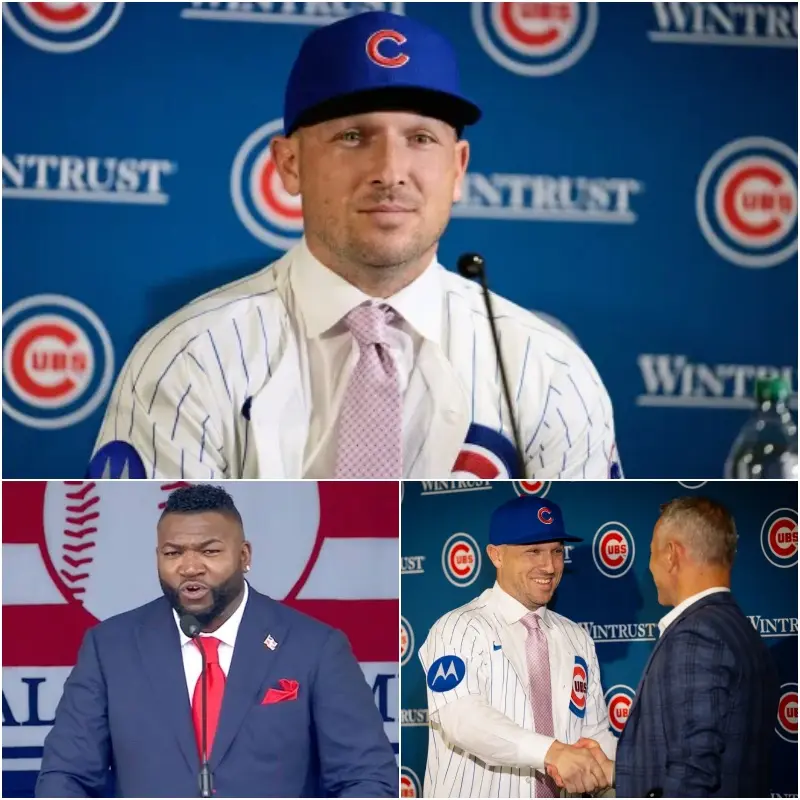
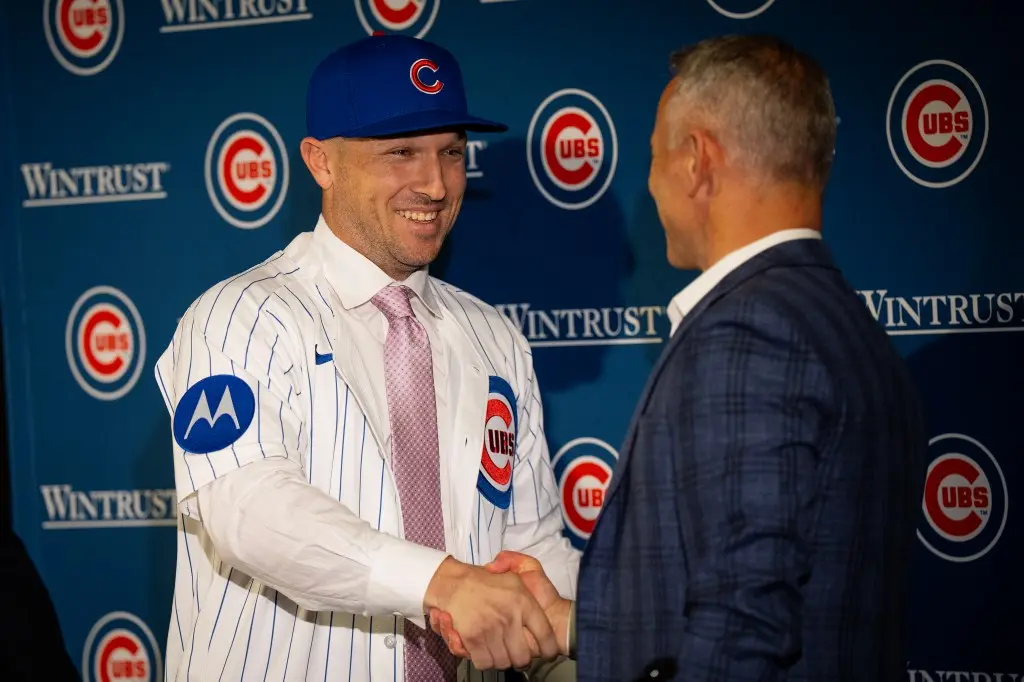
The Chicago Cubs made a significant splash in the offseason by signing All-Star third baseman Alex Bregman to a five-year, $175 million contract, a move that has sent ripples through Major League Baseball. The deal, finalized in mid-January 2026, includes a full no-trade clause and no opt-outs, marking one of the largest commitments in franchise history for average annual value at $35 million.
This acquisition bolsters the Cubs’ lineup as they aim to contend in the National League Central and chase a World Series title, but it also left several teams, particularly the Detroit Tigers, reeling from what felt like a last-minute twist.
Bregman’s journey to Chicago was anything but straightforward. After a standout career with the Houston Astros, where he won two World Series titles and established himself as one of the game’s premier third basemen, Bregman entered free agency following the 2024 season. He initially drew strong interest from multiple clubs, including the Detroit Tigers, who reportedly made a competitive six-year, $171.5 million offer. Many around the league, including within Bregman’s camp, believed a deal with Detroit was imminent. The Tigers, under manager A.J.
Hinch—a former skipper of Bregman in Houston—seemed like a natural fit for the veteran infielder seeking stability and a chance to build a contender in the American League Central.
However, the Boston Red Sox swooped in with a three-year, $120 million contract that included opt-outs after the first two seasons, allowing Bregman to return to the market quickly if things didn’t align. He accepted, spending the 2025 season in Boston where he performed solidly, hitting .273 with 18 home runs and an .821 OPS in 114 games while earning an All-Star nod. The arrangement provided Bregman with high annual earnings and flexibility, but tensions reportedly simmered behind the scenes.
Sources indicated a strained relationship with Red Sox management played a key role in his decision not to re-sign long-term with the club.
As free agency reopened after Bregman opted out, the market shifted. The Red Sox pursued him aggressively again, offering a five-year, $165 million deal with deferred money but refusing to include a full no-trade clause, reportedly due to organizational policy. The Cubs, meanwhile, stepped up with a more player-friendly package: five years at $175 million, also featuring deferrals (totaling around $70 million spread out), but crucially including the no-trade protection Bregman sought for security in the later years of his career.
The deal came together quickly on a memorable Chicago sports night, coinciding with other local triumphs, and was announced shortly thereafter.
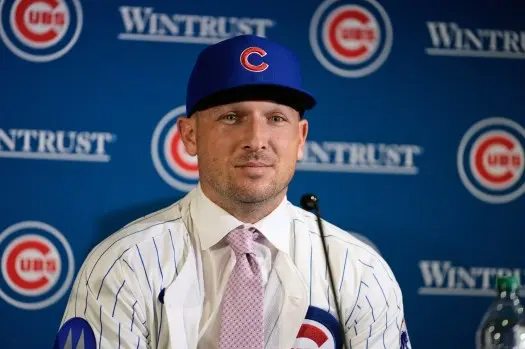
In his introductory press conference at Wrigley Field in mid-January, Bregman expressed excitement about joining the Cubs, emphasizing his eagerness to contribute to a team with championship aspirations. He highlighted the organization’s commitment and the appeal of playing in such a historic venue. However, some of his comments touched on the broader free agency process and his time in Boston, where he acknowledged loving the teammates and the city but chose to move on without delving into specifics. Bregman kept responses measured, stating he was focused on the future rather than rehashing negotiations.
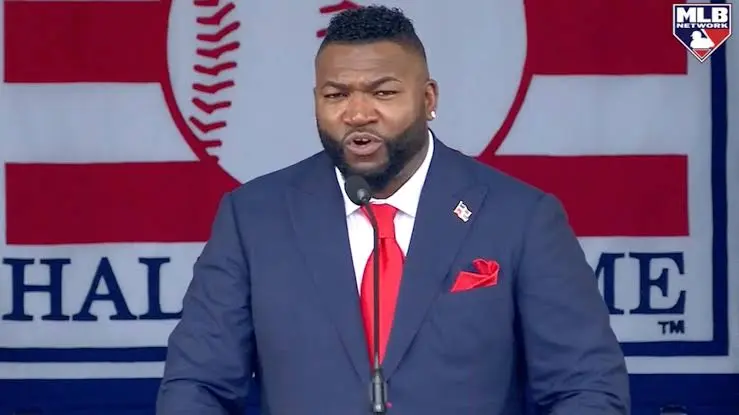
The signing stunned the Detroit Tigers organization, which had harbored genuine hope of landing Bregman this time around after coming close the previous winter. Insiders noted that Detroit believed they were positioned favorably, especially given the prior connection with Hinch and the club’s upward trajectory. When news broke of Bregman’s agreement with Chicago, it represented a major shock to the Tigers’ front office and fanbase, who felt the player had been within reach only to pivot elsewhere. A former MLB player, speaking on condition of anonymity in various reports and discussions, didn’t hold back in criticizing Bregman’s press conference remarks.
“Let’s put all that aside,” the ex-player said, dismissing what he saw as Bregman’s attempt to downplay the Detroit disappointment and Boston tensions as polite deflections. He called the overall situation a “major shock” to the Tigers, who had invested time and emotion in the pursuit, only to be left empty-handed once more.
The criticism underscores the raw feelings in Detroit, where the organization has been building steadily but missed out on a high-profile addition that could have accelerated their contention window. Some analysts pointed out that Bregman’s preference for the no-trade clause and slightly higher guaranteed money ultimately tipped the scales toward Chicago, but the emotional sting for the Tigers lingered. Reports suggested Detroit didn’t even re-engage heavily this offseason after the previous snub, perhaps wary of another near-miss.
For the Cubs, the Bregman signing signals an aggressive push under their front office to elevate the team’s ceiling. Paired with existing talent, his elite defense at third base, disciplined approach at the plate, and postseason experience add a proven winner to the mix. Bregman, now 32, has consistently delivered in high-leverage situations throughout his career, and his leadership qualities have been praised by teammates across stops. The contract’s structure, with deferred payments, helps the Cubs manage payroll while providing Bregman with long-term security.
As spring training progresses and the 2026 season approaches, all eyes will be on how Bregman integrates into the Cubs’ clubhouse and lineup. His decision has reshaped the landscape for multiple franchises: a boon for Chicago’s World Series hopes, a point of frustration for Boston’s management amid ongoing questions about their approach, and a lingering disappointment in Detroit. In the end, free agency often comes down to fit, timing, and the small details that make or break deals—and Bregman’s move to the Cubs encapsulated that perfectly.
While some voices in the game voice lingering criticism, Bregman appears settled and motivated, ready to chase another ring in a new chapter of his accomplished career.