The Boston Red Sox fanbase is famously divided on nearly everything, from lineup construction to front office strategy, yet the reaction to the recent acquisition of Caleb Durbin has been strikingly unified. In a market where skepticism often arrives before celebration, this deal has instead been met with a rare wave of optimism, curiosity, and cautious excitement. What began as a quietly efficient trade has quickly evolved into one of the most talked-about transactions in baseball circles, not because of flashy headlines, but because of the underlying logic that seems almost too good to be true for Boston.
Durbin may not yet carry the label of an All-Star, but his rookie campaign spoke volumes about his trajectory. He delivered a strong season, demonstrated advanced plate discipline, and showed defensive versatility that modern front offices increasingly covet. Even more significant, the Red Sox secured a player with six full years of team-friendly control, a factor that could reshape roster planning deep into the decade. For a franchise attempting to balance competitiveness with sustainability, that level of control is not merely valuable, it is strategic gold.
Perhaps the most remarkable detail of the trade is what Boston did not have to surrender. The Red Sox managed to acquire Durbin without parting ways with any of their top-tier, blue-chip prospects, a move that immediately sparked praise from analysts and insiders across the league. In an era where young talent is guarded with near paranoia, pulling off such a deal without sacrificing elite assets is viewed as a significant front office victory.
The historical context only amplifies the intrigue. Trading with the Milwaukee Brewers has traditionally been a nerve-wracking proposition for opposing teams, as deals involving Milwaukee often age exceptionally well from the Brewers’ perspective. That reputation alone initially made some Boston supporters uneasy, recalling past transactions where early optimism eventually gave way to long-term regret. However, early reactions suggest that this time, the narrative may be unfolding in reverse.
According to a revealing report by MLB.com’s Adam McCalvy, the ripple effects of the trade reached the highest levels of baseball leadership. Brewers owner Mark Attanasio reportedly received an unexpected phone call from Commissioner Emeritus Bud Selig, a figure whose ties to Milwaukee run deep due to his previous ownership of the franchise. The tone of the conversation was, by all accounts, one of disbelief.
“What are they telling you?” Selig asked Attanasio, a remark that captured his astonishment at the apparent imbalance of the deal. The quote, relayed by McCalvy, quickly spread throughout baseball media, adding a layer of drama that transformed an already intriguing trade into a full-fledged storyline. For many observers, Selig’s reaction served as an unofficial endorsement of Boston’s apparent advantage, a rare instance where a former steward of the sport openly questioned the internal reasoning of a front office decision.
From the Red Sox perspective, the trade felt like a steal from the moment it was announced. Boston parted with Kyle Harrison and Shane Drohan, both promising young pitchers with developmental upside, yet neither was considered untouchable within the organization’s long-term blueprint. The decision to move them reflects a calculated gamble: exchanging potential for a player who has already demonstrated major league production and adaptability.
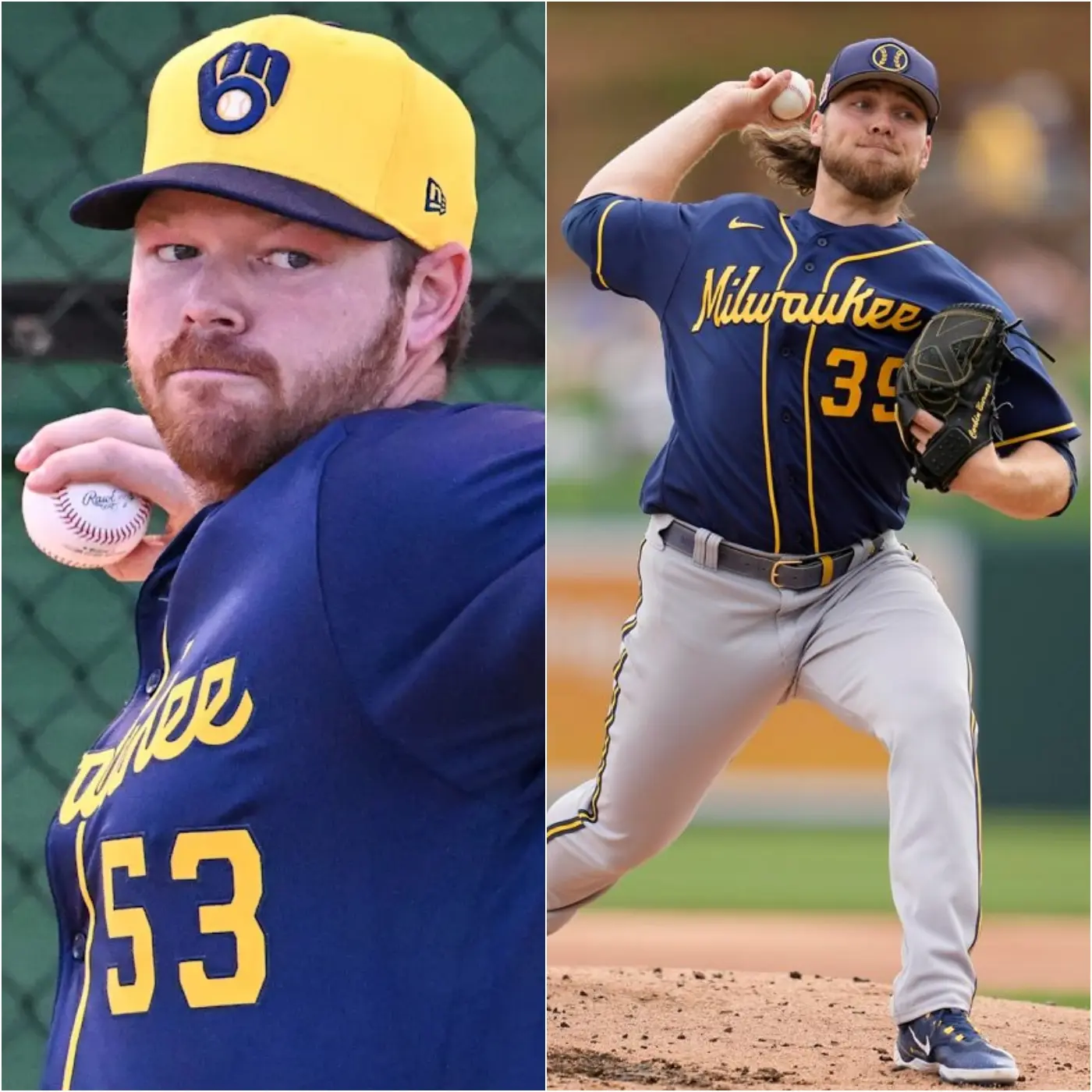
Still, Red Sox fans are not without their scars. The memory of the Quinn Priester trade remains fresh, a deal that initially appeared favorable for Boston before dramatically swinging in Milwaukee’s direction. Priester’s meteoric rise from Triple-A Worcester to a 13-3 record and a 3.32 ERA across 29 appearances for the Brewers became a painful reminder of how quickly narratives can change in baseball. That experience has instilled a degree of restraint among even the most enthusiastic supporters.
The key difference this time lies in Durbin’s established major league foundation. Unlike a speculative acquisition, he arrives in Boston having already proven he can contribute at the highest level. During his rookie season, he matched Priester’s WAR while showcasing flashes of even greater upside, particularly during a dominant second half that followed a slower adjustment period in April and May. His ability to make midseason adjustments has been highlighted by coaches and analysts as a sign of advanced baseball IQ and resilience.
Insiders within the Red Sox organization have privately emphasized Durbin’s work ethic and adaptability as major factors behind the move. While the team has not issued grand proclamations, the internal tone suggests quiet confidence rather than exaggerated hype. That balance aligns with the front office’s recent shift toward sustainable roster construction rather than short-term headline moves.
The Brewers, meanwhile, are facing increasing scrutiny regarding the long-term implications of the trade. Milwaukee’s track record of developing pitching talent means that Harrison and Drohan could still blossom into valuable assets, a possibility that prevents any definitive early verdict. However, the optics of losing a productive young infielder with years of control have fueled debate among analysts who question whether the Brewers may have underestimated Durbin’s ceiling.
Adam McCalvy’s reporting has only intensified the conversation, ensuring that the story reached a national audience rather than remaining a regional transaction footnote. By highlighting Bud Selig’s reaction, McCalvy effectively framed the deal as more than a routine roster adjustment, positioning it as a potential turning point that could define both franchises’ trajectories over the coming years.
Within the clubhouse, the addition of Durbin is said to have been met with enthusiasm. Teammates reportedly appreciate his versatility and high-energy playing style, qualities that align well with Boston’s evolving roster identity. His presence also provides managerial flexibility, allowing the coaching staff to deploy him in multiple infield roles while maintaining offensive consistency.
Despite the early praise, seasoned observers around Fenway Park continue to preach patience. Baseball history is filled with trades that looked lopsided in the short term only to balance out over time. The new unofficial motto among cautious fans has become simple: never get too high or too low on a trade just one week after it happens. That mindset reflects lessons learned from past experiences and underscores the unpredictable nature of player development.
Yet even with that caution, the sense of intrigue surrounding this deal is undeniable. Bud Selig’s incredulous reaction, Mark Attanasio’s reported surprise, and Adam McCalvy’s widely circulated account have combined to create a narrative that extends far beyond box scores and prospect rankings. It has become a story about perception, strategy, and the delicate art of roster building in modern baseball.
For Boston, the acquisition represents more than just adding a talented young player. It signals a calculated shift toward acquiring controllable talent without mortgaging the future, a philosophy that could shape the organization’s competitive window. For Milwaukee, the move will likely be judged over several seasons, particularly if the pitchers they received develop into impact contributors.
As the dust settles, one reality remains clear: it is still early in the lifecycle of this trade. Performance over the next few seasons will ultimately determine its legacy. However, the immediate aftermath has already delivered a rare spectacle — a unified fan reaction in Boston, league-wide curiosity, and a legendary figure like Bud Selig openly expressing disbelief.
That combination of optimism, skepticism, and curiosity has turned a seemingly straightforward transaction into one of the most compelling narratives of the season. Boston may have just landed a quiet blockbuster, and if Durbin continues his upward trajectory, the reverberations of this deal could echo across Major League Baseball for years to come.